


How to Dominate the SERPs With 5 SEO Strategies for Law Firms and Lawyers

Stop being anonymous online. Get ready to explore proven SEO strategies for law firms.
A law firm’s digital footprint is one of the best ways for people to learn about its expertise and reputation. As the legal industry engages more and more with digital channels, it’s essential that you master the art of building an SEO strategy for a law firm right away.
With this guide, we want to open the door to a space where search engine optimization (SEO) is the key to standing out online. We offer a fresh perspective on how SEO strategies for lawyers can help them thrive in the vast digital landscape.
Why Do SEO Strategies Matter for Law Firms and Lawyers?
SEO can be a magic wand that makes your law firm easy to find and known to the people who need your expertise most. SEO harnesses the power of search engines to put your firm right where potential clients are looking. The right SEO strategy can turn your website into a lighthouse, drawing in clients who are searching for exactly the legal services you excel at.
But remember, it pays to equip yourself with knowledge of SEO strategies built specifically for lawyers. Understanding the basics, the “why” and the “how” of SEO, is vitally important. This knowledge not only helps you make informed decisions but also lets you collaborate more effectively with the SEO professionals you choose.
Before we dive deeper into each consideration, we encourage you to seek professional support from leading SEO companies around the world. They can make the process easier and explain each step to you, so you reach your goals faster and more efficiently.
Still, you should learn about SEO strategies for law firms, at least the basics and the main logic behind them.
If you’re ready, let’s dig in!
5 SEO Strategies for Law Firms
To improve your law firm website’s rankings, you should apply the 5 SEO strategies for lawyers that we explain in detail below.
By applying these strategies, you not only strengthen your online presence but also build your law firm’s credibility and standing, attracting more traffic and consultation requests from potential clients.
Content Is King: Create Quality Content for Your Law Firm
It is vital to create content that truly connects with your audience and addresses their legal concerns. So aim to build stories and information that directly meet the needs of your target audience (an opportunity you can’t afford to miss, especially given the surprising statistic that only 27% of law firms maintain a blog).
When building content, focus on making it more than just informative. Your content should resonate directly with the questions and concerns of potential clients.
You will simplify complex legal issues, making them easy to understand and directly relevant to your target audience.
Picture a small law firm specializing in family law applying this strategy. They create comprehensive guides and in-depth articles on topics such as divorce procedures, child custody, and property division. For example, they can skillfully work in target keywords such as “luật sư ly hôn” (divorce lawyer) and “luật quyền nuôi con” (child custody law), while also making use of the questions and keyword variations that SEO tools suggest.

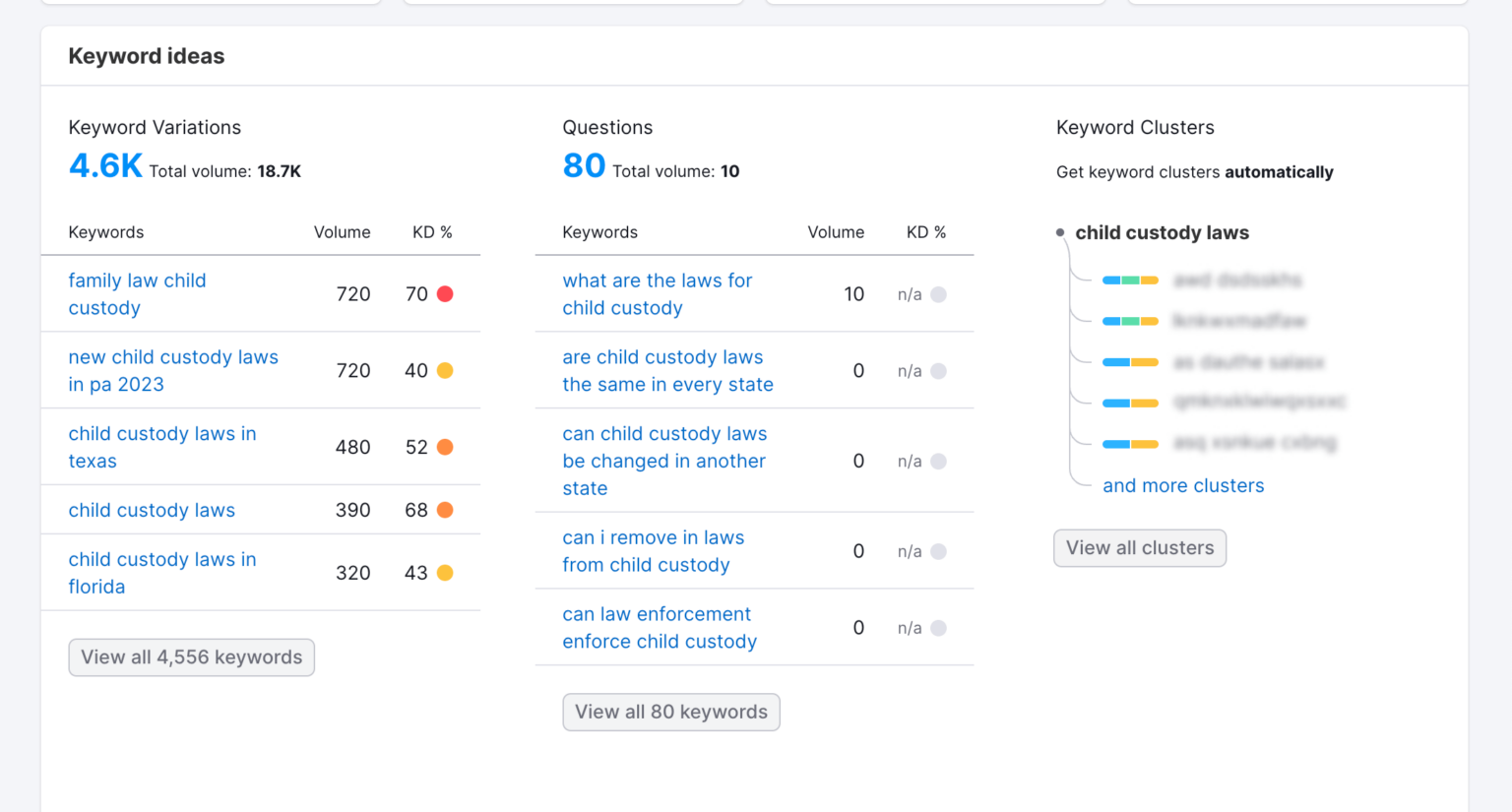
As a result, they can improve their visibility in search results, increase traffic to their website, and in turn attract more potential clients.
Now, it’s time to look at a real-world example of SEO services for a law firm from the company Impression.
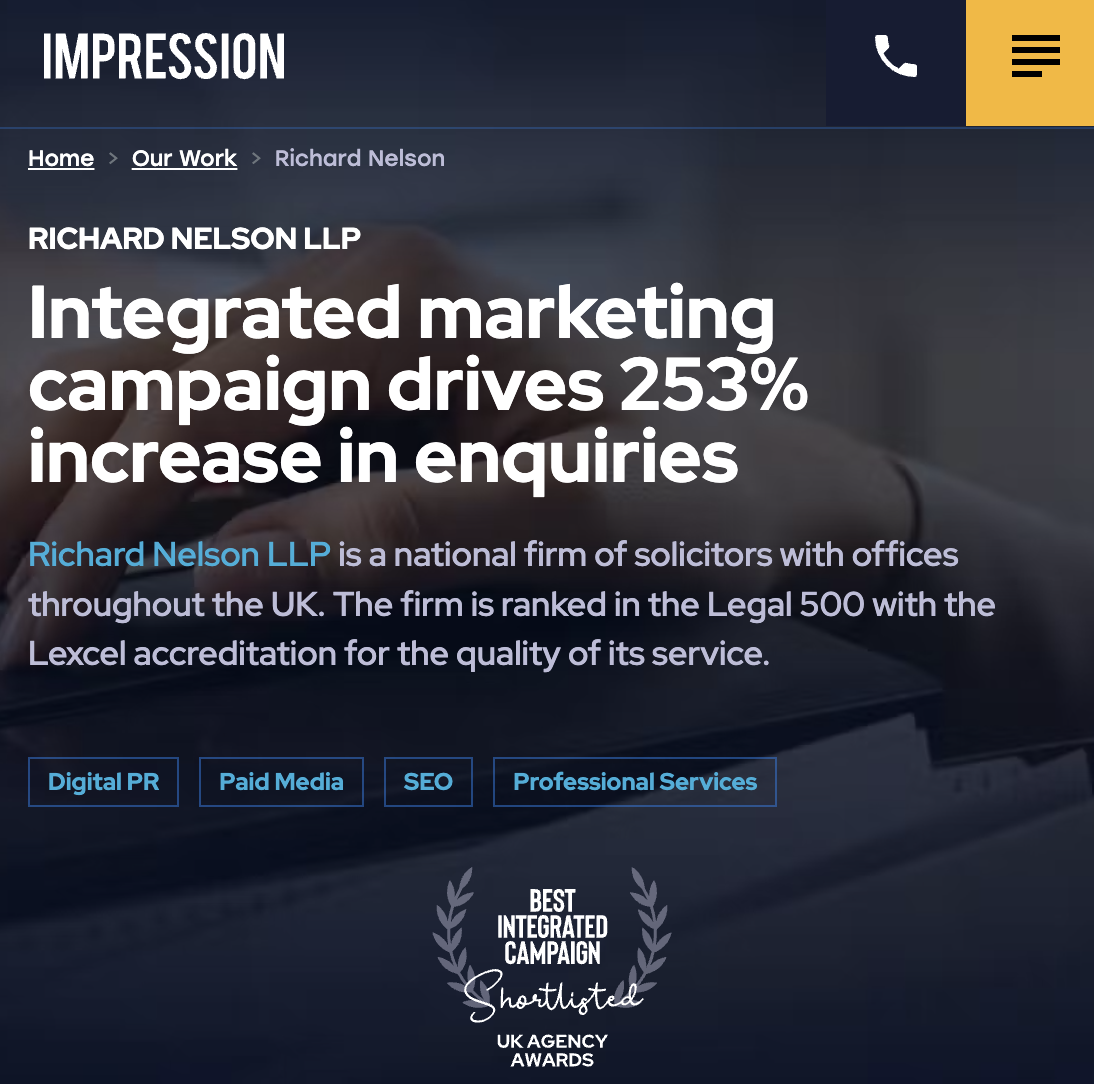
In the case of Richard Nelson LLP, Impression demonstrated the power of targeted content creation. By focusing on specific legal issues and incorporating SEO-friendly keywords, they significantly strengthened Richard Nelson LLP’s online presence. Their strategy involved tailoring content to match what potential clients search for, leading to a marked improvement in the firm’s search engine rankings.
Building Credibility: The Role of Backlinks
When building backlinks, focus on quality over quantity. Prioritizing high-quality backlinks from reputable sources in the legal, news, or education fields is the most important step.
Such backlinks are far more valuable than a flood of links from obscure websites.
To earn these valuable backlinks, consider joining legal forums, writing guest posts on respected law blogs, and creating high-quality, inspiring content that others will link to your website voluntarily.
This approach will help ensure your law firm becomes a noteworthy presence online, attracting more potential clients. Only by focusing your efforts on quality backlinks can you make your law firm stand out among the vast amount of information on the internet and create a lasting impact.
Local SEO: The Power of Community Connection
Local SEO for law firms differs from general SEO in that it focuses on queries and listings tied to a specific geographic location. Local SEO ensures your law firm shows up in local search results, maps, and directories when someone nearby searches for the legal services you offer. Missing the chance to reach potential clients who have legal needs and are close to you is a real waste of time and budget.
Let’s start with the basics of local SEO: optimizing your Google My Business (GMB) profile.
A comprehensive GMB profile, regularly updated with key details such as your firm’s location, services, and client reviews, strengthens your visibility and credibility in local searches.
A prime example of local SEO for a law firm is the case of Emote. They successfully improved the results of McDonald Murholme on Google and Google Maps by updating its GMB profile.
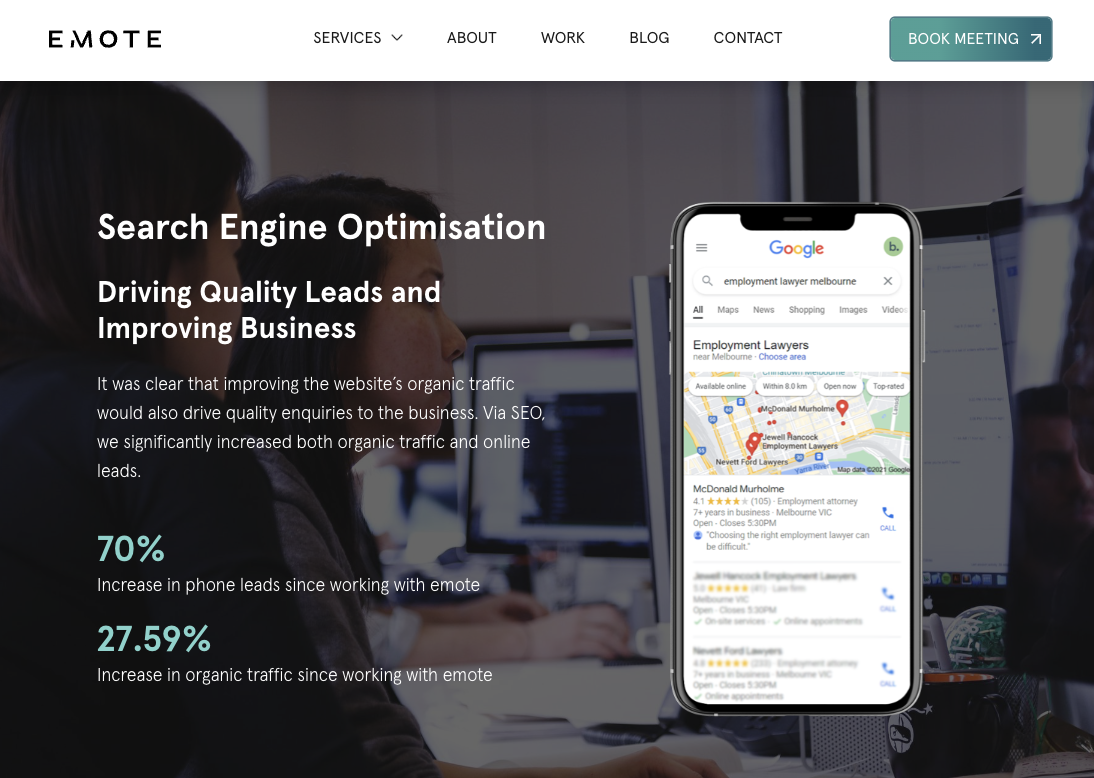
By integrating local keywords into its content, they significantly improved the law firm’s local search rankings.
Besides updating your Google My Business profile, tailoring your website content with local keywords and referencing local landmarks or region-specific legal issues can also noticeably improve your search rankings. It also helps you build a deeper connection with the local community.
An example of how a law firm can apply local SEO in personal injury:
- Optimize your Google Business Profile: The firm makes sure its GBP profile includes relevant details such as “luật sư tai nạn thương tích” (personal injury lawyer) and encourages clients to leave positive reviews to improve its local search rankings.
- Consistent NAP information: Keeping your name, address, and phone number identical across all directories is crucial to avoid confusion and boost your local search rankings.
- Optimize your website with local keywords: By including phrases such as “luật sư tai nạn thương tích Thành phố Hồ Chí Minh” (personal injury lawyer Ho Chi Minh City), the firm targets clients in specific geographic areas.
- List your firm in local directories: Listing the firm in reputable directories increases its online visibility and credibility.
- Location-based landing pages: For firms with multiple locations, create landing pages optimized for each area, drawing organic traffic from clients in those areas.
The Technical Side: Checking the Key Points
Technical SEO is a combination of smart strategy and a bit of specialized knowledge. To put it simply, a well-executed technical SEO plan is the foundation for growing organic traffic, improving visibility, and attracting more clients.
The foundation of technical SEO lies in carefully structuring your website. You need to organize your law firm’s website with intuitive navigation that supports both users and search engines. In addition, focusing on internal links, especially for key pages such as practice areas, is also important so that search engines can judge how important the content on your site is.
Speed is another important factor; make sure your website loads quickly. This directly affects user experience and can have a positive impact on your search rankings. You should also consider techniques such as caching and image optimization. In addition, don’t hesitate to upgrade your web hosting to improve performance.
With mobile device use so widespread, another must is making your website display properly across many different devices. A mobile-friendly website not only delivers a better user experience but is also favored by search engines.
Taking care of your URL structure is also an important step in SEO for law firms. URLs should be clear, concise, and include relevant keywords where possible. Managing duplicate content through canonical tags and hreflang tags is also essential, as it helps maintain your website’s SEO integrity.
Don’t forget about XML sitemaps, as they help search engines crawl and understand your website, ensuring all content gets indexed. Craft your page title tags and meta descriptions with relevant keywords to improve your visibility in search results.
And remember, technical SEO is an ongoing process. Regularly reviewing and updating these elements to keep up with changes in search engine algorithms and user behavior is the key to maintaining a competitive edge in the digital legal market.
Tracking SEO Metrics: A Game Changer
Tracking SEO metrics is like using a GPS for your digital strategy. It lets you see where you’re doing well and where you need to adjust. Without tracking these metrics, you can’t tell whether you’re heading in the right direction. Even if you’re working with experts, equipping yourself with the basics will be very useful.
- Bounce Rate: Measures the percentage of visitors who leave your website quickly. A high bounce rate can indicate that your website content isn’t meeting visitors’ expectations or that the user experience is lacking.
- Conversion Rate: Tracks the percentage of visitors who complete a desired action (such as filling out a contact form). This is an important metric showing how effectively your website turns visitors into leads or actual clients.
- Page Load Time: Critically important for both user experience and SEO. Faster page load times can improve engagement and search engine rankings.
- Backlinks: Evaluate the quantity and quality of your backlinks to gauge your website’s authority. A strong backlink profile can boost your search rankings.
- Local Visibility: Especially important for law firms that serve local clients. Track the firm’s performance in local search results using tools such as Google’s Local Pack.
To track and analyze these metrics effectively, consider using SEO tools such as Semrush and Google Search Console. These tools offer comprehensive features for keyword research, website audits, and competitor analysis. They will give you valuable additional insights and help you fine-tune an SEO strategy built specifically for your law firm.
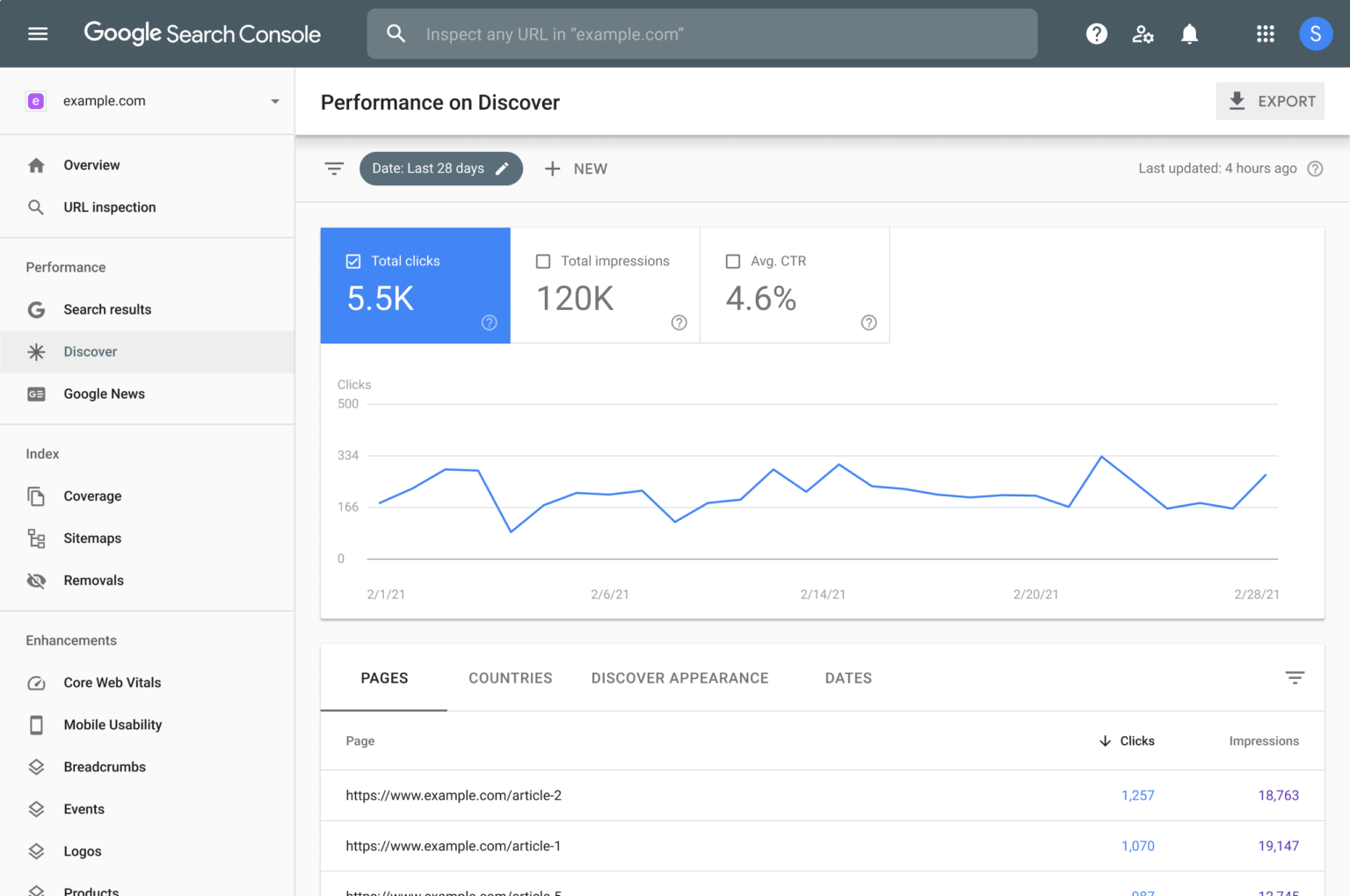
Source: Google
Conclusion
SEO for lawyers is not a do-it-once-and-done strategy. The process demands continuous effort and adaptation.
Staying up to date with the latest SEO trends and techniques is essential to keep your law firm visible and competitive in the ever-changing world of search engines. Regular updates to your content, structure, or backend optimization are very important.
To keep up with Google’s frequent updates and the latest trends that strongly affect search engine performance, such as AI, we recommend working with marketing professionals. Take a look at our curated list of marketing companies for law firms, contact the ones that fit best, and request a quote to see whether you and they are aligned!

Nguyễn Đình
Bảo




As CEO of The7, I am committed to sharing practical, useful knowledge with every reader. Every article on The7 is based on my 7 years of hands-on experience in marketing — Facebook advertising, LinkedIn advertising, Google advertising, and marketing strategy. I hope you take away plenty of insight from these posts and apply it successfully in practice.
Related Articles

Ecommerce SEO Website Checklist to Get More Traffic
Table of Contents Toggle How Do You Know It’s Time to Update Your Ecommerce SEO Website Checklist?Discover the Most Searched Keywords and QuestionsChoose the Right KeywordsEnhance the Website Experience for...

SEO Trends 2023 and Expert Advice
2023 has truly been a whirlwind year for every industry. The pace of change in technology and business organization has been dizzying. And adapting to and keeping up with new...