


Ecommerce SEO Website Checklist to Get More Traffic

How Do You Know It’s Time to Update Your Ecommerce SEO Website Checklist?
Adjusting your SEO strategy for an ecommerce website can be prompted by many different causes, such as a sudden drop in traffic, a website migration, or simply because you judge that it is necessary. For an ecommerce business, you should never miss the opportunity when potential customers search for your products.
Google evaluates a website’s ranking based on more than 200 different factors. As a result, optimizing SEO for an ecommerce website requires attention to many aspects, from keyword research to improving the user experience.
Discover the Most Searched Keywords and Questions
When it comes to SEO, it’s no surprise that keywords are an important aspect, because they play a key role in any SEO checklist. This is unavoidable, since there is no other way to achieve organic rankings.
Researching popular keywords is an essential step for ecommerce businesses because they are the starting point of the consumer journey. Your chances of making a sale go up if consumers see your website appear in Google search results when they search for products. That’s why doing keyword research effectively is the key to a successful ecommerce SEO strategy.
Here are some helpful guidelines for you:
- Look for keywords with high search volume and low competition.
- Make sure you choose one target keyword for each specific page, along with a few related keywords.
- Make sure the keywords you choose match the intent of the product or service page.
Although these are only basic guidelines, they make a big difference. For example, if you are a cosmetics brand and want to sell your eyeliner, the keyword “eyeliner” alone is not enough. Instead, use other related keywords within the 1 to 15 range that have high search volume.
For example, when we enter the keyword “eyeliner” into Google’s tool, we get a list of related phrases and keywords. Make sure to use at least some of the first few phrases to increase your chances of being found.
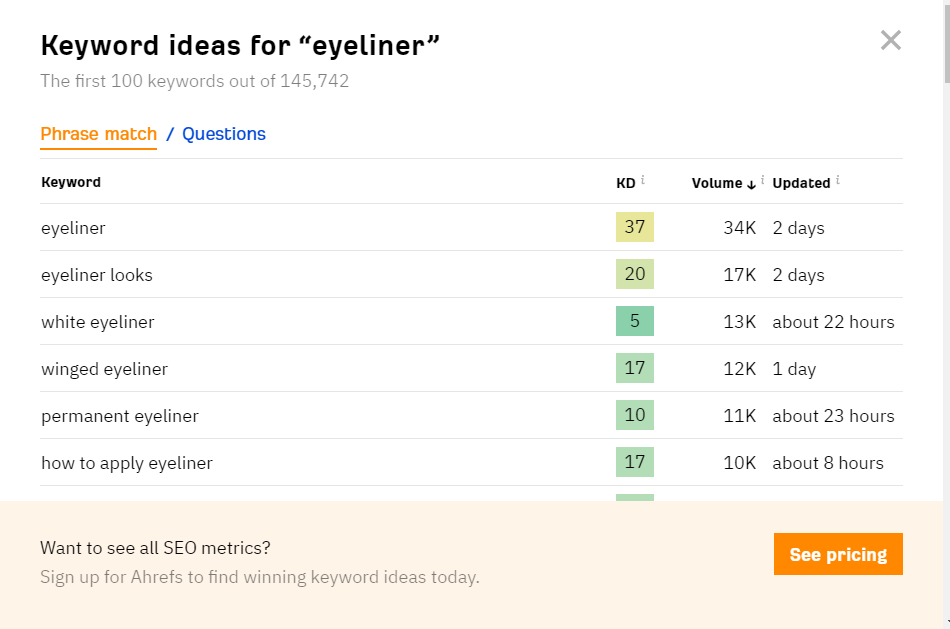
Once you have a large pool of keywords, you need to filter out the ones that fit. Keep the suggestions below in mind, as they will help you.
Choose the Right Keywords
- Find and integrate local keywords to boost your product pages’ visibility in local search results.
- Analyze your competitors to see where they stand for the exact keywords.
- Incorporate long-tail keywords to target users looking for specialized products.
- Use tools like Google Analytics to track keyword performance on each page and make data-driven decisions.
Once you have the final set of keywords for each page, work them into your content. Many SEO experts recommend using about 1 keyword per 100 words, which is roughly a 1% keyword density. This is a safe figure that keeps your content from being overloaded with keywords.
It’s easy to see that SEO isn’t only about keywords and content, but also about the experience and structure of your website. That brings us to the next section.
Enhance the Website Experience for Users
Improving user experience is a broad term. That’s why it’s important to break it into parts and look at each one in detail.
When it comes to improving the website experience, it includes:
- Page performance and user experience,
- Accurate website architecture,
- Friendly URLs and smooth navigation.
Let’s start with the first point.
Improve Page Performance and User Experience
Search engines evaluate the quality of the user experience on your website, which makes page experience an important factor in SEO because it directly affects how users engage with your website. Some reasons why this factor helps strengthen SEO include:
- When a website delivers a positive experience, users are more likely to engage with it and come back in the future.
- Websites with strong Core Web Vitals, such as Largest Contentful Paint (LCP), First Input Delay (FID), and Cumulative Layout Shift (CLS), are more likely to rank higher.
- With Google using mobile-first indexing, your website needs to be mobile-friendly.
- Slow-loading websites increase the bounce rate, so optimizing page speed is important.
- A good user experience lowers the bounce rate and increases dwell time (the time users spend on a website after clicking a search result).
- Make sure your website is secure (https).
- Check whether the back-end APIs are fast and scalable.
- Don’t load page elements that aren’t important to users.
Website Structure with a Logical Taxonomy
Website architecture, from layout to design, also plays an important role in helping users easily access your website’s content and features.
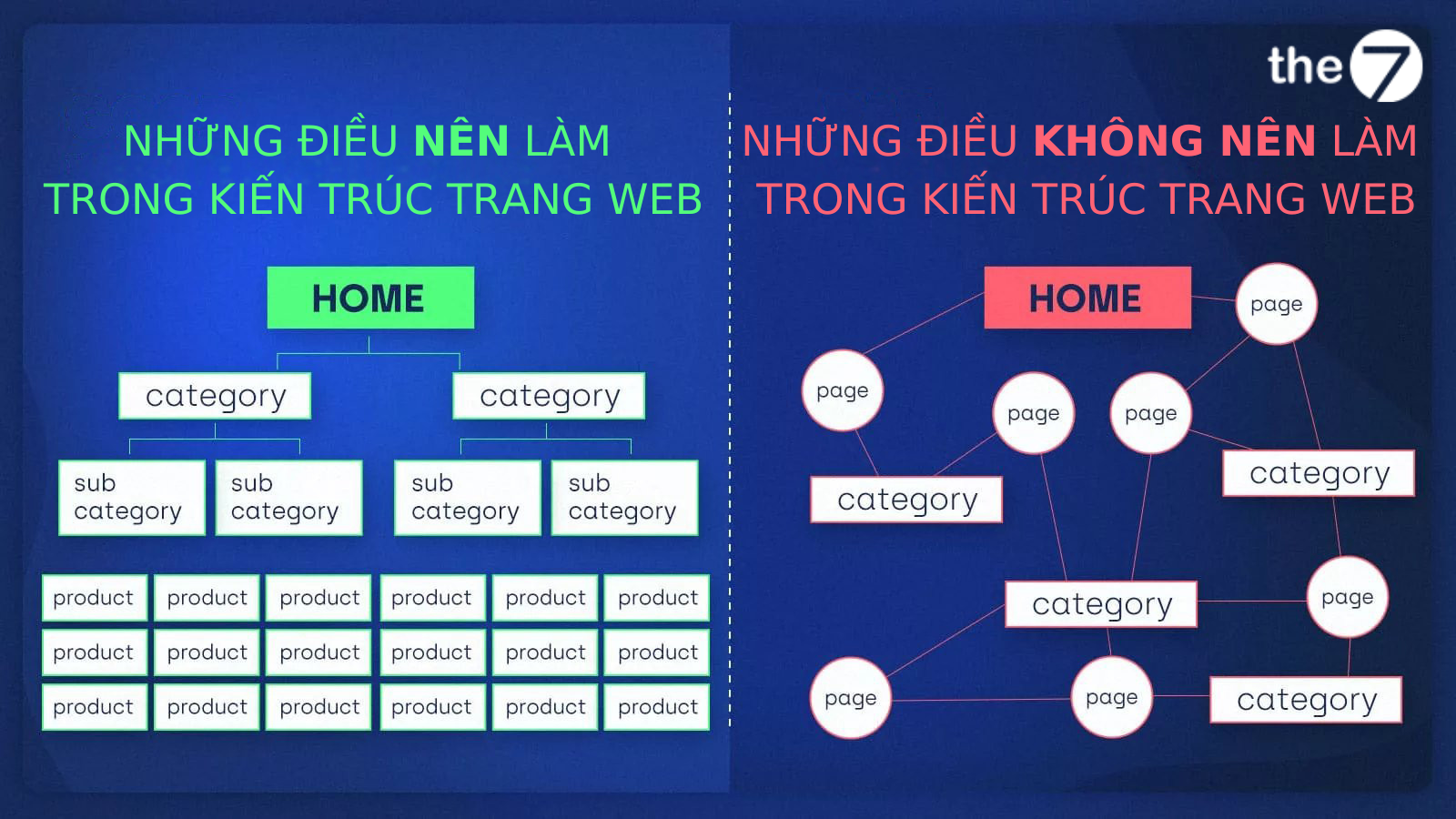
How a website is organized matters from both the search engine’s and the user’s point of view. Let’s look at some dos and don’ts of website architecture to understand it better:
Follow Website Architecture Principles
- Plan and design your website before development, including the categories, subcategories, and feature pages you need.
- Use descriptive, keyword-rich URLs to tell users what a page is about.
- Take advantage of internal links to keep users on your website for a significant amount of time.
- Maintain a well-organized sitemap (an XML document containing a record of all pages) to prevent duplicate content.
- Make sure your website structure is logical, with all categories and subcategories arranged in a sensible hierarchy.
Avoid the Don’ts of Website Architecture
- Don’t create too many categories or subcategories, but don’t create too few either.
- Avoid using dynamic URLs.
- Don’t put too many subcategories under a single category.
- Avoid burying important pages deep in the structure or using misleading labels.
- Avoid using too many pop-up windows or ads.
Once the website architecture is in place, the next part is the user interface, including convenient navigation and friendly URLs.
Create SEO-Friendly URLs and Smooth Navigation
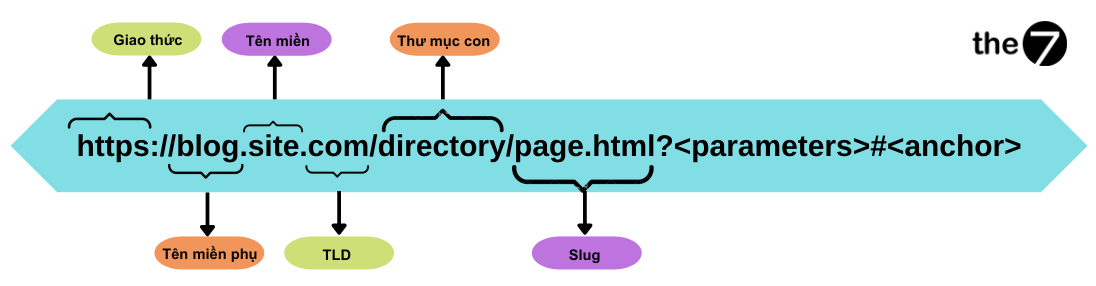
When it comes to an ecommerce SEO strategy, one often-overlooked aspect is the importance of friendly URLs and navigation. These small details have a big impact on the overall user experience and the search engine optimization of your online store.
- Friendly URLs are short, descriptive, and easy to read for both people and search engines.
- They let users instantly understand what a page is about and make crawling and indexing your website more convenient.
- By including relevant keywords in your URLs, you can improve the chances of your page appearing in search results.
In addition, a well-structured navigation system plays an important role in improving the user experience on your ecommerce website. Clear, easy-to-understand navigation helps visitors find the information they are looking for, encourages engagement, and leads to more transactions.
Here are some ways to do this!
- Use the HTTPS protocol.
- Remember that file names and query strings are case-sensitive.
- Stay consistent in how you link your pages, meaning use either the version without “www” or the version with “www”, so that only one version is submitted to Google Search Console.
- Keep URLs short and keyword-focused, using hyphens between words.
- Avoid parentheses or commas to keep navigation search-friendly, making it easy for users to find the information they are looking for.
Implement Effective Off-Page SEO Practices
Good content and keyword optimization are important, but you also need to care about link building and earning backlinks. While on-page SEO helps optimize your content, off-page SEO involves strategies to improve your website’s discoverability and ranking.
Which practices should you put in place?
- Develop and distribute industry resources such as guides, webinars, infographics, or studies that can earn links naturally or be shared on social media.
- List your website in relevant local and aggregator directories to increase visibility and earn reputable backlinks.
- Use public relations (PR) announcements to build links.
- Use press releases to announce news and events, attract media attention, and earn reputable backlinks.
- To boost visibility and engagement and earn potential backlinks, share and promote your pages on social media.
- Use influencer marketing. Partnering with professional influencers can help you reach a broader audience and generate significant backlinks and social shares.
- Join industry forums and communities, Discord, Slack, and Facebook and LinkedIn groups.
- Contribute, share your thoughts, support others, and build relationships.
- Attend or sponsor trade shows. Taking part in an event can help you make contacts, increase visibility, and earn backlinks from the event website and the press.
- Set up a video marketing strategy, which means using video to promote your business across multiple channels.
- Start or join industry livestreams and podcasts.
Keep in mind that off-page SEO practices take time, effort, and strategic planning. So expect it to start working after a while. Whether you contact ecommerce agencies to build this strategy or hire a specialist, off-page SEO is a long-term game.
However, when implemented properly, these practices will significantly increase your website’s organic visibility and improve your chances of ranking higher on search engine results pages.
Conclusion
We hope you find this checklist informative enough to build a strong ecommerce SEO strategy. While SEO can seem difficult and like the core of your business, remember that it is only one piece of the picture, not the whole picture. Don’t hesitate to reach out to SEO agencies that also work in content models, conversion rate optimization, and performance to build an SEO strategy that delivers results in the long run.

Nguyễn Đình
Bảo




As CEO of The7, I am committed to sharing practical, useful knowledge with every reader. Every article on The7 is based on my 7 years of hands-on experience in marketing — Facebook advertising, LinkedIn advertising, Google advertising, and marketing strategy. I hope you take away plenty of insight from these posts and apply it successfully in practice.
Related Articles

How to Dominate the SERPs With 5 SEO Strategies for Law Firms and Lawyers
Stop being anonymous online. Get ready to explore proven SEO strategies for law firms. A law firm’s digital footprint is one of the best ways for people to learn about...

SEO Trends 2023 and Expert Advice
2023 has truly been a whirlwind year for every industry. The pace of change in technology and business organization has been dizzying. And adapting to and keeping up with new...