


6 Simple Yet Effective Steps to Run Google Ads in 2024

Google Ads (Google AdWords) is Google’s online advertising service that helps businesses reach the right target customers, boost brand awareness, attract customers, and drive sales as customers search for information on Google. In this article, The7 will walk you through 6 steps to run Google Ads to help boost your sales.
6 Steps to Run Google Ads Effectively (100% Guaranteed)
Step 1: Create a Google Ads Account
Go to https://ads.google.com/ and sign in with your Gmail account. A dialog box will then appear on the site, and you should click Create a new Google Ads account.
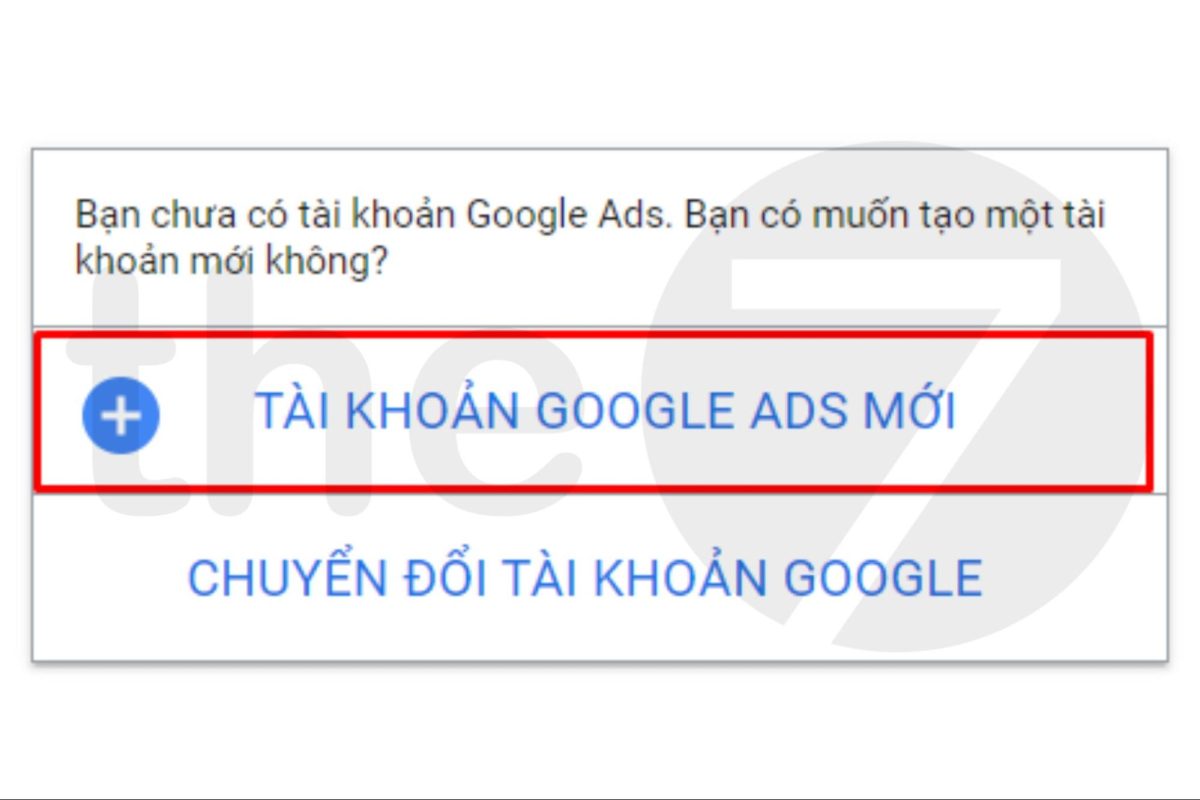
At this point, two scenarios can occur:
Scenario 1: Create an account with a new campaign
You’ll need to determine the objective, campaign, and ad format that fits your business goals. Google defaults to a Search campaign – Google Ads Search – so if you want to choose a different campaign type such as Display, App, Video, or Smart, click Switch to Expert Mode.
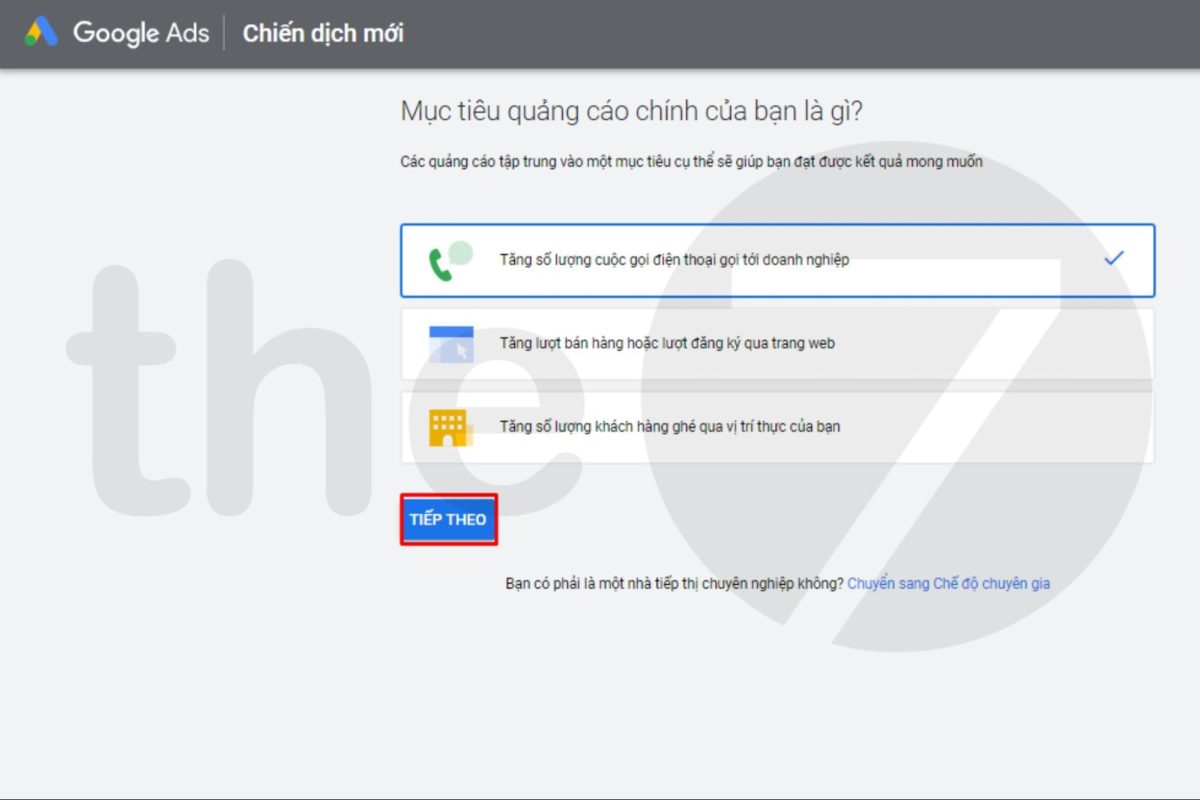
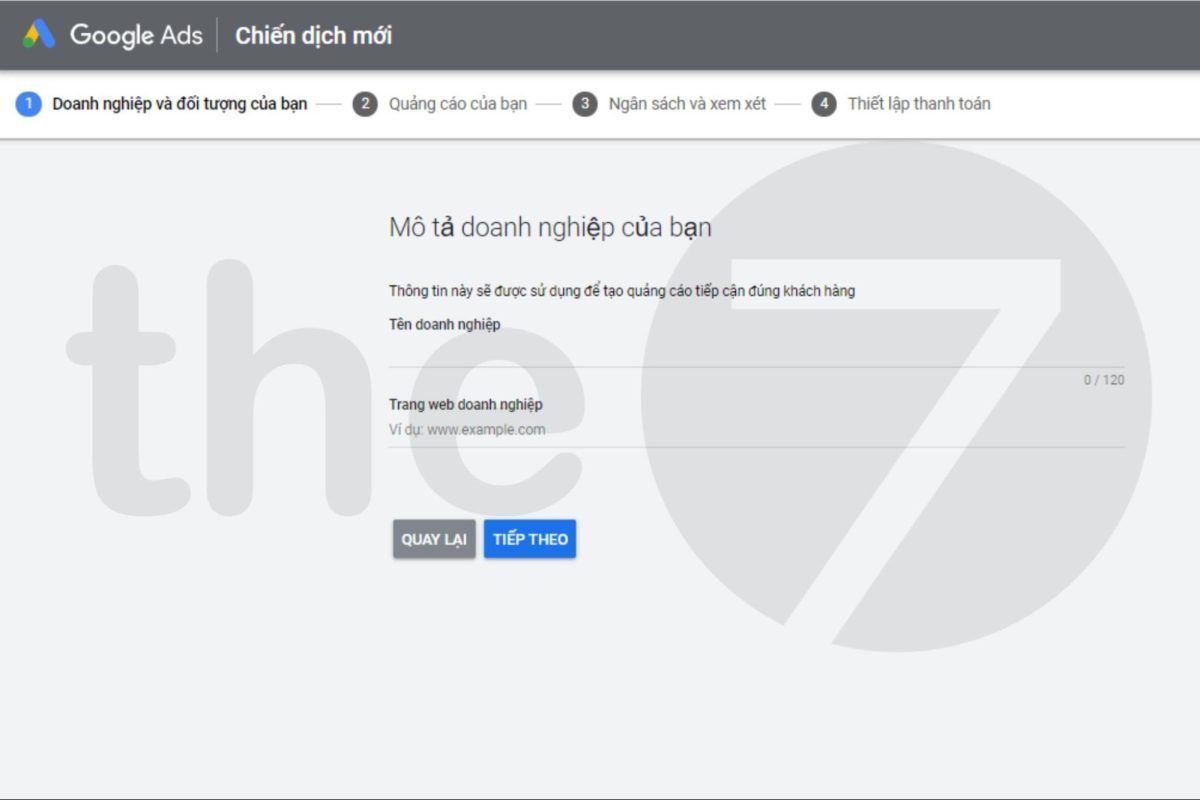
Next, fill in complete information about your business, ad campaign, budget, and so on to create your ad.
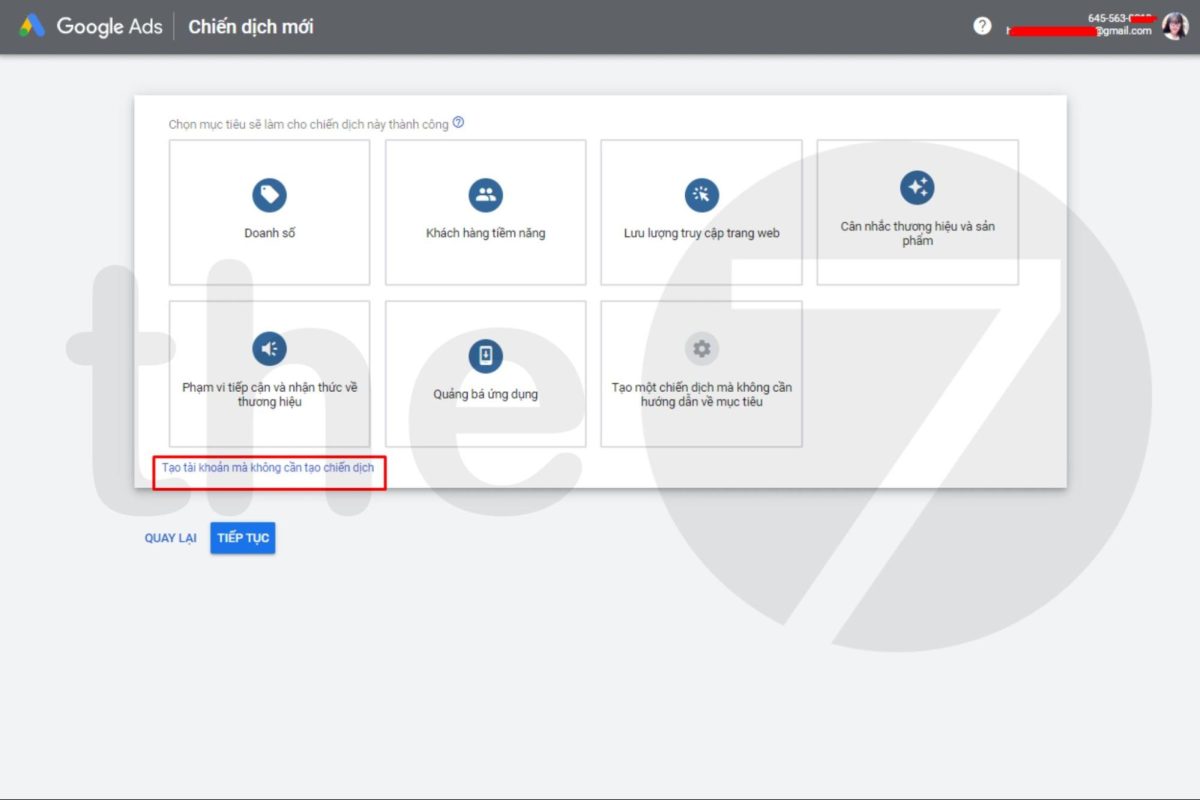
Scenario 2: Create an account without a campaign
1. Click Switch to Expert Mode.
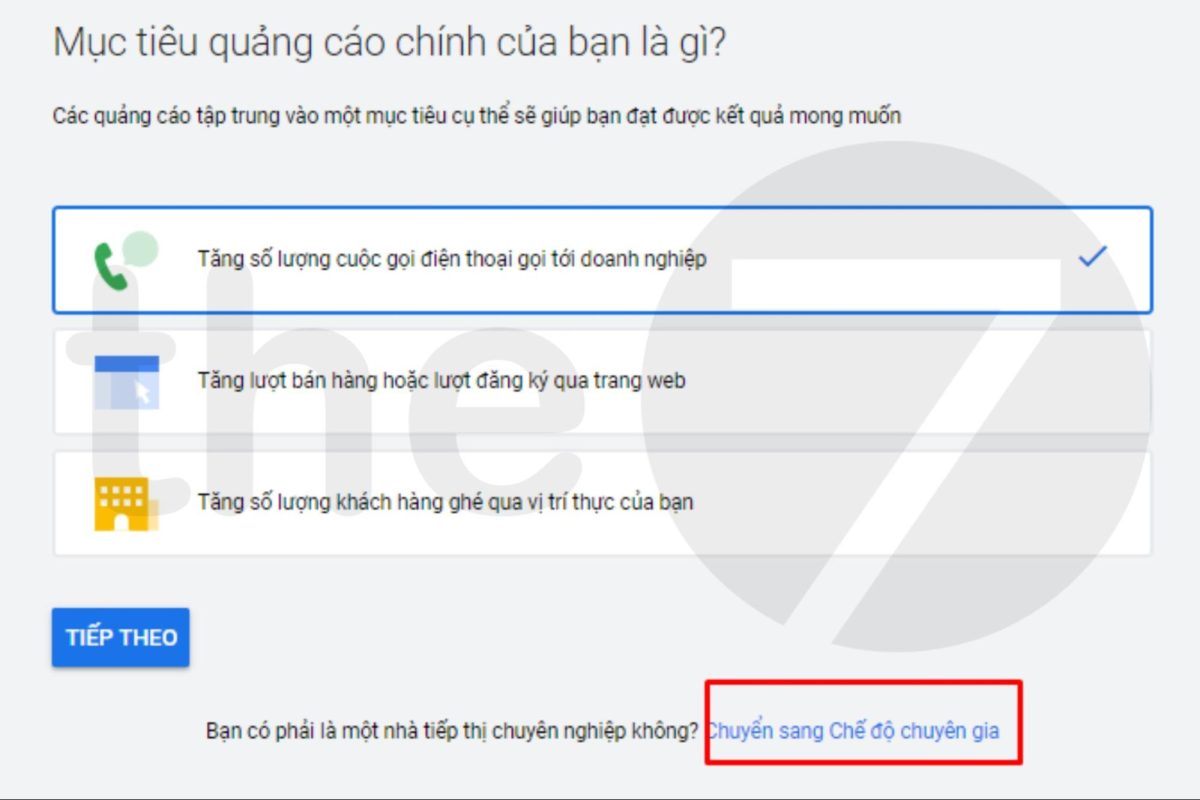
2. Click Create an account without a campaign.
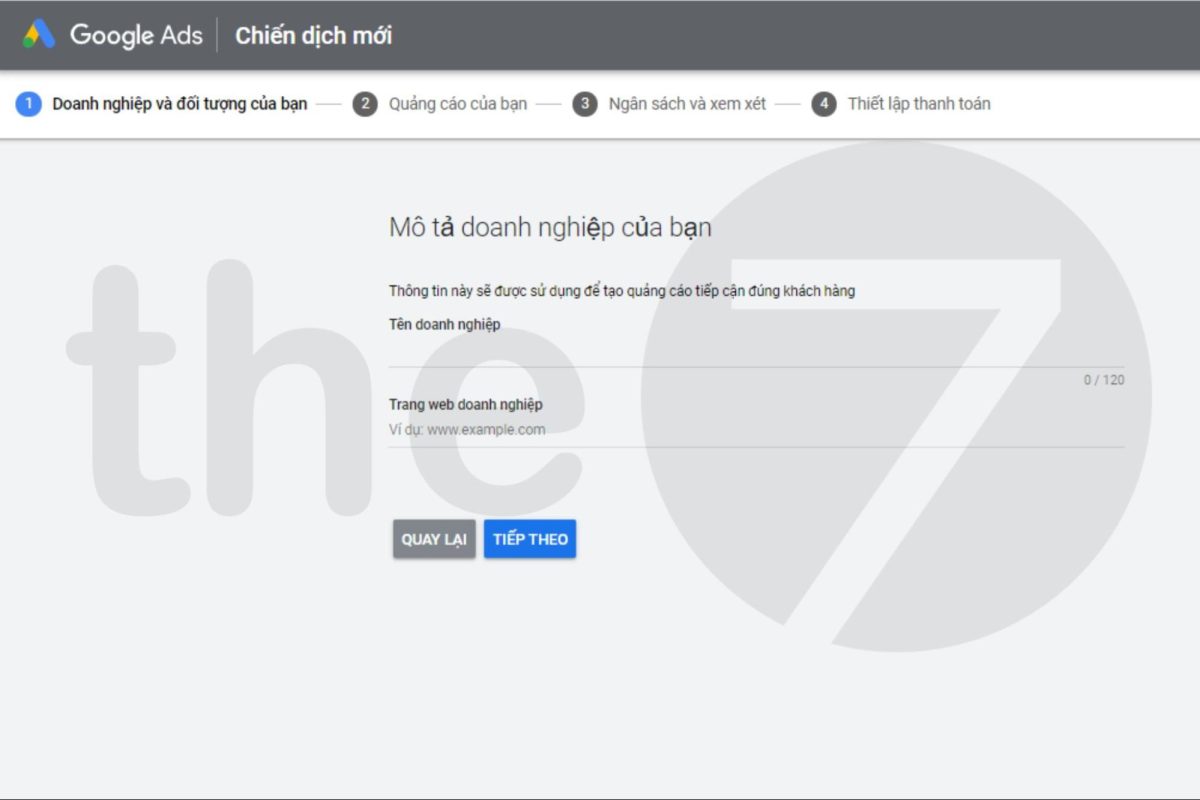
3. Fill in the required information for Country, Time Zone, and Currency. Then click Submit to create your account.
Step 2: Choose a Google Ads Payment Method
Once your account is set up, follow these 3 steps to choose a payment method:
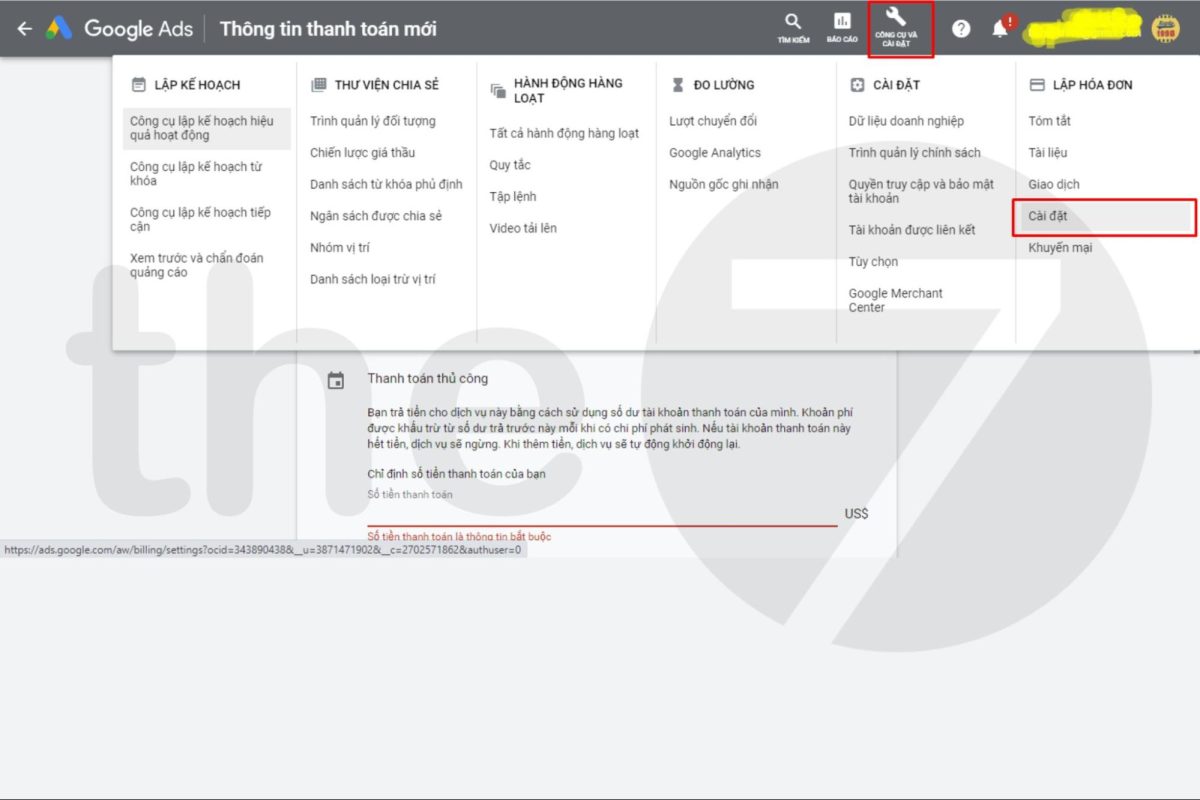
1. Access the card setup interface
- Log in to your Google Ads account.
- Click Tools and Settings.
- Under Tools & Settings, click Billing settings.
2. Add cardholder information
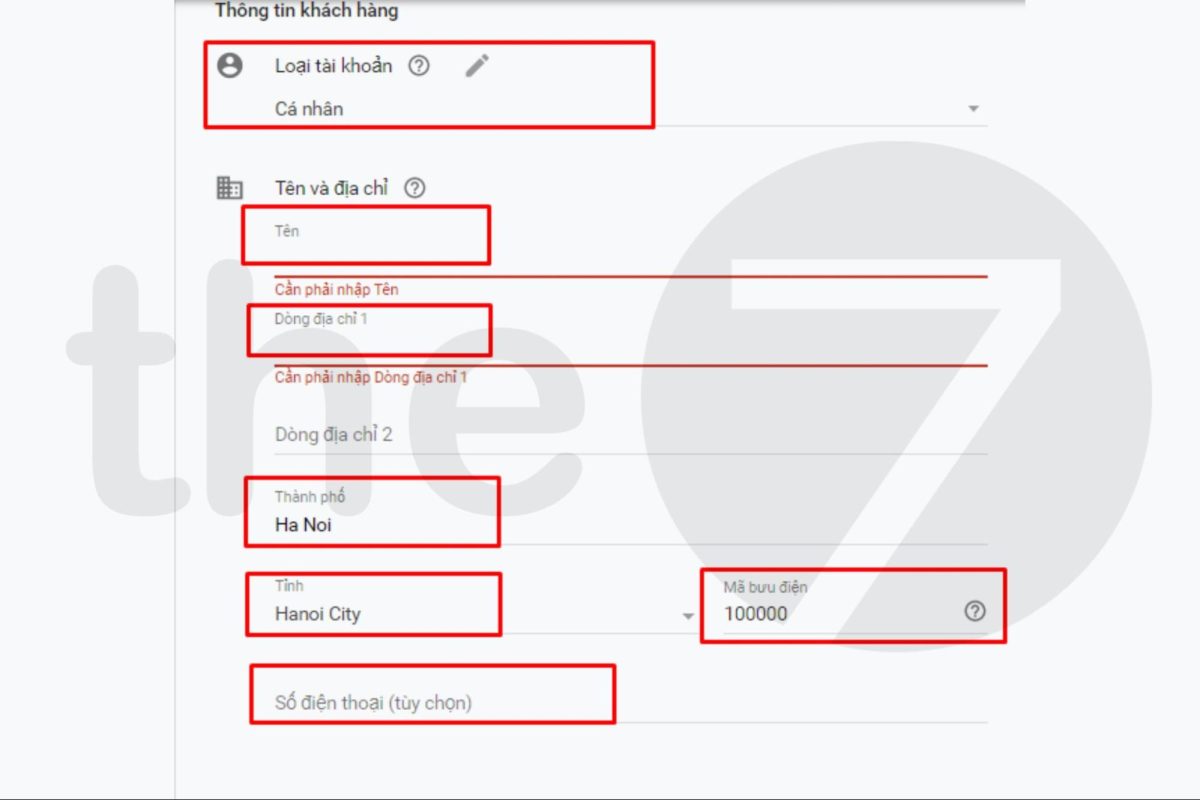
Select the country you’re running ads in and the corresponding currency. Then click Payment Profile, open the Create payment profile section, and fill in the following 4 pieces of information:
- Account Type: Choose Individual or Business depending on your needs.
- Name and address: Includes your business name, account holder name, and business address details.
- Primary contact: Includes the account holder’s personal information (full name, Gmail, phone number).
- How you pay: Enter the maximum budget you can afford; once ad spend exceeds this budget, the ad campaign will be paused.
3. Add a Visa card to run ads
After filling in your information, under Payment method, you’ll see that Google Ads offers two payment options: Visa card or Momo. Depending on your needs you can choose either one; here The7 will guide you through adding a card as your payment method, specifically:
- Step 1: Choose Add credit or debit card, then fill in 3 pieces of information: card number, expiration date printed on the card, and CVC (the 3-digit number on the back of the card).
- Step 2: Check I agree to the terms and click Submit to finish.
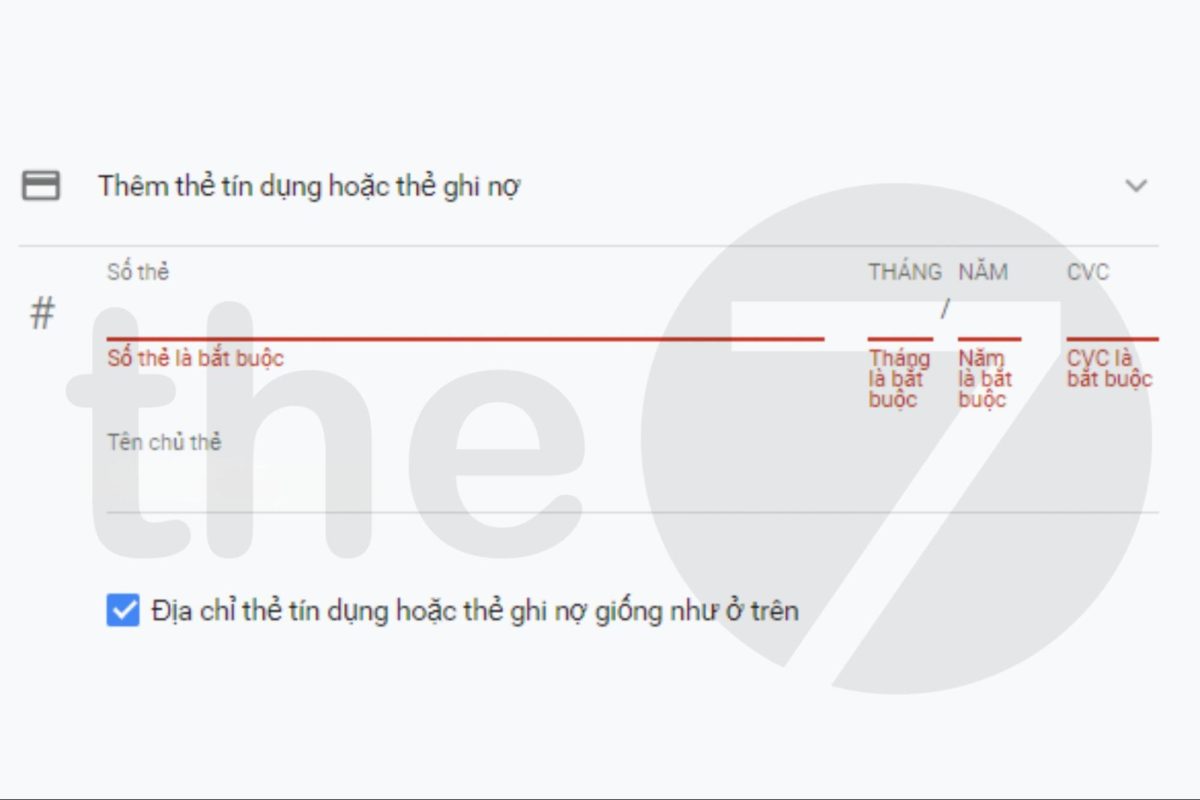
Note that to run Google Ads, you need a bank card with international payment capability. Some card types recommended by CEO Nguyen Dinh Bao include:
- Visa Debit card: Similar to a domestic ATM card, you must top up funds in advance before you can use it.
- Visa Credit card: A card with a pre-set credit limit determined by the bank; you can use this card first and pay later.
In addition, some banks that allow their cards to be used for running Google Ads and that you can trust include: Techcombank (TCB), Vietcombank (VCB), TP Bank, ACB, and others.
Step 3: Choose the Right Google Ads Objective and Campaign
Depending on your objective, you’ll choose the Google marketing campaign that fits. At this step, there are 6 common objective types in a Google Ads campaign, specifically:
- Sales: Drive online sales, in-app sales via phone, or in-store sales.
- Leads: Get leads and other conversions by encouraging customers to take action.
- Website traffic: Get the right people to visit your website.
- App promotion: Increase installs, engagement, and pre-registrations for your app.
- Awareness and consideration: Reach a broad audience and generate interest in your product or brand.
- Local promotions and store visits: Drive visits to local stores, including restaurants and other physical locations.
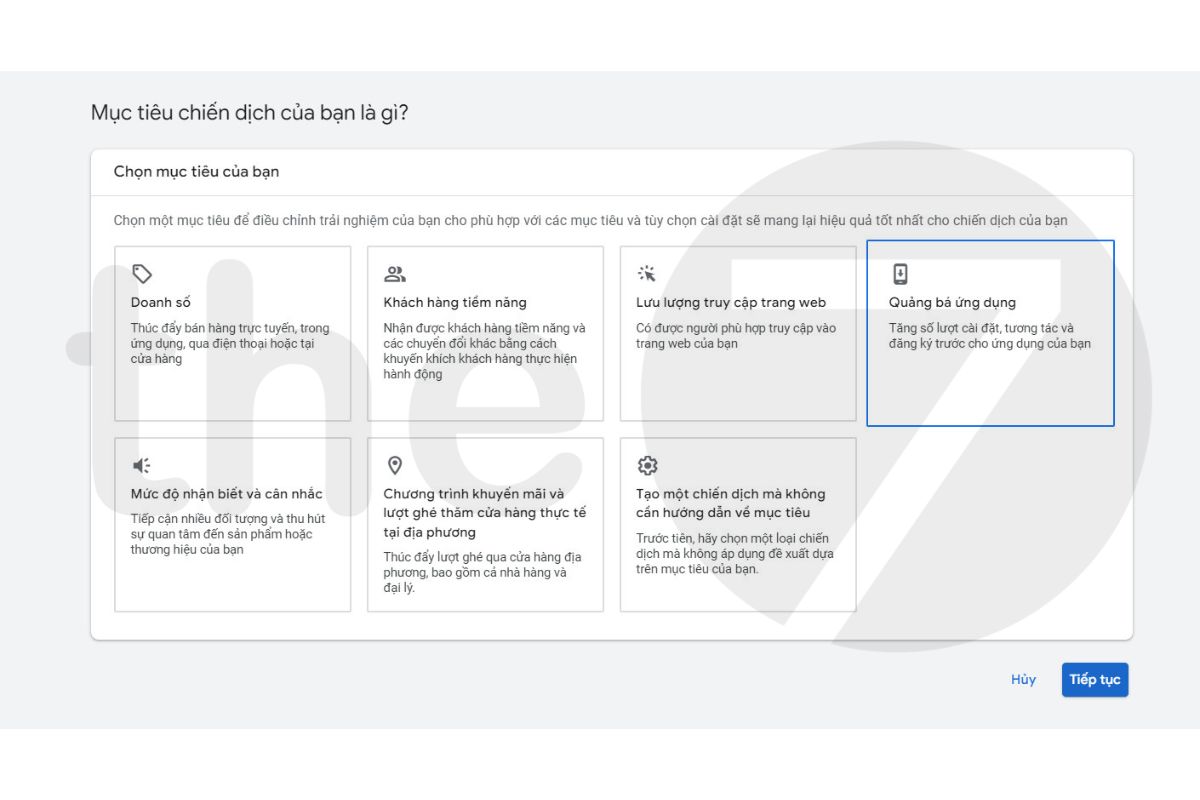
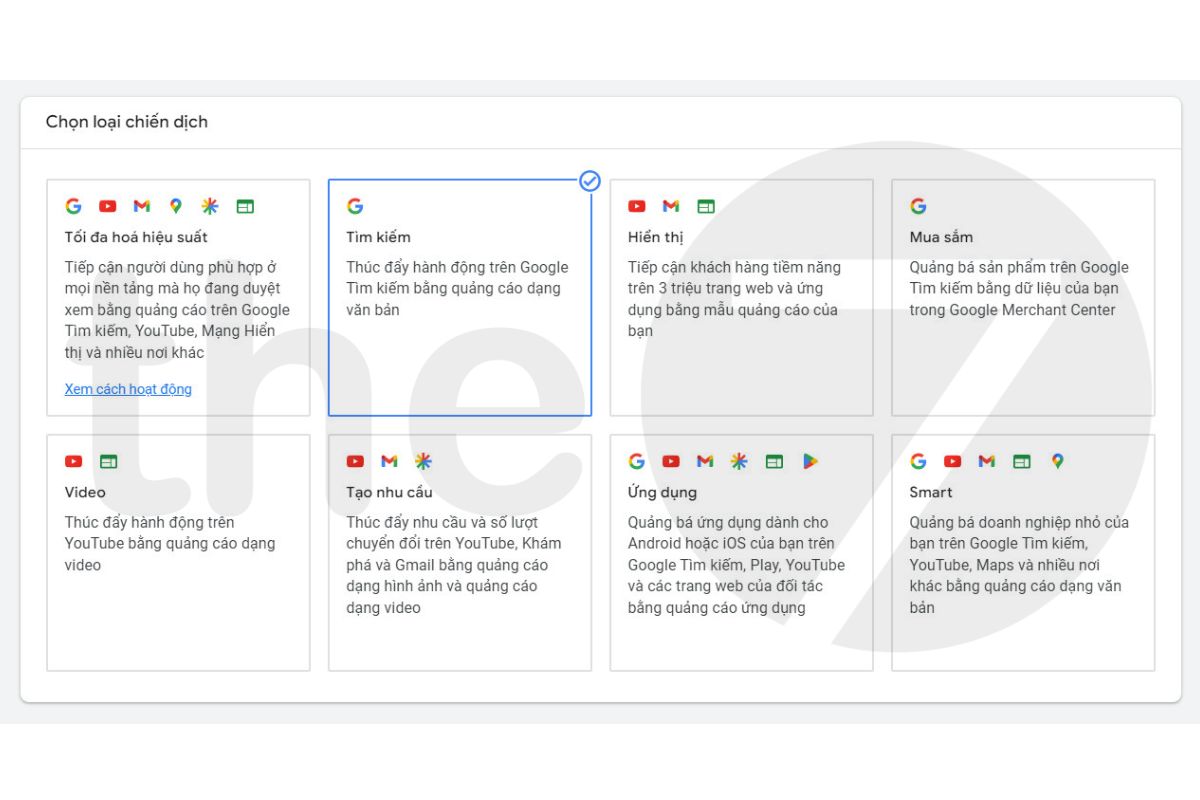
In addition, there’s also an objective type for creating a campaign without objective guidance:
- Maximize performance: Reach the right users across every platform they’re browsing with ads on Google Search, YouTube, the Display Network, and more.
- Search: Drive action on Google Search with text ads.
- Display: Reach potential customers across 3 million websites and apps with your ad creative.
- Shopping: Promote products on Google Search using your data in Google Merchant Center.
- Video: Drive action on YouTube with video ads.
- Demand Gen: Drive demand and conversions on YouTube, Discover, and Gmail with image and video ads.
- App: Promote your Android or iOS app on Google Search, Play, YouTube, and partner websites with app ads.
- Smart: Promote your small business on Google Search, YouTube, Maps, and more with text ads.
Step 4: Build a Smart Ad Campaign
After setting up your Google Ads templates, follow these 3 tips for an effective campaign:
- Create at least 3 ad variations per ad group: With 3 ad variations, Google will automatically select the most relevant ad for a customer’s query based on click-through and conversion data.
- Add multiple extensions: Google offers advertisers a wide range of extensions (sitelink extensions, callout extensions, call extensions, location extensions, and more). Depending on your campaign objective, you can choose the right extensions to boost your ad’s performance and quality.
- Test and optimize continuously: Continuously and regularly improve your ad quality, content, and bids if you want to boost your competitiveness in the auction and get more impressions.
Step 5: Optimize Your Google Ads Ad Rank
Ad Rank is Google’s ranking score for ads – the higher your Ad Rank, the lower your bid can be and the more impressions you’ll get. To improve your quality score, do the following:
- Design and write an SEO-friendly, user-friendly landing page.
- Create engaging Google Ads copy (title with keywords, an appealing offer, and a compelling description).
Doing this can help you save up to 40% of your budget by optimizing your landing page’s quality score. As Google has stated: even if your competitor bids higher than you, you can still achieve a higher position with a lower bid by optimizing your keywords and running highly relevant ads.
Step 6: Diversify Objectives & Optimize Your Google Ads Creative
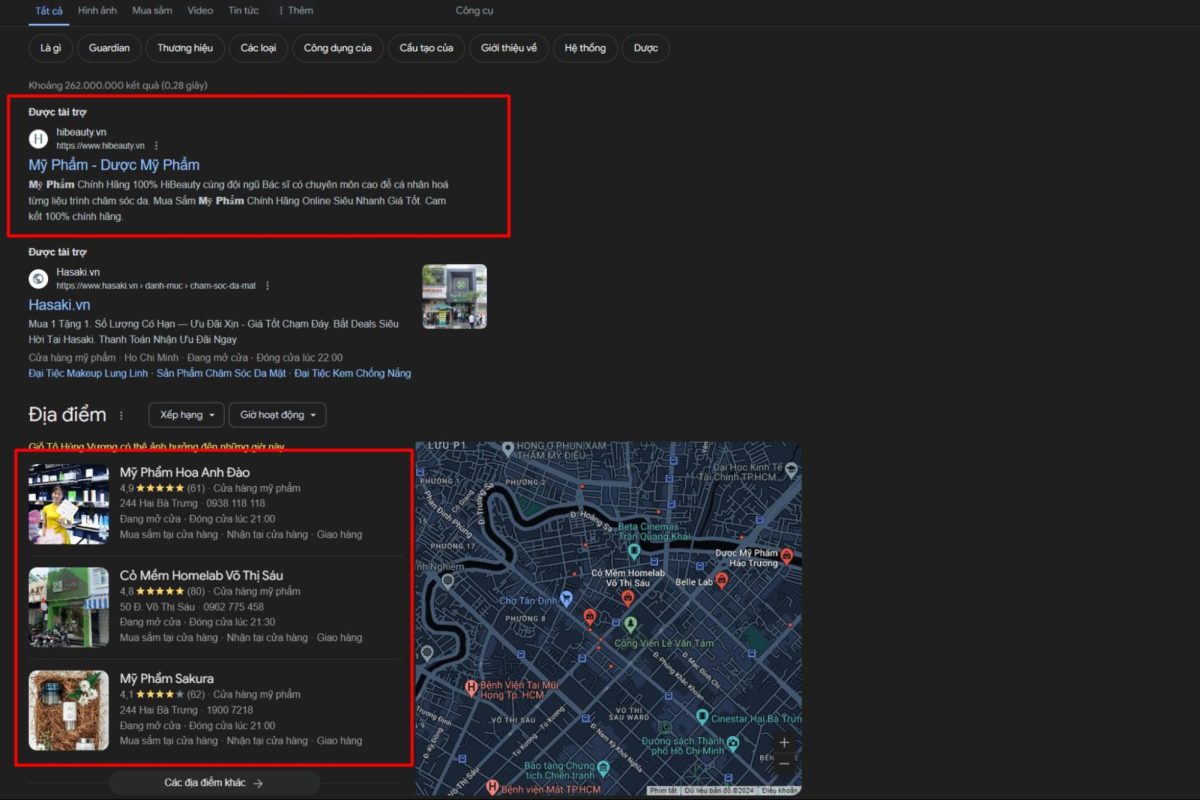
Flexibly combine different Google Ads formats. For example, if you have an offline store and an e-commerce website running Google Shopping, you can also combine it with a Google Maps ad campaign to boost both store visits and offline purchases at the same time.
Additionally, for your ad creative, choose the right keywords, write to match user intent, build an SEO-friendly landing page, optimize your ad messaging, and add appealing offers – all of which will effectively increase your brand awareness and boost your conversion rate.
The article above from The7 has given you all the information you need to run a Google Ads campaign. If you have any questions or need a reputable agency to run Google Ads for you, contact The7 today for a free consultation.

Nguyễn Đình
Bảo




As CEO of The7, I am committed to sharing practical, useful knowledge with every reader. Every article on The7 is based on my 7 years of hands-on experience in marketing — Facebook advertising, LinkedIn advertising, Google advertising, and marketing strategy. I hope you take away plenty of insight from these posts and apply it successfully in practice.
Related Articles
How to Run Effective Gmail Ads for Your Business
One of the advertising formats attracting the attention of many business owners is Gmail advertising. So how do you run effective Gmail ads? Let The7 walk you through this fresh...
What Are Google Smart Campaigns? Tips to Drive High Traffic
Google Smart Campaigns are one of the ways advertisers can access advertising information and digital marketing techniques faster. If you have just started a small business, keeping track of your...
What Card Should You Use to Pay for Google Ads in 2024?
Which card to use to pay for Google Ads is a common question among people who are new to Google Ads campaigns. So which card is best for paying for...

How to Link Google Analytics With Google Ads in 2024
To run Google Ads effectively, you need to do more than just launch campaigns. You also have to analyze and evaluate the performance of each campaign through its metrics. So...
How to Add Sitelink Extensions in Google Ads (2024 Guide)
Sitelink extensions let your ads give customers more information. They also make each ad stand out more than your competitors’ ads. This gives your Google Ads extensions a Quality Score...
SEO vs. Google AdWords Advertising: Which Campaign Should You Choose?
SEO and Google AdWords are both powerful forms of online marketing. With competition on the digital market growing fiercer by the day, comparing SEO and Google AdWords to decide which...