


Cocoon: The “Metamorphosis” Marketing Strategy of Vietnam’s Vegan Cosmetics Brand
Cocoon’s marketing strategy is not simply a story about “vegan” products, but also an inspiring journey in brand building. Through meaningful messages, creative campaigns, and deep connections with the community, Cocoon has created a unique and distinctive mark.
Since its launch, Cocoon has quickly become a vegan cosmetics phenomenon in the Vietnamese market. To create a major impact, attract customers, and strengthen brand recognition, the brand has rolled out subtle and effective marketing strategies. In this article, The7 will explore Cocoon’s remarkable marketing journey with you and how this brand has won over the hearts of Vietnamese consumers.
Getting to Know Cocoon
Discovering the Cocoon Cosmetics Brand
Riding the strong growth trend of vegan cosmetics, Cocoon – a “100% Vietnamese, 100% vegan” brand – has quickly become a phenomenon in the Vietnamese cosmetics market, especially in the vegan cosmetics segment.
Founded in 2013, Cocoon – meaning “the cocoon” – was established with the mission of providing skin and hair care products for Vietnamese people. The brand hopes to help everyone become radiant, confident, and shine in their own way, much like the process of a cocoon nurturing a caterpillar until it becomes a magnificent butterfly.

Cocoon has won the hearts of Vietnamese consumers thanks to the distinctly Vietnamese spirit in every product. The brand continuously launches 100% vegan product lines made from Vietnam’s abundant natural ingredients, such as Đắk Lắk coffee, Cao Bằng roses, Bến Tre coconut oil, Tiền Giang cacao butter, winter melon, and pennywort. In addition, the quality and effectiveness of Cocoon’s products are the decisive factors helping the brand maintain a solid position and keep growing in a cosmetics market with fierce competition from both domestic and international brands. The brand’s production process strictly meets the CGMP criteria set by the Ministry of Health, with a commitment to transparency and clarity from the brand.
Cocoon’s Target Customers
Cocoon’s main customers are primarily women aged 18 to 25 who love nature and prioritize using products made from natural, safe, and pure ingredients.
Cocoon’s Competitors
Cocoon is facing fierce competition from a host of renowned brands such as L’Oréal Paris, Lancôme, Shiseido, Olay, Clinique, Kiehl’s, The Face Shop, La Roche-Posay, Hada Labo, Neutrogena, and Innisfree.
However, what makes Cocoon shine and achieve rapid success is precisely its subtle and creative marketing strategy. So what marketing strategies has the brand deployed to stand out in this “ocean” of competitors? What results has it achieved? What can new brands in the cosmetics industry learn from Cocoon’s marketing strategy? Join The7 in exploring further in the next section to uncover these secrets to success.
Cocoon’s Marketing Mix Strategy Under the 4P Model
In addition to the creative marketing strategies mentioned above, Cocoon’s success is also built on the solid foundation of a marketing mix strategy following the 4P model.
Product Strategy
Cocoon’s success stems from its keen ability to grasp global beauty trends, especially the vegan and cruelty-free trend. This has created a standout difference for the brand in the domestic cosmetics market.
The Cocoon brand proudly claims to be entirely “made in Vietnam”, using 100% domestic natural ingredients. Its commitment to avoiding harmful substances and protecting skin health is a major plus for consumers. Every product from this brand is thoroughly researched and tested, ensuring full compliance with the standards of Vietnam’s Ministry of Health.
Beyond superior quality, the brand also focuses on refined, user-friendly packaging design. Listening to and taking on board customer feedback has helped the brand continuously improve its packaging to become more suitable and user-friendly.
Pricing Strategy
Cocoon applies a reasonable pricing strategy, with prices ranging from VND 160,000 to VND 260,000, making the brand’s products easily accessible to a diverse range of customer segments, from students to working professionals.
Distribution Strategy
Cocoon is strongly expanding its distribution network to bring products to consumers as conveniently as possible. The brand is currently present at more than 300 cosmetics retail points nationwide, including prominent chains such as Watsons, Sammi Shop, Coco Lux, and Hasaki.

Alongside its traditional distribution system, the brand is also expanding strongly on online platforms, through its official websites cocoonvietnam.com and myphamthuanchay.com, as well as its presence on major e-commerce platforms such as Lazada and Shopee.
Promotion Strategy
In the Vietnamese cosmetics market, Cocoon stands out with a promotion strategy that inspires positivity while focusing on sustainability and community. The 2020 “Discover Vietnam” campaign, even while the brand was still new, achieved brilliant success with a minigame format, in which each product was paired with a signature ingredient from a different region of Vietnam.
The brand has also proactively rolled out environmental protection programs such as “Trade In Old Bottles for New Products” and the “Growing Trees from Cocoon’s Old Plastic Jars” campaign for Earth Day 2020. Standout advertising campaigns such as “Discover Vietnam” and “Queen,” in collaboration with female rapper Suboi, created major buzz within the consumer community.
In short, Cocoon’s 4P marketing strategy has focused heavily on product and distribution, helping the brand rapidly win over millions of customers in a short period of time.
6 Outstanding Marketing Strategies of Cocoon
To achieve its current impressive success, Cocoon has implemented a series of subtle and breakthrough marketing strategies, including:
Harnessing the Power of Social Media
The brand has skillfully leveraged the power of social media to spread its message. The “Discover Vietnam” campaign in August 2020, with an engaging minigame, gave users the chance to discover local ingredients and receive gifts, helping the brand attract strong attention and engagement from the community.
Partnering With Influencers to Expand Its Reach
By partnering with beauty bloggers and influencers such as Trinh Phạm, Đào Bá Lộc, and female rapper Suboi, Cocoon has built trust and created a lasting impression among consumers, boosting the brand’s presence and influence.

Affirming Vietnamese Identity
The brand stands out for its use of signature Vietnamese natural ingredients, from pennywort to Đắk Lắk coffee, creating a strong, proud brand identity that reflects the essence of Vietnamese culture and nature.

Building an Environmentally Friendly Image
From its earliest days, Cocoon has been closely tied to an image of sustainability and environmental protection. Campaigns such as collecting used batteries and refill stations have affirmed the brand’s commitment to reducing waste and protecting the planet.
Making Positive Contributions Through CSR Activities
Cocoon focuses not only on its products but also actively participates in community activities. The brand has received Cruelty-Free certification and carries out numerous social support programs, from animal protection to scholarships for the LGBTQ+ community.
Leading the Way in Animal Protection
Cocoon has affirmed its commitment to animal protection through programs such as “Join Hands to Protect Bears” and rescuing stray cats and dogs, demonstrating the brand’s pioneering role in Vietnam’s vegan cosmetics industry.
These strategies have helped Cocoon build a strong brand and leave a lasting impression on customers, while also making a positive contribution to the community and the environment.
Conclusion
Cocoon has achieved brilliant success thanks to its refined product, pricing, and distribution strategies, propelling the brand forward in a short period of time. At the same time, its focus on sustainability in its communication strategy has made a strong impression on consumers. However, its current CSR activities are still not well coordinated. To increase its impact and consistency, the brand should consider building a more comprehensive CSR strategy in the future.
>> See more: SKIN1004: Professionally Handling a Crisis to Win Back Consumer Trust
By Chang NT.
Source MarketingAI

Nguyễn Đình
Bảo




As CEO of The7, I am committed to sharing practical, useful knowledge with every reader. Every article on The7 is based on my 7 years of hands-on experience in marketing — Facebook advertising, LinkedIn advertising, Google advertising, and marketing strategy. I hope you take away plenty of insight from these posts and apply it successfully in practice.
Related Articles
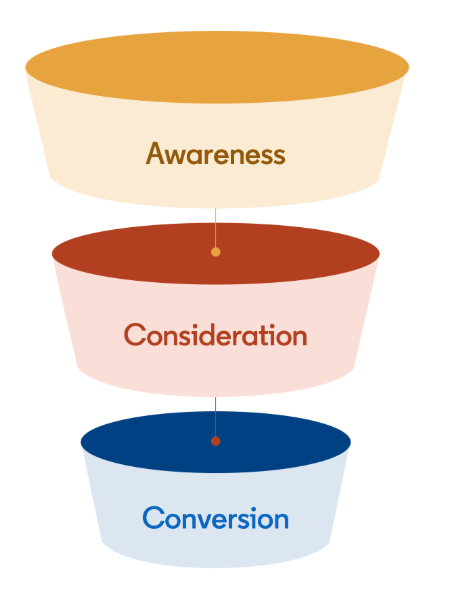
Building a Full-Funnel Content Marketing Strategy on LinkedIn
Table of Contents Toggle Why Build Content Marketing for the Full Marketing Funnel? (Why Full-Funnel Content Marketing?)Creating Your Strategy (Creating Your Strategy)Implementing Your Content Strategy (Rolling out your content strategy)Summary...
Designing Creative Content for LinkedIn
Table of Contents Toggle Why Is Good Creative Content So Important? (Why is Good Creative Important?)Key Components of Creative Design (the core elements of creative design)Summary (summary) Why Is Good...
Building an Organic Business Presence on LinkedIn With a LinkedIn Page
Table of Contents Toggle Why Have a LinkedIn Page?Establishing Your LinkedIn PageKeeping Your LinkedIn Page ActiveThe Measure of SuccessSummary About LinkedIn Page (Summary) Why Have a LinkedIn Page? For a...

6 Best LinkedIn Marketing Strategies for B2B in 2026
Table of Contents Toggle LinkedIn 2026: Where B2B Decisions Get MadeStrategy #1 – Why Is LinkedIn the Best B2B Marketing Channel Today?1. Decision-makers are concentrated here2. Users are in work...

7 Social Media Trends for 2026: The Era of Real Value, Real Conversion, and Real People
Table of Contents Toggle Social media is entering the biggest restructuring of the decadeTrend 1: Why is buying directly in-app becoming the new standard for 2026? (On-Platform Conversion)What should businesses...

What Is TikTok Marketing? Effective TikTok Marketing Strategies
TikTok has been topping the global rankings of the most downloaded and most visited apps. That makes it a gold mine for marketers who love creativity. In this article, The7...