


What Is a Communications Strategy? How to Build an Effective One in 2024

A communications strategy plays a key role in raising customer awareness of a business’s products, services, and brand image. But what exactly is a communications strategy, and how do you build one that works? Find out in this article from The7.
>>>> Explore The7’s service: Marketing Consulting
1. What Is a Communications Strategy?
A communications strategy is a series of activities that share information about a business’s new products or services before they launch in the market. Its goal is to build and strengthen the brand image while making the product feel familiar and appealing to customers. In this way, a communications strategy not only motivates customers to buy from the business but also helps optimize business performance.
2. Key Components of a Communications Strategy
A communications strategy can be divided into two main parts:
- Content Strategy
This part is based on the product’s positioning and the standout features that set it apart from competitors. The business delivers this message to customers to persuade them to use the product or service. The message can be conveyed through product packaging, images, audio, ad designs, and more.

- Media Strategy
Once the message and content are ready, the business needs to choose the right media channels to reach the right target audience, deliver results, and keep costs down.
This process includes these key steps:
Identify the target audience: Pinpoint exactly who the communications campaign is meant to reach.
Set communications goals: Define specific goals, such as reach and the number of engagements needed for customers to remember and form an impression of the product and message.
Research the target audience’s media habits: Find out which media channels customers use most often, what content they consume, and when.
Define the market and placements: Recommend where and when to advertise for the best performance.
Monitor, update, and evaluate results: Continuously track and assess the performance of your communications activities so you can adjust quickly and keep up with market needs.
3. Benefits of a Communications Strategy
Building an effective marketing communications strategy brings a business several important benefits:
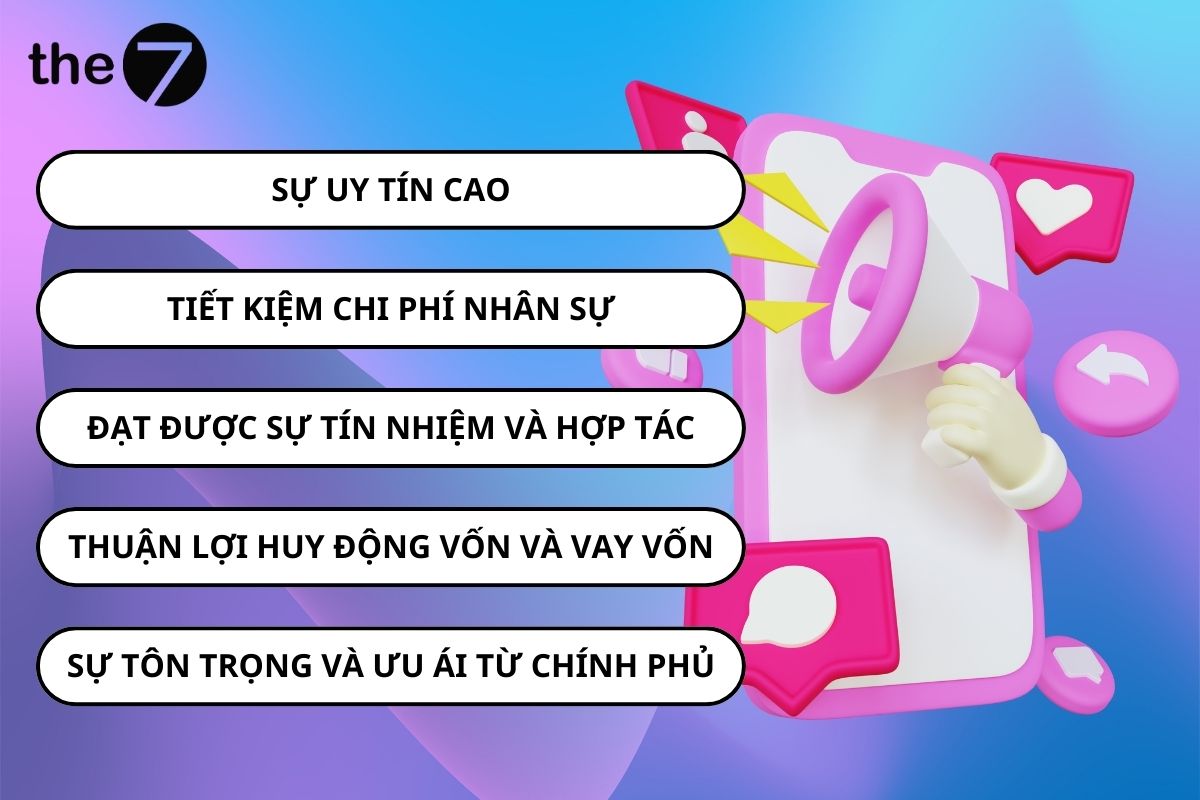
- Strong Credibility and Lower Staffing Costs
A strong communications strategy reinforces a business’s credibility and attracts high-quality talent without a big recruitment budget. Quality candidates are drawn to a positive image, which in turn boosts the business’s appeal.
- Easier Trust and Partnerships
An effective communications strategy builds trust among the community, partners, and customers. That trust is the foundation for lasting partnerships and long-term customer relationships.
- Easier Fundraising and Borrowing
A business with strong credibility is held in higher regard in the business community. This makes it easier to raise capital from investors or borrow from banks.
- Respect and Favorable Treatment From the Government
Strong credibility built through a well-structured communications strategy can earn a business the government’s respect and favor. When a business has a positive impact on the community and the economy, it can benefit from government policies and support.
4. Common Types of Communications Strategy
Businesses have plenty of media options for making their products and services feel closer to customers.
4.1 Direct Communication
Direct communication, also known as personal communication, is a communications strategy in which a company’s staff meet or interact with customers face to face. It usually takes place at points of sale, product showrooms, or through phone-based service centers. This approach requires staff to draw on their experience and communication skills to convey the message about a product or service fully and persuasively.
Although it takes a lot of time and effort, it has a major advantage: it creates a closer connection between the business and its customers. Through direct communication, a business gets the chance to reach customers and better understand their wants, needs, and buying behavior, which helps it build a more effective communications strategy next time.

4.2 Indirect Communication
Indirect communication, also known as impersonal communication, is a communications strategy that promotes a product or service through intermediary channels such as Facebook, websites, e-commerce platforms, posters, banners, flyers, and more.
Indirect communication is becoming increasingly popular because it helps businesses optimize costs and save time compared with dealing with customers in person. However, competition among brands in this space is very high.
Businesses often have to invest heavily in ad content on media such as television, newspapers, and posters to feel closer to customers. Even so, this doesn’t always guarantee strong results for the business’s communications strategy.

5. How to Build a Communications Strategy That Reaches Millions
To help a brand go further, businesses need to master the steps below for building a communications strategy.
Step 1: Identify Your Target Customer Segments
Before building a communications strategy, a business needs to pinpoint its potential and existing customer segments, and who actually makes the decision to buy its products or services. This makes it easier to roll out marketing strategies.
You should also analyze in detail how customer segments differ based on factors such as demographics, interests, needs, psychology, and lifestyle. The more specific you are about your target customers, the more effective your communications message and approach will be.

Step 2: Define Your Communications Message
The communications message is the key element that communications professionals want to send to customers to influence them and sustain a change in their perceptions and behavior. Developing the message lets a business choose which position will have the strongest impact on customers’ minds.
With customers facing a flood of information every day, building a distinctive brand positioning helps a business leave a deep, unforgettable impression in their minds.

Step 3: Plan, Implement & Measure
Next, a business needs to keep analyzing and answering the key questions that shape its communications strategy:
- What goal does the communications strategy aim to achieve with customers?
A business needs to be clear about the specific goal behind its communications strategy, whether that’s raising brand awareness, increasing sales, or building relationships with customers.
- Is the message persuasive enough to make customers act?
Make sure the message is not only clear and accurate but also memorable and engaging for customers.
- Which suits the target audience better: traditional or modern methods?
Decide whether the strategy should combine both traditional and modern methods to get the best performance.
- Should you choose paid or free marketing?
Decide whether paid advertising or unpaid marketing is a better fit for the business’s specific goals.
- Which social media communications strategy will deliver the best results?
Choose the social media platforms that match your customer audience to maximize the impact of your communications strategy.
Once the strategy is live, evaluating its results is the final step you can’t skip. A business should analyze data and customer feedback to assess the campaign and adjust where needed, so the strategy stays aligned and effective.

6. Communications Strategy Ideas for a Brand-New Product
The communications strategies below will help you create engaging content that promotes your new product and draws in customers.
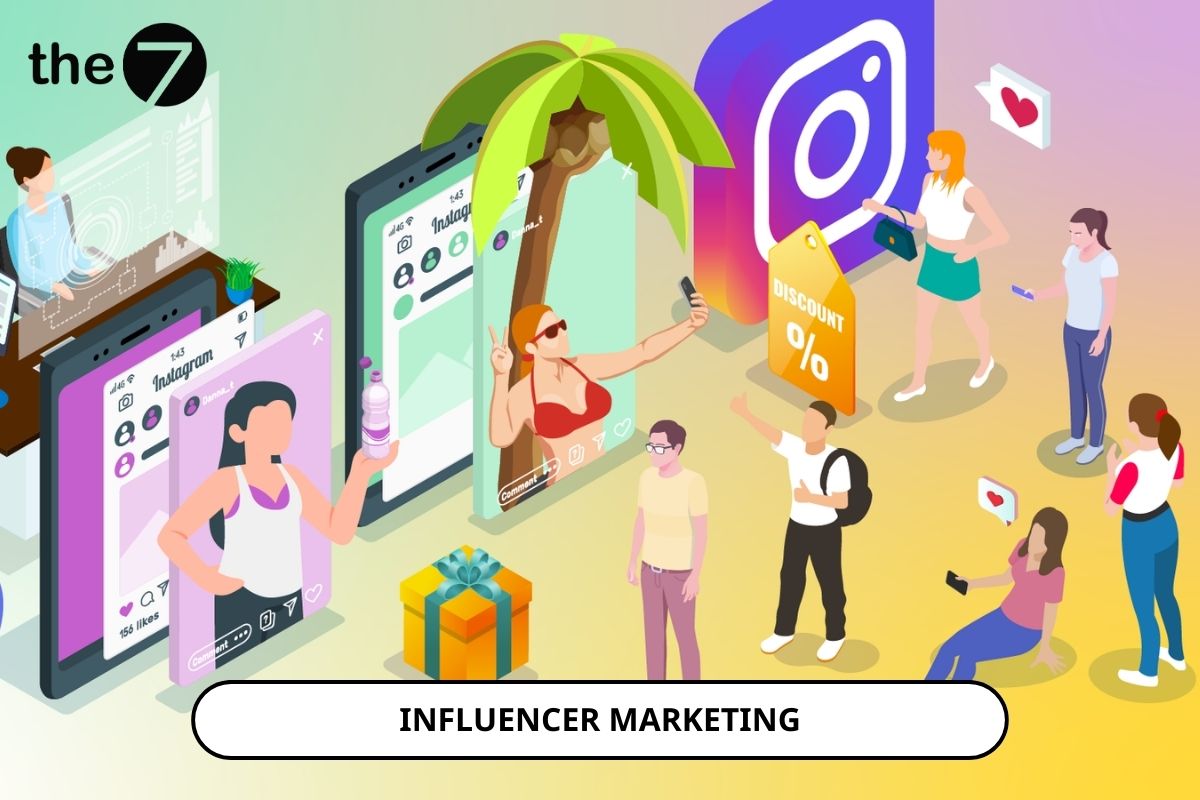
6.1 Influencer Marketing
An influencer marketing strategy leverages individuals who have influence on social media platforms to promote products and services. Their posts deliver the product message naturally, boost credibility, and sway their followers on platforms such as Facebook, Instagram, TikTok, YouTube, and more.
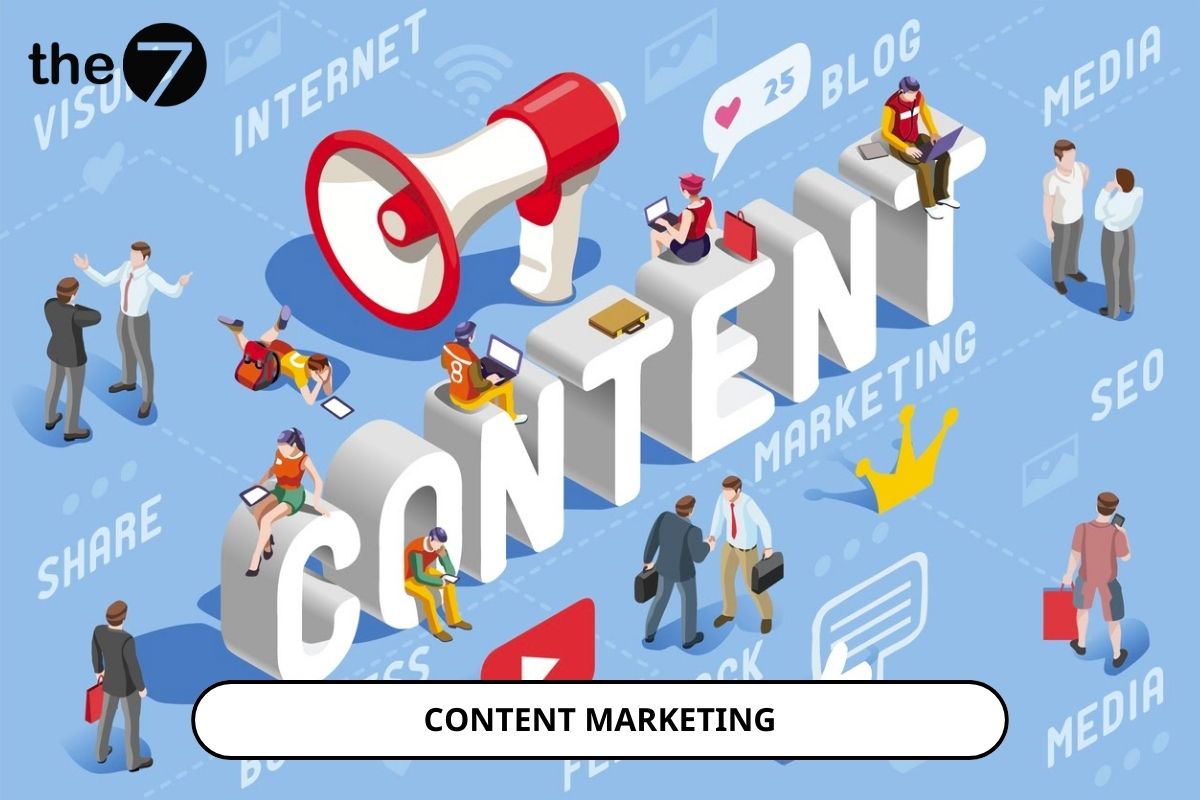
6.2 Content Marketing
Content marketing is an important communications strategy for introducing products on digital platforms. This approach focuses on producing high-quality, engaging content on topics aimed at your potential customers.
Content can include articles, images, or videos created to share valuable information and capture customers’ attention. When customers are interested in a product or search for related information, the content your business has created shows up and gives them what they need.
6.3 Social Media Advertising
Use ads on online platforms such as Google Ads, Facebook, Instagram, YouTube, TikTok, and more to expand your product’s reach and brand awareness. Ads can be designed as images, videos, banners, or sponsored posts, depending on the business’s choices and strategy.

6.4 Livestream
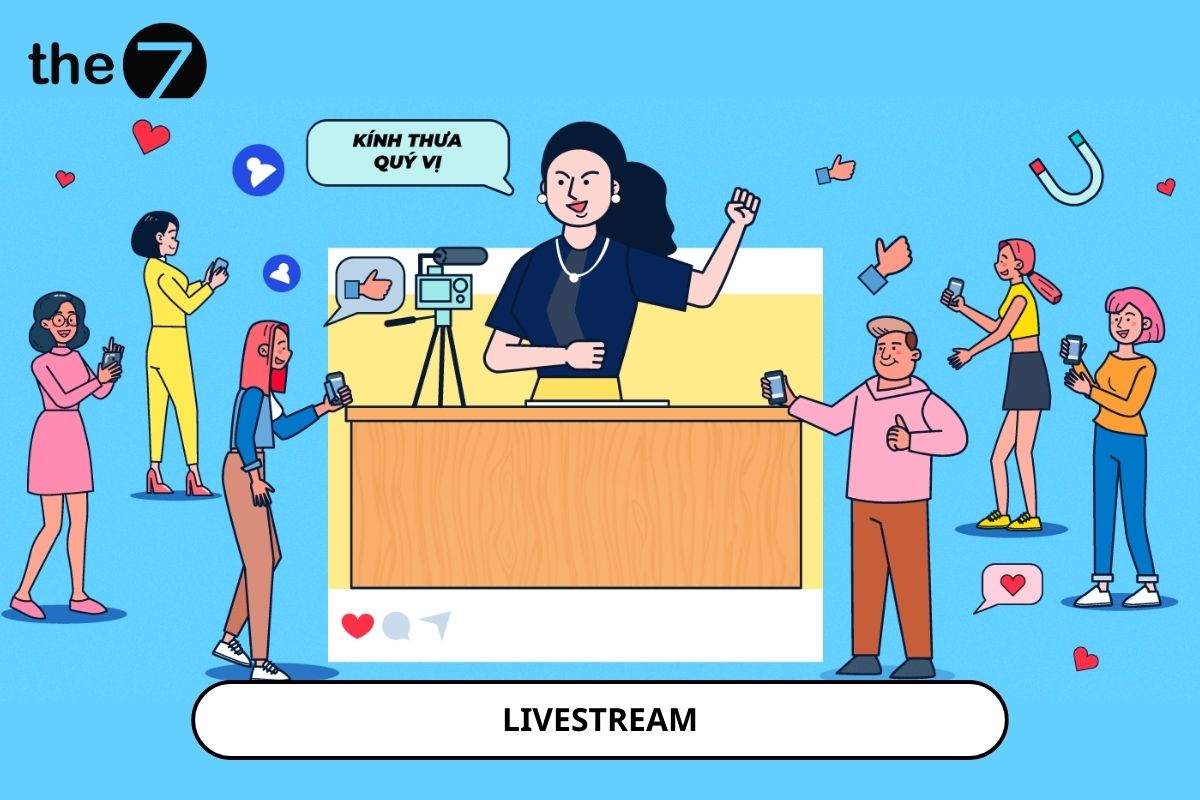
Livestreaming on social media is an effective way to introduce a new product and engage with customers in real time. It helps businesses build stronger relationships and answer customers’ questions immediately. To succeed with this strategy, though, the livestreamer needs to speak fluently and have excellent communication and situational-handling skills.
6.5 Website Chatbot
Today, integrating a chatbot directly into your website lets you respond quickly to customers’ needs and questions without human intervention. This improves the customer experience and gives you the flexibility to provide detailed product information.

6.6 Using AR or VR
A communications strategy that uses AR/VR technology is a distinctive way to create special interactive experiences for customers in a virtual environment. Customers don’t just look at your product; they experience and explore it fully and vividly through virtual interactions.

7. Communications Strategy Case Studies From Major Brands
7.1 Airbnb Marketing
Airbnb, a well-known startup that connects people who have a spare home or apartment with people who want to rent one, has built a distinctive communications strategy in the travel industry. Airbnb doesn’t just offer a place to stay. It also built a platform that connects to a community through social media, giving travelers the chance to experience everyday local life instead of the traditional hotel stay.
Airbnb chose a communications strategy aimed at increasing brand awareness and getting users excited about its service. That difference shows not only in the accommodation it offers but also in the way users share their own experiences.

7.2 PayPal Marketing
PayPal, the financial services company, went through several communications strategies before finding the right approach to spread its brand effectively to a broad base of consumers.
PayPal’s communications strategy paid people to sign up, creating a strong incentive for customers. Specifically, for every sign-up, the company paid the customer $20. And when a customer successfully invited the next person to join, they earned another $20 bonus.
The campaign delivered positive results, with the number of customers rising every day. After keeping the strategy going for a while, once it had a stable customer base, the company decided to lower the bonus, first to $10 and then to $5.

7.3 Groove Marketing
In 2013, Groove faced a major challenge when its customer churn rate reached 4.5%. At the same time, new users of the service had no particular incentive to stay, and often used it once and then quit. This situation pushed management to propose a strong communications strategy to drive revenue growth.
The company rolled out a growth strategy to quickly bring churn down to 1.6%. By reviewing its data, it focused on two main groups: second-time users and customers who had already left. Market research was conducted to understand consumer behavior in each group, so the company could send supportive emails to increase engagement and bring them back to the product.
7.4 Dropbox
Dropbox chose to promote its product through social networks such as Facebook and Twitter. Under this strategy, every time a customer shared about the brand, they received extra storage space. To encourage a surge in sign-ups in a short period, Dropbox also rewarded new users with 500MB. This strategy not only boosted brand awareness but also motivated the user community to join in and share their experiences.

7.5 PicMonkey
PicMonkey stands out for a product that offers many graphic designs and photo-editing tools, delivering a simple, easy-to-use experience. Its freemium model is an effective marketing strategy.
Users can use the standard filters and features for free. Meanwhile, a plan priced at $4.99 per month lets them try premium filters and other advanced features. This model not only attracts new users but also drives conversion to the paid plan, helping PicMonkey sustain and grow its business model.

7.6 Shopee
In its influencer marketing strategy, Shopee in Vietnam showed real savvy by choosing brand ambassadors with major influence to strengthen its brand image. Sơn Tùng MTP, Ronaldo, and Blackpink all have large, loyal fan bases.
Leveraging the strength of its brand image, Shopee has partnered with many influencers to run successful sale campaigns, generating interest and engagement from the user community. This strategy not only drives sales but also builds awareness and a strong connection with the target audience.

7.7 Vinamilk
Vinamilk’s communications strategies have helped the company stay competitive and keep customers’ trust, while contributing to its success and strong position in the market.
- Vinamilk keeps improving product quality to meet customer needs
- Uses modern media to reach customers
- Builds a reliable, memorable brand
- Builds strong, lasting relationships with customers

7.8 Vingroup
Vingroup builds a strong strategy by focusing on its brand and inspiring stories, especially a credible image built around the story of Mr. Phạm Nhật Vượng. It also concentrates on customer and community relations, building close ties with customers by listening to and meeting their needs and contributing positively to the community. Its internal communications strategy is also highly regarded, helping convey the group’s core values and development direction to customers while strengthening Vingroup’s position in the market.

8. What Can SMEs Learn From Building a Communications Strategy?
A communications strategy is a key element for startups and SMEs launching new products. Building a specific, well-structured strategy that combines short-term and long-term thinking helps businesses evaluate and plan their market effectively. For small and medium-sized businesses, a communications strategy becomes a matter of survival, helping optimize customer reach and build a stable market.
A close alignment between marketing and sales strategy matters. Marketing builds the image and distinctive character of the product and brand, bringing them closer to specific customer groups. Sales, meanwhile, drives direct outreach and brings in revenue by presenting and selling the product. The partnership between marketing and sales is the key for SMEs to succeed in both communications and selling.
A creative, polished communications strategy not only helps a business convey its message effectively but also shapes its image and credibility in the minds of customers and the community. Building a well-structured communications strategy, with a clear message, clear goals, and a clear process for reaching the community, is the key to keeping a project organized and successful. In this way, a business can maximize the potential of its communications strategy, whether the project is big or small, formal or informal.

Nguyễn Đình
Bảo




As CEO of The7, I am committed to sharing practical, useful knowledge with every reader. Every article on The7 is based on my 7 years of hands-on experience in marketing — Facebook advertising, LinkedIn advertising, Google advertising, and marketing strategy. I hope you take away plenty of insight from these posts and apply it successfully in practice.
Related Articles
Building a Full-Funnel Content Marketing Strategy on LinkedIn
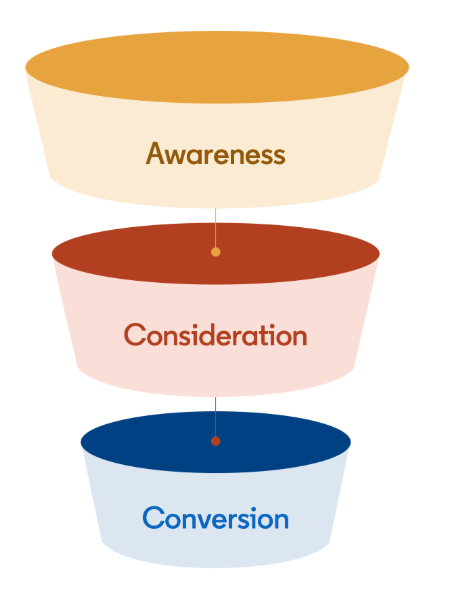
Table of Contents Toggle Why Build Content Marketing for the Full Marketing Funnel? (Why Full-Funnel Content Marketing?)Creating Your Strategy (Creating Your Strategy)Implementing Your Content Strategy (Rolling out your content strategy)Summary...

Designing Creative Content for LinkedIn
Table of Contents Toggle Why Is Good Creative Content So Important? (Why is Good Creative Important?)Key Components of Creative Design (the core elements of creative design)Summary (summary) Why Is Good...

Building an Organic Business Presence on LinkedIn With a LinkedIn Page
Table of Contents Toggle Why Have a LinkedIn Page?Establishing Your LinkedIn PageKeeping Your LinkedIn Page ActiveThe Measure of SuccessSummary About LinkedIn Page (Summary) Why Have a LinkedIn Page? For a...
6 Best LinkedIn Marketing Strategies for B2B in 2026
Table of Contents Toggle LinkedIn 2026: Where B2B Decisions Get MadeStrategy #1 – Why Is LinkedIn the Best B2B Marketing Channel Today?1. Decision-makers are concentrated here2. Users are in work...

7 Social Media Trends for 2026: The Era of Real Value, Real Conversion, and Real People
Table of Contents Toggle Social media is entering the biggest restructuring of the decadeTrend 1: Why is buying directly in-app becoming the new standard for 2026? (On-Platform Conversion)What should businesses...

What Is TikTok Marketing? Effective TikTok Marketing Strategies
TikTok has been topping the global rankings of the most downloaded and most visited apps. That makes it a gold mine for marketers who love creativity. In this article, The7...