


Solo but Not Lonely: Vietnam’s Rise of Solo Dining in F&B

The solo-dining trend — “hotpot for one,” “lonely noodles,” or “self-dates” — is becoming a popular movement among young Vietnamese people, opening up major opportunities for the F&B industry. More and more young people confidently enjoy meals alone at restaurants and eateries, with no need for company, driving a shift in F&B business models. However, this also poses a real challenge for brands in balancing individual customer experience with operating-cost efficiency. To succeed, F&B businesses need to be creative in offering unique dining spaces that feel comfortable and private, while still staying cost-effective.
From Trend to Movement: How the F&B Industry Is Riding the Solo-Dining Wave
In recent years, eating at restaurants is no longer reserved for gatherings with friends or family. Among young people, the trend of eating alone has become increasingly common. No longer seen as a symbol of loneliness, solo meals are now viewed as personal “me time,” letting young people enjoy freedom and privacy. Kieu Trinh, a young woman in Hanoi, shares that eating alone doesn’t just bring comfort — it also lets her focus on personal interests like reading or scrolling social media. This is part of a broader shift in consumer habits, opening up major opportunities for F&B businesses to meet this diverse demand.
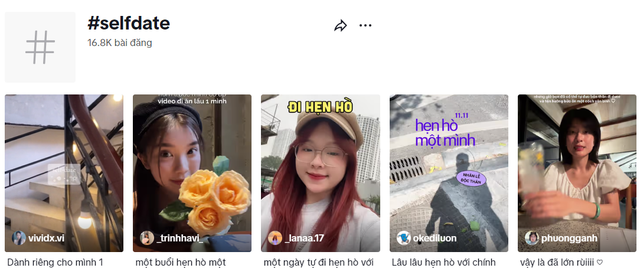
It’s not just an individual phenomenon — the solo-dining trend is also playing out across social platforms like TikTok and YouTube, where keywords such as “self-date” or “single-serve meals” attract millions of views and comments. Review videos about F&B spots catering to solo diners are getting strong engagement, proving how appealing this trend is among today’s consumers.
F&B and the Solo-Dining Trend: Understanding It Right to Drive Growth
Understanding the motivation behind solo dining is key for F&B brands looking to grow. Many young people choose to eat alone because they want the freedom, flexibility, and comfort of deciding everything themselves — from the dish to the time they eat. This is a key part of the experience that F&B businesses need to focus on. In today’s fast-paced life, solo meals have also become a way for young people to pause from work and find relaxation and balance.
In addition, rising singlehood rates in society are also an important factor. Many young people today, especially Gen Z, are choosing an independent lifestyle, which is driving up demand for private dining spaces. To serve these customers, F&B restaurants can build dining-space models suited to this need, helping customers feel comfortable and let their personality show through in every meal.
The Single-Serving Model: A Trend Shaping the Modern F&B Industry
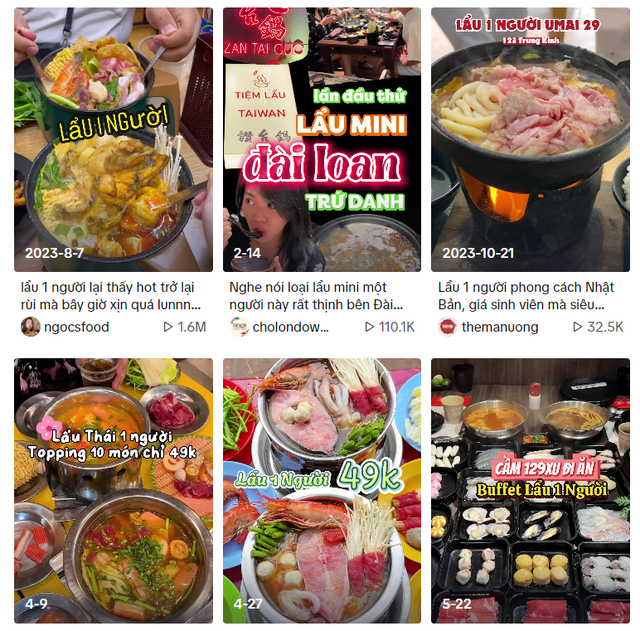
In major cities like Hanoi and Ho Chi Minh City, many F&B restaurants have already started tapping into this trend with “hotpot for one” servings or dishes designed specifically for solo customers. As a result, F&B brands like Lau Bo Sai Gon have built strong appeal among customers who value privacy. However, to truly succeed in this market, F&B brands must overcome consumers’ psychological barriers, such as self-consciousness about being watched by others or worries about cost.
Effective strategies can include designing private individual dining tables and building enclosed booths to create a sense of safety for customers. At the same time, offering single-serving meals through online channels is also an important approach for serving customers who don’t want to go out. Reasonable pricing is another key factor, helping F&B brands maintain profitability while also attracting new customers. Combined with the use of KOLs, KOCs, and related media content, F&B brands can promote this trend, helping solo dining become more common and more socially accepted.
Closing Thoughts
The solo-dining trend is reshaping how young people experience meals, opening up new opportunities for the F&B industry. To succeed, brands need to clearly understand the need for privacy and comfort, while creatively designing suitable spaces and services.
By creating unique experiences and using effective communication strategies, the F&B industry can not only grow sustainably but also improve young people’s quality of life. With this development, solo dining is no longer just a need — it’s becoming a lifestyle full of character and independence.
By Khanh Huyen
Source MarketingAI
Nguyễn Đình
Bảo




As CEO of The7, I am committed to sharing practical, useful knowledge with every reader. Every article on The7 is based on my 7 years of hands-on experience in marketing — Facebook advertising, LinkedIn advertising, Google advertising, and marketing strategy. I hope you take away plenty of insight from these posts and apply it successfully in practice.
Related Articles
How Katinat’s Charity Marketing Campaign Sparked Public Backlash
Recently, Katinat launched a campaign to support compatriots in Làng Nủ, a community hit hard by storms and floods, promising to donate 1,000 VND from every drink sold between September...
Gojek Decides to Cease Operations in Vietnam
After six years of building its business in Vietnam, the ride-hailing and food delivery platform Gojek has officially announced that it is shutting down. Starting September 16, 2024, users will...
E-Commerce Platform Shein Suspected of Using Toxic Chemicals in Its Clothing
The discovery of harmful chemicals in Shein’s products has raised concerns about the hidden risks in fast fashion, an industry where trends usually come first. The incident has not only...
The Coffee House: A Former Market Leader Struggling Against New Rivals With a Faded USP
The Coffee House was once a promising icon of Vietnam’s F&B industry, but recent months have seen the brand shrink at an alarming pace, with a wave of branch closures...
Coca-Cola and Oreo Team Up: Unique Limited Editions Coming Soon
If you’ve always dreamed of what Cola and cookies would taste like together, now’s your chance! Coca-Cola and Oreo have teamed up to bring you a one-of-a-kind combination – but...

From Rebellious Boy to French Fashion Empire: The Story of Jean-Paul Gaultier
Unbound by traditional conventions, Jean-Paul Gaultier brought a bold, fresh wind into the fashion world. Although he never had any formal training, that did not hold him back. It fueled...