


What You Need to Know About Website Design and Development in 2023
Building a high-quality website is essential for businesses today. When you create a website for your company, you will need to understand processes such as website design and website development.
Investing in your website can increase revenue. Developing a user-friendly website and pairing it with an effective SEO campaign will help you boost website traffic and build lasting relationships with customers.
First, you need to know that website design and website development are two different approaches. Website design is about creating the overall look and feel. For the most part, it focuses on the visual elements of a website, such as layout, colors, fonts, and graphics.
Website development, on the other hand, is the technical side of building a website. It revolves around the structure and functionality of the site to improve performance and give customers a good user experience (UX).
The landscape of website design and development keeps changing, so staying up to date with design trends is important for every company.
Part 1: Understanding Website Design.
What Is Website Design?
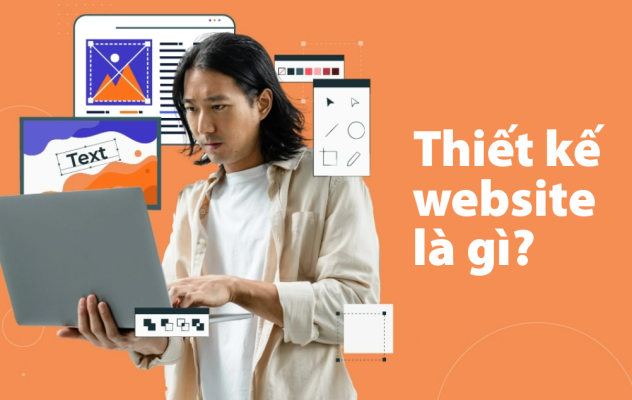
Website design is the process of creating a website based on its visual appearance and overall feel. Beyond visual elements such as colors, fonts, and graphics, website design also involves many other factors, mainly:
- Content
- Usability
- Appearance
- Menu
- Interaction
These are the basic elements that play an important role in search engine optimization (SEO). By designing a website that is attractive and easy to navigate, you can improve your search engine rankings, maximize your business’s online presence, and reach potential customers.
Most importantly, website design is indispensable for giving customers a good experience on your site. When potential customers visit your website, they are interacting with your business there. For that reason, businesses must make sure their website boasts an intuitive, high-quality design. Doing so helps your business make a positive impression on its audience.
Types of Website Design
Fixed layout website
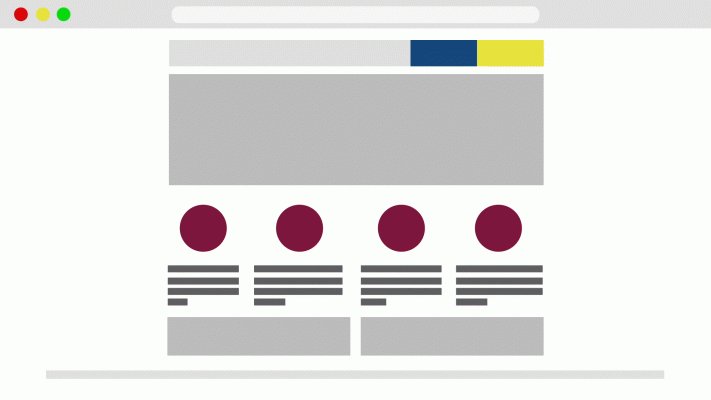
One of the oldest types of website design on this list. This layout uses a fixed width measured in pixels. That means that regardless of the user’s device and screen size, the layout of a fixed website stays the same, and all elements keep the same proportions and shape.
For desktop users, a fixed website design usually causes no problems. Mobile users, however, may find the layout oversized because the page elements stay the same across different devices and screen sizes. As a result, they may waste time navigating.
Fluid / liquid layout website
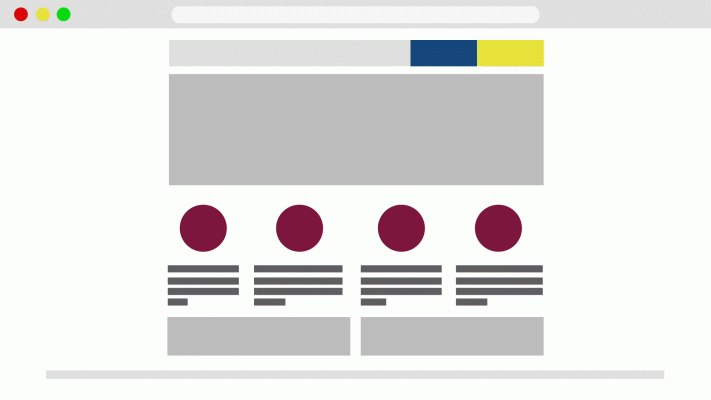
A distinctive type of website design that lets the site run smoothly depending on the size and shape of the device screen.
Although it may sound similar to a responsive layout, fluid website design is quite different. With a fluid website design, the layout of the site shrinks or stretches in size, except that the proportions of the elements stay the same.
Compared with responsive design, fluid design is less flexible. Images and videos stay at a fixed size, which can cause display problems for mobile users with small screens.
Responsive layout website
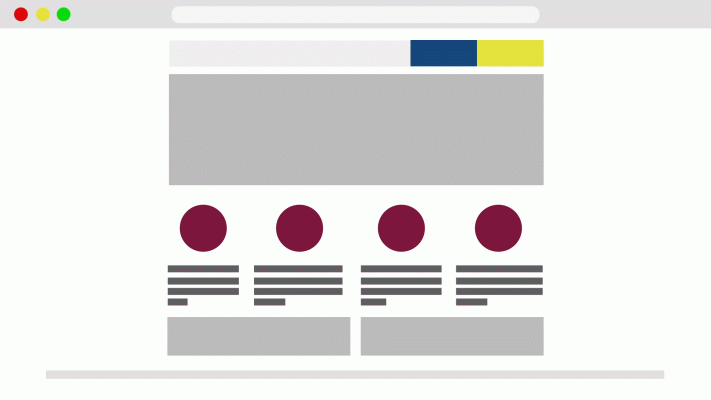
Responsive web design aims to make websites run flawlessly across different devices and screen sizes. With this type of website design, the entire site, including its various elements, adjusts to fit. Each page element shrinks or stretches depending on the screen size.
With responsive website design, your site runs at optimal speed on every device. This ensures that visitors have a good user experience exploring your website, no matter what type of device they use.
Adaptive layout website
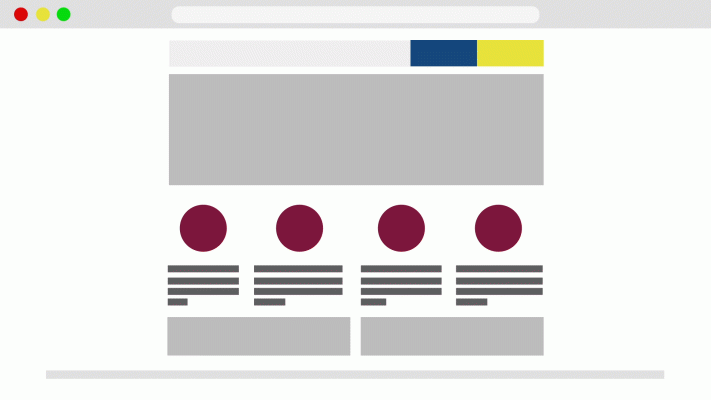
With adaptive website design, a business uses different versions of the layout design based on the screen size of the device.
To give an easy example, say you have five fixed website layouts for your company site. Each website layout is smaller than the one before it. The user’s device will pick the version of the layout design that best fits the available size.
With adaptive website design, a business uses different versions of the layout design based on the screen size of the device.
For example, say you have five fixed website layouts for your company site. Each website layout is smaller than the one before it. The user’s device will pick the version of the layout design that best fits the available size.
When it comes to adaptive website design, you need to create multiple website layouts for your site. This can raise costs, but it delivers fast page load speeds.
Types of Websites
E-commerce
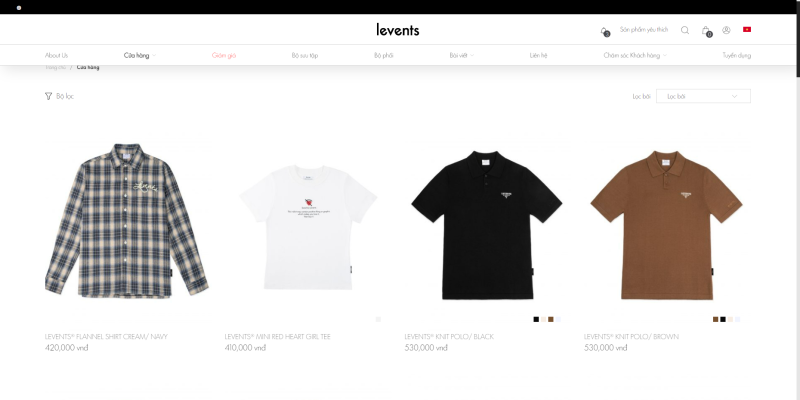
Make sure your entire e-commerce website is easy to access and navigate. Showcase your products with in-depth product and service descriptions, along with high-quality images and videos.
A successful e-commerce website design strategy focuses on four components:
- Easy navigation
- A well-structured layout
- Optimized product pages
- A convenient checkout system.
Landing page
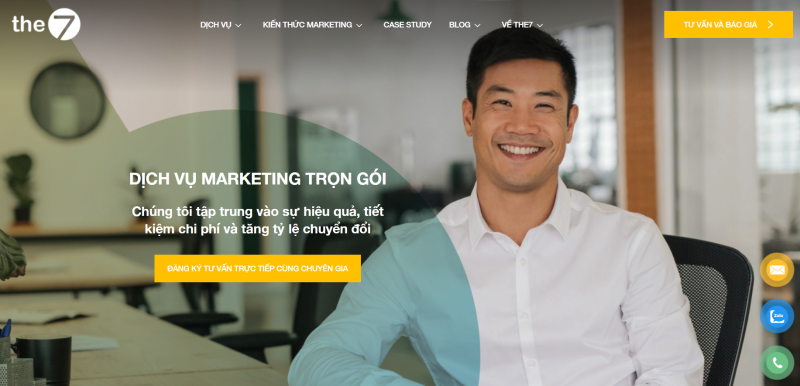
A landing page is a web page displayed in response to a user clicking a paid ad, an email, a promotion, and so on. The purpose of landing page design is to drive conversions.
That is why a landing page should include a compelling call to action (CTA), so you can encourage potential customers to contact you, submit an inquiry, or buy a product.
Blog
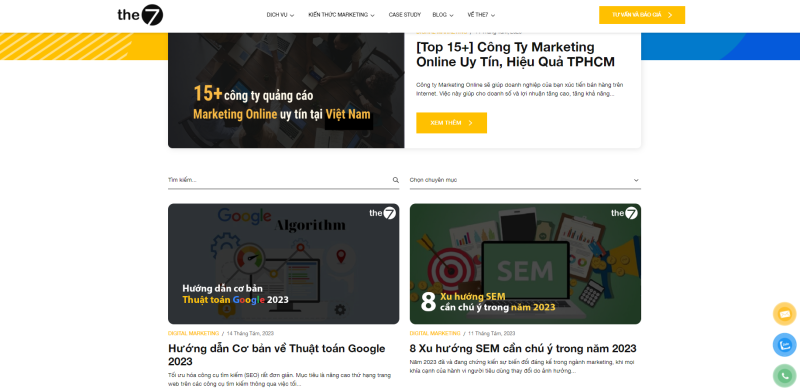
A typical blog presents posts updated daily, weekly, or monthly, depending on the writer’s choice. While you can create a website that offers only blog posts, you can also add a blog page to any website. Doing so can help you deliver fresh, engaging content to your site’s visitors.
Make sure you have content creators such as copywriters and designers to develop high-quality blog content with SEO-optimized keywords, infographics, videos, and more. A blog needs to provide relevant, valuable information to readers.
Educational website
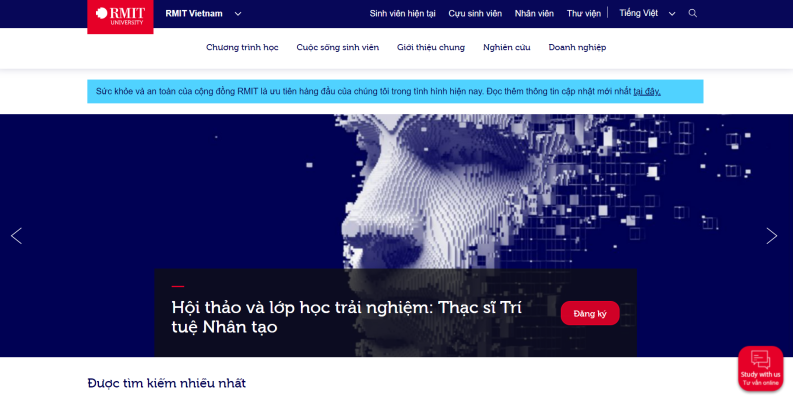
Educational institutions such as schools and education centers have a website that contains all the essential information you need to know about them. When you explore an educational website, you will notice that its design is very simple as you read through the content describing the institution’s history, curriculum, and the courses it offers.
Portfolio website
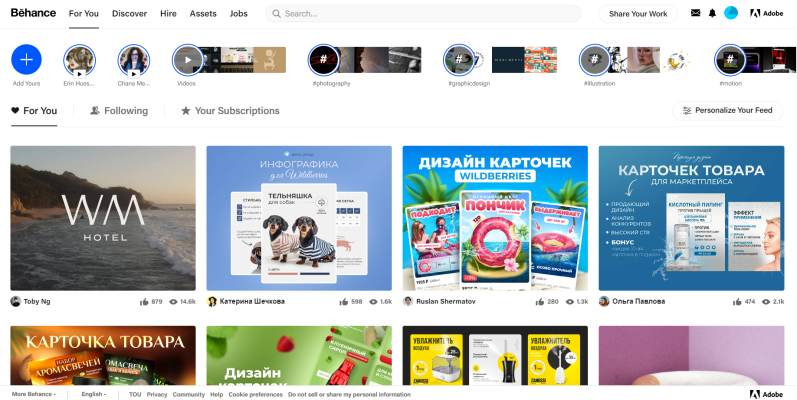
A portfolio website contains the past work of artists, writers, web designers, fashion designers, architects, filmmakers, and other creative professionals.
Instead of handing out a business card to get in touch with them, creating a link to a business’s portfolio website can make things easier.
Exploring a portfolio website can help you weigh the pros and cons of hiring an artist, writer, or any of the professionals mentioned above for a project.
Benefits of Website Design
Website design is a worthwhile investment that can influence your audience and increase return on investment (ROI). Here are the reasons you should invest in website design services.
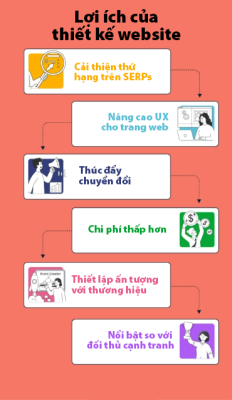
Improve your SERP rankings
To improve the ranking of an e-commerce website, its website design is another factor you need to consider, alongside fast load times and mobile optimization.
Changing the layout of your web pages can affect search results, which is why you need to be careful when updating the design of your e-commerce website.
If an e-commerce website has a poor layout, it can frustrate customers and cause them to leave within seconds. This indirectly affects your SERP rankings.
Improve your website’s UX
Five minutes is all you need to convince customers that your product is worth buying. Doing so requires you to understand your customers’ workflow. Find out what makes their time on your website a worthwhile experience and implement it on your site.
For example, you can reduce page load time so customers can move through your website freely without any delays. As a result, they can spend more time on your site, ultimately increasing the chance of a purchase.
Boost conversions | Reach potential customers and increase sales
Presentation is a factor that influences customers’ purchase decisions. Attract more customers with your website design. Place calls to action (CTAs) strategically on your website to prompt visitors to take action, such as leaving a business phone number, submitting an inquiry form, or making a purchase.
Lower costs
Another benefit of website design for businesses is that it can cut operating costs. Even without a physical store, business owners don’t need to worry about staff salaries, rent, and utilities when running their business. After all, an e-commerce website runs on the internet 24/7.
Make a strong brand impression
A website with an outdated design can leave customers with a bad impression when they interact with your business. It is important to make a good brand impression the first time customers engage with you. You can do this by designing your business website professionally, keeping the design up to date while incorporating your brand colors.
A website is like the storefront of a shop. Since the goal is to portray the right image for your brand, try to implement elements that make your business stand out, including a bold color palette with eye-catching graphics.
Stand out from competitors
Online businesses will struggle when running an e-commerce website. You have to give your customers a shopping experience that stands out from competitors. That can benefit your business in many ways, such as:
- Generating a higher conversion rate
- Building trust
- Analyzing customer behavior
- Staying open 24/7
- Giving customers valuable information about your business
Most importantly, with website design for an e-commerce site, you can attract more customers and give them a convenient shopping experience. The goal is to design a website specifically for e-commerce that lets customers shop easily, earning their trust along the way and increasing your chances of driving sales.
The easier your user experience makes it for customers to operate and navigate your website, the more you stand out from competitors.
The Relationship Between User Interface (UI) and User Experience (UX)
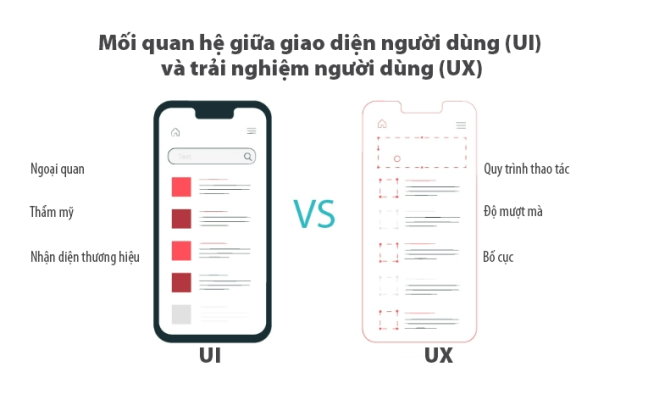
UI and UX are essential parts of website design. Both affect the customer’s experience when navigating your website.
First, you need to know the difference between UI and UX.
UI refers to the controls, feel, and interface of your website. You need to make sure the site is easy to navigate and has responsive controls. The site must also look appealing, so focus on the necessary visual elements, such as colors, themes, icons, and buttons.
UX design, on the other hand, is the customer’s experience with a product from start to finish. In website design, UX is the customer’s buying journey on a website. You can tell whether a website has a successful UX design if customers have an enjoyable experience.
Put simply, UI design is about creating great visuals and interactive controls, while UX design is about understanding the customer journey. Together, they are key elements of website design.
Part 2: The Importance of Website Development
What Is Website Development?
Unlike website design, website development focuses on performance and functionality. Rather than aesthetics, the goal of website development is to make sure a website works flawlessly. Besides improving your site’s load time, you also need to make sure your website is user-friendly and well protected against cyberattacks.
Here are the different types of website development services:
Types of Website Development Services
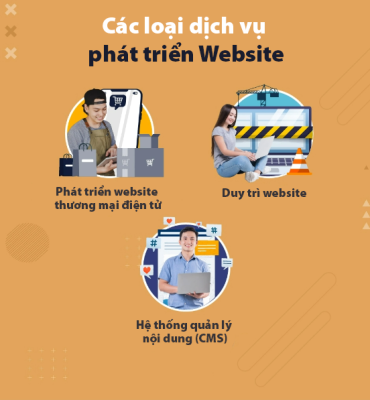
Content management system (CMS)
A content management system (CMS) is software for managing, creating, and editing content. With this software platform, you can build a website from scratch without going through a complicated process.
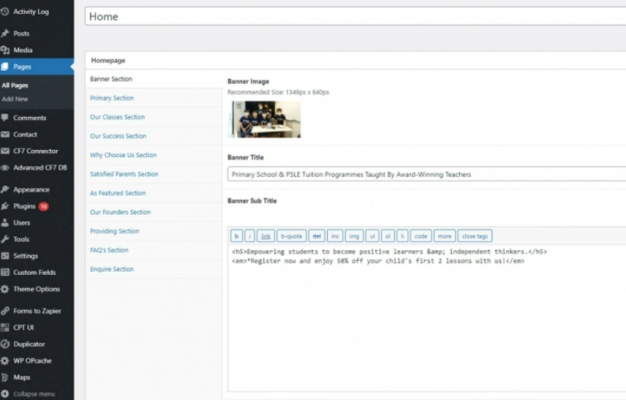
However, CMS services can be very complex for beginners. That is why most companies outsource their CMS services.
With a CMS service, you can do the following:
- Update your existing system
- Improve website speed
- Customize your website
- Simplify website design
- Strengthen cybersecurity
- Store content
- Assign roles to users
In short, a CMS has user-friendly features that let you manage your website conveniently. The best part is that it doesn’t require you to be an expert in IT or web development.
If managing a CMS website is too complicated and time-consuming, you can outsource it to get help while you focus on growing your business.
Website maintenance

Building a website is only the beginning. You also have to maintain your website and make sure it runs smoothly. Technical problems can arise at any time, so you have to stay on guard from time to time.
To prevent any issues from harming your website, you can invest in maintenance services.
E-commerce website development
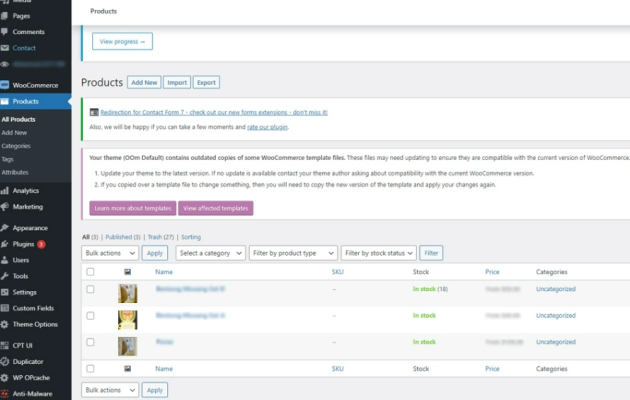
Designing an online store is one thing, but developing one is another. The goal is to create a fully functional online store with user-friendly features.
Website development is critical for an e-commerce website because you have to run your online business on an ongoing basis. The main tasks for this service include maintaining website performance, optimizing product pages, and promoting the store. All of this can be achieved with great e-commerce website development services.
Benefits of Website Development
Increase your search engine rankings
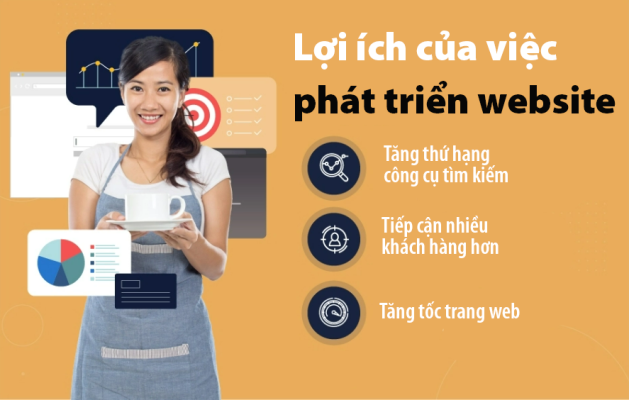
Search engine optimization (SEO) is one of the most relevant digital marketing strategies today. Part of website development is creating an SEO-friendly website. This can improve your online presence and search engine rankings so you can reach your target audience online.
So how exactly does website development help increase search engine rankings?
Search engines such as Google, Yahoo, and Bing use bots, or crawlers, to analyze websites by crawling through them. Search engine bots check for signs of crawl errors, duplicate content, and other technical issues. If these problems show up on your website, search engine bots may rank it low on search engine results pages (SERPs).
Reach more customers
With higher search engine rankings, your website can reach more potential customers than ever. As more traffic is directed to the site, its search engine rankings rise as well. Ultimately, improved web visibility leads to more customers visiting your website and drives sales.
Increasing web visibility makes your website more visible on search engines. As a result, more and more people can click on links to your website, which in turn raises your click-through rate (CTR).
Speed up your website
Did you know that 40% of consumers will wait about three seconds before they abandon a website? Try testing your website speed by pasting its URL into PageSpeed Insights.
Most people hate slow load times. That is why you need to improve your website speed at all costs. Carry out effective website maintenance to speed up load times. When you do, customers will have a better experience browsing your website.
See more: Invest in Quality Website Design and Development in Vietnam (the7.vn)

Nguyễn Đình
Bảo




As CEO of The7, I am committed to sharing practical, useful knowledge with every reader. Every article on The7 is based on my 7 years of hands-on experience in marketing — Facebook advertising, LinkedIn advertising, Google advertising, and marketing strategy. I hope you take away plenty of insight from these posts and apply it successfully in practice.
Related Articles
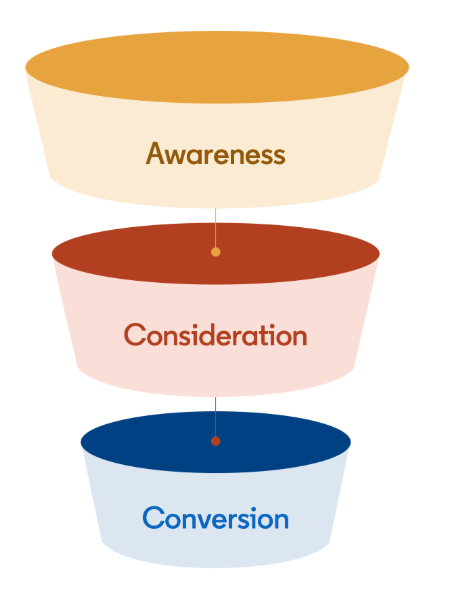
Building a Full-Funnel Content Marketing Strategy on LinkedIn
Table of Contents Toggle Why Build Content Marketing for the Full Marketing Funnel? (Why Full-Funnel Content Marketing?)Creating Your Strategy (Creating Your Strategy)Implementing Your Content Strategy (Rolling out your content strategy)Summary...
Designing Creative Content for LinkedIn
Table of Contents Toggle Why Is Good Creative Content So Important? (Why is Good Creative Important?)Key Components of Creative Design (the core elements of creative design)Summary (summary) Why Is Good...
Building an Organic Business Presence on LinkedIn With a LinkedIn Page
Table of Contents Toggle Why Have a LinkedIn Page?Establishing Your LinkedIn PageKeeping Your LinkedIn Page ActiveThe Measure of SuccessSummary About LinkedIn Page (Summary) Why Have a LinkedIn Page? For a...
6 Best LinkedIn Marketing Strategies for B2B in 2026
Table of Contents Toggle LinkedIn 2026: Where B2B Decisions Get MadeStrategy #1 – Why Is LinkedIn the Best B2B Marketing Channel Today?1. Decision-makers are concentrated here2. Users are in work...

7 Social Media Trends for 2026: The Era of Real Value, Real Conversion, and Real People
Table of Contents Toggle Social media is entering the biggest restructuring of the decadeTrend 1: Why is buying directly in-app becoming the new standard for 2026? (On-Platform Conversion)What should businesses...

What Is TikTok Marketing? Effective TikTok Marketing Strategies
TikTok has been topping the global rankings of the most downloaded and most visited apps. That makes it a gold mine for marketers who love creativity. In this article, The7...