


Regular Website Maintenance and Why It Matters for Your Business

In today’s fast-moving digital era, a website is far more than a tool for sharing information. It has become an essential part of building and growing a business. Through a website, a company can reach millions of potential customers around the world and demonstrate its professionalism and credibility.
However, simply building a good-looking, high-quality website is not enough to guarantee business success. One important factor that often gets overlooked is website maintenance. Website maintenance is not just about keeping your site running reliably. It also covers improving performance, strengthening security, and optimizing for SEO.
In fact, when your site gets outdated and takes too long to load, potential customers will look for other options. According to a report from Trust Signals, as many as 60% of consumers will consider abandoning a website if it takes more than three seconds to load. That makes website maintenance not only necessary but also the key to retaining and attracting potential customers.

In this article, we’ll explore why website maintenance matters for your business. We’ll go into the details of the benefits it brings, from ensuring stable operation and boosting performance to protecting important data and improving your site’s visibility on search engines.
By the end, we hope you’ll recognize how important website maintenance is and the benefits it delivers for your business. If you want to build a strong and successful online presence, you can’t afford to skip website maintenance. Let’s dive in and learn more about why it matters for the sustainable growth of your business.
What Is Website Maintenance?
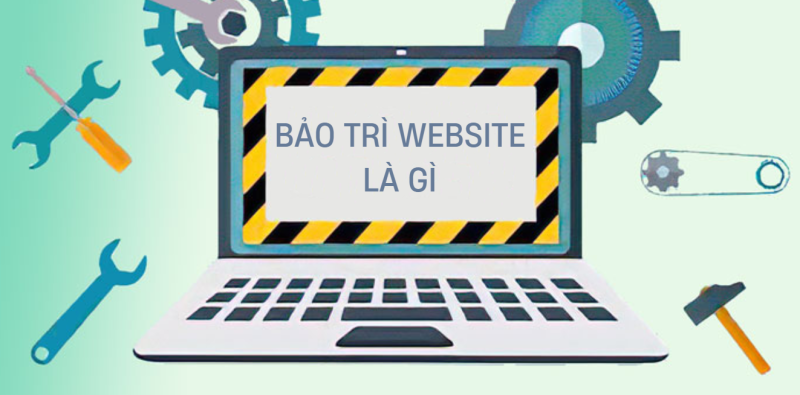
Website maintenance is the process of keeping a website running and continuously improving it so that it operates reliably, efficiently, and safely. It includes checking, optimizing, fixing bugs, updating, and strengthening the security of the site. By performing regular maintenance, businesses make sure their websites always run well and meet the needs of modern users.
In SEO, website maintenance means sustaining and improving the factors related to a site’s search engine optimization. It is not only about keeping the website running stably. It also includes activities aimed at optimizing the site’s structure, content, and visibility on search engines.
A key part of website maintenance is checking for and fixing errors. During operation, a website can run into technical issues such as user interface problems, features that don’t work properly, database connection errors, or other errors related to source code and software. By checking for and fixing these issues, businesses make sure users don’t hit obstacles when using the website, and avoid losing customers and revenue.
In addition, system updates are an important part of website maintenance. Technology and trends change constantly, so updating to new versions of the operating system, source code, and key software helps your website keep up with the latest requirements and standards. This not only improves the site’s features and performance but also protects it from security vulnerabilities and potential attacks.
Performance optimization is another important part of the maintenance process. Improving performance includes reducing page load time, optimizing images and content, speeding up response time, and optimizing the site’s structure. This improves the user experience, lowers the bounce rate, and increases customer engagement on the website.
Finally, website security is an indispensable part of maintenance. Putting security measures in place, including installing security patches, using SSL certificates, enabling two-factor authentication, and monitoring for unusual activity, helps protect important customer and business information from attacks and intrusions.
8 Reasons Why Regular Website Maintenance Matters

Maintain Security Measures
In the digital age, crime doesn’t only happen in the real world. It happens online too. By maintaining security measures on your website, you keep your data and your customers’ important information safe.
When performing regular website maintenance, a web development company can spot signs that the system is under attack. A website running outdated software and missing security patches is easy to break into. Web developers make sure everything on the site is secure and fix any errors while carrying out maintenance.

Keep your business safe online by performing regular website maintenance, which protects important information and sustains customer trust.
Strengthen Your SEO
Search engine optimization (SEO) is another important reason why website maintenance matters for your business. By including and updating SEO elements, you stay aligned with Google’s ranking criteria and earn a higher position on search engine results pages (SERPs).

A well-maintained website makes a better impression on potential customers as they browse. They tend to stay longer, which lowers your bounce rate and indirectly affects your performance and search engine rankings. If your website also has a good user interface (UI) and user experience (UX), it helps bring visitors back as well.
Regular website maintenance not only improves your chances of ranking on search engines, but also makes a positive impression on potential customers, lowers the bounce rate, and brings in return visits.
See more: 7 Effective Digital Marketing Strategies for 2024
Encourage Customers to Become Loyal Customers
By maintaining your website regularly, your site will always offer fresh, useful information, helping potential and existing customers feel more satisfied and loyal. When people can find new and useful information on your website, they tend to come back and check in often.
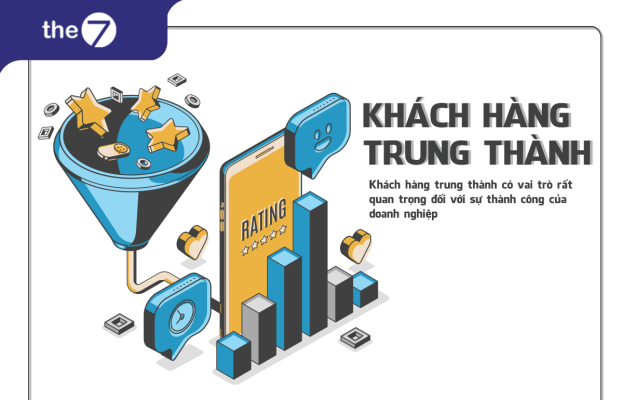
For a website, posting new information and regularly updating your blog benefits both potential and existing customers. When you keep publishing consistently, people will check your website often to read the latest information.
Back Up All Your Files
Regular website maintenance is essential for businesses because it allows all files on the website to be backed up. This means that if something unexpected happens (usually a malware attack), you can easily restore your website to normal without having to rebuild it from scratch. This saves time and effort while keeping your company’s website running continuously.
Optimize Your Website Load Speed
Slow load times can lead to a high bounce rate, causing visitors to leave before they explore the rest of your site. Website maintenance helps improve your site’s speed by optimizing images, reducing code, and compressing files.
A fast-loading website improves the user experience and increases engagement and conversions. Try testing your website speed with the tools below to evaluate its performance:



Prevent Website Disruptions
Website downtime happens when a site is inaccessible and unavailable to users, usually because of issues such as server failures or technical errors. This can cause a business many problems, from lost revenue and lower customer satisfaction to reputational damage.
Regular website maintenance helps minimize downtime by detecting and fixing problems before they turn into major ones. By routinely checking the website’s servers, databases, and software, businesses can identify and resolve potential issues before they cause downtime. This keeps the website running reliably, preserves customer trust, and avoids unnecessary revenue loss.
Make Sure Your Website Works on Every Device
Today, users visit websites from many different devices, such as desktops, laptops, tablets, and smartphones. To ensure a smooth user experience, your website’s design and structure need to be compatible with a wide range of devices and screen sizes. This lets the site adjust automatically and display correctly on any device, so users can access and interact with it easily, without running into obstacles.

A web development company in Vietnam that performs regular website maintenance can help ensure your site works across different devices and screen sizes. By testing compatibility on various devices and screen sizes, businesses can detect and fix problems such as broken links, slow page load times, or distorted images. This improves the user experience and makes sure everyone can access and interact with the website easily and conveniently, without any difficulty.
Improve and Grow Your Website
A website is a key element of a business’s presence on the internet. To compete in the online market, your website needs to be upgraded continuously.
Website maintenance can include updating content, redesigning the site’s interface, adding features, and improving speed and performance. Continuously improving your website delivers a better experience for users, increases traffic, and boosts your ability to convert customers.
Key Things to Keep in Mind When Maintaining Your Website

Important points to remember when maintaining your website:
- Schedule website maintenance for a time that won’t affect the number of users visiting
When you plan website maintenance, choose the time when the fewest users are visiting. Avoid scheduling maintenance during peak hours or when important events are taking place on your site. Announcing the maintenance window in advance also helps users plan ahead and avoid trouble accessing your website.
- Test before and after maintenance to make sure no website errors occur
Before making any changes to your website, create a backup copy to keep your data safe. Once maintenance is complete, test thoroughly to confirm that no errors have occurred and the website still works properly. Check compatibility across different browsers and mobile devices to make sure your website performs well on every platform.
- Notify users in advance about website maintenance
Before starting maintenance, let users know when it will happen and why. Make it clear that the website will be unavailable during maintenance, and provide alternative contact information (if available) so users can reach you when needed. This builds trust and avoids inconveniencing users.
Conclusion
Regular website maintenance is key to ensuring your site’s performance and reliability. Maintenance helps improve page load speed, protect data, and increase your site’s visibility on search engines. By following the right maintenance steps, you can keep your website running reliably and deliver a great experience for users.

Nguyễn Đình
Bảo




As CEO of The7, I am committed to sharing practical, useful knowledge with every reader. Every article on The7 is based on my 7 years of hands-on experience in marketing — Facebook advertising, LinkedIn advertising, Google advertising, and marketing strategy. I hope you take away plenty of insight from these posts and apply it successfully in practice.
Related Articles
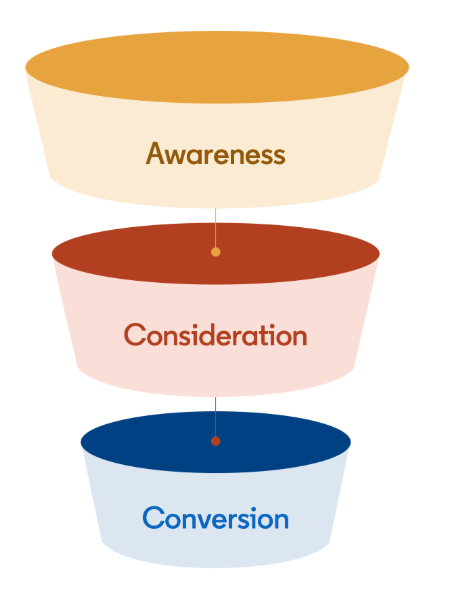
Building a Full-Funnel Content Marketing Strategy on LinkedIn
Table of Contents Toggle Why Build Content Marketing for the Full Marketing Funnel? (Why Full-Funnel Content Marketing?)Creating Your Strategy (Creating Your Strategy)Implementing Your Content Strategy (Rolling out your content strategy)Summary...

Designing Creative Content for LinkedIn
Table of Contents Toggle Why Is Good Creative Content So Important? (Why is Good Creative Important?)Key Components of Creative Design (the core elements of creative design)Summary (summary) Why Is Good...

Building an Organic Business Presence on LinkedIn With a LinkedIn Page
Table of Contents Toggle Why Have a LinkedIn Page?Establishing Your LinkedIn PageKeeping Your LinkedIn Page ActiveThe Measure of SuccessSummary About LinkedIn Page (Summary) Why Have a LinkedIn Page? For a...

6 Best LinkedIn Marketing Strategies for B2B in 2026
Table of Contents Toggle LinkedIn 2026: Where B2B Decisions Get MadeStrategy #1 – Why Is LinkedIn the Best B2B Marketing Channel Today?1. Decision-makers are concentrated here2. Users are in work...

7 Social Media Trends for 2026: The Era of Real Value, Real Conversion, and Real People
Table of Contents Toggle Social media is entering the biggest restructuring of the decadeTrend 1: Why is buying directly in-app becoming the new standard for 2026? (On-Platform Conversion)What should businesses...

What Is TikTok Marketing? Effective TikTok Marketing Strategies
TikTok has been topping the global rankings of the most downloaded and most visited apps. That makes it a gold mine for marketers who love creativity. In this article, The7...