


SMM vs SEM: The Key Differences You Need to Know
Besides SEO, you have two other options when running a digital marketing campaign: SMM and SEM. These are two important acronyms in the digital marketing world that you’re likely to come across when promoting your products or services online.
SEO, or search engine optimization, is an effective way to drive organic traffic to your website. It focuses on improving your rankings on search engines so your website appears higher in search results. This helps you attract users who are interested in your content and products.
However, when you want to boost brand awareness and create immediate marketing opportunities, SMM (Social Media Marketing) and SEM (Search Engine Marketing) can be better choices for your digital marketing campaign.
So, what’s the difference between SMM and SEM? The article below will help answer that question for you.
What is SMM?
SMM stands for Social Media Marketing. it’s a digital marketing strategy focused on boosting brand awareness, creating advertising opportunities, and engaging with customers through social media platforms. The goal of SMM is to build relationships with customers and strengthen brand recognition.
When you want to promote your company in Vietnam, SMM opens up countless opportunities through social media. You can harness the power of platforms like Facebook, Instagram, Twitter, LinkedIn, and YouTube to build brand awareness, foster relationships, and engage with customers.
Using SMM in your digital marketing campaign lets you connect directly with potential customers, find the right audience for your goals, and build a community. You can also share engaging content, videos, images, and news to capture customer interest. You can also use social media advertising to reach a large number of users and strengthen your company’s online presence.
As a leading digital marketing company in Vietnam, we choose to use multiple social media platforms to engage with our target customers. This helps us connect with people interested in our services or in digital marketing topics. We create valuable content and meaningful engagement with potential customers through these platforms, which helps us build strong relationships and strengthen our company’s brand recognition.
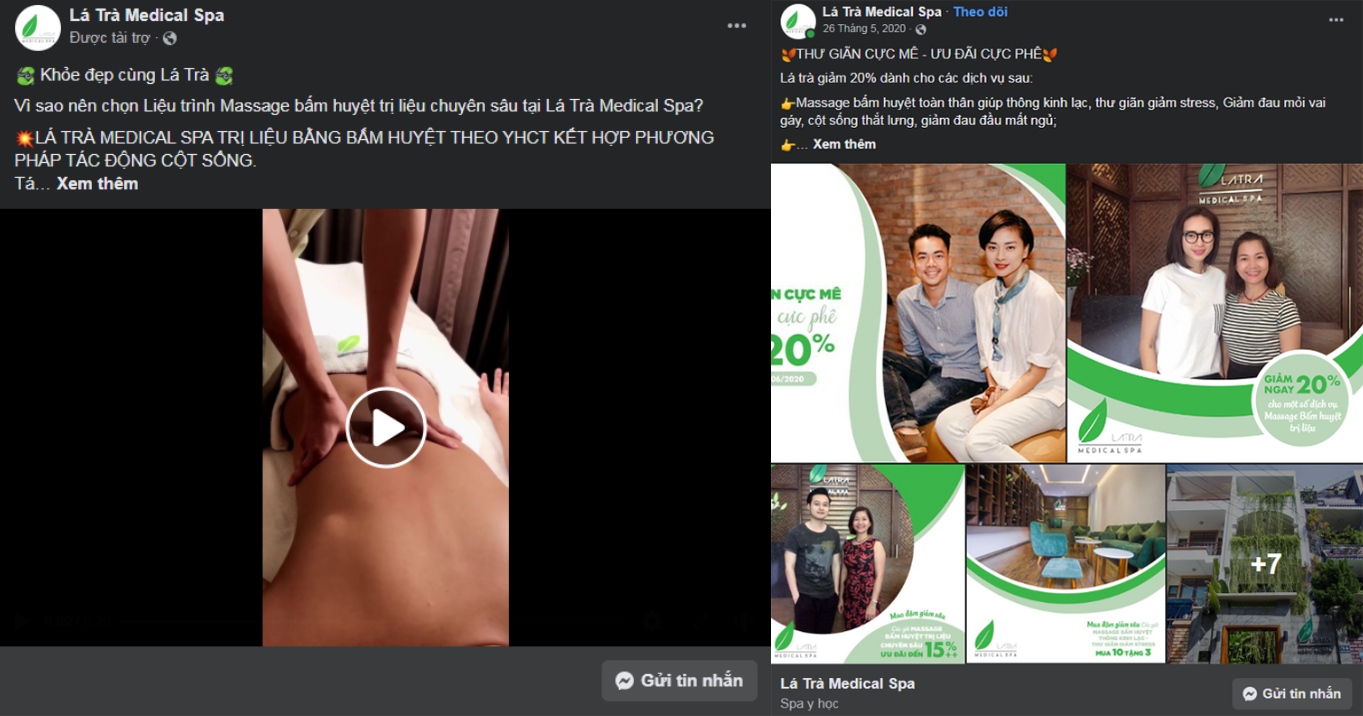
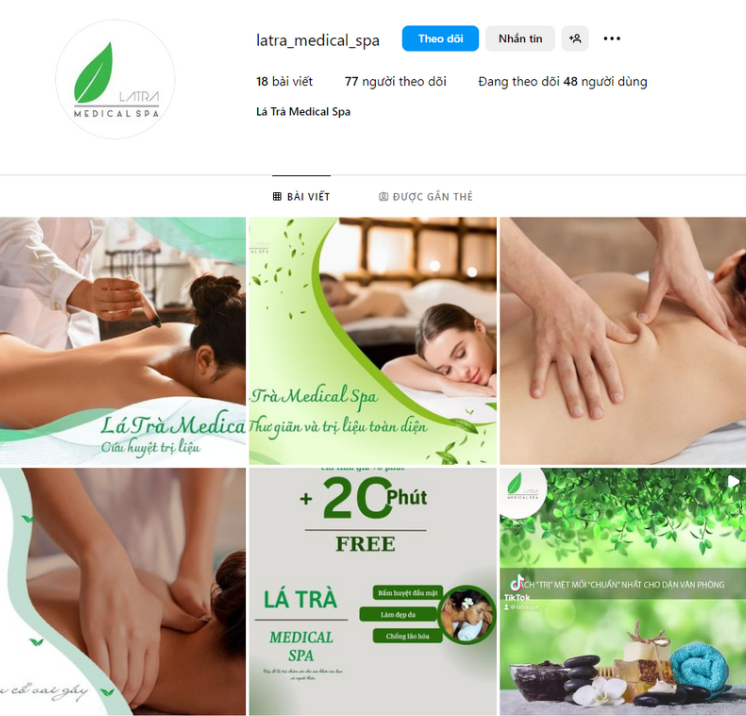
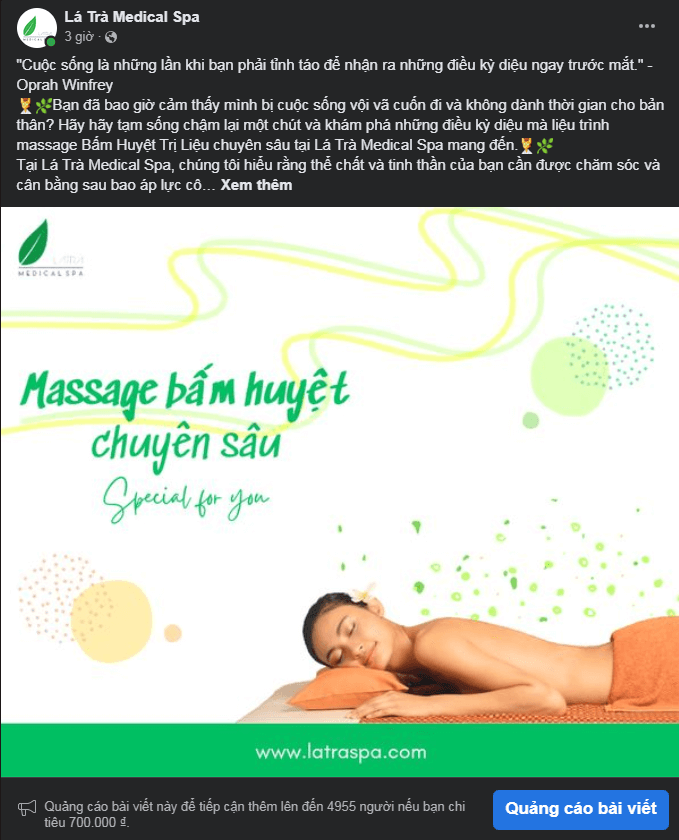
Below are a few examples of SMM strategies:
- Using automated chatbots: Applying chatbot technology on social media platforms enables automated communication with customers. Chatbots can provide instant responses to common questions, support customers, and guide users through the purchasing process.

- Sharing quality content: Posting valuable, engaging content on social media platforms such as Facebook, Instagram, Twitter, LinkedIn, and others is an effective way to connect with your audience. This can include helpful informational posts, eye-catching images, entertaining videos, and appealing graphics that capture your target audience’s interest.
- Joining groups and sharing knowledge: Joining relevant groups and communities on social media platforms gives you the opportunity to connect with like-minded people and experts in your industry. By actively participating in discussions and sharing valuable knowledge, you can build trust and credibility in your field.
- Using paid advertising: Using paid ads on social media platforms lets you target your audience by demographics, interests, and behavior. This helps you reach the right people precisely and ensures your ads are shown to the right audience. Paid ads can include sponsored posts, display ads, or video ads, depending on the platform.
What is SEM?

SEM, also known as search engine marketing, is a digital marketing method that uses paid advertising. With SEM, you bid on the keywords that users typically search for on Google when looking for products and services.
SEM campaigns for your company in Vietnam are also known as pay-per-click advertising (PPC – pay-per-click). If you optimize your search campaign well, your ad can appear at the top of Google’s search results, drawing potential customers to your website.
Below is an example of a text-based SEM ad in Vietnam. In this example, you can see that Lá Trà Medical Spa uses two extensions to redirect customers to a page showing available information for the “About” and “Nguyễn Văn Thủ Branch” sections.
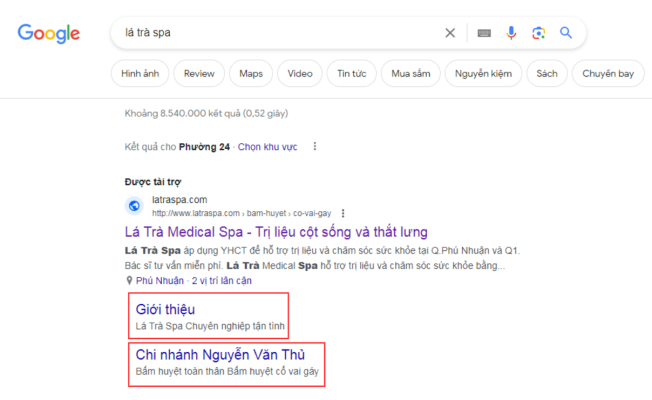
This type of paid advertising is an important strategy in digital marketing because it immediately captures the attention of search engine users and encourages them to buy your product or visit your website right away. As a result, your company’s SEM campaign can help you reach your target customers faster than almost any other digital marketing strategy.
See also: Google Core Web Vitals: Improving User Experience and Search Rankings
The difference between SMM and SEM
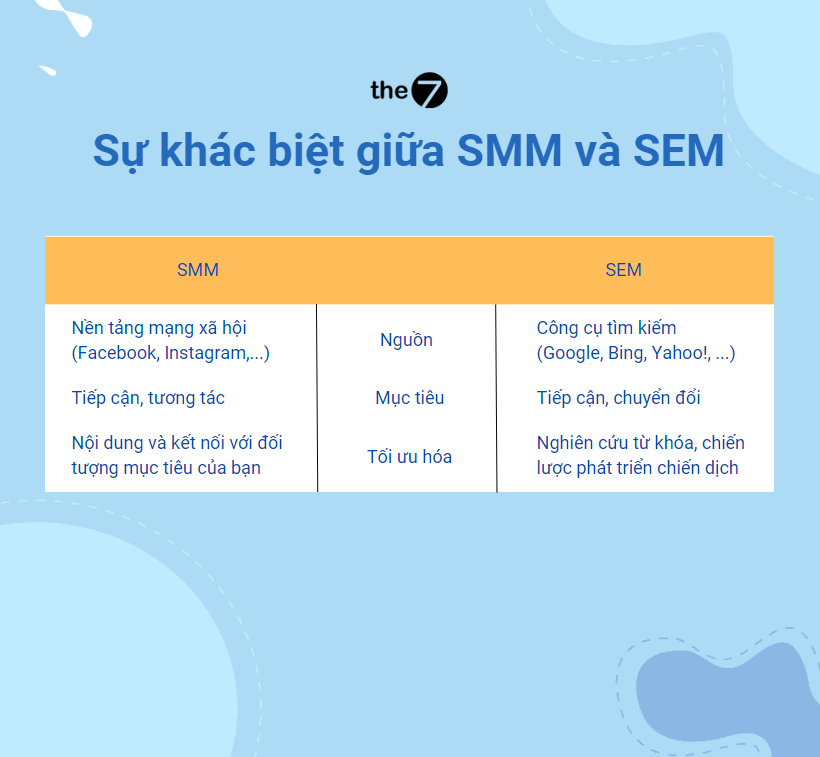
SMM and SEM differ in several ways. To help you understand better, keep in mind that social media advertising typically focuses on engaging with potential customers by building trust, creating relationships, and encouraging them to purchase your products.
If you want to boost brand awareness and engage with customers, social media marketing is the best choice. Managing your social media presence properly in Vietnam helps you expand your reach.
To do this, you first need to research your target customers and choose the social media platform where they’re most active. You can choose from a variety of social networks and apps such as Facebook, Instagram, Twitter, YouTube, LinkedIn, Pinterest, Reddit, and TikTok.
Choosing a social media marketing platform that fits your business is very important. If you pick a platform your target customers rarely use, your digital marketing campaign won’t reach as many people as you’d expect.
That’s why you need to advertise your business on the social media platform that most of your potential customers are actually using.
For example, if your target customers are professionals and businesses, LinkedIn is the ideal platform for your marketing campaign. On the other hand, if you want to target younger customers, TikTok and Instagram may be better options.
In short, your choice of SMM platform will affect the success of your digital marketing campaign. So choose wisely where you’ll promote your products or services.
Another digital marketing method is search engine marketing (SEM), which uses paid advertising to reach customers directly, drive traffic quickly, and generate marketing opportunities. In fact, SEM campaigns typically appear at the top or bottom of the search engine results page (SERPs) for specific keywords, catching users’ attention from the very first glance.
For example, in the SEM campaign above, the ad appears at the top of the SERPs for the specific keyword “acupressure massage.” Lá Trà Medical Spa bid on and won these keywords, allowing their SEM campaign to display when users search.
However, every time someone clicks on an SEM campaign or PPC ad, the SEM provider has to pay for it, regardless of whether it results in a conversion or not.
SMM vs SEM: Pros and Cons
If you’ve read this far, you may still not have decided which method is the perfect fit for your business. In that case, take a look at the pros and cons below to help you make a better decision.
Pros and Cons of SMM
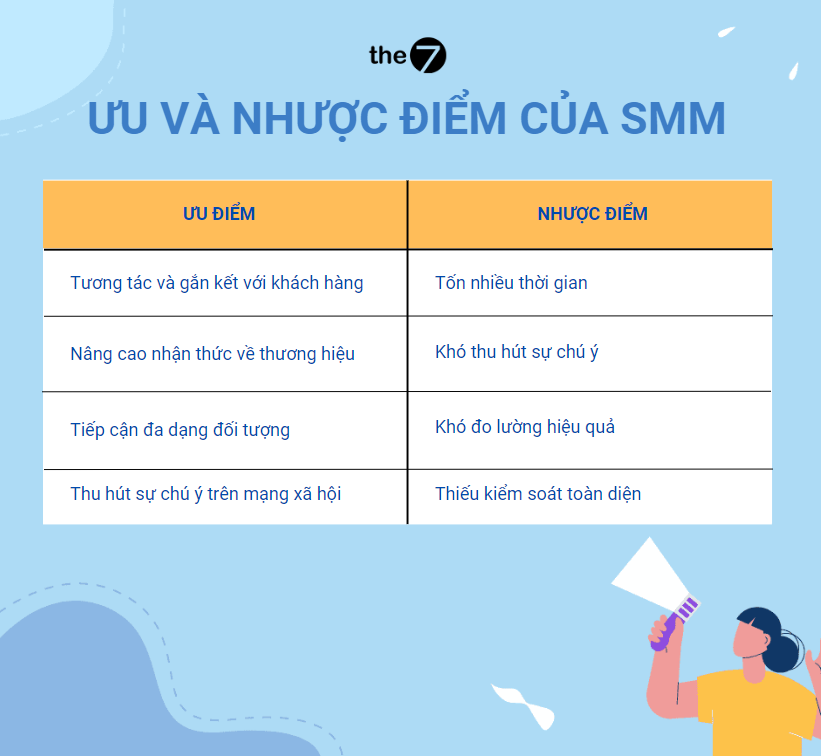
Pros of SMM
- Interaction and engagement with customers: SMM gives you the opportunity to interact directly with your potential and current customers. By posting engaging content, joining discussions, and responding promptly to comments and messages, you can build stronger engagement and relationships with customers.
- Boosting brand awareness: SMM lets you build and strengthen your brand recognition on social media. By sharing quality content, engaging with customers, and building relationships, you can create a positive and standout brand image.
- Reaching a diverse audience: SMM lets you get closer to a wider range of potential customers. With the diversity of social media users, you can customize and define your target audience based on age, nationality, interests, hobbies, and other criteria. This increases your chances of reaching people who are likely to be interested in and buy your products or services.
- Capturing attention on social media: Social media is a diverse and dynamic environment where users spend a lot of time and engage daily. SMM lets you tap into this attention and capture users’ interest through creative advertising, engaging content, and interactive marketing campaigns. When you succeed in capturing attention and making a strong impression on social media, you’re also more likely to receive positive feedback and have your content shared.
Cons of SMM
- Time-consuming: SMM requires you to invest time and effort in creating content, engaging with your audience, and managing social media platforms. This can be a significant burden for small businesses and individual efforts.
- Difficult to capture attention: With such high competition on social media, it’s hard to capture users’ attention and hold their interest over the long term. You need to make sure your content is unique, engaging, and relevant to your target audience in order to grab customers’ attention.
- Hard to measure effectiveness: Measuring the effectiveness of an SMM campaign can be challenging, since not every result can be measured precisely. Tracking engagement, traffic, and conversions can be complex and requires the right analytics tools.
- Lack of full control: Managing and responding to every interaction on social media can become difficult due to the sheer volume of users and the fast pace at which social media evolves. This can lead to missed important interactions, delayed responses, and can affect your business’s image and credibility.
Pros and Cons of SEM
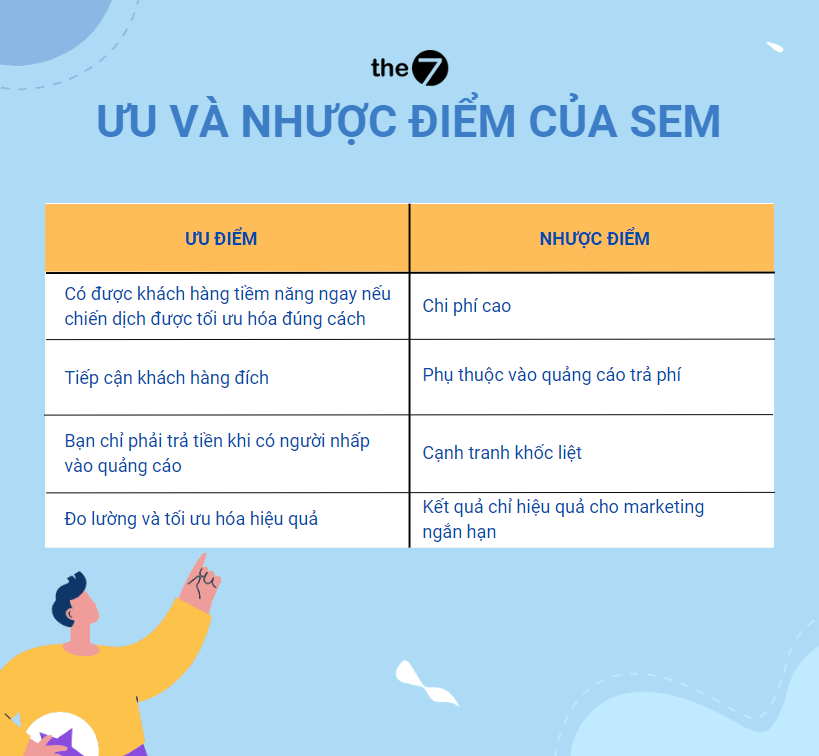
Pros of SEM
- Your business gets potential customers right away if the campaign is optimized properly: SEM lets you display your ads in a high position on the search results page, boosting your business’s visibility and reach to potential customers.
- Reaching your target customers: SEM lets you choose target keywords to display your ads against. This helps your ads reach the right users who are searching for the product or service you offer, creating opportunities to reach customers with a high likelihood of buying.
- You only pay when someone clicks your ad (the pay-per-click, or PPC, model): The PPC model lets you control your ad budget however you like. You can set a daily budget or a maximum bid for each keyword and ad. This helps you tailor your campaign to your budget and focus on specific goals, such as increasing sales or driving traffic.
- Clear measurement and optimization: SEM provides clear measurement tools so you can track your ad campaign’s performance. You can track clicks, conversion rates, sales, and other metrics to optimize your campaign and achieve better results.
Cons of SEM:
- High cost: SEM requires you to pay for every click on your ad. This can be a significant expense, especially when competition for popular keywords is high. If not managed well, ad spend can exceed your intended budget.
- Dependent on paid advertising: Once you stop paying for your SEM ads, your ads stop appearing on the search results page. This means you no longer reach users without incurring further cost. SEM only delivers results for as long as you keep investing in paid ads.
- Fierce competition: Given how popular SEM has become, competition for bidding on keywords and building ad campaigns has grown fierce. Popular keywords tend to be expensive and require effort to ensure your ad is shown at the right time to the right audience.
- Results are effective only for short-term marketing: Once you stop paying for ads, your ad display stops too. This means you need to maintain long-term results through other marketing efforts such as SEO and SMM.
Conclusion
In short, SMM (Social Media Marketing) and SEM (Search Engine Marketing) are two different digital marketing strategies, each with its own strengths.
SMM focuses on building relationships and brand recognition through social media platforms. It lets businesses engage with customers, create valuable content, and boost engagement. SMM helps businesses reach a wider customer base, strengthen brand recognition, and tap into the power of social media communities.
SEM, meanwhile, involves paid advertising on search engines such as Google. It helps businesses display ads in high positions on the search results page, attracting users who are searching for a specific product or service. SEM delivers fast results and its campaign performance can be measured.
While SMM and SEM each have their own strengths, the right choice depends on your marketing goals and target customers. A successful digital marketing campaign often uses both methods together to maximize reach and customer engagement.

Nguyễn Đình
Bảo




As CEO of The7, I am committed to sharing practical, useful knowledge with every reader. Every article on The7 is based on my 7 years of hands-on experience in marketing — Facebook advertising, LinkedIn advertising, Google advertising, and marketing strategy. I hope you take away plenty of insight from these posts and apply it successfully in practice.
Related Articles
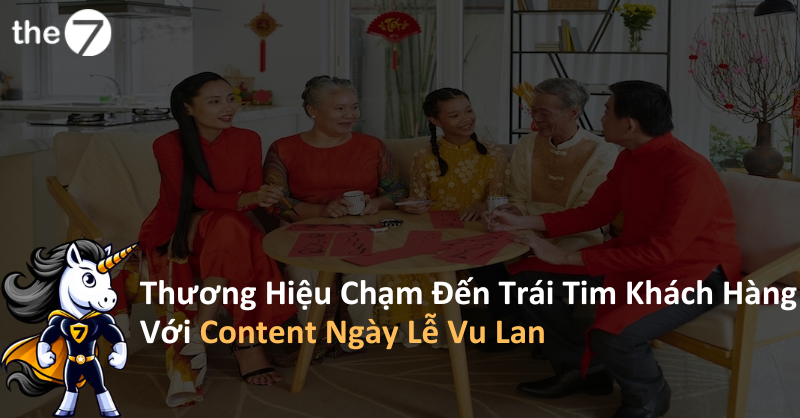
Vu Lan Content Ideas That Win Customers’ Hearts
Vu Lan (Ullambana), a sacred and deeply humanistic festival in Vietnamese culture, is a time when every heart turns toward parents with profound gratitude. For brands, it’s a golden opportunity...
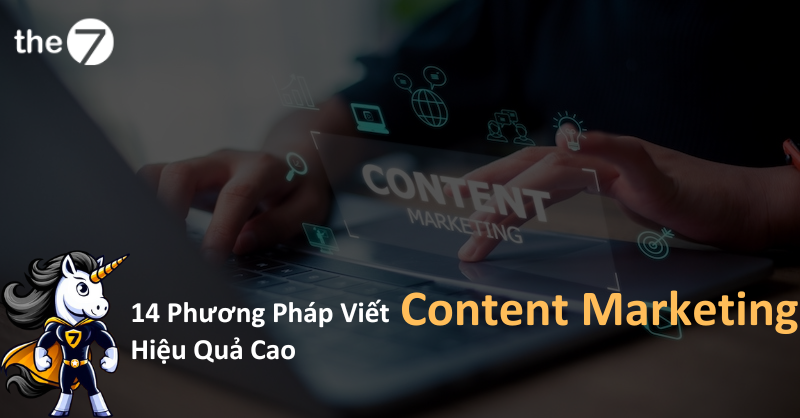
14 Highly Effective Content Marketing Writing Formulas
For content creators, mastering content writing formulas is essential to producing more engaging, high-value posts. Explore the 14 classic content writing formulas below and master the art of content creation....
Content Performance Metrics: 15+ Key KPIs Every Marketer Should Track
Whether you are new to the field or a seasoned content creation expert, the biggest challenge remains the same: “How do I write content that is both creative and effective?”...
The “Fat Cat” Trend: A Costly Lesson for McDonald’s Vietnam
Vietnamese social media has been abuzz in recent days over the tragic story of a Chinese young man nicknamed “Fat Cat” (Mèo Béo). Yet amid this wave of sympathy and...
5 AI-Driven Content Trends Taking Off in 2024
In the ever-changing world of marketing, innovation is the key to success. Staying ahead of trends and understanding customer needs are essential for any business that wants to claim a...
KUN Milk: Can It Break Through in Vietnam’s Dairy Market?
KUN Fresh Milk, the “offspring” of International Dairy Products Joint Stock Company (IDP) – owner of well-known dairy brands such as Love’in Farm, Ba Vi, and others – officially entered...