


The “Fat Cat” Trend: A Costly Lesson for McDonald’s Vietnam
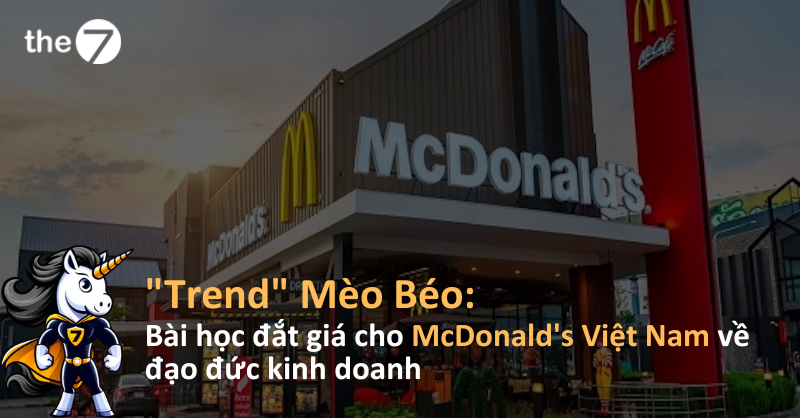
Vietnamese social media has been abuzz in recent days over the tragic story of a Chinese young man nicknamed “Fat Cat” (Mèo Béo). Yet amid this wave of sympathy and sharing, McDonald’s Vietnam shocked the public by stubbornly pushing ahead with an advertising campaign widely seen as callous and disrespectful toward the deceased.
The fast-food chain exploited Fat Cat’s story, turning someone else’s pain into a cheap marketing gimmick to attract customers. This move not only sparked outrage among internet users but also seriously damaged McDonald’s brand image.
This is a wake-up call for businesses about jumping on trends thoughtlessly and irresponsibly. The lesson from McDonald’s Vietnam shows that chasing trends without considering ethics and culture can lead to unpredictable consequences.
McDonald’s faces heavy criticism over its “dirty” marketing campaign
Chinese and Vietnamese internet users alike have been shocked and saddened in recent days by the tragic story of a young man nicknamed “Fat Cat.” His sudden death, following emotional turmoil, left many people with a profound sense of loss.
Beyond social media, residents in Chongqing, China, where Fat Cat lived, spontaneously held memorial gatherings along the banks of the Yangtze River to express their grief and share in the pain felt by his family.
Amid the heartbreaking story of “Fat Cat,” a small detail unexpectedly thrust McDonald’s into the spotlight. Before his death, the young man expressed a simple wish: “In my next life, I don’t want to eat vegetables anymore — I want to eat McDonald’s”.
This line read like a heartbreaking confession about a frugal life, scraping together every penny to save for the woman he loved. McDonald’s — a meal that seems ordinary to many — became a luxury the young man could only dream of.
This detail made the online community feel even more heartbroken and sympathetic toward Fat Cat’s fate. Many people went to McDonald’s outlets near where he died to order food, as a way of remembering him and honoring the young man’s final wish.
McDonald’s, once just a familiar fast-food brand, suddenly became a symbol of the small, unfulfilled longing of an unfortunate soul.
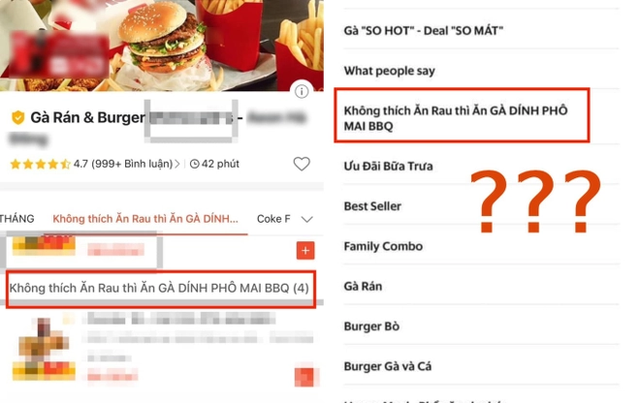
McDonald’s Vietnam sparked outrage by exploiting Fat Cat’s tragic story to advertise its products in a callous and disrespectful way. The ad copy “Don’t like vegetables? Eat BBQ Cheese Chicken instead” was fiercely criticized for capitalizing on someone else’s pain for profit. This move not only cost McDonald’s points in consumers’ eyes but also serves as a lesson in responsible social media use.
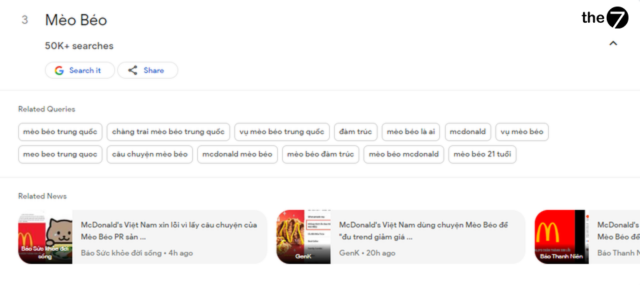
McDonald’s Vietnam’s attempt to jump on the Fat Cat trend quickly turned into a “nightmare” as it faced a fierce wave of criticism from internet users. The ad, branded as “thoughtless” and accused of “farming likes” off a deceased person’s pain, drew a torrent of harsh backlash for the brand.
Although the controversial ad content was quickly taken down, the wave of outrage kept spreading across social media and the press. McDonald’s Vietnam became the target of widespread criticism over its tone-deaf PR stunt, condemned for exploiting a tragic story for its own gain.
An official apology posted on its Fanpage on the evening of May 6 seemed insufficient to calm consumers’ anger. This incident stands as a costly lesson for McDonald’s Vietnam on business ethics and the social responsibility expected of a major brand.
McDonald’s mistake is a wake-up call for brands
Listen to the community and respect cultural values
The “Fat Cat” story exposed two contrasting approaches by McDonald’s China and McDonald’s Vietnam in jumping on the trend. While McDonald’s China showed empathy by supporting local residents’ memorial activities, McDonald’s Vietnam drew criticism for its tactless advertising that exploited someone else’s pain.
This incident shows that jumping on trends is not simply about chasing what’s popular, but also requires a deep understanding of culture, ethics, and compassion. Every communications message, no matter how appealing, needs to be carefully weighed for its impact on the community and the people involved.
The lesson from McDonald’s is a reminder to brands that riding a trend must go hand in hand with social responsibility and respect for human values. By understanding and empathizing with sensitive social issues, brands can build a positive image and forge stronger connections with their customers.
The importance of content moderation
McDonald’s Vietnam is known for its quick, sharp trend-jacking, but this time its haste seems to have caused the brand to skip a critical content review step. As a global, professional, large-scale brand, this oversight is all the harder to accept. Many people couldn’t help but wonder: “What was the marketing team thinking? Who was responsible for approving this content and menu?”
Not just products and services — communications materials also need to be tightly controlled. Whether it’s everyday content or a lightning-fast attempt to ride a trend, brands need to pay special attention to the following factors:
- Cultural fit: Does the trend respect local customs, ethics, and culture?
- Brand relevance: Does the trend align with the brand’s image and core values?
- Sensitivity: Does the trend touch on sensitive issues such as politics, religion, or social norms?
- Community impact: Could the trend cause any negative consequences for groups within the community?
- Consumer perception: What will customers think when they encounter this content?
By putting themselves in consumers’ shoes and carefully weighing these factors, brands can ensure that all their communications content is positive, appropriate, and contributes to building a sustainable brand image.
>>>See also: Lessons from BVLGARI in “Queen of Tears”: The Art of Storytelling Elevating Product Placement
Conclusion
McDonald’s careless attempt to ride a trend is not only a costly lesson for the brand itself, but also a wake-up call for other brands chasing market trends. In particular, missteps involving cultural and ethical issues, as in McDonald’s case, can trigger a fierce public backlash and seriously damage a brand’s reputation and image.
Source: Marketing AI

Nguyễn Đình
Bảo




As CEO of The7, I am committed to sharing practical, useful knowledge with every reader. Every article on The7 is based on my 7 years of hands-on experience in marketing — Facebook advertising, LinkedIn advertising, Google advertising, and marketing strategy. I hope you take away plenty of insight from these posts and apply it successfully in practice.
Related Articles

Solo but Not Lonely: Vietnam’s Rise of Solo Dining in F&B
The solo-dining trend — “hotpot for one,” “lonely noodles,” or “self-dates” — is becoming a popular movement among young Vietnamese people, opening up major opportunities for the F&B industry. More...
How Katinat’s Charity Marketing Campaign Sparked Public Backlash
Recently, Katinat launched a campaign to support compatriots in Làng Nủ, a community hit hard by storms and floods, promising to donate 1,000 VND from every drink sold between September...

Gojek Decides to Cease Operations in Vietnam
After six years of building its business in Vietnam, the ride-hailing and food delivery platform Gojek has officially announced that it is shutting down. Starting September 16, 2024, users will...

E-Commerce Platform Shein Suspected of Using Toxic Chemicals in Its Clothing
The discovery of harmful chemicals in Shein’s products has raised concerns about the hidden risks in fast fashion, an industry where trends usually come first. The incident has not only...

The Coffee House: A Former Market Leader Struggling Against New Rivals With a Faded USP
The Coffee House was once a promising icon of Vietnam’s F&B industry, but recent months have seen the brand shrink at an alarming pace, with a wave of branch closures...
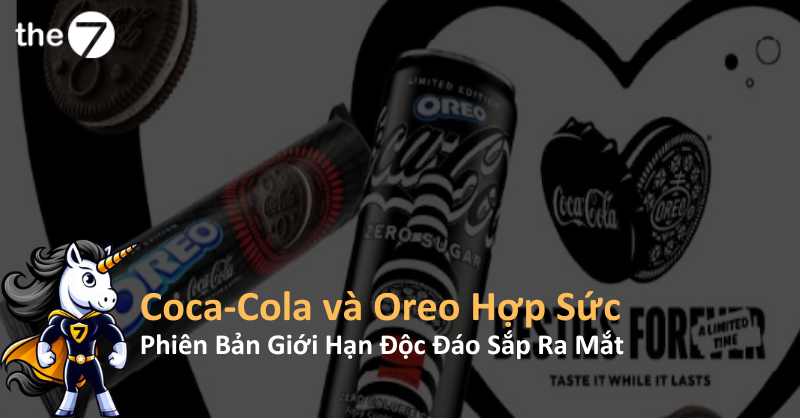
Coca-Cola and Oreo Team Up: Unique Limited Editions Coming Soon
If you’ve always dreamed of what Cola and cookies would taste like together, now’s your chance! Coca-Cola and Oreo have teamed up to bring you a one-of-a-kind combination – but...