


Gojek Decides to Cease Operations in Vietnam
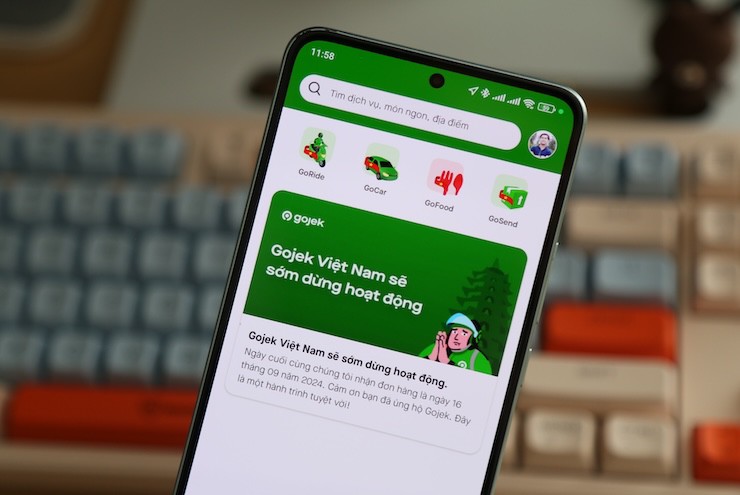
After six years of building its business in Vietnam, the ride-hailing and food delivery platform Gojek has officially announced that it is shutting down. Starting September 16, 2024, users will no longer be able to access Gojek’s services. The decision appears to stem from the challenges that its parent group GoTo has faced over the past year, from managing internal resources to a marketing strategy that fell short, along with fierce competitive pressure in the market. It may also signal how important a solid marketing strategy is for sustaining and growing a brand, especially in a business environment as volatile as today’s.
Gojek Exits Vietnam: Defeated by Fierce Competitive Pressure
Gojek was once a heavyweight rival to Grab when it entered the Vietnamese market in August 2018 under the name GoViet. It quickly made a strong impression with special promotions such as flat-fare rides at 1,000 VND, 5,000 VND, and 10,000 VND. At the time, the GoViet brand, with its signature red color, became a formidable counterweight to the green of the ride-hailing unicorn from Malaysia.
In August 2020, GoViet officially rebranded as Gojek Vietnam, aligning its brand identity with its parent company in Indonesia. In May 2021, Gojek merged with Tokopedia, and the GoTo group was born. Today, GoTo is Indonesia’s largest digital ecosystem, made up of three main members: Gojek, Tokopedia, and GoTo Financial.
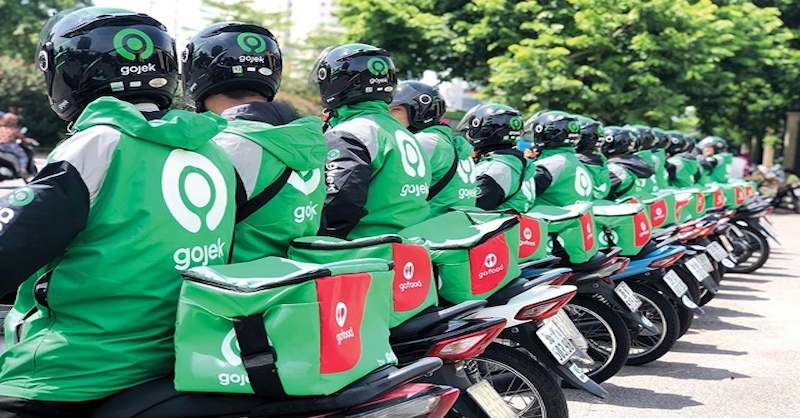
After six years of trying to win over the Vietnamese market, Gojek has run into serious financial difficulties, with accumulated losses reaching trillions of VND. This shows that, despite its resources and high expectations, Gojek could not keep up its competitiveness against stronger rivals such as Grab and Be. On top of that, Gojek’s market share in ride-hailing and add-on services such as GoFood and GoSend has kept shrinking. These services, once expected to set Gojek apart, are now overshadowed by the expansion of its competitors. The pressure from the market and the failure to sustain growth forced Gojek into a difficult decision: withdraw from Vietnam to refocus and concentrate on more effective long-term strategies.
“We would like to extend our deepest gratitude to all of our employees, users, driver partners, and restaurant partners – those who have walked alongside us and made an indispensable contribution to Gojek’s journey in Vietnam. During this transition period, we are committed to providing all necessary support to everyone affected, while ensuring strict compliance with current legal regulations,” a Gojek representative said.
Why Gojek Is Ending Operations in the Vietnamese Market
Market Pressure
In August 2020, Gojek began showing signs of “falling behind” competitors such as Grab and Be. According to a report by ABI Research, GoViet’s share of the ride-hailing segment was only 10.3%, significantly lower than Be (15.6%) and Grab (72.8%). In food delivery, GoFood also lagged behind GrabFood and Now in both customer satisfaction and frequency of use. By 2021 and 2022, Gojek Vietnam’s business grew even tougher due to the impact of the COVID-19 pandemic. In 2022, its parent group GoTo reported a net loss that rose 56% from 2021, to USD 2.7 billion. In January 2023, Mr. Phùng Tuấn Đức stepped down as CEO of Gojek Vietnam, making way for Mr. Sumit Rathor, Gojek’s regional director in Indonesia, who became the fourth CEO of Gojek in Vietnam. Even so, the outlook remained bleak: in 2023, data from Momentum Works showed that Gojek accounted for a mere 3% of the gross merchandise value (GMV) of Vietnam’s food delivery market.
Parent Company in Financial Trouble
GoTo, Gojek’s parent company, could not escape the spiral of financial difficulty, with its net loss jumping 56% in 2022 to USD 2.7 billion, three times its revenue. The crisis deepened as its share price kept plunging, pushing its market capitalization into a precarious position. This decline had heavy consequences for Gojek, forcing it to slash its marketing budget and weakening its competitiveness in Vietnam. With total transaction value making up less than 1% of the GoTo ecosystem, Gojek Vietnam seemed to become a considerable burden. In that context, withdrawing from the Vietnamese market to focus resources on key markets such as Indonesia and Singapore was not only a reasonable decision but also a necessary strategic move to preserve the group’s strength in this challenging period.
An Unclear USP
The three “big names” in Vietnam’s ride-hailing market each have their own advantages. Xanh SM, the rising newcomer, quickly made its mark with an electric vehicle ecosystem and a huge fleet from VinFast, bringing a new direction to the industry. Be, a contemporary of Xanh SM, pioneered the “multimodal mobility super app” model (MaaS Aggregator) in Vietnam, with many add-on services such as grocery shopping on your behalf, plane ticket booking, and car rental, improving the user experience.
Meanwhile, Gojek kept four core services: two-wheelers (GoRide), cars (GoCar), food delivery (GoFood), and package delivery (GoSend). Although it operated reliably, Gojek lacked a standout difference from its competitors. Its services were not as diverse as Be’s or Grab’s and had no distinctive highlight like Xanh SM’s electric vehicles, making the brand less noticeable in the fierce competition of the Vietnamese market.
>>> See more: What Is a Unique Selling Point (USP)? 3 Key Factors That Make You Different
Conclusion
Gojek’s decision to withdraw from the Vietnamese market is a clear demonstration of the importance of a solid marketing strategy and differentiation in competition. Despite its strong resources and the splash it once made with bold promotional campaigns, the lack of an effective marketing strategy and a distinctive service gradually cost Gojek its appeal against rivals. In a volatile ride-hailing and food delivery market, maintaining a creative, flexible marketing strategy that targets the core elements of the brand is vital to not only survive but also grow sustainably.

Nguyễn Đình
Bảo




As CEO of The7, I am committed to sharing practical, useful knowledge with every reader. Every article on The7 is based on my 7 years of hands-on experience in marketing — Facebook advertising, LinkedIn advertising, Google advertising, and marketing strategy. I hope you take away plenty of insight from these posts and apply it successfully in practice.
Related Articles

Solo but Not Lonely: Vietnam’s Rise of Solo Dining in F&B
The solo-dining trend — “hotpot for one,” “lonely noodles,” or “self-dates” — is becoming a popular movement among young Vietnamese people, opening up major opportunities for the F&B industry. More...
How Katinat’s Charity Marketing Campaign Sparked Public Backlash
Recently, Katinat launched a campaign to support compatriots in Làng Nủ, a community hit hard by storms and floods, promising to donate 1,000 VND from every drink sold between September...

E-Commerce Platform Shein Suspected of Using Toxic Chemicals in Its Clothing
The discovery of harmful chemicals in Shein’s products has raised concerns about the hidden risks in fast fashion, an industry where trends usually come first. The incident has not only...
The Coffee House: A Former Market Leader Struggling Against New Rivals With a Faded USP
The Coffee House was once a promising icon of Vietnam’s F&B industry, but recent months have seen the brand shrink at an alarming pace, with a wave of branch closures...
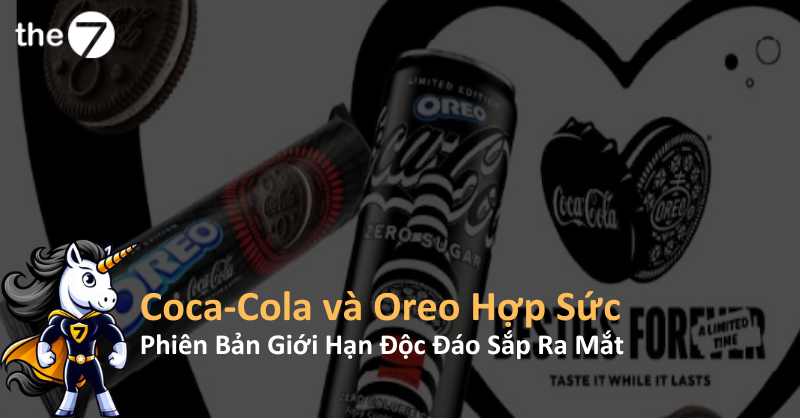
Coca-Cola and Oreo Team Up: Unique Limited Editions Coming Soon
If you’ve always dreamed of what Cola and cookies would taste like together, now’s your chance! Coca-Cola and Oreo have teamed up to bring you a one-of-a-kind combination – but...

From Rebellious Boy to French Fashion Empire: The Story of Jean-Paul Gaultier
Unbound by traditional conventions, Jean-Paul Gaultier brought a bold, fresh wind into the fashion world. Although he never had any formal training, that did not hold him back. It fueled...