


E-Commerce Platform Shein Suspected of Using Toxic Chemicals in Its Clothing

The discovery of harmful chemicals in Shein’s products has raised concerns about the hidden risks in fast fashion, an industry where trends usually come first. The incident has not only made consumers doubt product quality, but also forced fast-fashion brands to face the major challenges of producing cheap clothing.
Shein: From the Peak to the Slide – Soaring Revenue, but Product Quality Raises Concerns
From a small online fashion startup, Shein has grown into a “giant” of the global fast-fashion industry, reaching more than 150 countries and employing more than 11,000 people. In just 5 years, Shein’s revenue grew nearly 30-fold, from 0.61 billion USD in 2016 to an impressive 15.7 billion USD in 2021. Even as the world grappled with the Covid-19 pandemic, Shein still made its mark with exceptional growth, thanks to the rise of e-commerce during lockdowns. The Financial Times forecasts that Shein’s revenue could reach 53 billion euros (58 billion USD) by 2025.
Recently, however, Shein’s halo has dimmed as the company faces a fierce wave of criticism after its products were found to contain harmful chemicals above permitted levels. The latest report from the German magazine Oekotest shows that, of 21 random Shein products tested, two-thirds failed to meet quality standards.
In particular, a girl’s dress printed with a unicorn was found to contain antimony, a substance that can harm the skin and affect health. In addition, a pair of the brand’s sandals contained large amounts of lead and cadmium – heavy metals that can seriously damage the kidneys and bones when they accumulate over time.
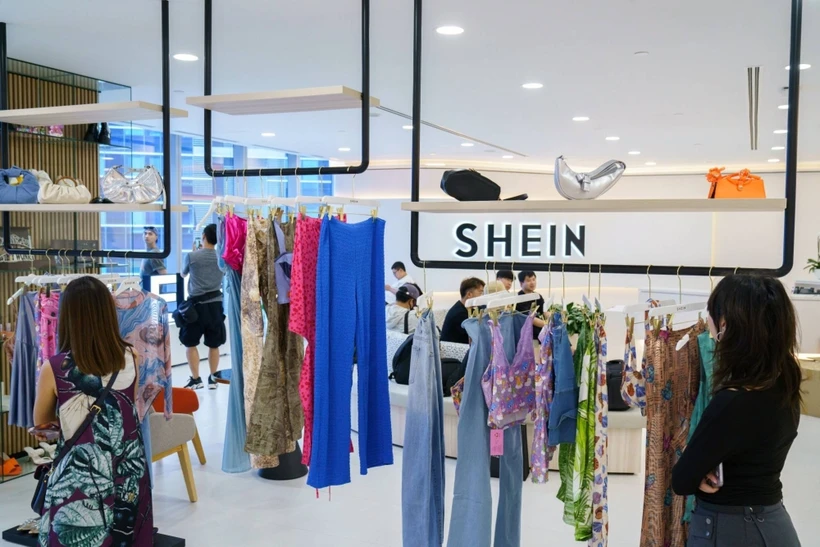
This is not the first time Shein has been caught up in a product-quality scandal. In May 2024, South Korean authorities found a pair of Shein shoes with a phthalate content 428 times the permitted level, a record in inspections in Seoul. Phthalate, a plastic softener, not only disrupts the endocrine system but is also linked to obesity, cardiovascular disease, cancer and reproductive problems.
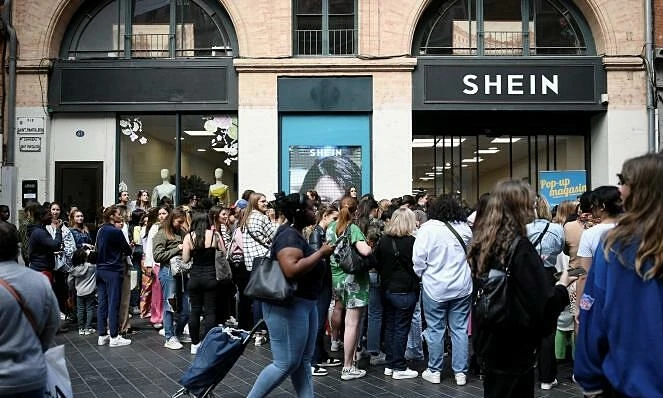
With the ability to launch as many as 1.3 million different styles a year, Shein’s dizzying production speed is raising concerns about product quality. Although its headquarters are in Singapore, Shein’s products are manufactured at more than 5,000 factories in China. The lack of tight oversight during production could be a major “loophole” that lets products containing harmful chemicals flood the market.
The Ultra-Fast Fashion Industry: Rapid Growth and Unpredictable Impact
Fast fashion has conquered the global market with trendy designs and attractive prices. The industry is going through a spectacular boom. In the first quarter of fiscal year 2024, Inditex, the global fashion giant, reported a 7.1% rise in sales to 8.2 billion euros. Likewise, the parent company of Uniqlo raised its full-year net profit forecast to a record high thanks to outstanding global sales.
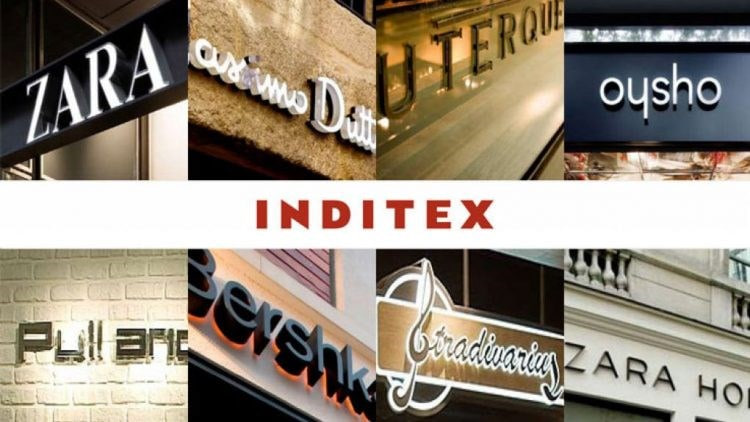
According to The State of Fashion 2024 report by Business of Fashion and McKinsey, 40% of U.S. consumers and 26% of U.K. consumers shopped at fast-fashion giants such as Shein and Temu over the past year, and the figure may be even higher once other fast-fashion retailers are included.
However, this strong growth comes at a price. Consumers typically wear cheap clothes only about 7 times before throwing them away, so millions of items end up in landfills or incinerators every year. The textile industry is one of the main drivers of greenhouse gas emissions, at 1.2 billion tons a year, more than aviation and maritime shipping combined.
Clothing production has doubled since 2000, and to meet ever-rising demand, many items are made from polyester – a synthetic fiber derived from petroleum that takes 200 years to decompose. As fast fashion continues to soar, questions about the price of this growth and its impact on the environment are becoming ever more urgent.
Green Fashion: A Sustainable Solution for the Fashion Industry
The concept of “green fashion” is drawing more and more attention, with products designed to minimize environmental impact, such as clothing made from natural fibers. To protect the planet, the industry needs to change how it produces, use recycled materials and pursue sustainable solutions.

Even so, the appeal of fast fashion, with its affordable prices and constantly refreshed designs, is still hard to give up. Gen Z, the generation expected to lead the way in sustainable consumption, is struggling to choose between green fashion and fast fashion. According to a 2023 Deloitte survey, although the environment is Gen Z’s top concern, only 33% of them have cut back on spending on fast fashion, and 25% plan to do so.
Can green fashion truly solve the environmental problems the industry faces, or is it just a big challenge in the search for a balance between sustainability and convenience?
Conclusion
After the discovery of harmful substances in Shein’s products, it is time for both brands and consumers to take a serious look at how fast fashion is consumed and the far-reaching consequences it brings. Although the ideal of eco-friendly fashion is becoming increasingly practical, before it can become reality, the fashion industry needs to “slow down,” and consumers need to thoughtfully adjust their shopping needs. Let’s work together toward a future where smart choices and mindful consumption open the door to a more sustainable and responsible fashion industry.
> See more: The Coffee House: A Former Market Leader Now Struggles Against New Competitors With a Faded USP
By Hải Yến
Source: MarketingAI

Nguyễn Đình
Bảo




As CEO of The7, I am committed to sharing practical, useful knowledge with every reader. Every article on The7 is based on my 7 years of hands-on experience in marketing — Facebook advertising, LinkedIn advertising, Google advertising, and marketing strategy. I hope you take away plenty of insight from these posts and apply it successfully in practice.
Related Articles

Solo but Not Lonely: Vietnam’s Rise of Solo Dining in F&B
The solo-dining trend — “hotpot for one,” “lonely noodles,” or “self-dates” — is becoming a popular movement among young Vietnamese people, opening up major opportunities for the F&B industry. More...

How Katinat’s Charity Marketing Campaign Sparked Public Backlash
Recently, Katinat launched a campaign to support compatriots in Làng Nủ, a community hit hard by storms and floods, promising to donate 1,000 VND from every drink sold between September...

Gojek Decides to Cease Operations in Vietnam
After six years of building its business in Vietnam, the ride-hailing and food delivery platform Gojek has officially announced that it is shutting down. Starting September 16, 2024, users will...

The Coffee House: A Former Market Leader Struggling Against New Rivals With a Faded USP
The Coffee House was once a promising icon of Vietnam’s F&B industry, but recent months have seen the brand shrink at an alarming pace, with a wave of branch closures...
Coca-Cola and Oreo Team Up: Unique Limited Editions Coming Soon
If you’ve always dreamed of what Cola and cookies would taste like together, now’s your chance! Coca-Cola and Oreo have teamed up to bring you a one-of-a-kind combination – but...

From Rebellious Boy to French Fashion Empire: The Story of Jean-Paul Gaultier
Unbound by traditional conventions, Jean-Paul Gaultier brought a bold, fresh wind into the fashion world. Although he never had any formal training, that did not hold him back. It fueled...