


Shopping Psychology: What You Might Not Know About Shopper Behavior

To succeed in rural markets, brands need to understand shopper behavior patterns by distribution channel and product category. These insights are a solid foundation for designing Trade Marketing strategies that not only reach rural consumers but win them over effectively.
Shopper vs. Consumer Behavior in Trade Marketing: Similarities and Differences in the Retail Channel (GT)
The distinction between shopper behavior and consumer behavior is key for brands that want to build the right kind of value. Consumers tend to focus on product quality, appearance and the experience of using it. In certain specialized categories such as home appliances, they also care about accompanying services like maintenance, servicing and repairs. This shows that the idea of a “consumer” is tied more to the product than to the point of sale. That is why R&D and production teams play the main role in creating value for consumers.
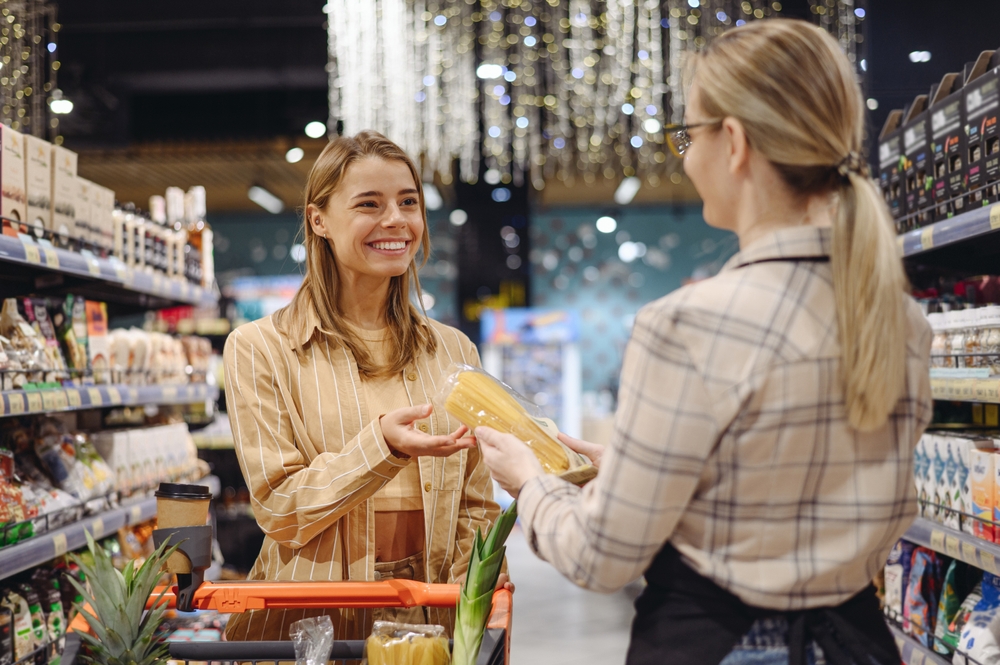
Shoppers are present mainly in the retail environment and regularly buy in person at strategic points of sale in rural areas. To satisfy shoppers, then, you need to design product displays, promotions and in-store services that are polished and appealing.
In certain specialized categories such as Baby Care, the difference between shopper and consumer becomes even clearer. For example, mothers typically act as the shopper and consistently choose diapers, formula, toys and clothing from trusted brands to protect their children’s health.
In the FMCG category, which includes products such as shampoo, toothpaste, soft drinks and snacks, the shopper and the consumer are usually the same person. Even though shoppers are also the users and understand their own needs, their purchase decisions are still strongly influenced by Trade Marketing activities.
That said, shoppers and consumers are always deeply connected, and separating them is mainly a way to clarify the roles of different departments. In particular, when we talk about “product coverage,” we need to focus on the shopper. This calls for planning how to use Trade Marketing tools strategically to influence shoppers the moment they step into a point of sale.
How Rural Shoppers React When Buying at Different Points of Sale
People are often shaped by external factors, so they follow different behavior patterns depending on the context.
No one wants to linger in a small, run-down grocery store. By contrast, most customers are happy to spend plenty of time shopping and being entertained at chain supermarkets such as Co.op Mart or Con Cưng. These places offer not only spacious, airy shopping areas but also a wide range of products and attentive advisory service, creating a comfortable and satisfying shopping experience for customers.
Tools for Identifying Shopper Behavior Patterns for Brands
In the countryside, when a mother wants to buy milk for her child, she usually stops by the distributor store in her commune. There she is impressed by the variety of formula brands such as Alpha and Abbott, and she is also influenced by the store owner. It is common in rural areas for the owner to recommend a new formula brand and for the mother to agree to buy a trial, thanks to the close relationship between shopper and retailer that I mentioned in earlier posts. This respect often leads shoppers to buy on the advice of the retailer.

In chain supermarkets, shoppers tend to move quickly through the aisles and stop only to look at certain shelves. To take advantage of this, supermarkets need to design these areas to be attractive and to showcase key products, as well as promotions, in convenient and eye-catching positions that grab shoppers from the first glance.
In short, because shoppers’ psychology is so varied, brands need to understand behavior patterns in each type of store and apply them in their Trade Marketing strategy. This matters because Trade Marketing affects not just individual points of sale but can spread across an entire region and the whole country. Staying consistent in this strategy helps avoid wasting budget unnecessarily.
Point-of-Sale Strategies Brands Use to Stimulate Shopper Behavior
In commune-level areas, shoppers are strongly influenced by the large distributor stores near their homes. At the district level, however, people tend to prefer going to the market, even though a market is really just a cluster of many retail shops. In addition, traditional-style supermarkets such as Bách Hoá Xanh and Co.op Mart are also common there.
To succeed in Trade Marketing, brands need to understand shopper behavior patterns in each type of store. Some categories tend to use display strategies to catch the shopper’s attention, as with Oishi and Poca snacks and their eye-catching colors. Brands often design their packaging to be easy to recognize and to make a strong impression on shoppers.
At the same time, with motorbike culture so widespread in Vietnam, brands such as Double Mint and Cool Air typically place their products where they are easy to see on retail shelves, helping shoppers recognize them and decide to buy even while riding down the road.
Unlike the impulse purchases of products such as snacks and chewing gum, beer consumers in rural areas are often influenced by social factors and the need to buy gifts. As a result, the recipient may wonder whether drinking an “unfamiliar” beer could give them a headache.
To boost visibility and build trust, new beer brands often create a fake Halo effect by stacking 5-6 empty beer crates at many large stores in the area. This not only makes people aware that this is a well-known brand but also encourages them to be more open to trying the new product, rather than worrying about its side effects.
In the beverage sector, buying cold drinks at grocery stores while riding or driving is also a regular habit. This has led to a market battle among brands over cooler cabinets. Many companies supply special coolers to retail stores, making it easy for shoppers to choose products on the go.
In the condiments category, consistency between the GT and MT channels shows up in cross-merchandising strategies that aim to create a closer connection with shoppers. An example is displaying fish sauce, garlic, chili and similar items alongside vegetables, fruit, meat and fish on the same shelf in both supermarkets and traditional stores.
In Homecare, products such as shampoo and shower gel are often displayed as small SKUs with caps that can be opened so shoppers can smell the product, instead of large bottles with pump dispensers. This increases engagement and draws consumers’ interest while they shop.
New Brand Strategies to Drive Purchase Behavior in Rural Areas
To begin with, new brands need to invest in a display strategy that captures the attention of rural shoppers and keeps them from buying out of habit. Next, it is crucial to select large outlets for Trade Activation, including using PGs (promotion girls) to step into the customer’s shopping journey. One of the simplest ways is to use PGs to invite customers into the outlet and try the product.
>>> See more: The “Decoy” and “Bargain” Marketing Strategy: The Secret to Manipulating Consumer Psychology
By Lam Phương
Source: Brands Vietnam

Nguyễn Đình
Bảo




As CEO of The7, I am committed to sharing practical, useful knowledge with every reader. Every article on The7 is based on my 7 years of hands-on experience in marketing — Facebook advertising, LinkedIn advertising, Google advertising, and marketing strategy. I hope you take away plenty of insight from these posts and apply it successfully in practice.
Related Articles
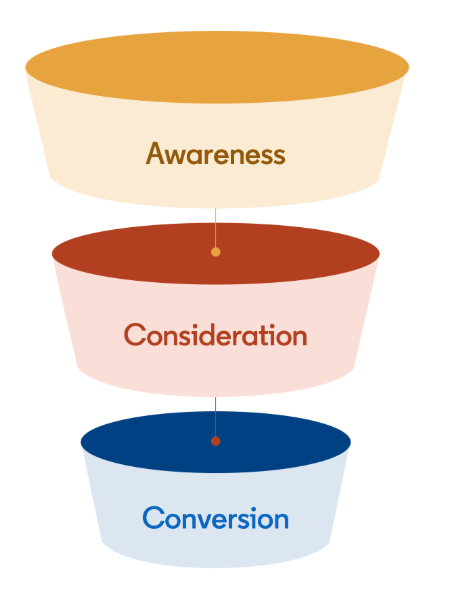
Building a Full-Funnel Content Marketing Strategy on LinkedIn
Table of Contents Toggle Why Build Content Marketing for the Full Marketing Funnel? (Why Full-Funnel Content Marketing?)Creating Your Strategy (Creating Your Strategy)Implementing Your Content Strategy (Rolling out your content strategy)Summary...
Designing Creative Content for LinkedIn
Table of Contents Toggle Why Is Good Creative Content So Important? (Why is Good Creative Important?)Key Components of Creative Design (the core elements of creative design)Summary (summary) Why Is Good...

Building an Organic Business Presence on LinkedIn With a LinkedIn Page
Table of Contents Toggle Why Have a LinkedIn Page?Establishing Your LinkedIn PageKeeping Your LinkedIn Page ActiveThe Measure of SuccessSummary About LinkedIn Page (Summary) Why Have a LinkedIn Page? For a...
6 Best LinkedIn Marketing Strategies for B2B in 2026
Table of Contents Toggle LinkedIn 2026: Where B2B Decisions Get MadeStrategy #1 – Why Is LinkedIn the Best B2B Marketing Channel Today?1. Decision-makers are concentrated here2. Users are in work...

7 Social Media Trends for 2026: The Era of Real Value, Real Conversion, and Real People
Table of Contents Toggle Social media is entering the biggest restructuring of the decadeTrend 1: Why is buying directly in-app becoming the new standard for 2026? (On-Platform Conversion)What should businesses...

What Is TikTok Marketing? Effective TikTok Marketing Strategies
TikTok has been topping the global rankings of the most downloaded and most visited apps. That makes it a gold mine for marketers who love creativity. In this article, The7...