


AI: The Marketer’s New Ally
“Will AI replace marketing?” and “Will AI take all our jobs?” are the questions on everyone’s mind right now, and answering them means understanding the constantly changing marketing landscape.
Rather than taking over marketing jobs, AI is becoming an ally: it delivers valuable analysis, saves time through automation, and strengthens the human touch in marketing strategies. One study found that 61.4% of marketers are already using artificial intelligence to create content and improve the way they work.
This integration of AI empowers marketing teams to stay up to date, make the most of data collection, and handle many automation-friendly tasks efficiently. That holds true as long as artificial intelligence complements emotional intelligence and is enhanced by humans.
In short, despite the worries about AI replacing marketing roles, the real shift is toward a symbiotic relationship, one where the power of artificial intelligence and digital marketers (even those who follow traditional methods!) come together to deliver more effective, more personalized marketing solutions.
Will AI Take Over Marketing Jobs?
No! As mentioned in the introduction, artificial intelligence is not expected to completely take over marketing jobs. While AI will replace some tasks, especially repetitive or monotonous ones, the core of marketing, which stems from creativity, empathy, and human connection, remains out of reach for today’s AI.
AI tools such as chatbots and data analytics can streamline operations, but the nature of marketing still demands human understanding, emotional intelligence, and original ideas, which artificial intelligence cannot replace.
Let’s walk through each opportunity to use AI in marketing so you can stay on top of the trends:
1. AI-Powered Data Analysis
AI-powered data analysis uses intelligent algorithms to process huge volumes of data and uncover patterns and insights that improve marketing activities. AI examines customer behavior to identify their preferences and needs, helping create highly focused marketing campaigns. For example, AI groups customers with similar characteristics so you can tailor your messaging, making sure the right people see the right ad at the right time.
Netflix is living proof of how well this approach works. It uses machine learning to recommend shows and movies users are likely to enjoy, which keeps them interested and retains customers. You can watch the YouTube video below to better understand how Netflix harnesses AI and the power of data:
2. Content Creation and Personalization
AI is extremely useful when you need to create content, and especially when you need to personalize it, allowing you to spread tailored marketing messages. As a result, you can capture your target audience’s attention faster and more effectively. With AI-based tools, you can generate content ideas that fit your goals and personalize email marketing campaigns to boost engagement and relevance.
Spotify uses AI to customize playlists based on users’ behavior and preferences, improving the listening experience. It is a great example of the potential of artificial intelligence for building personalized marketing strategies.
To expand on the role of artificial intelligence in marketing, we can also mention Grammarly’s AI, one of the best AI-based tools for improving the quality of written content on digital platforms. Grammarly suggests improvements to tone, style, and clarity, making sure your message resonates with your target audience.
With the YouTube video below, you can learn all about how to use Grammarly AI and optimize your content creation process:
3. Digital Advertising Optimization
Optimizing digital advertising means using data analysis, artificial intelligence, and strategic planning to make sure ads reach the right audience, at the right time, through the right channels.
A key element of digital advertising optimization is the use of sophisticated algorithms and machine learning techniques. These technologies analyze large volumes of data to identify patterns in consumer behavior, preferences, and engagement. By understanding these patterns, you as an advertiser can adjust your campaigns to fit your target audience, which increases the likelihood of conversion.
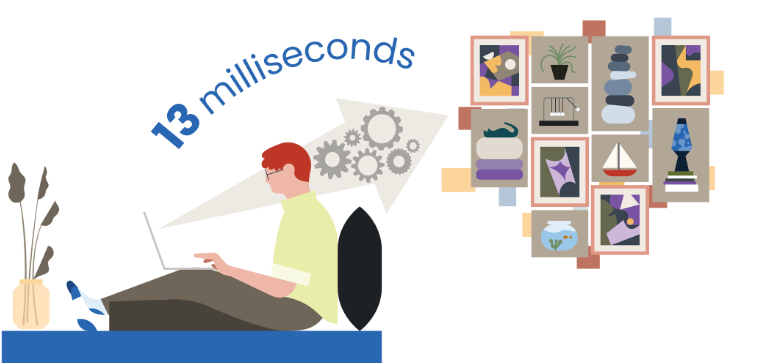
Real-time bidding (RTB) and programmatic advertising are prime examples of how digital advertising is being optimized. These automated, algorithm-driven processes allow online ad impressions to be bought and sold through auctions in real time. The whole process takes just a few milliseconds, about the time it takes to load a web page.
Coca-Cola, one of the companies using artificial intelligence, applies this technology to place ads in front of its target audience across many online platforms. The company is curious about how AI can help create ads that reach people more effectively. Coca-Cola’s marketing team, led by global digital chief Mariano Bosaz, is exploring the possibilities of AI advertising, which helps it connect better with its audience.
4. Predictive Analytics for Trend Forecasting
Predictive analytics with AI involves a range of statistical techniques, including data mining, machine learning, and big data analytics, to analyze current data and make predictions about marketing trends.
For marketers, applying predictive analytics can be a game-changing advantage. It makes it possible to anticipate customer needs, optimize product offerings, and spot potential market opportunities before they become obvious. This foresight can lead to better-targeted marketing campaigns, higher customer satisfaction, and increased ROI (return on investment).
One of the main benefits of artificial intelligence in digital marketing, in the area of predictive analytics, is the ability to identify and target potential customer segments. By understanding customer behavior patterns and predicting future buying trends, you can tailor your marketing activities to meet the specific needs of different audience groups.
In addition, predictive analytics can help forecast sales and demand, allowing companies to adjust inventory levels accordingly and avoid overproduction or stockouts. This level of operational efficiency not only reduces waste but also ensures customer requests are met in a timely manner, which in turn strengthens brand loyalty.
5. Improving Customer Experience with Chatbots
Chatbots are a great tool for delivering personalized responses. They analyze and understand customer needs through advanced algorithms, especially since the rollout of generative AI. We all know that for years, chatbots showed fairly limited ability to meet customer needs. However, with the technological improvements of generative AI, they are starting to make a strong impression, and chatbots keep evolving every day. Here is how The Economist sums up the past, present, and future of using artificial intelligence to run chatbots:
Yes, a chatbot is a truly invaluable tool for gathering insights directly from customer interactions. This data is rich in information about customer preferences and behavior, so marketers like you can use it to adjust your strategies and products more effectively.
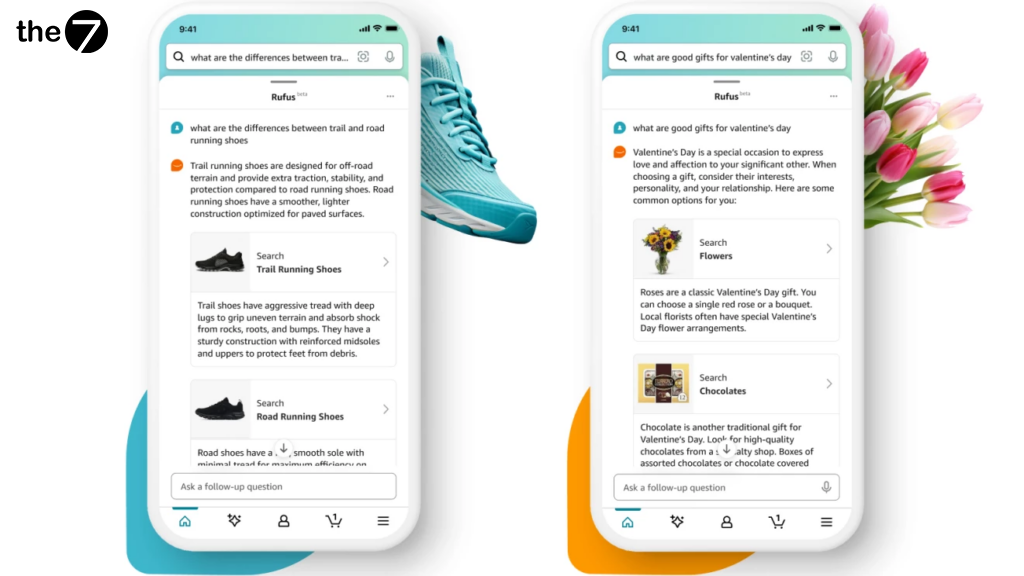
Amazon is one of the biggest companies benefiting from the power of AI-based chatbots to enhance the customer experience and streamline its online channels. Its use of AI-integrated chatbots is part of a broader trend known as “conversational commerce,” which aims to drive sales through proactive customer engagement and to optimize customer relationship management (CRM).
Furthermore, chatbots are seen as a way to cut labor costs significantly, with estimates showing that 30% of customer service positions in the US could be automated through chatbots, with the potential to save billions of dollars in annual salaries.
6. Social Media Insights and Engagement
AI-powered tools are completely changing how companies interact with social media, offering in-depth data collection and analysis. Technology like this shines at understanding and fully analyzing consumer behavior from social media interactions, enabling digital marketers to fine-tune their campaigns with unprecedented accuracy. All of this ensures that AI-driven marketing strategies will be effective at increasing engagement. With the help of AI, you can not only understand and assess consumer behavior but also create truly compelling responses and build deeper connections.
Questions like “Will AI replace marketing jobs?” can be put to rest once we recognize that artificial intelligence aims to support marketing teams, not replace them. AI and human marketers together form a mutually beneficial partnership, combining AI’s data analysis capabilities with human creativity and empathy.
7. SEO and Content Strategy
Artificial intelligence is shaping how businesses approach SEO and content strategy, leading to significant improvements in search engine rankings and website traffic. By automating keyword research and SEO optimization with AI tools, you can easily identify and target the most effective keywords and optimize your web content accordingly.
AI’s advanced data analysis capabilities make it possible to identify trending topics and search phrases. This gives you a real strategic advantage when planning content. With artificial intelligence, you can also evaluate your web content against search engine algorithms and get suggestions for improving your rankings. This can include optimizing meta tags, enhancing content quality, improving website structure, and more.
AI significantly influences content strategy by providing insights into audience preferences and content performance, which drives highly personalized and engaging content and, in turn, increases conversion rates. AI-powered tools evaluate the impact of content and suggest the topics and styles most likely to attract and retain visitors.
HubSpot harnesses artificial intelligence to boost productivity and creativity in marketing, offering tools that automate tasks, generate content, and provide deep analytics. This not only saves time but also improves content quality and SEO optimization efforts, with AI content generation tools that also write captions and meta descriptions.
In conclusion, we can say that the answer to the question “Will AI replace marketing jobs?” is a clear “No.” However, artificial intelligence will dramatically change, and in fact is already changing, the way marketing operates by optimizing it with new tools and ideas. AI will help marketers do their jobs smarter and faster, but it will not eliminate the need for people in marketing. Instead, AI will make marketing more exciting and effective for everyone involved, and this is proven again every day.

Nguyễn Đình
Bảo




As CEO of The7, I am committed to sharing practical, useful knowledge with every reader. Every article on The7 is based on my 7 years of hands-on experience in marketing — Facebook advertising, LinkedIn advertising, Google advertising, and marketing strategy. I hope you take away plenty of insight from these posts and apply it successfully in practice.
Related Articles
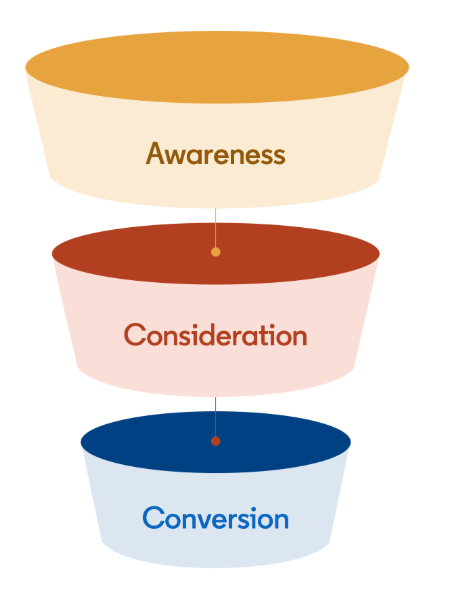
Building a Full-Funnel Content Marketing Strategy on LinkedIn
Table of Contents Toggle Why Build Content Marketing for the Full Marketing Funnel? (Why Full-Funnel Content Marketing?)Creating Your Strategy (Creating Your Strategy)Implementing Your Content Strategy (Rolling out your content strategy)Summary...
Designing Creative Content for LinkedIn
Table of Contents Toggle Why Is Good Creative Content So Important? (Why is Good Creative Important?)Key Components of Creative Design (the core elements of creative design)Summary (summary) Why Is Good...
Building an Organic Business Presence on LinkedIn With a LinkedIn Page
Table of Contents Toggle Why Have a LinkedIn Page?Establishing Your LinkedIn PageKeeping Your LinkedIn Page ActiveThe Measure of SuccessSummary About LinkedIn Page (Summary) Why Have a LinkedIn Page? For a...
6 Best LinkedIn Marketing Strategies for B2B in 2026
Table of Contents Toggle LinkedIn 2026: Where B2B Decisions Get MadeStrategy #1 – Why Is LinkedIn the Best B2B Marketing Channel Today?1. Decision-makers are concentrated here2. Users are in work...

7 Social Media Trends for 2026: The Era of Real Value, Real Conversion, and Real People
Table of Contents Toggle Social media is entering the biggest restructuring of the decadeTrend 1: Why is buying directly in-app becoming the new standard for 2026? (On-Platform Conversion)What should businesses...
What Is TikTok Marketing? Effective TikTok Marketing Strategies
TikTok has been topping the global rankings of the most downloaded and most visited apps. That makes it a gold mine for marketers who love creativity. In this article, The7...