


What Is a Buyer? Common Buying Behaviors Today

A buyer is a business term that refers to an individual or organization that wants to purchase goods or services. A buyer can be an end consumer, a business, or an investor. So how do different buyers behave when they purchase in order to satisfy their needs or preferences? Let The7 walk you through it in this article.
>>>> See more: Online Marketing consulting services
1. What Is a Buyer?
Depending on the context or the purpose of the purchase, a buyer may also be called a Vedee, Customer, or Purchaser.
Buyers can be classified by different criteria, including:
- By need: A buyer may purchase for personal needs or for business purposes.
- By quantity: A buyer may be a retail buyer or a wholesale buyer.
- By location: A buyer may be a domestic buyer or an international buyer.
- By characteristics: A buyer may be an individual buyer or a corporate buyer.
Buyers play an important role in the business process. They are the ones who decide whether or not to buy a business’s goods or services. That is why businesses need to understand buyers’ needs and wants well, so they can meet them and attract buyers.

The process of buying personal consumer goods can involve several different people, each playing a different role. Businesses need to understand the roles in the purchasing process for personal consumer goods and the factors that affect the buyer’s level of involvement so they can develop appropriate marketing strategies.
The roles in the process of buying personal consumer goods include:
- Initiator: The person who first suggests or comes up with the idea of buying a specific product or service.
- Influencer: The person whose opinion or advice affects the purchase decision.
- Decider: The person who makes the final call on whether to buy, what to buy, how to buy, or where to buy.
- Buyer: The person who actually goes out and makes the purchase.
- User: The person who ultimately uses the product or service.

Not all consumers go through all 5 steps of the buying decision process. For certain types of distinctive products, they only go through some of the steps, depending on their level of involvement, the economic significance, and their personal views on the purchase.
Products that buyers are highly involved with usually have one of the following three characteristics:
- Expensive
Expensive products usually require more thought and consideration before buying. Example: a new car is an expensive product, and buyers will typically spend a lot of time researching different brands and comparing prices before making a decision.
- Can have serious consequences for society
Products that can have serious social consequences, such as a car, usually require more consideration before buying. Example: a car buyer needs to think about how they will use it, their financial capacity, and safety factors before making a decision.

- Can reflect the buyer’s social image
Products that can reflect the buyer’s social image, such as clothing, usually require more thought and consideration before buying. Example: a clothing buyer needs to think about style, trends, and personal taste before making a decision.
2. Types of Buyers
There are 3 different types of buyers, and each type has its own special factors in the purchase decision process and specific requirements that businesses need to pay attention to. Understanding each specific buyer group helps businesses optimize their marketing strategy and engage effectively with each audience.
| E-commerce Buyer
(Online Retail) |
Retail Buyer
(Brick-and-Mortar) |
Company Buyer
(Corporate) |
|
| Characteristics | Usually buys goods to resell online through e-commerce platforms. | Buys goods to sell in retail stores, supermarkets, or other traditional points of sale. | Buys goods for the company’s own use. |
| Needs | Cares about image quality and online product descriptions, and pays special attention to the online shopping experience. | Defined by inventory management and a focus on diversifying products to attract in-store customers. | Cares about quality, large quantities, price, and how useful the goods are for the business’s operations. |
| Marketing strategy | Needs to focus on online reach, website optimization, and the online user experience. | Needs to consider a product strategy and reasonable fee packages for retail partners, as well as advertising and reaching customers at traditional points of sale. | Needs to focus on promoting long-term value, managing business customer relationships, and providing comprehensive solutions for their business needs. |
3. Common Buying Behaviors
3.1 Habitual Buying Behavior
Habitual buying behavior is a type of purchasing behavior in which buyers do not spend much time or effort making a purchase decision. They have developed a consistent buying habit and usually buy the same product or service from the same supplier.
Habitual buying behavior usually occurs with everyday consumer products and services such as food, beverages, personal items, soap, shampoo, toothpaste, toilet paper, and so on. These products and services are affordable and do not require much research or comparison before buying.
3.2 Dissonance-Reducing Buying Behavior
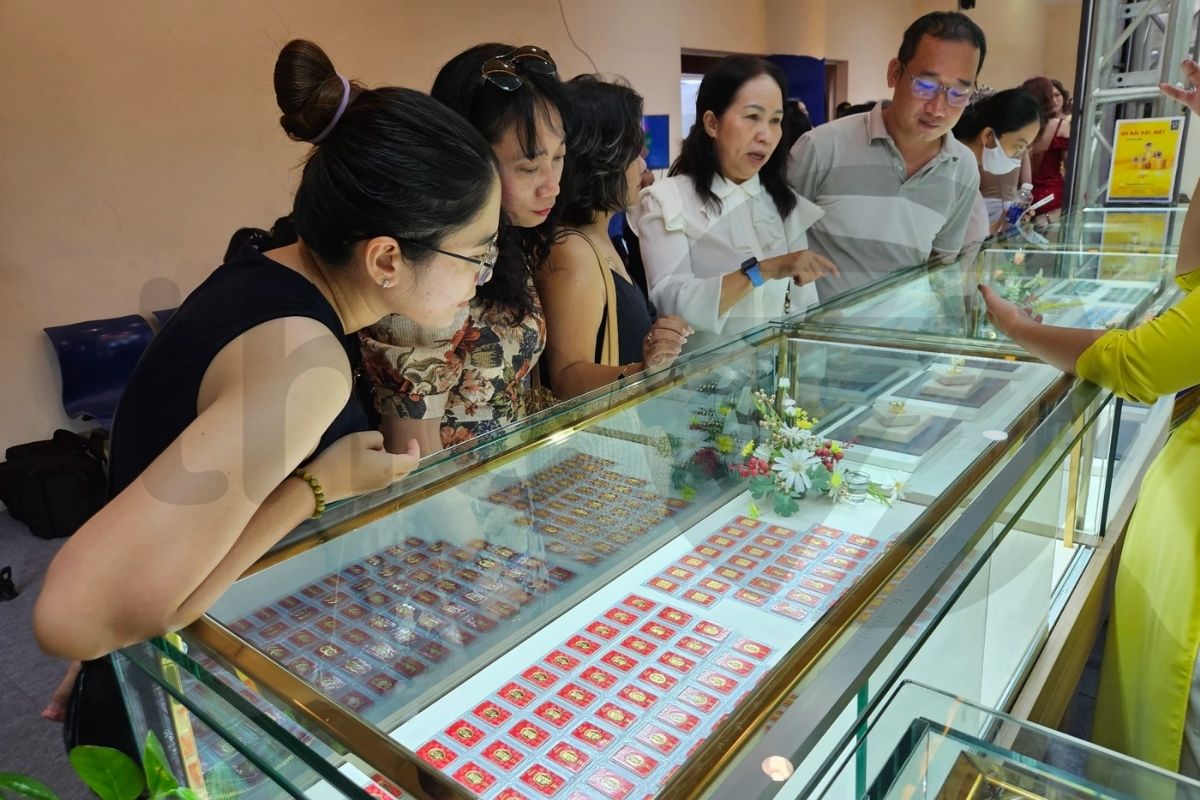
Dissonance-reducing buying behavior occurs when customers are actively involved in the purchasing process. They usually spend time on market research and filtering information about a product or service. However, telling the standout features of different brands apart is a challenge for them.
As a result, they usually rely on two main criteria when deciding to buy: price and convenience. Dissonance-reducing buying behavior usually occurs with expensive or complex products and services, such as cars, homes, or electronic devices. These products and services require a lot of research and comparison before buying, and buyers are more likely to feel uncertain about their decision.
In this situation, to ease customers’ hesitation when choosing a product or service, businesses should provide complete information and trial samples to build customer trust.
3.3 Variety-Seeking Buying Behavior
In variety-seeking buying behavior, consumers look for novelty by buying a wide range of products and brands. This does not necessarily reflect dissatisfaction with, or a lack of loyalty to, their previous brand. Instead, it reflects a passion for innovation and discovery.
This type of buying behavior usually involves products that are frequently updated to follow trends, such as fast-moving consumer goods, fashion, footwear, phones, and so on.

3.4 Complex Buying Behavior
Complex buying behavior is a type of purchasing behavior in which consumers spend a great deal of time and effort searching for, analyzing, and filtering information before deciding to buy, especially for high-value products or those that carry significant risk.
This behavior usually occurs when consumers face a decision to buy high-value items they rarely purchase, such as homes, cars, premium phones or laptops, or educational courses.
Example: Buying a home is a major decision with a lasting impact on a consumer’s life. As a result, they usually spend a lot of time and effort learning about and researching information on price, location, feng shui, amenities, and so on before making a purchase decision.

4. Online Buying Behavior Trends Among Vietnamese Consumers
E-commerce has now become an indispensable part of daily life for people in Vietnam, and it is predicted that this way of shopping will keep growing and become the norm in the post-pandemic period.
Over the past two years, Vietnamese consumers have shifted their shopping behavior noticeably. The trend of buying online has surged because of the Covid-19 pandemic.
The pandemic has not only changed shopping habits but also affected household finances and income, forcing consumers to think carefully about their spending priorities. Limited finances have fueled a trend toward saving, planned shopping, and sustainable consumption.

A buyer’s purchasing behavior is influenced by many different factors. Businesses need to accurately identify the behavior group that their consumers belong to. From there, they can plan to offer exactly what buyers need and apply effective persuasion strategies. Contact The7 today for help with your questions about marketing services and for building an effective marketing strategy for your business.
>>>> See more related articles: What Is a Mystery Shopper? Steps to Become a Professional Mystery Shopper

Nguyễn Đình
Bảo




As CEO of The7, I am committed to sharing practical, useful knowledge with every reader. Every article on The7 is based on my 7 years of hands-on experience in marketing — Facebook advertising, LinkedIn advertising, Google advertising, and marketing strategy. I hope you take away plenty of insight from these posts and apply it successfully in practice.
Related Articles
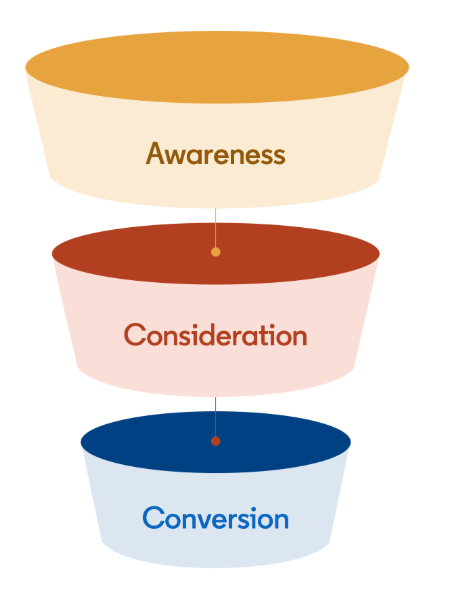
Building a Full-Funnel Content Marketing Strategy on LinkedIn
Table of Contents Toggle Why Build Content Marketing for the Full Marketing Funnel? (Why Full-Funnel Content Marketing?)Creating Your Strategy (Creating Your Strategy)Implementing Your Content Strategy (Rolling out your content strategy)Summary...
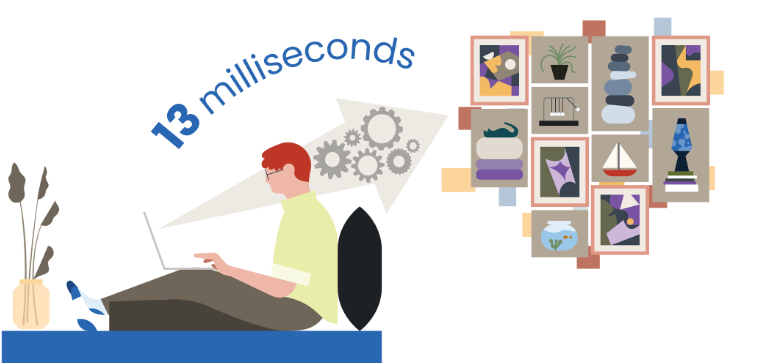
Designing Creative Content for LinkedIn
Table of Contents Toggle Why Is Good Creative Content So Important? (Why is Good Creative Important?)Key Components of Creative Design (the core elements of creative design)Summary (summary) Why Is Good...

Building an Organic Business Presence on LinkedIn With a LinkedIn Page
Table of Contents Toggle Why Have a LinkedIn Page?Establishing Your LinkedIn PageKeeping Your LinkedIn Page ActiveThe Measure of SuccessSummary About LinkedIn Page (Summary) Why Have a LinkedIn Page? For a...
6 Best LinkedIn Marketing Strategies for B2B in 2026
Table of Contents Toggle LinkedIn 2026: Where B2B Decisions Get MadeStrategy #1 – Why Is LinkedIn the Best B2B Marketing Channel Today?1. Decision-makers are concentrated here2. Users are in work...

7 Social Media Trends for 2026: The Era of Real Value, Real Conversion, and Real People
Table of Contents Toggle Social media is entering the biggest restructuring of the decadeTrend 1: Why is buying directly in-app becoming the new standard for 2026? (On-Platform Conversion)What should businesses...

What Is TikTok Marketing? Effective TikTok Marketing Strategies
TikTok has been topping the global rankings of the most downloaded and most visited apps. That makes it a gold mine for marketers who love creativity. In this article, The7...