


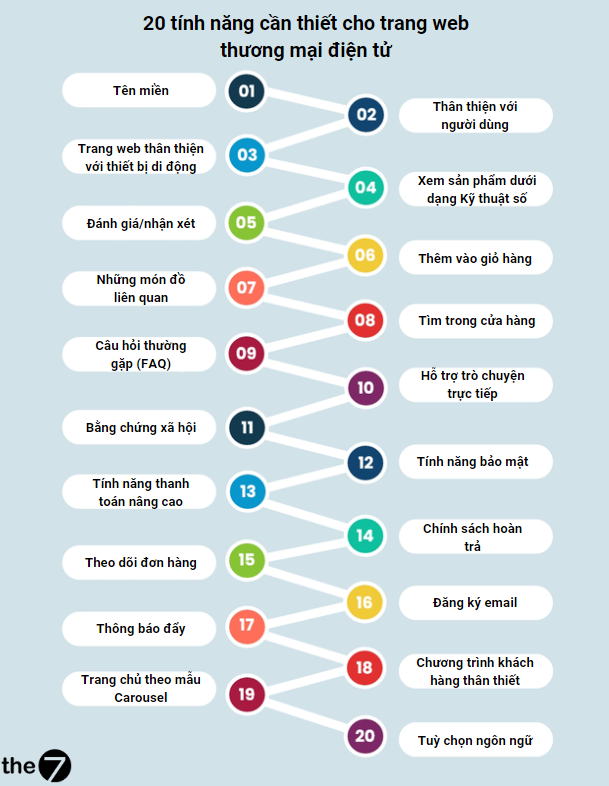
20 Essential Features for an E-Commerce Website

The success of an e-commerce business doesn’t rest only on the quality of the products and services it offers potential customers. It also depends on putting effective e-commerce search engine optimization (SEO) strategies into your campaigns. The way an e-commerce website performs can affect its performance and the shopping experience of its users.
However, building a successful e-commerce website means integrating a range of essential features that have a major impact on the site’s overall performance. As a digital marketing company that also specializes in designing and developing e-commerce websites, we’ll walk you through the key features you should include on your own e-commerce website.
A List of E-Commerce Website Features
Domain Name
A domain name is part of your e-commerce business’s URL. It’s the first thing your potential customers see when they land on your e-commerce website. Think of it as the front door of your store (if you had a physical one).
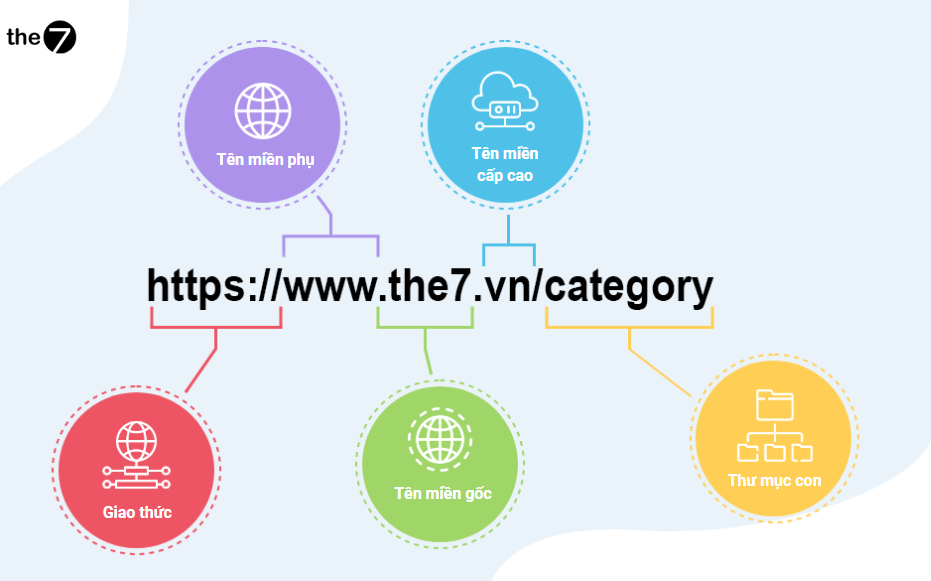
The domain name is the main thing most people remember about your e-commerce business. It’s what decides whether your potential customers end up on your e-commerce website instead of a competitor’s. That makes choosing a domain name wisely all the more important. Keep your domain name simple so customers can remember it more easily.
User-Friendliness
The only way to make your e-commerce website user-friendly is to keep the e-commerce experience simple. A simple e-commerce website is convenient to use and navigate for everyone, including people with no technical knowledge.
According to HubSpot, 76% of consumers prefer websites that are easy to use. That makes it easy for them to find what they need. Here are the user-friendly features you should build into your e-commerce website to make sure that happens.
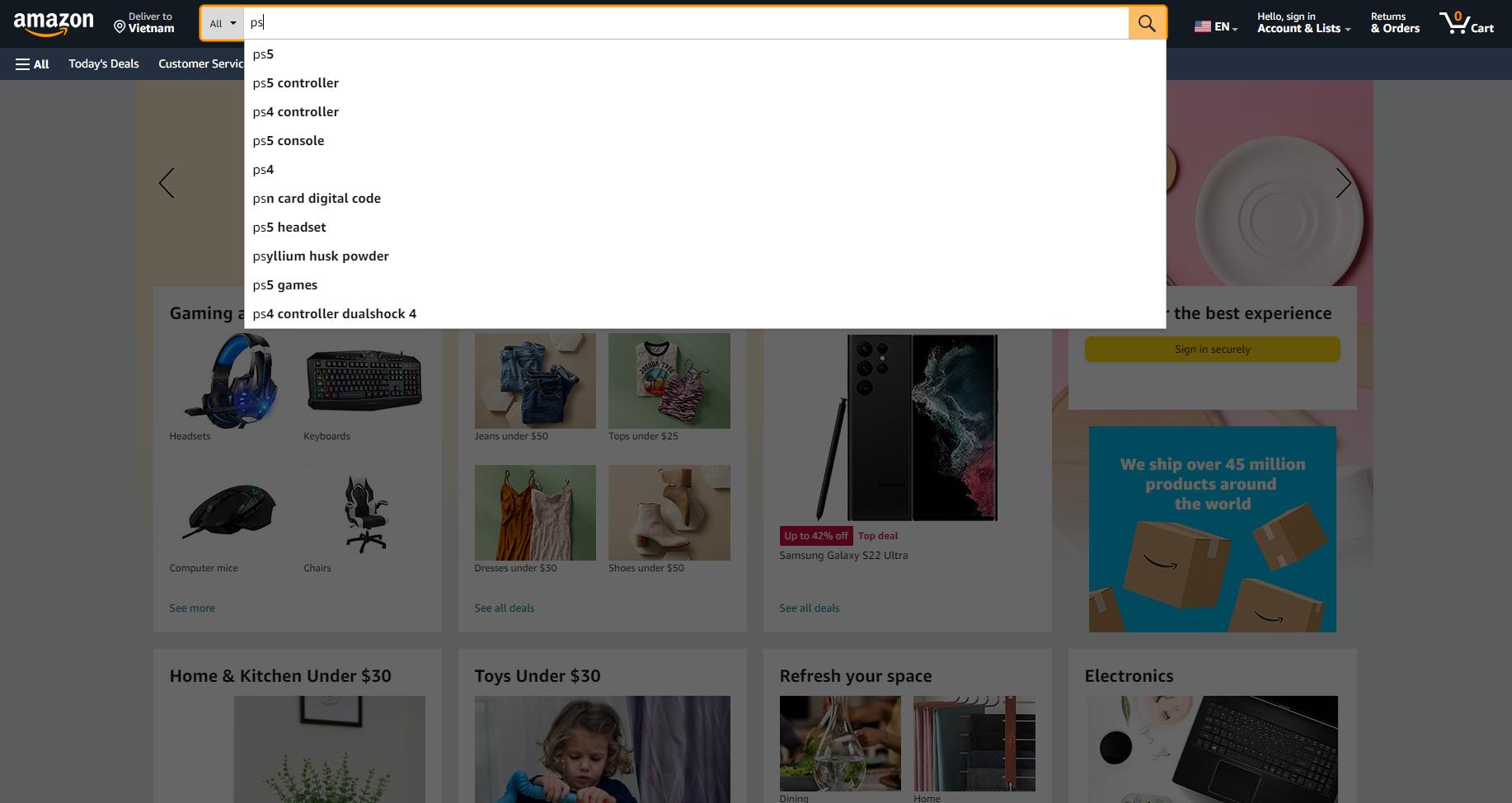
Autocomplete Option
Without having to type an exact product name, shoppers should get suggestions from your e-commerce website through an autocomplete option.
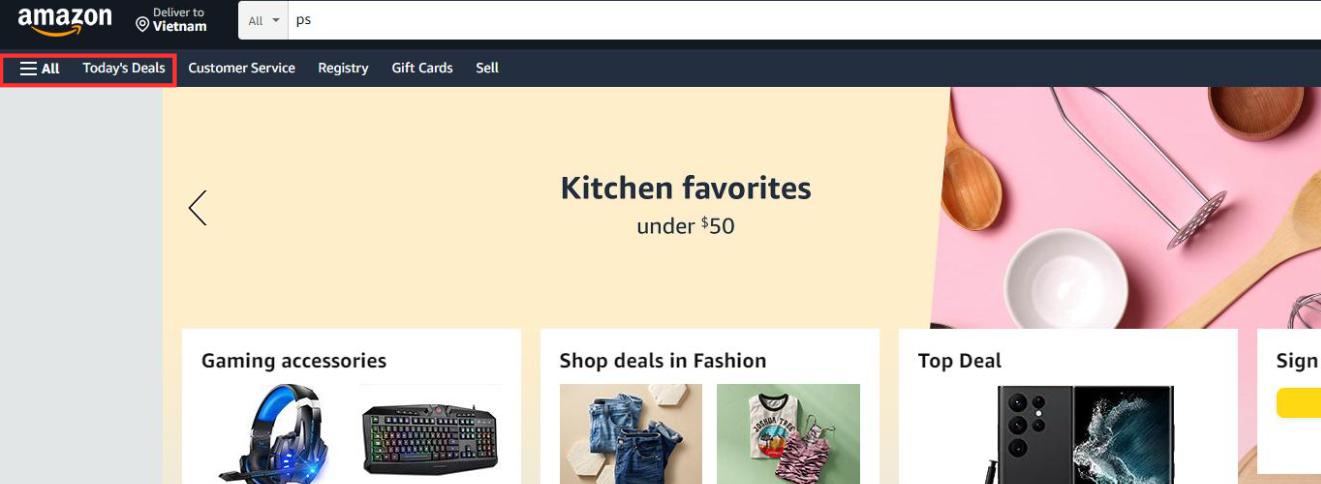
Product Categories
This feature lets customers find the products they want by browsing product categories. For example, if they plan to buy toys for children, they can click ‘Toys & Games’ to see all the related items.
Mobile-Friendly Website
The convenience of mobile devices doesn’t end at browsing the internet. Today, people also use their smartphones to buy the things they need, whether for personal or business purposes.
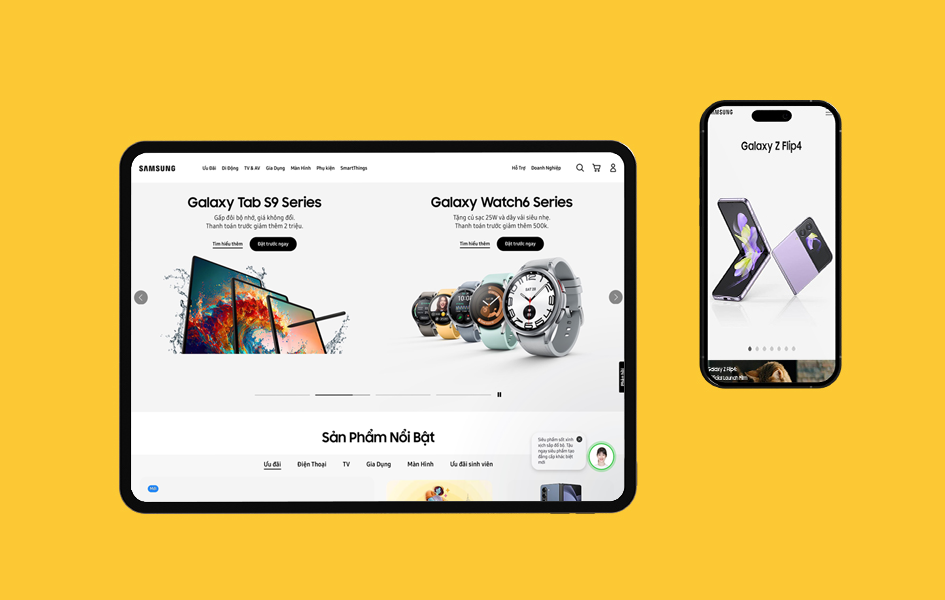
That’s why you should make your e-commerce website mobile-friendly, especially since there are expected to be about 7.33 billion mobile users worldwide in 2023. With responsive design, anyone who visits your e-commerce website can view text and images as clearly as possible.
For example, if your e-commerce business sells electronics such as Samsung products, its website would look like this in desktop mode:
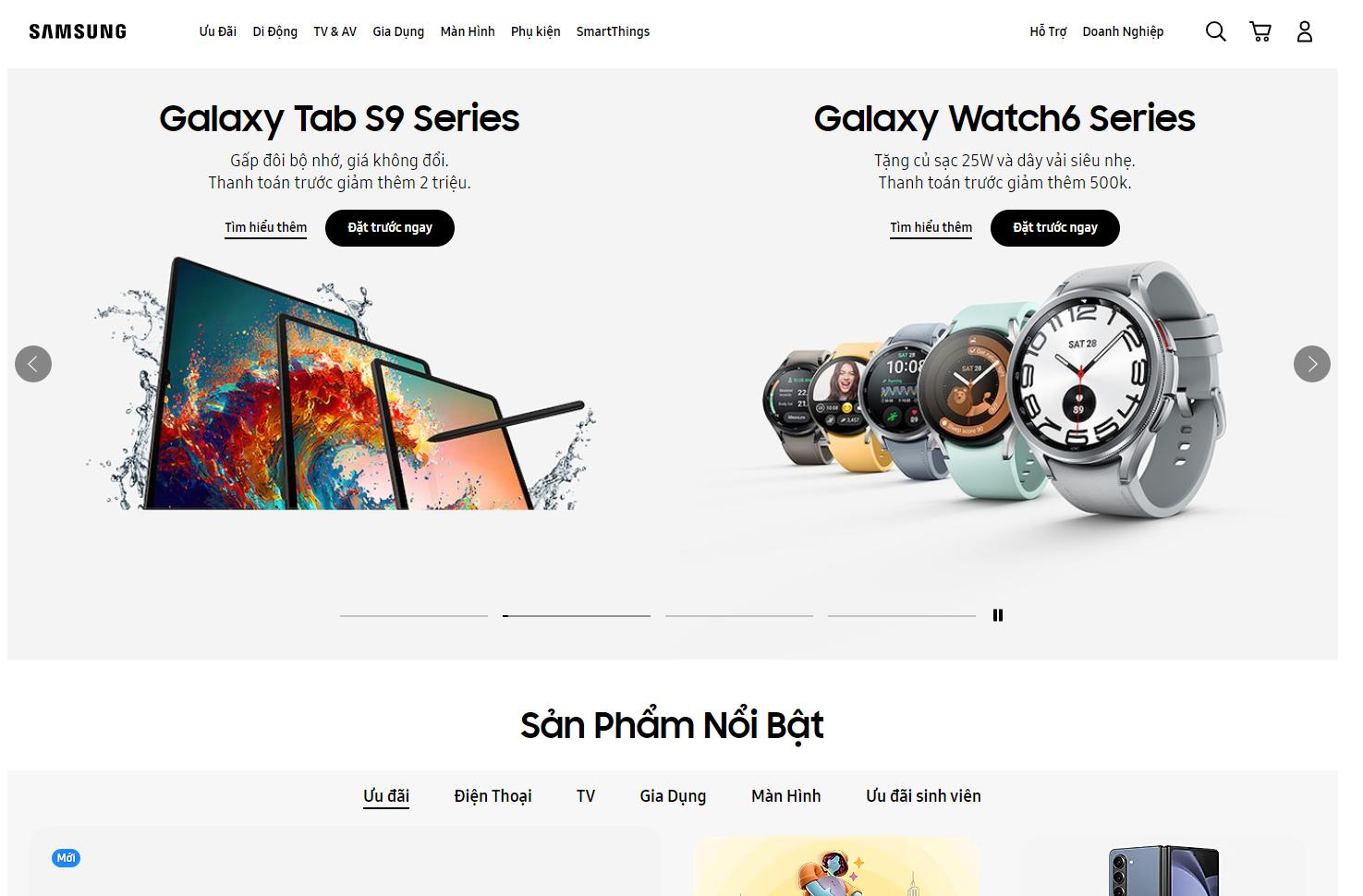
Below is how the website’s layout looks on other digital devices with smaller screens.
Digital Product Viewing
As the e-commerce industry keeps growing, shoppers are getting smarter about how they buy. Posting a single product photo with a few highlights no longer works the way it used to.
Customers want to see a product from several angles before they decide to buy. They want to experience the product as closely as possible, as if they were seeing it in person.
You can do this by posting high-quality photos and videos and letting your customers zoom in for a clearer look at the product. You can also offer an augmented reality (AR) view of your products, like other brands such as Apple do.
Here’s an example of the AR that Apple offered when it launched the iPhone 13 Pro and 13 Pro Max.

Ratings and Reviews
Another way to convince customers to buy is through reviews from people who have already purchased. According to Findstack, 95% of consumers usually read customer reviews before deciding to buy something.
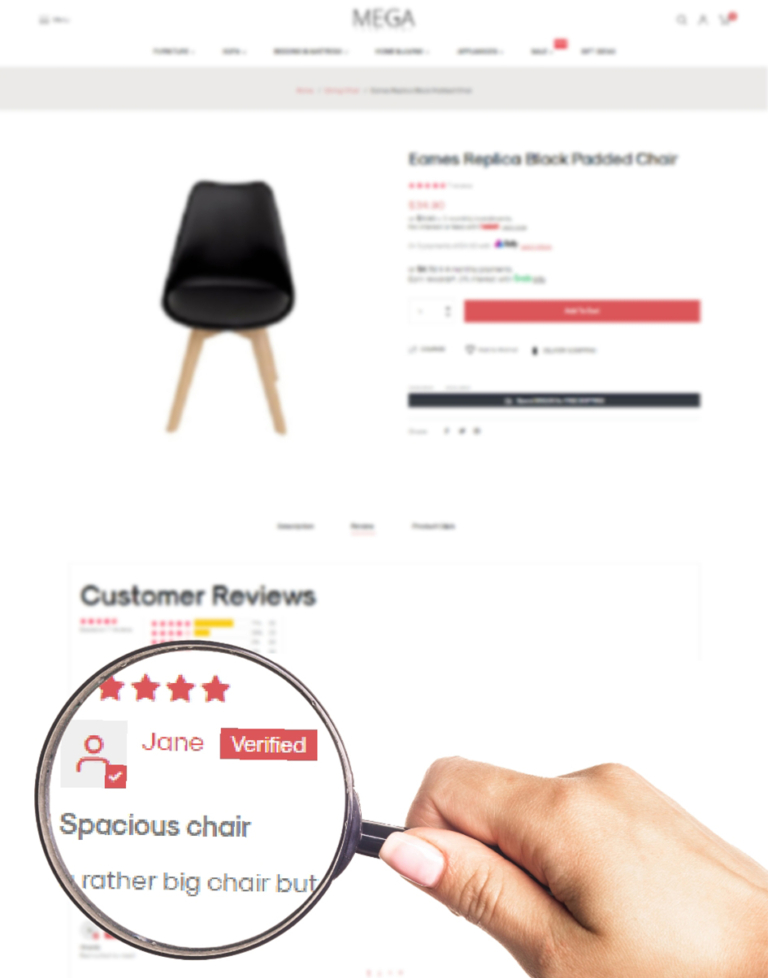
For example, Mega Furniture, an online furniture store, has found a great way to display customer feedback on its website. As you can see below, Mega Furniture encourages customers to share reviews of their experience with the brand. By reading reviews from previous customers, people who are about to buy can be strongly influenced in their purchase decision.
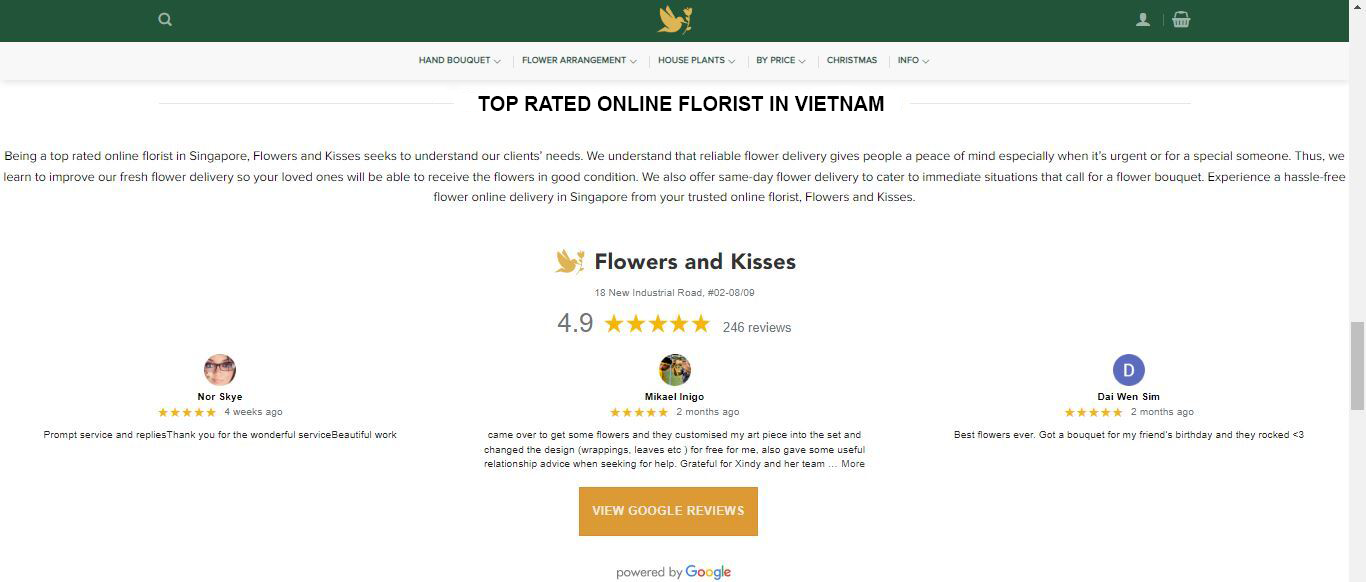
Linking directly to real reviews from trusted sources such as Google Business Profile makes your e-commerce website more credible. Readers will know these reviews are recent and trustworthy. Whether a review is positive or negative, what matters is that the feedback comes from a reliable source. Still, keep in mind that the more positive reviews your e-commerce business has, the better your reputation will be in customers’ eyes.
Add to Cart
Even when it isn’t holiday season, many people still keep a list of things they want to buy. It’s a wish list of items they’d love to own. But the catch is that some people don’t know what they want until they see something appealing, and this is where the concept of “discovery commerce” comes in.
Today, people browse online without a specific product type in mind. They scroll from one e-commerce website to another until they find something that makes them want to buy.
By building the concept of “discovery commerce” into your website, customers can see related items based on what they’ve already viewed. This helps persuade them to buy more and add related items to their carts. The details of “related items” are covered in section 7 of this list of essential website features.
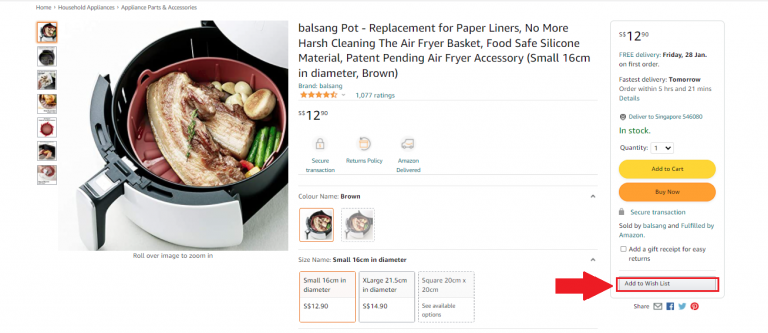
They can also add some related items to a wish list. That gives them more time to think it over and decide whether to buy (for real) now or in the near future.
On Amazon, this is exactly what most customers do. They save the item they plan to buy next time by clicking the “Add to Cart” button.
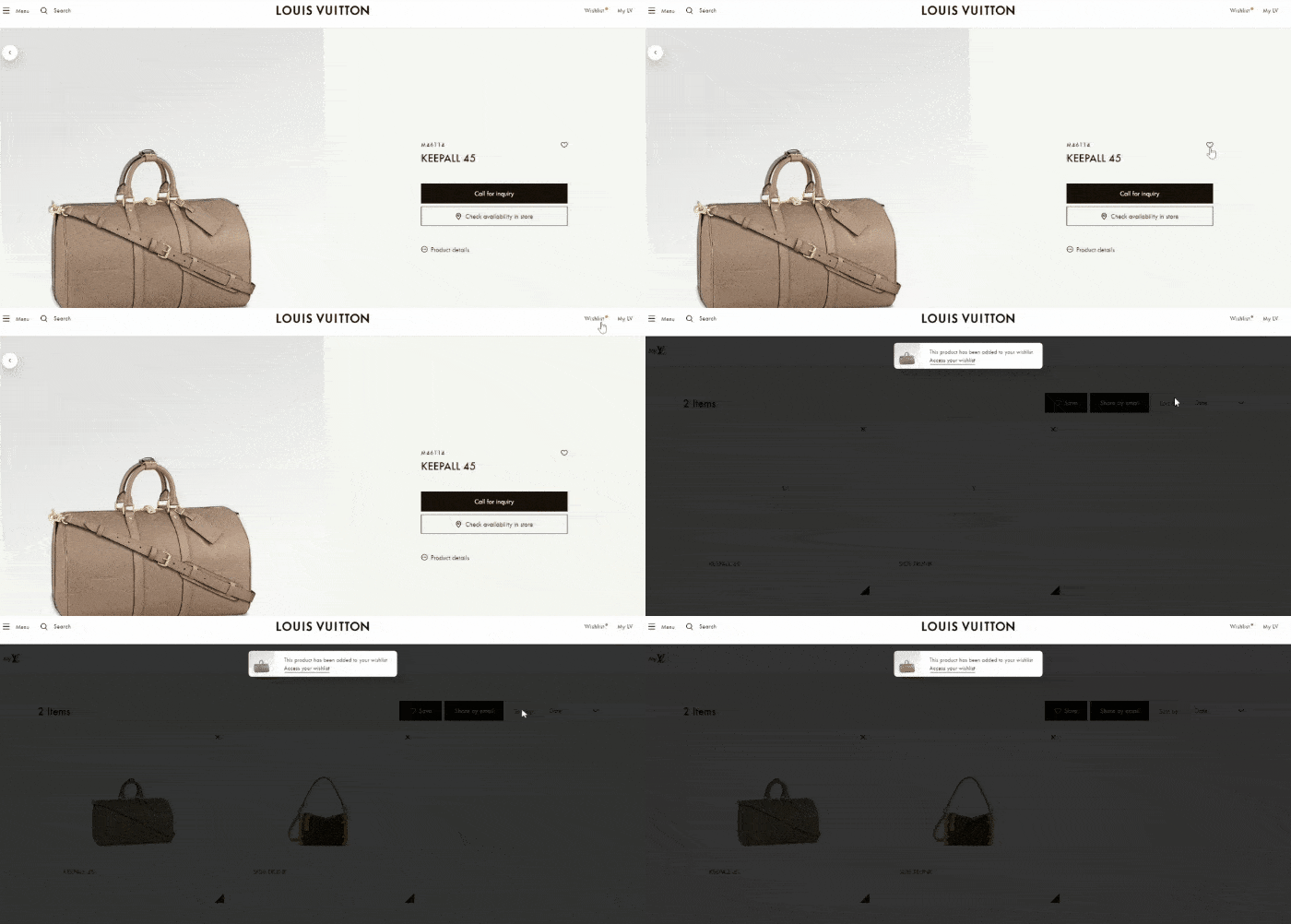
If your e-commerce website has this feature, customers will be able to shop, save and share the products they’re interested in. Even well-known brands like Louis Vuitton have built this feature into their e-commerce websites to make shopping more convenient for customers.
This feature also helps e-commerce businesses run remarketing through email or social media platforms, based on customers’ previous shopping behavior on their website.
Related Items
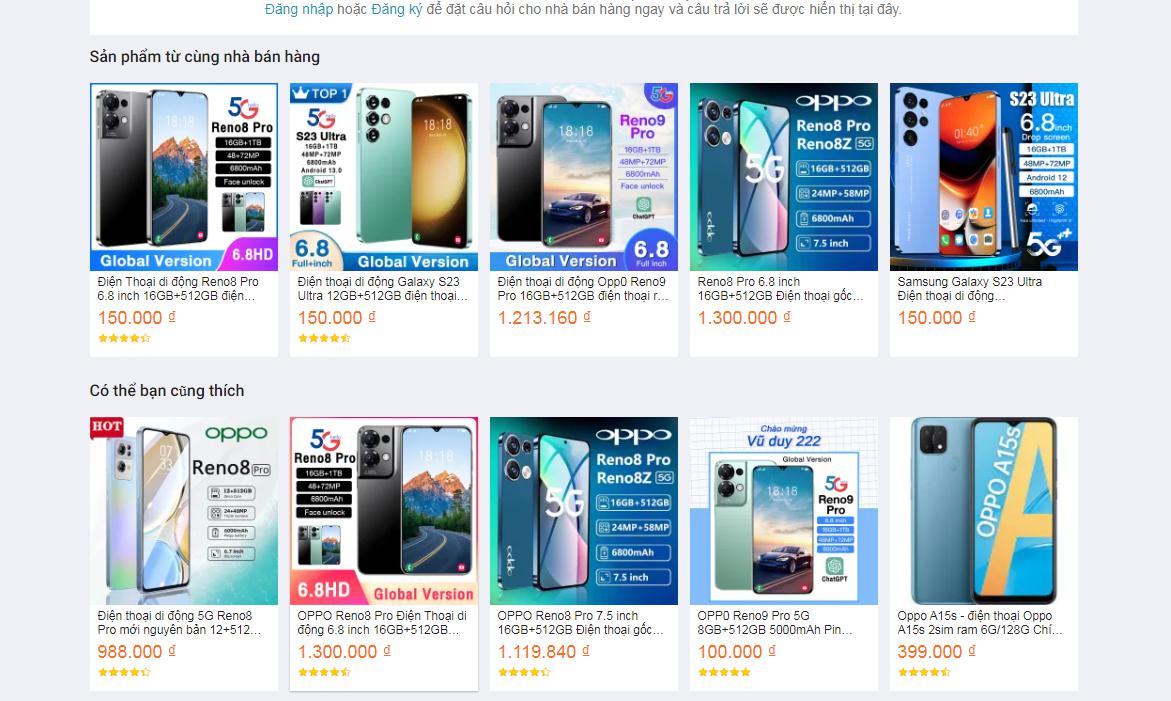
When customers see the phrase ‘You May Also Like,’ it sparks their curiosity and can influence their shopping process in several ways. This feature has the desired effect on customers who are considering buying the suggested products.
That’s why you should add a list of related products to your e-commerce website, since it can influence customers’ decision to buy more.
Find in Store
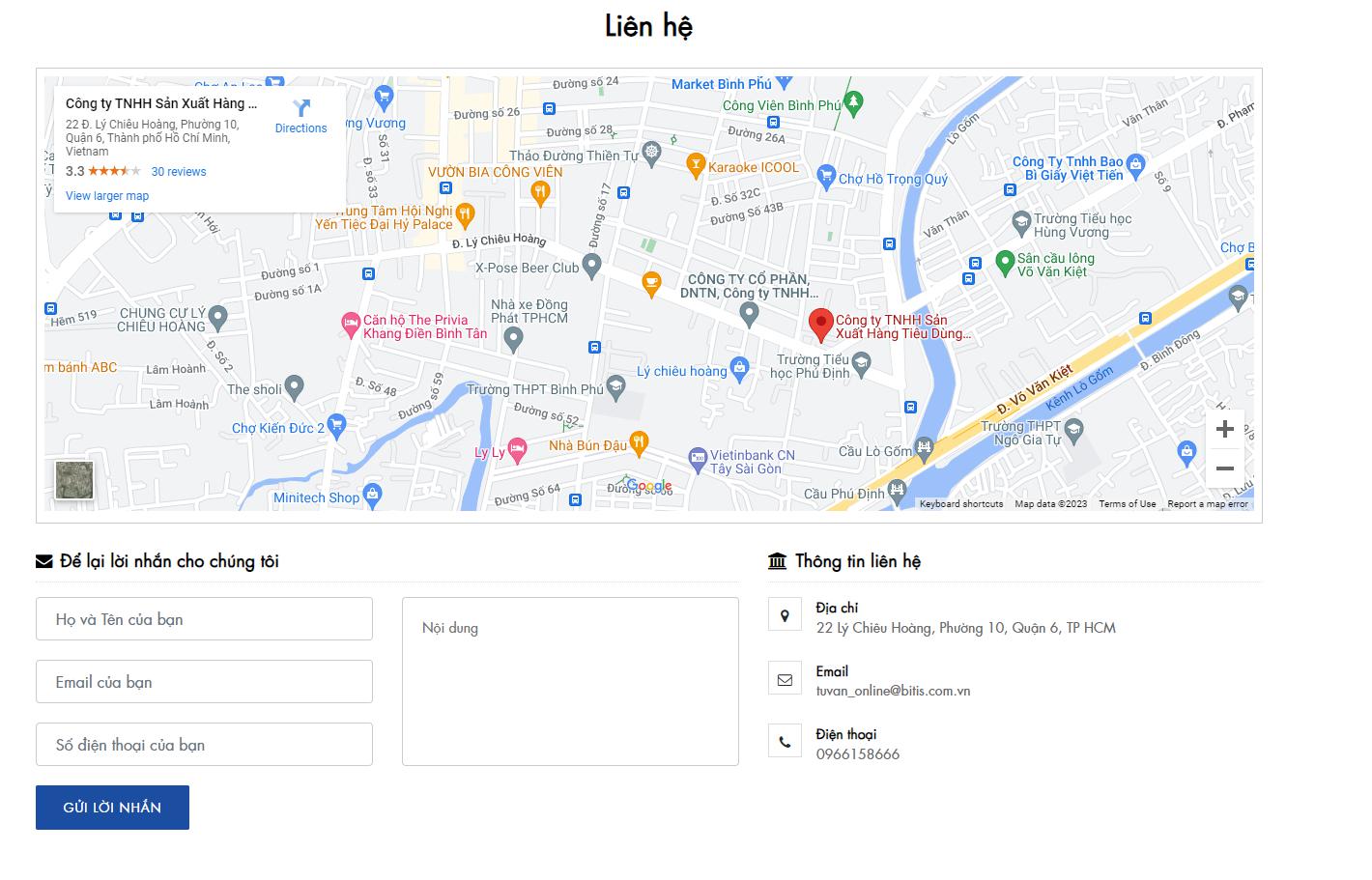
Although most e-commerce websites don’t have a physical store, if your e-commerce business does have one, you should add this feature. With a “Find in Store” feature, customers can come straight to your store instead of waiting for an order to arrive by delivery service.
What’s more, adding your store’s address can make customers trust your e-commerce business more, because it increases credibility. Besides adding the address, you should also link to Google Maps so customers can easily find their way to the exact store.
Frequently Asked Questions (FAQ)
People are naturally curious, and having ready answers to common questions benefits both you and your potential customers. Instead of calling, emailing or messaging on social media to ask, they can go to the FAQ section of your e-commerce website to find answers to their questions.
This saves you time and helps you run your e-commerce business more efficiently. Your staff won’t have to answer the routine questions customers ask over and over.
Here’s an example of a “Frequently Asked Questions” page from UNIQLO. They’ve split their FAQs into categories so interested shoppers can click the topic they care about and see the related questions and answers.
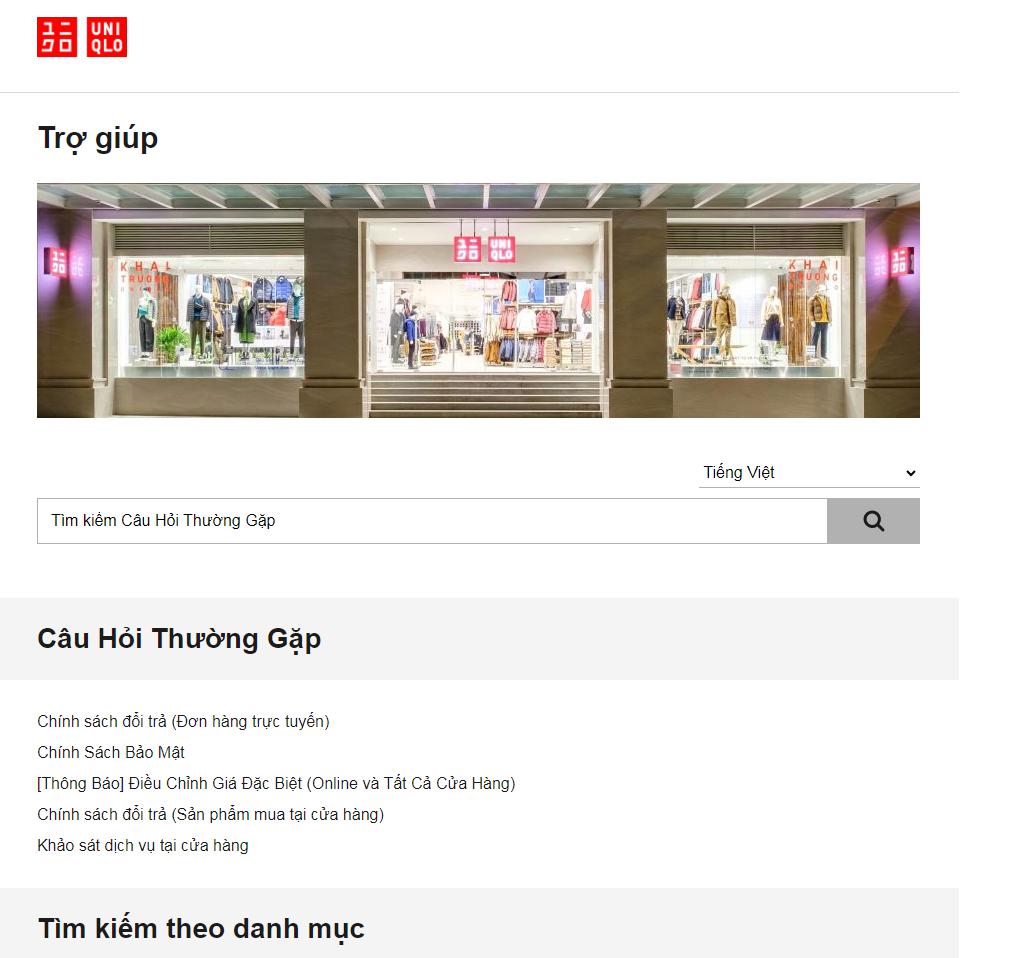
Like UNIQLO, you should organize your FAQs into lists with the matching answers. This saves you from spending too much time answering questions from potential customers.
Here are some questions you may want to include on your e-commerce website’s FAQ page:
- How do I change my delivery address?
- If my order is damaged or lost during delivery, how does the exchange or refund process work?
- Is there a way for me to track my order?
- How do I cancel my order?
- How many payment methods does the website offer?
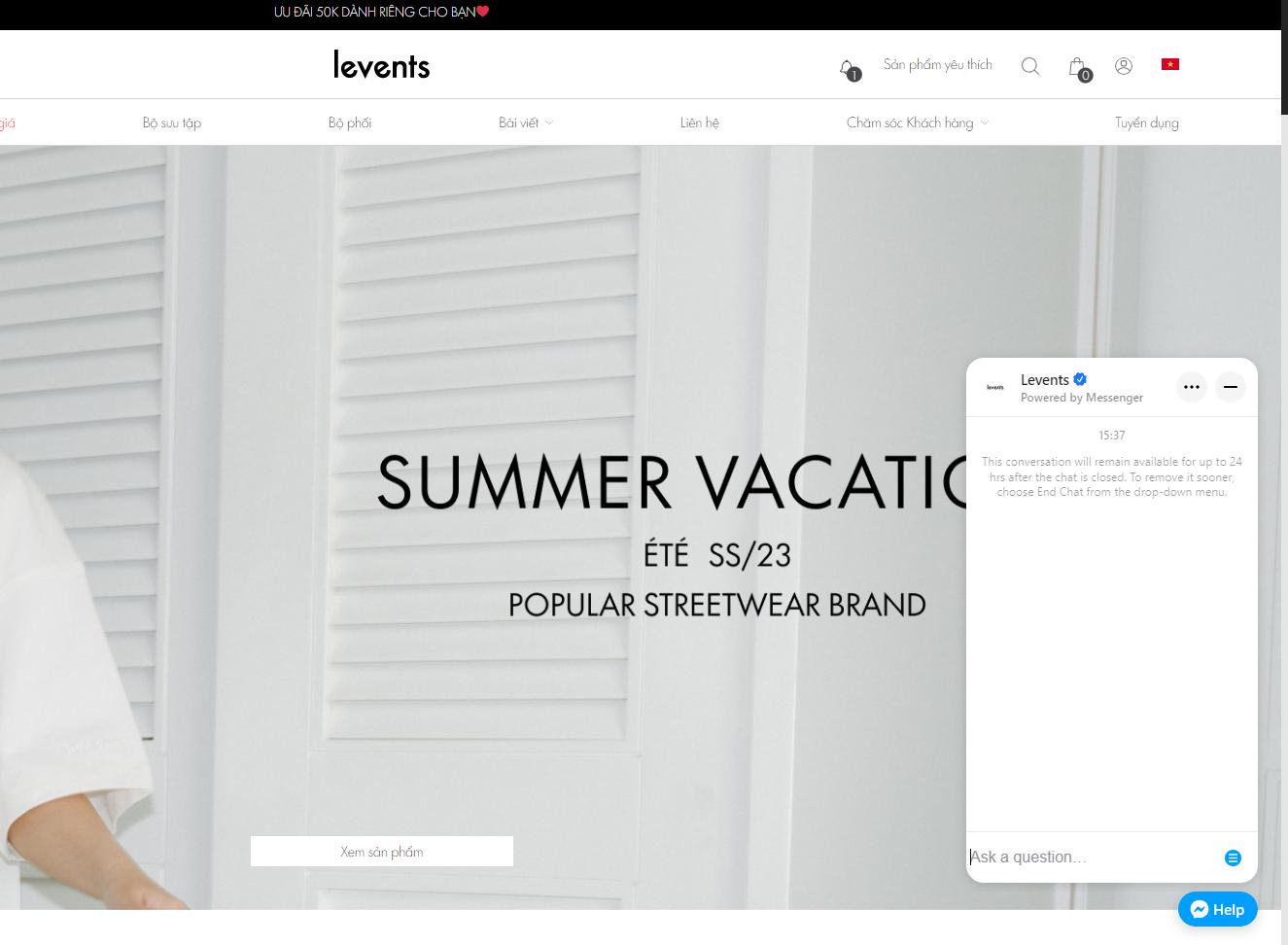
Live Chat Support
Another way to answer customers’ questions is to use artificial intelligence (AI) through a chatbot, or to offer live support from staff.
The difference between the two is that a chatbot answers customers’ simple questions based on answers already set up in the system, drawn from the questions most often asked before the e-commerce website launched. If the chatbot can’t answer a customer’s question, the business now has the option of handing the conversation over to a customer service agent. Through live chat support, customer service agents can answer customers’ questions in detail.
Adding this feature to your e-commerce website lightens your staff’s workload of answering questions. However, requests answered by customer service agents are usually limited to your e-commerce business’s working hours.
Social Proof
With social media users growing steadily around the world, adding social media icons to the footer of your e-commerce website gives customers a chance to learn more about you and your products.
Linking to your social media accounts also creates alternative channels for customers to contact you. It can also increase the chances that your social accounts show up in front of potential customers, who may decide to follow you, helping you expand your social media presence more effectively.
For example, even though Dior is already a famous brand with millions of customers worldwide, it still includes its social media accounts on its e-commerce website. This lets anyone follow them, contact them and keep up with their campaigns by checking their pages.
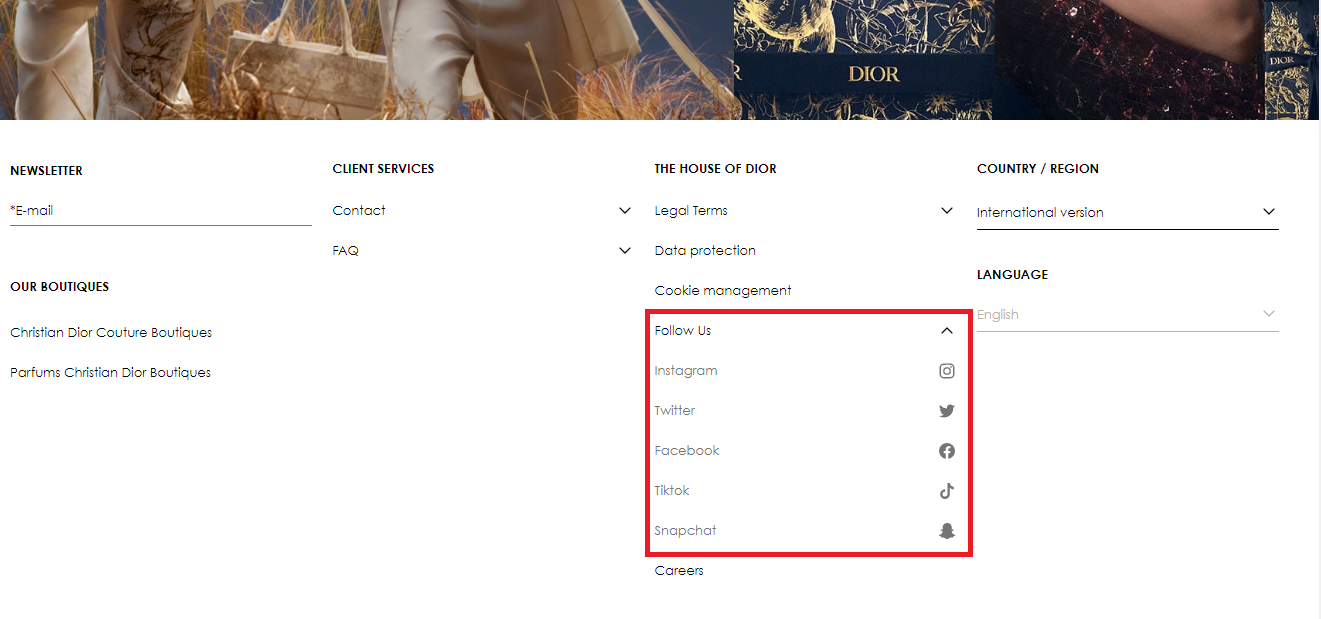
Social media icons that link to your social pages let customers tag your e-commerce business when they want to share information about a product they bought with family, friends or followers (in the case of celebrities). By using social media, this helps e-commerce businesses generate more user-generated content (UGC).
Security Features
Security is a vital part of any e-commerce company. Your e-commerce website should be protected with a strong firewall, two-factor authentication for logins and contact forms, an SSL certificate to keep data encrypted, and compliance with Payment Card Industry (PCI) security standards.
Advanced Payment Features
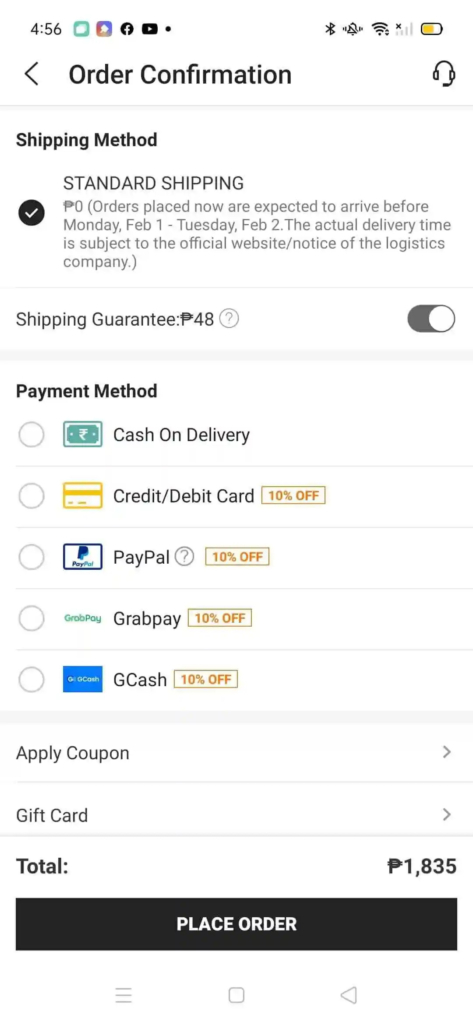
One of the key features of an e-commerce website is its payment options. Customers can now pay by credit card, debit card or e-wallet, in addition to cash on delivery. Here’s how these payment methods differ.
- With credit card payments, the bank pays on the customer’s behalf, and the customer repays the amount later.
- With debit cards, customers use their personal bank account to pay for products.
- An e-wallet is a digital wallet holding enough funds that customers can use and transfer to the e-commerce website they’re shopping on to pay for their purchases.
For example, SHEIN, a fast-growing fashion e-commerce business, also offers advanced payment features.
Return Policy
Every e-commerce website needs a return policy. It should be written in a way that’s easy to understand, so customers know when and how they can return or exchange products they bought on the website.
Having a return policy helps customers trust your e-commerce website more, because they know they can return or exchange a product that’s wrong or damaged.
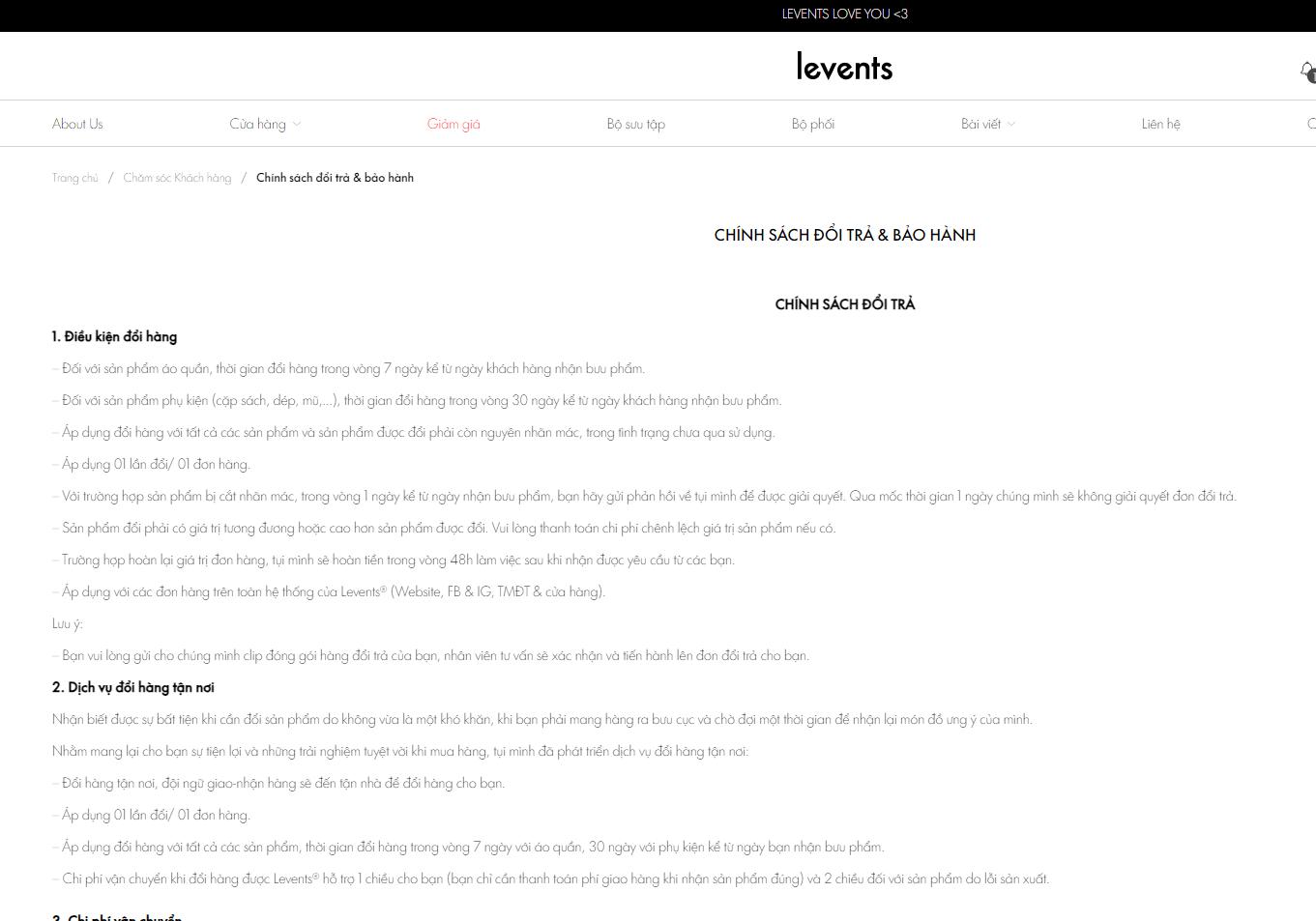
In the example below, the brand Levents added a “Returns and Refunds” feature to its e-commerce website to put customers more at ease.
Order Tracking
Another important feature you should include on your e-commerce website is order tracking. Doing so gives customers peace of mind about where their package currently is, and about when it’s expected to arrive at their door after they’ve ordered and paid for the product they want.
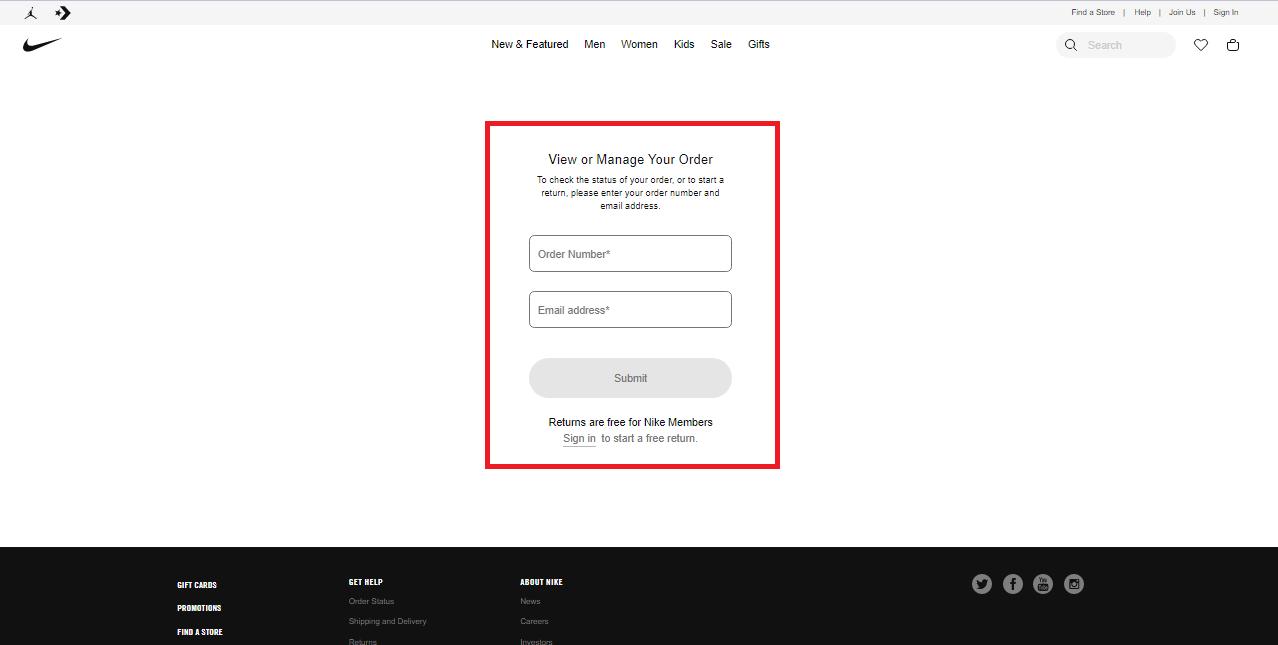
The image below, for example, asks customers to provide their order number and email address so they can view the tracking information for their package. When they check, they’ll know whether their order has been packed or shipped, along with any other updates related to the order.
Email Sign-Up
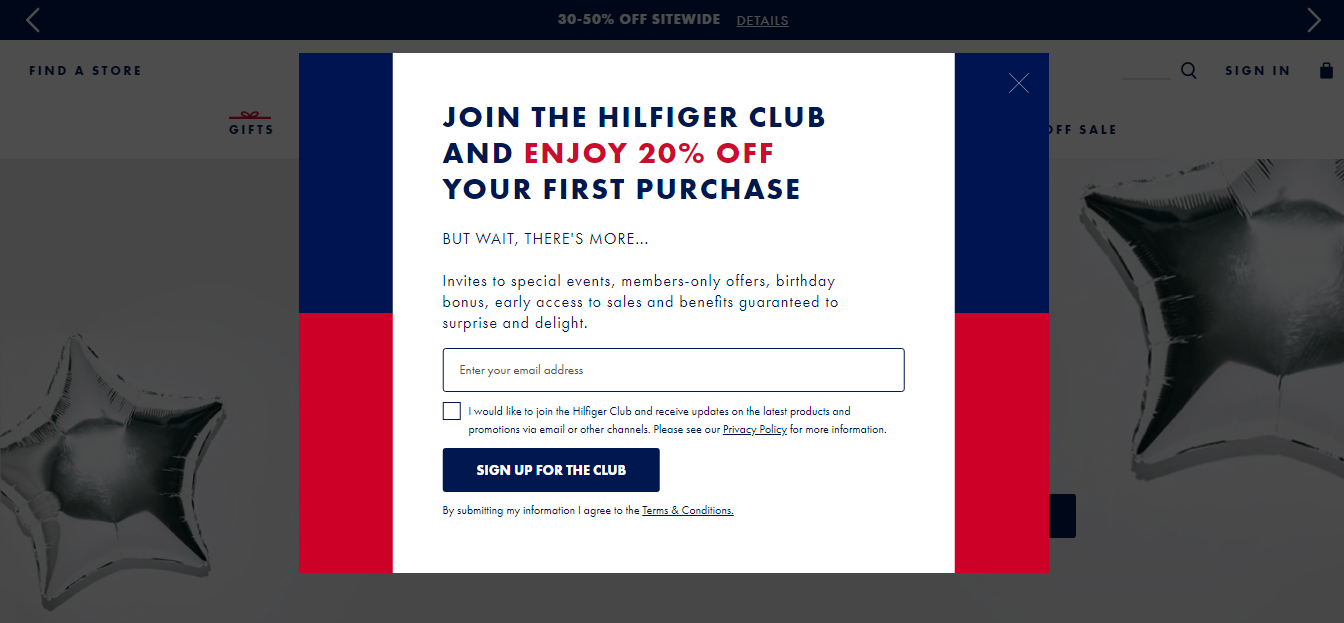
When a potential customer lands on your landing page, adding an email sign-up option right from the start is the best way to catch their attention. You can encourage them to subscribe so they receive updates and promotional campaigns about your products or services by email.
Here’s an example from Tommy Hilfiger. Besides inviting visitors to sign up and join the Hilfiger Club, they also offer a 20% discount on a first purchase.
Including an “email sign-up” feature lets you make the most of email notifications! Here’s why you should do it:
- Billions of people use email
- You control and manage how you communicate with customers
- It’s cost-effective
See more: Growth Hacking and Growth Marketing
Push Notifications
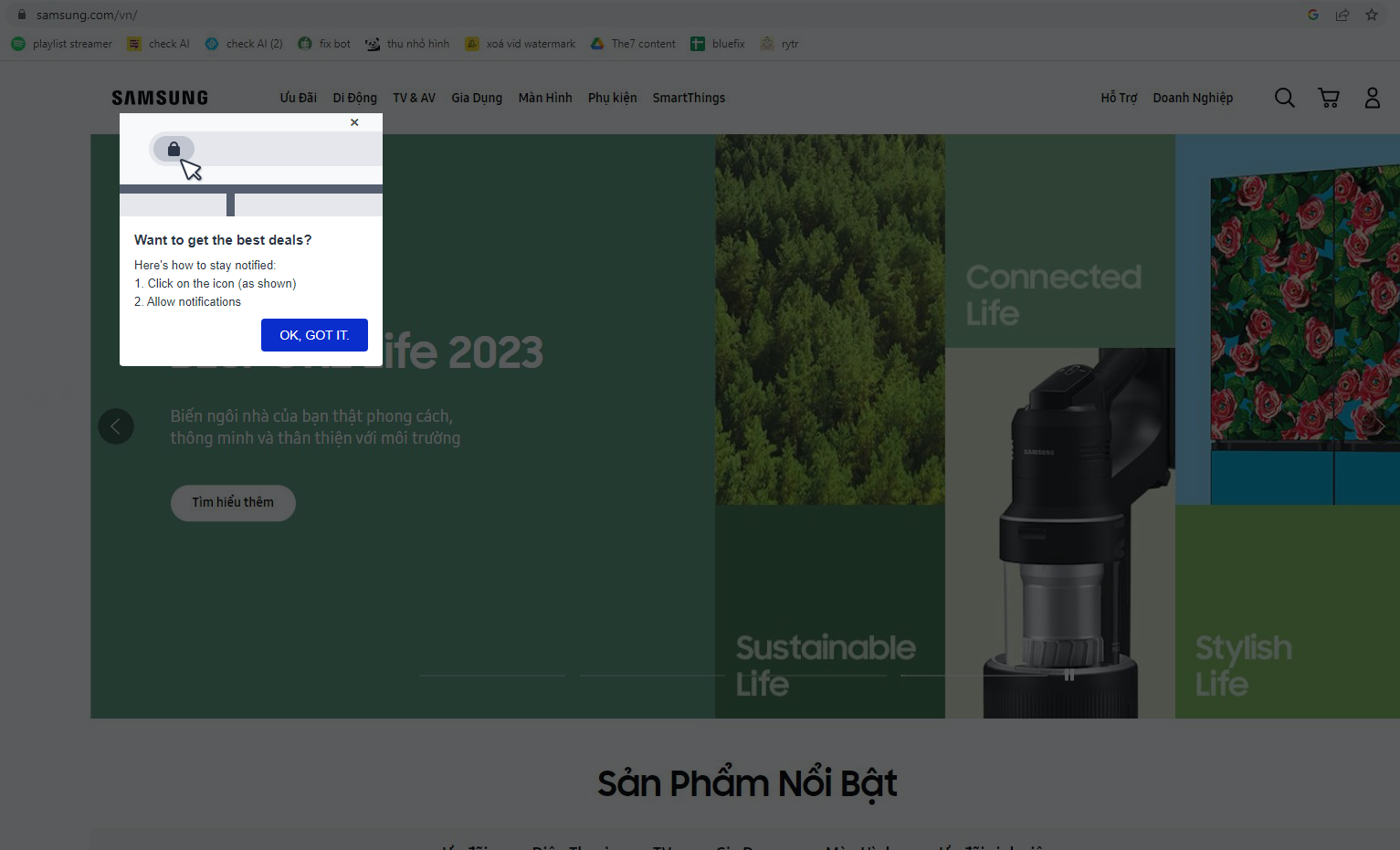
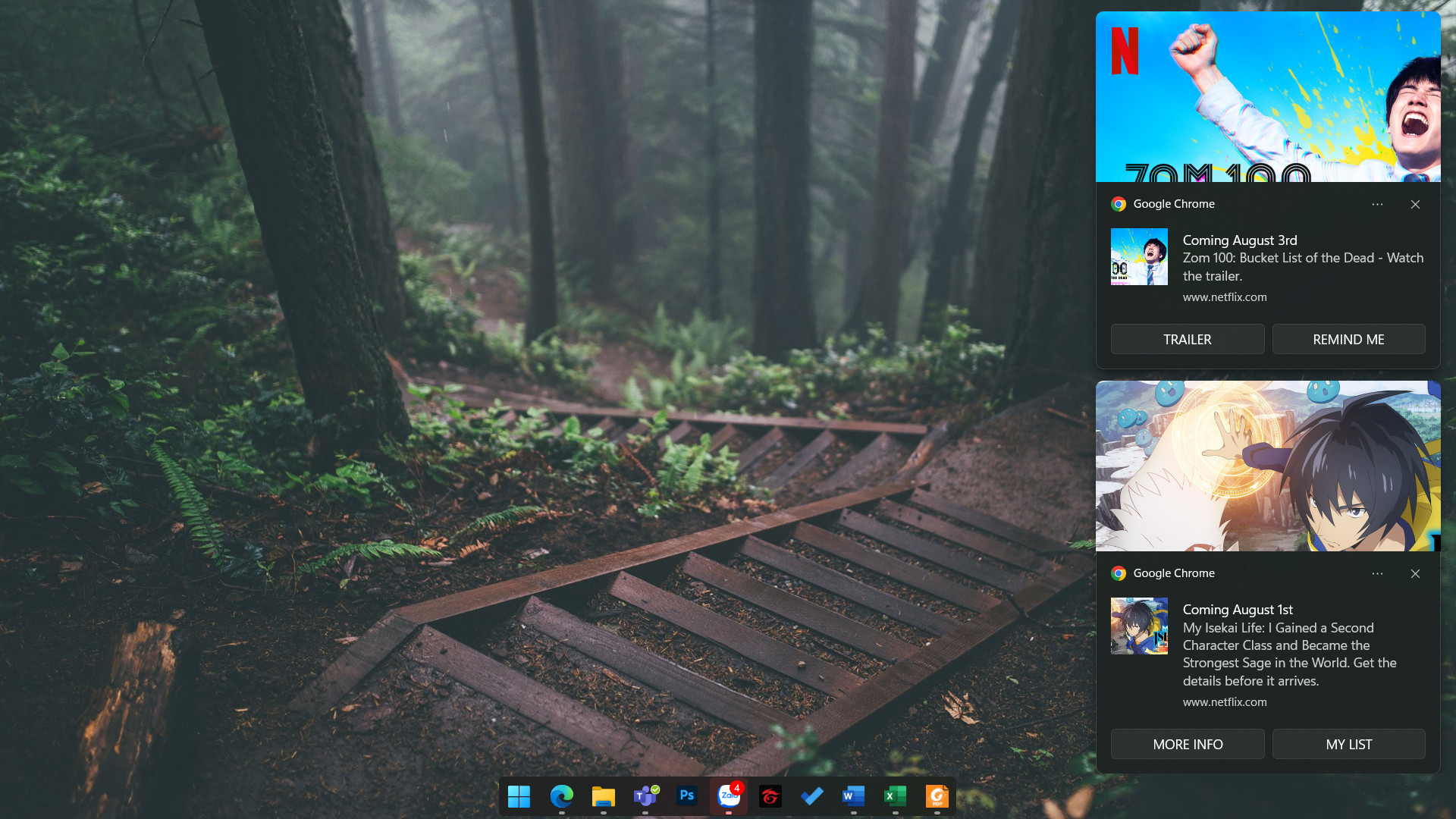
Besides an email sign-up option, there’s another feature for notifying your potential customers about the latest offers: push notifications. Anyone who allows or agrees to the push notification request that appears in the top-left corner of your e-commerce website can receive notifications on their desktop.
Notifications appear in the corner of the screen on the computer or laptop your potential customer is using, regardless of what they’re doing. Below is an example of how an activated push notification displays on a laptop screen.
Loyalty Program
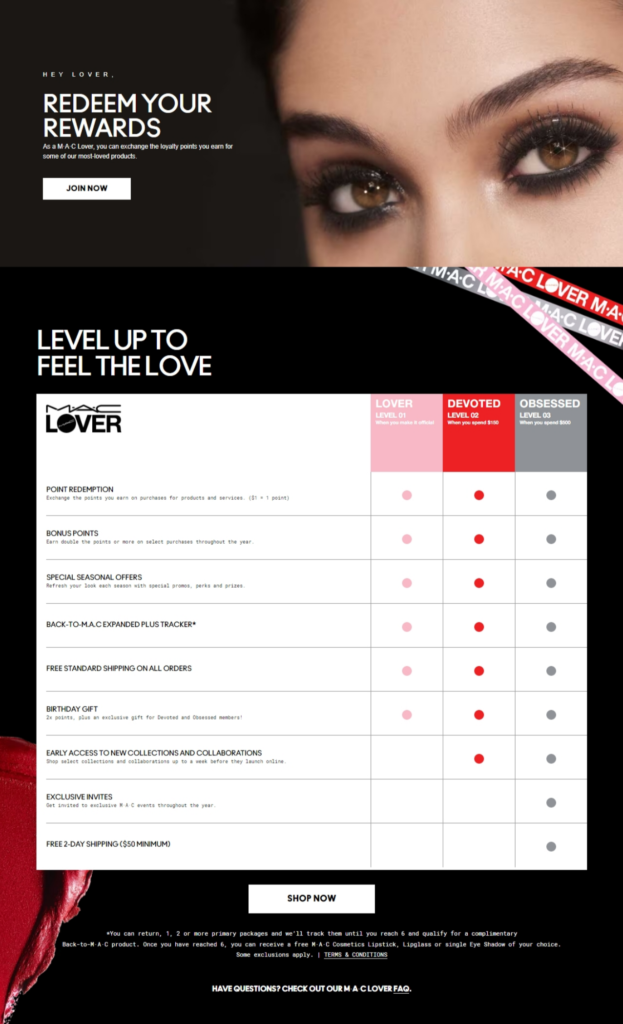
Creating a loyalty program is another essential feature that boosts customer satisfaction and sales on your e-commerce website. Members of the program can get exclusive offers and access to good deals before everyone else.
Customers in a loyalty program can also earn points and use them to reduce their total cost. Sometimes they can even get free products or free delivery.
For example, at Mac Cosmetics, the loyalty program is divided into three tiers: lovers, devoted and obsessed. The higher the loyalty tier, the more benefits customers get when shopping at Mac Cosmetics.
Carousel-Style Homepage
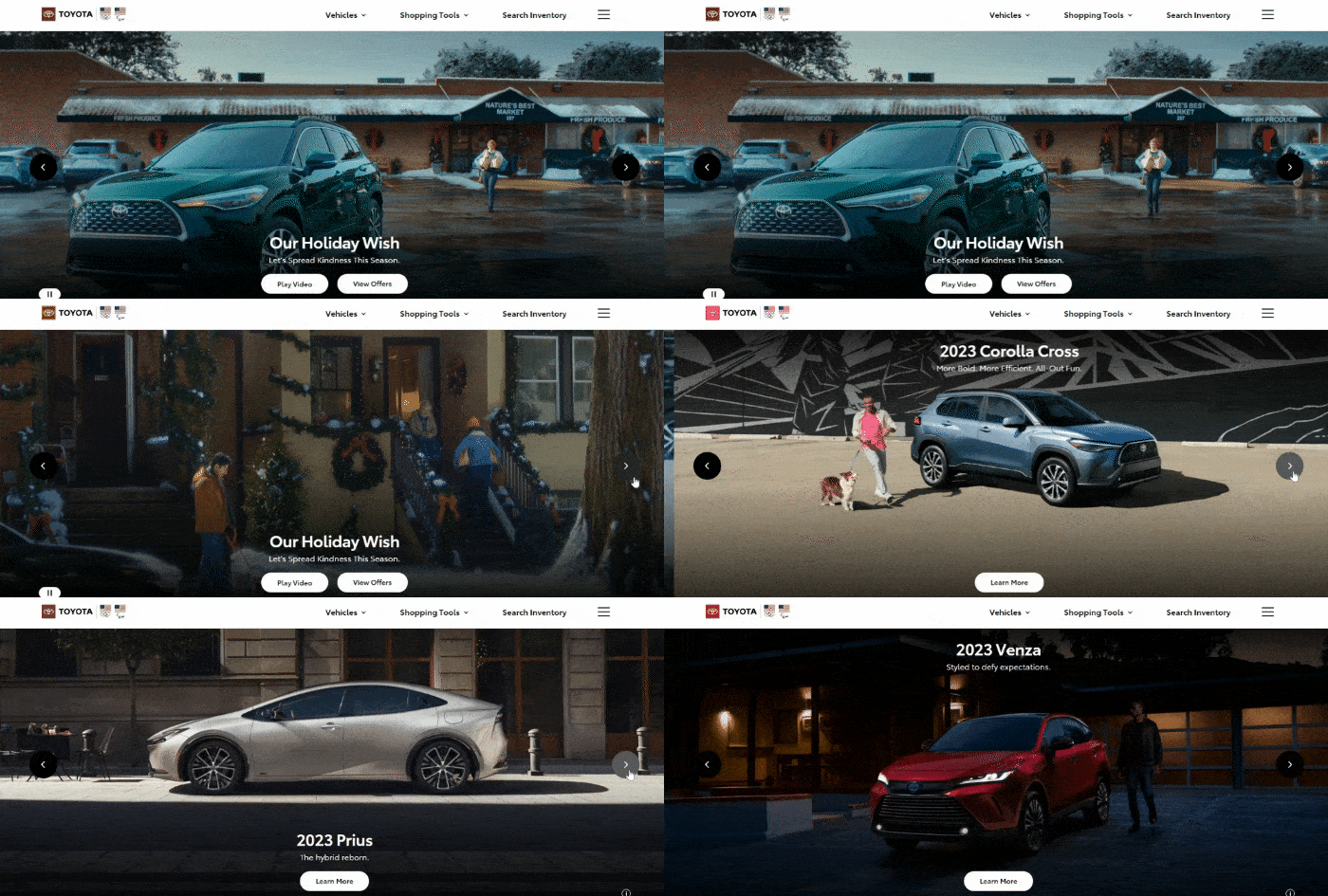
An e-commerce website is more than just an online version of your store. It’s also a great place to showcase the products or services you offer. Potential customers get an overview of your products or services the moment they visit your e-commerce website.
Toyota, for instance, displays several images and videos of its latest 2023 models. This marketing strategy lets potential customers “nail” the dream of owning a new car before the year ends.
Language Options
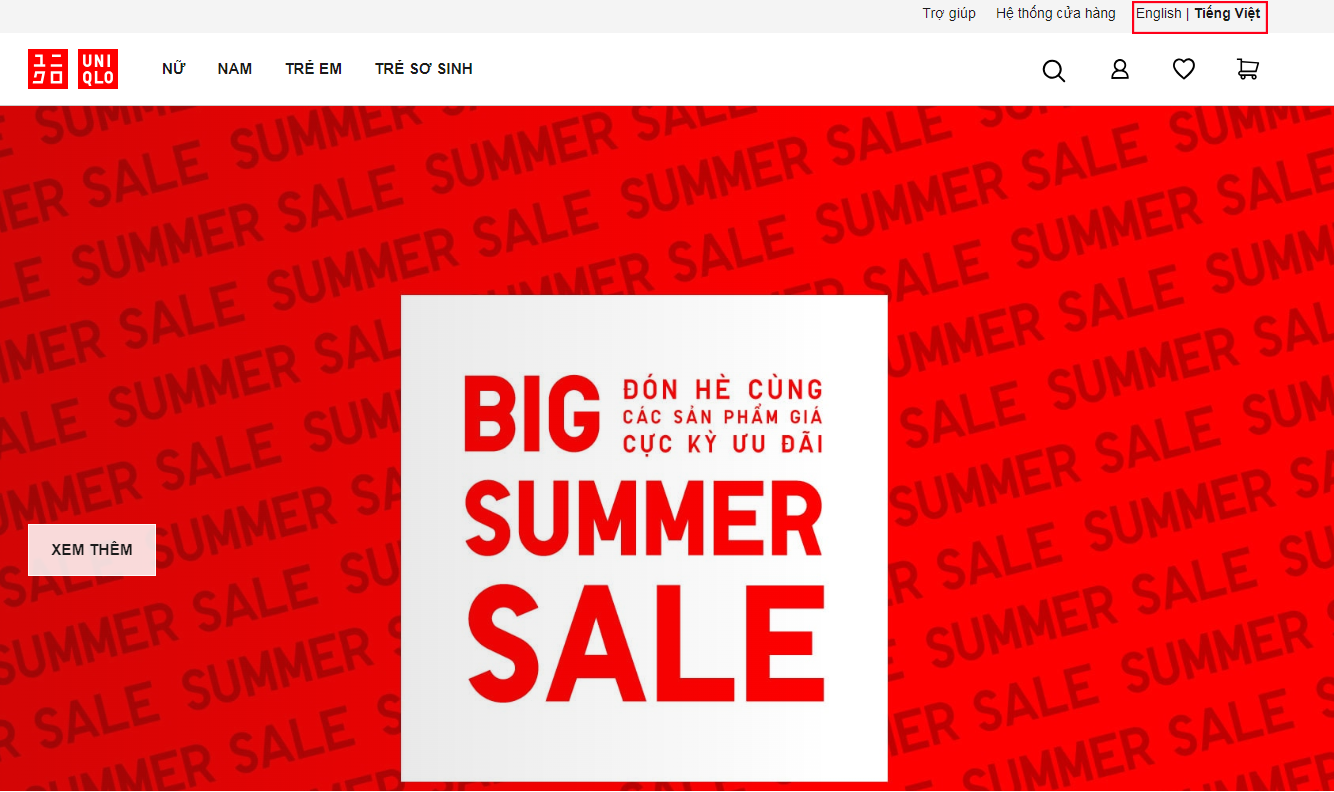
Do you plan to sell your products worldwide? Language options are an important feature your website should have. They let potential customers in other countries read and understand your e-commerce website’s content and the campaigns posted on it.
For example, Uniqlo Vietnam has two language options: English and Vietnamese. Because these are the two main languages used by many people in Vietnam, plenty of people can visit and browse its e-commerce website and consider buying a product or two.
Build a Great E-Commerce Website for a Better Customer Shopping Experience
Besides building key features into your e-commerce website, make sure to keep all of your content up to date, from images to text. Outdated information can be a turn-off, while relevant content can keep customers more engaged!
Now, build an advanced e-commerce website with these features so your customers get a better shopping experience.

Nguyễn Đình
Bảo




As CEO of The7, I am committed to sharing practical, useful knowledge with every reader. Every article on The7 is based on my 7 years of hands-on experience in marketing — Facebook advertising, LinkedIn advertising, Google advertising, and marketing strategy. I hope you take away plenty of insight from these posts and apply it successfully in practice.
Related Articles
Building a Full-Funnel Content Marketing Strategy on LinkedIn
Table of Contents Toggle Why Build Content Marketing for the Full Marketing Funnel? (Why Full-Funnel Content Marketing?)Creating Your Strategy (Creating Your Strategy)Implementing Your Content Strategy (Rolling out your content strategy)Summary...

Designing Creative Content for LinkedIn
Table of Contents Toggle Why Is Good Creative Content So Important? (Why is Good Creative Important?)Key Components of Creative Design (the core elements of creative design)Summary (summary) Why Is Good...

Building an Organic Business Presence on LinkedIn With a LinkedIn Page
Table of Contents Toggle Why Have a LinkedIn Page?Establishing Your LinkedIn PageKeeping Your LinkedIn Page ActiveThe Measure of SuccessSummary About LinkedIn Page (Summary) Why Have a LinkedIn Page? For a...

6 Best LinkedIn Marketing Strategies for B2B in 2026
Table of Contents Toggle LinkedIn 2026: Where B2B Decisions Get MadeStrategy #1 – Why Is LinkedIn the Best B2B Marketing Channel Today?1. Decision-makers are concentrated here2. Users are in work...

7 Social Media Trends for 2026: The Era of Real Value, Real Conversion, and Real People
Table of Contents Toggle Social media is entering the biggest restructuring of the decadeTrend 1: Why is buying directly in-app becoming the new standard for 2026? (On-Platform Conversion)What should businesses...

What Is TikTok Marketing? Effective TikTok Marketing Strategies
TikTok has been topping the global rankings of the most downloaded and most visited apps. That makes it a gold mine for marketers who love creativity. In this article, The7...