


What Is a Landing Page? How Is It Different From a Regular Website?

What is a landing page that so many businesses choose to use it? Simply put, a landing page is a standalone web page that is commonly used in marketing campaigns. So what is it created for, and how does it differ from a regular website? Let’s take a closer look in the article below.
Marketing knowledge:
- What Is Marketing? The 13 Most Popular Types of Marketing in 2022
- What Is Integrated Marketing? Its Role and How to Plan It in 2022
- What Is Online Marketing? How to Advertise Effectively Online
- What Is Digital Marketing? 10 Popular Advertising Formats in 2022
1. What Is a Landing Page? How Is It Different From a Regular Website?
In an advertising or marketing campaign, we often hear the term “landing page”, also known as a destination page. It is also a concept that quite a few people confuse with a regular website.
1.1 What Is a Landing Page?
A marketing landing page is a standalone web page (microsite) with a domain name very similar to the main website, and it usually offers content about one specific product or service only. According to recent data, businesses can increase their conversion rate by up to 120% if they know how to use marketing landing pages properly.
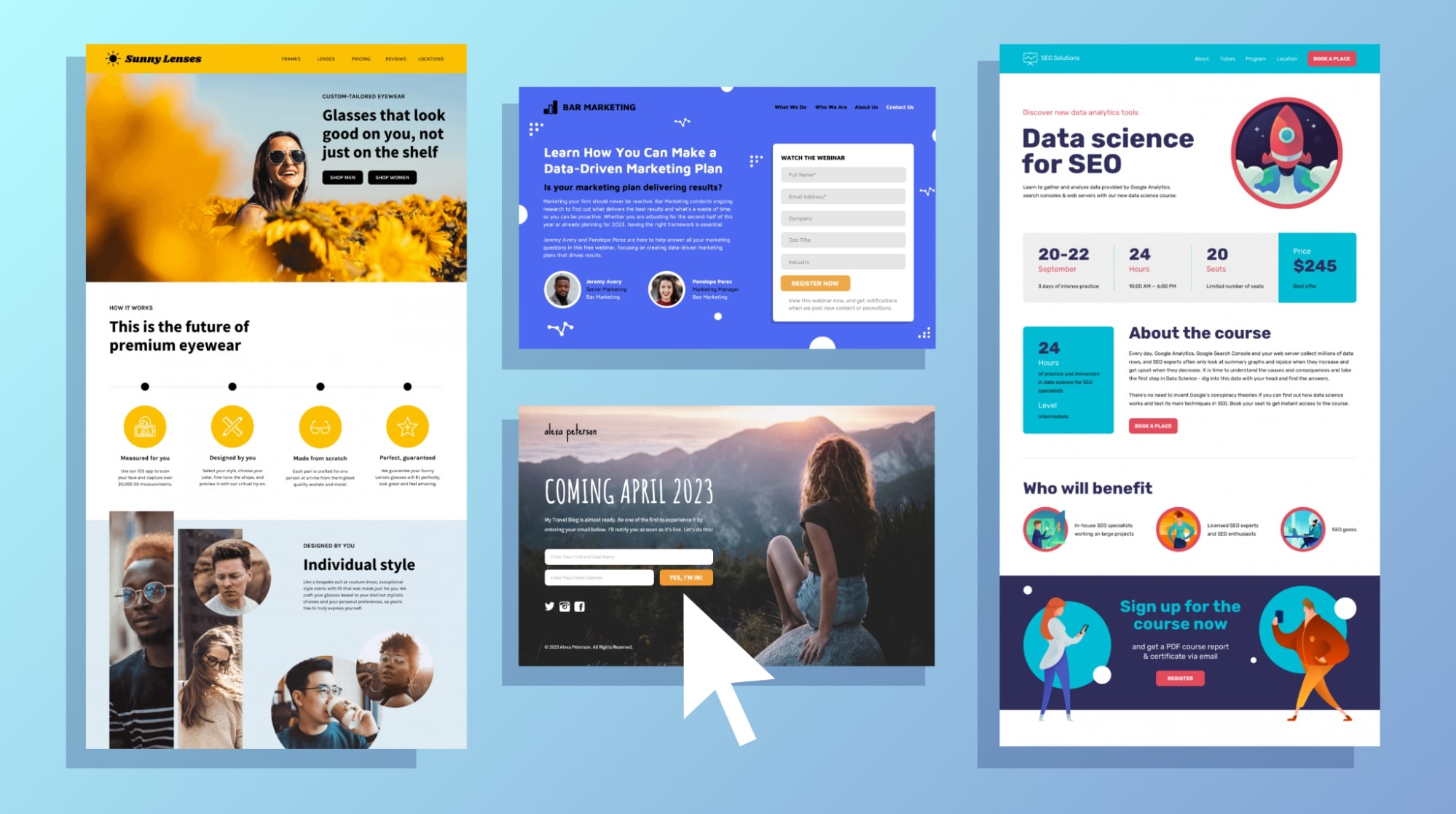
Here, customers can find all the information about a specific product, from features, uses, and highlights to promotions, special offers, visual design, and registration and contact details, clearly laid out on a single page. Actions on this page also take just one click, such as signing up for information or buying the product.
The main purpose of a landing page website is to increase the campaign’s conversion rate and minimize both sales costs and the cost per lead conversion. An attractive landing page easily draws in and persuades target customers to take a conversion action (for example, making a purchase, signing up for a consultation, or trying out a product) right on that platform.
In addition, knowing how to design a landing page helps optimize a business’s sales costs while making it easier to connect with potential customers.
1.2. How Is a Landing Page Different From a Regular Website?
What is the difference between a landing page and a website? The7 will explain the difference between these two concepts for you:
– Website: A collection of information pages containing a full range of data and information flows across menus, sidebars, news sections, and more. A website includes an introduction to the business, a product list, details of each service, business activities, promotional information, related news, contact information, and so on. It is considered the main home, where customers can find all the necessary information a business offers. The information on a website is usually durable and long-lasting.
– Landing page: A single web page that focuses only on information about one specific product, service, or promotion, and is usually used for just a short, defined period of time. The main function of a landing page is to provide information and then prompt action (Call to Action) to persuade users to engage and complete a real conversion action.
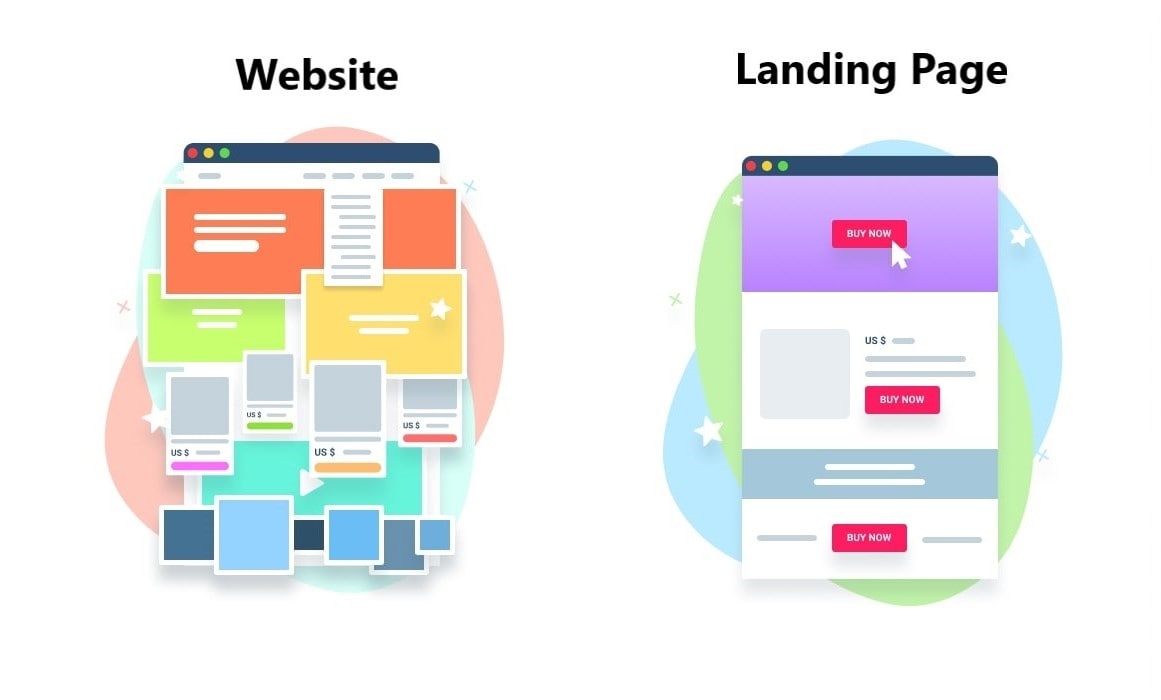
In general, a landing page has a higher conversion rate than a website. This is because a website has too much information, does not focus on one specific goal, and involves more steps before reaching the conversion step than a landing page does.
2. Types of Marketing Landing Pages
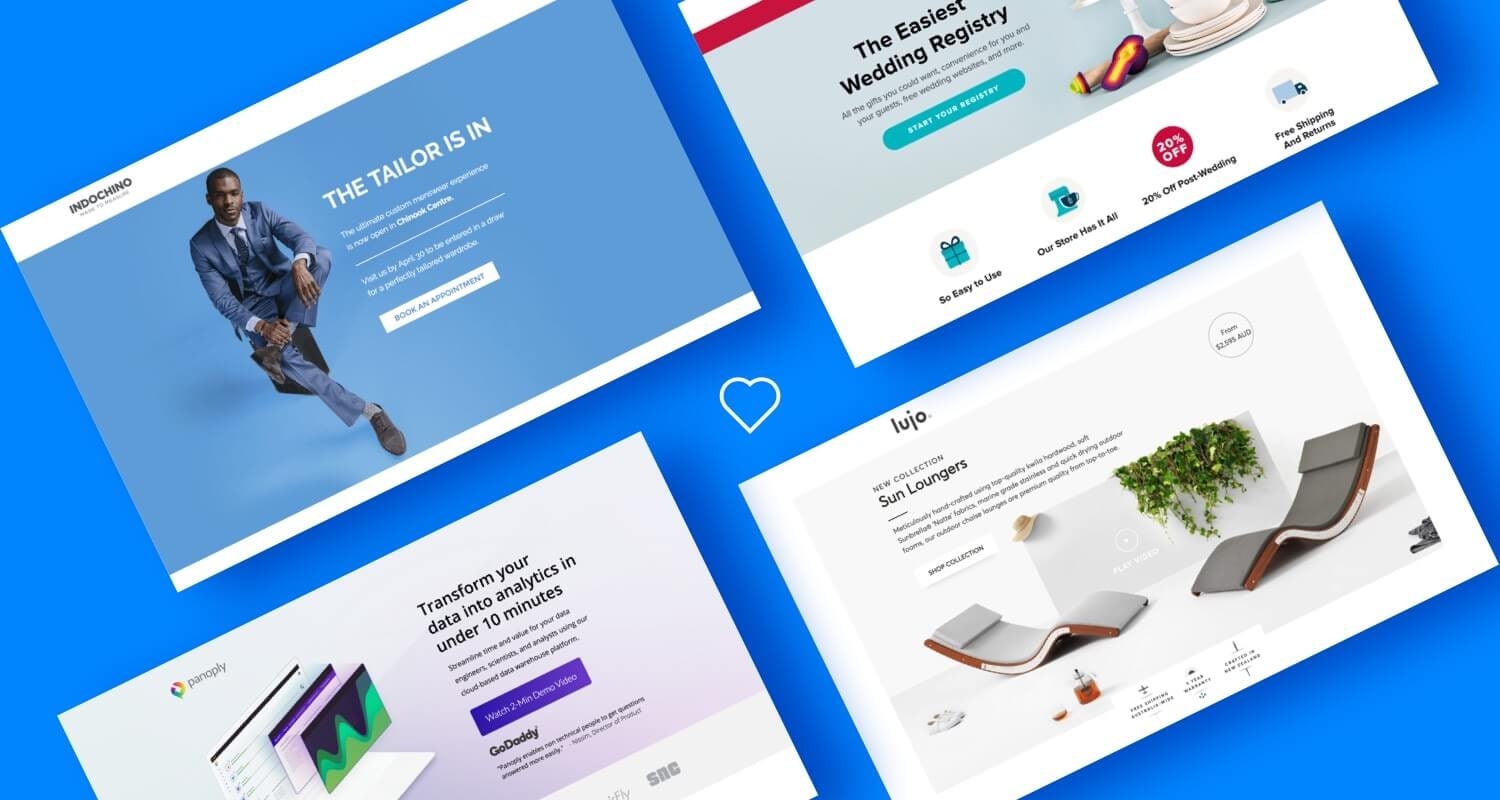
Most landing page websites share the same purpose: prompting customers to take a conversion action. There are many different landing page designs to fit a business’s products and goals, such as sales landing pages, lead capture landing pages, introduction landing pages, conversion landing pages, and more.
However, based on the purpose of the marketing campaign, there are mainly 3 types of landing pages that are commonly used:
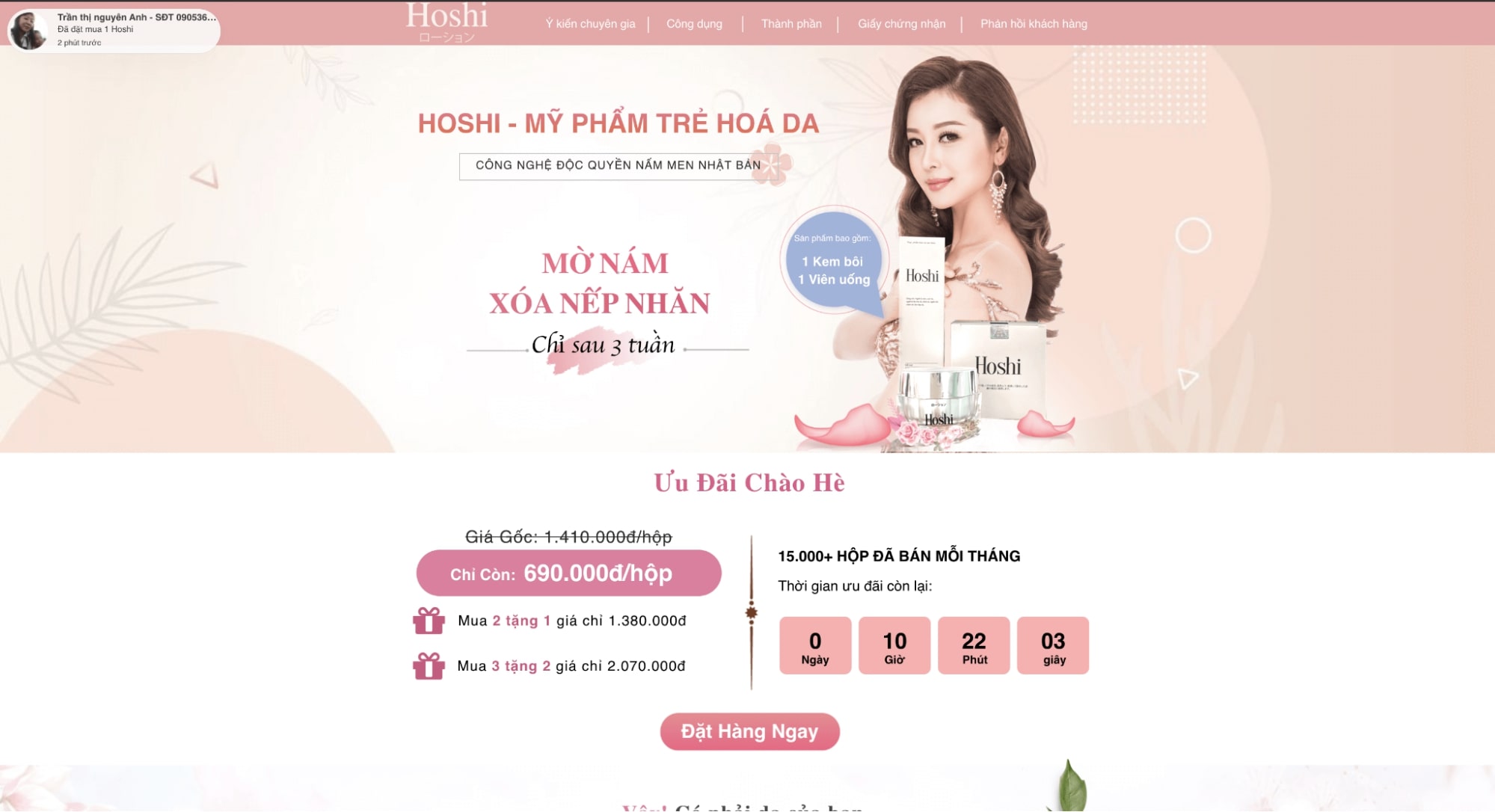
Sales Landing Page (Sales Page):
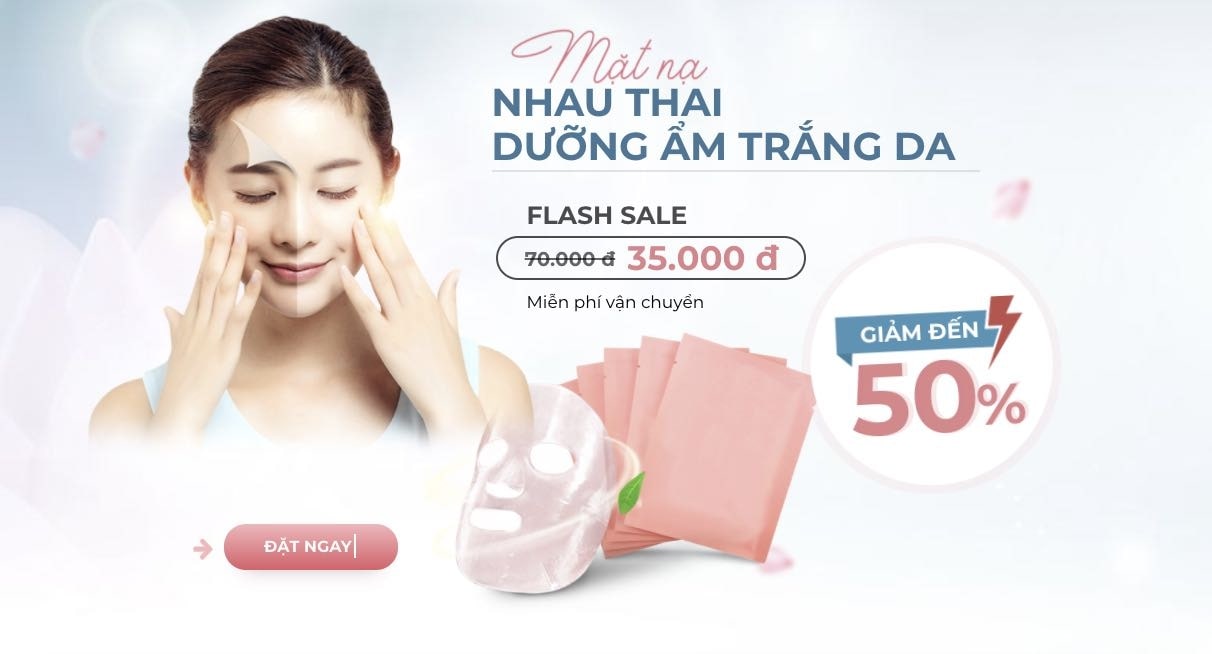
These conversion pages sell directly or persuade users to sign up to try a product or service right on the landing page. With an interface that has a call-to-action button, users can go straight to the payment gateway or complete a registration with just 1 click. This type of landing page is also commonly used to sell online courses, run online stores, or focus on a newly launched product group that is currently on promotion.
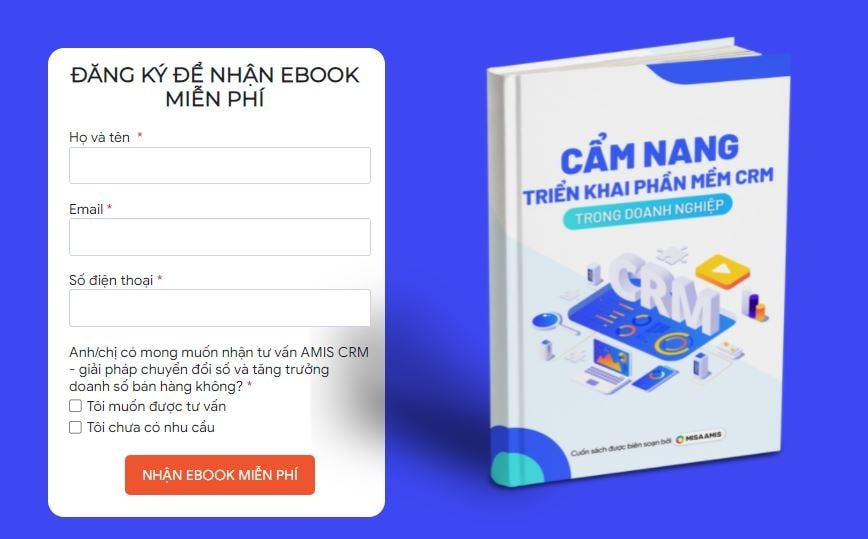
Landing Page That Collects Customer Information (Lead Generation Page):
Commonly used in campaigns for organizing events and launching brands or new products to collect potential customer information. This type of landing page usually uses a registration form that collects details such as name, phone number, email, customer needs, and so on. To make it easier to collect information, the landing page often includes attractive extras such as special offers, discount vouchers, free gifts, limited-edition ebooks, and more.
Conversion Landing Page (Clickthrough Landing Pages):
An intermediate page that leads customers to another page where you want them to take action. A clickthrough landing page provides all the necessary information about a service or product and then guides customers to the main website.
Based on your promotional goals and the type of product or service you sell, a business should consider choosing the right type of landing page to get the most out of its potential, attract more customers, optimize its marketing campaign, and increase profits.
3. Benefits of Landing Pages for Sales
You may be wondering what the benefits of designing a landing page are, and why so many businesses use one to promote themselves. Here is the value a landing page delivers when used properly:
3.1 Marketing Landing Pages Help Increase Conversions
One of the first benefits a landing page delivers is higher conversions: it encourages customers to take action, show interest, and sign up with their information, while also giving them a better experience. Besides using offers to “hook” customers, attractive content that fits the campaign’s goals is the easiest way to bring in the best customers.
3.2 Give Your Business a Better Understanding of Customer Insights
The data collected from customers’ registration forms, along with the different offers on each landing page, is an important source of information for understanding customer insights, and with them customer needs, more accurately. You can gather information on interests and socio-demographics such as age, gender, phone number, occupation, and more. From there, you can identify the insight and adjust your marketing strategy accordingly, choose the channels most likely to bring in more conversions, and target the right audience.
3.3 Support Your Business’s Email Marketing
By collecting customer information through the registration form on a landing page, you build a list of customer emails. You can then send marketing emails to their personal inboxes to stay connected with customers and look more professional in their eyes, using thank-you emails or emails that include offers they care about.

3.4 A Landing Page Website Supports Effective A/B Testing
To determine which channel brings in more customers, which service or product is more popular, which offer gets more support, and so on, a landing page is the test you need. You can create content and images in multiple variations to find the approach that delivers the highest conversion rate, without worrying about the risks of experimenting on your main website.
3.5 Landing Page Design Helps Your Business Measure Key Metrics
Designing a microsite also aims to help businesses measure the conversion metrics that directly affect their original goals.
With a landing page, a business can rely on conversion metrics to evaluate the performance of each marketing campaign and then decide on suitable improvements. Possible changes include focusing resources on the channel with the highest conversion rate and adjusting the messaging to raise the conversion rate and boost campaign performance.
3.6 Boost Brand Awareness and Customer Goodwill
Even before reading the content, an eye-catching, user-friendly landing page interface easily attracts customers and wins their goodwill. A landing page that has been carefully developed also helps raise brand awareness, and it can reach target customers for your upcoming campaigns.
4. When Does a Business Need to Design a Marketing Landing Page?
Once you know what a landing page is and understand the benefits this format brings, a business needs to determine when to design one and how to go about it, as follows:
4.1 When Your Business Wants to Collect Customer Emails
This applies when a business needs to collect customer emails so it can send marketing emails to potential customers, encourage the audience to buy, and increase the conversion rate. Although this approach does not convert at a high rate, it is still necessary to maintain engagement and contact with customers.
4.2 When Your Business Wants to Run Ads
A business should build a landing page with appealing visuals and engaging content when it wants to run ads effectively while saving as much on advertising costs as possible. However, to achieve this goal, the landing page content must truly address an issue users care about, and it needs to be combined with ad-running skills to optimize the landing page content.
4.3 When Your Business Wants to Find a New Audience
When your customer sources have run dry and you want to expand your market and find new customers for your products, you should build a landing page to reach a wide range of customer segments in every location, region, and age group.
4.4 When Your Business Launches a New Product or Service
A newly launched product or service requires a lot of spending on promotion and image building. That is why choosing a landing page at this point helps you quickly reach a large number of customers, introduce specific product information, collect customer data when they want to order the product, and, of course, increase the conversion rate.
4.5 When Your Business Wants to Run a Giveaway
Free giveaways, limited-edition gifts, discount vouchers, and special promotions meant to retain customers and build their trust and goodwill are something many businesses aim for. To achieve this, you need a supporting landing page and an optimized conversion tool.
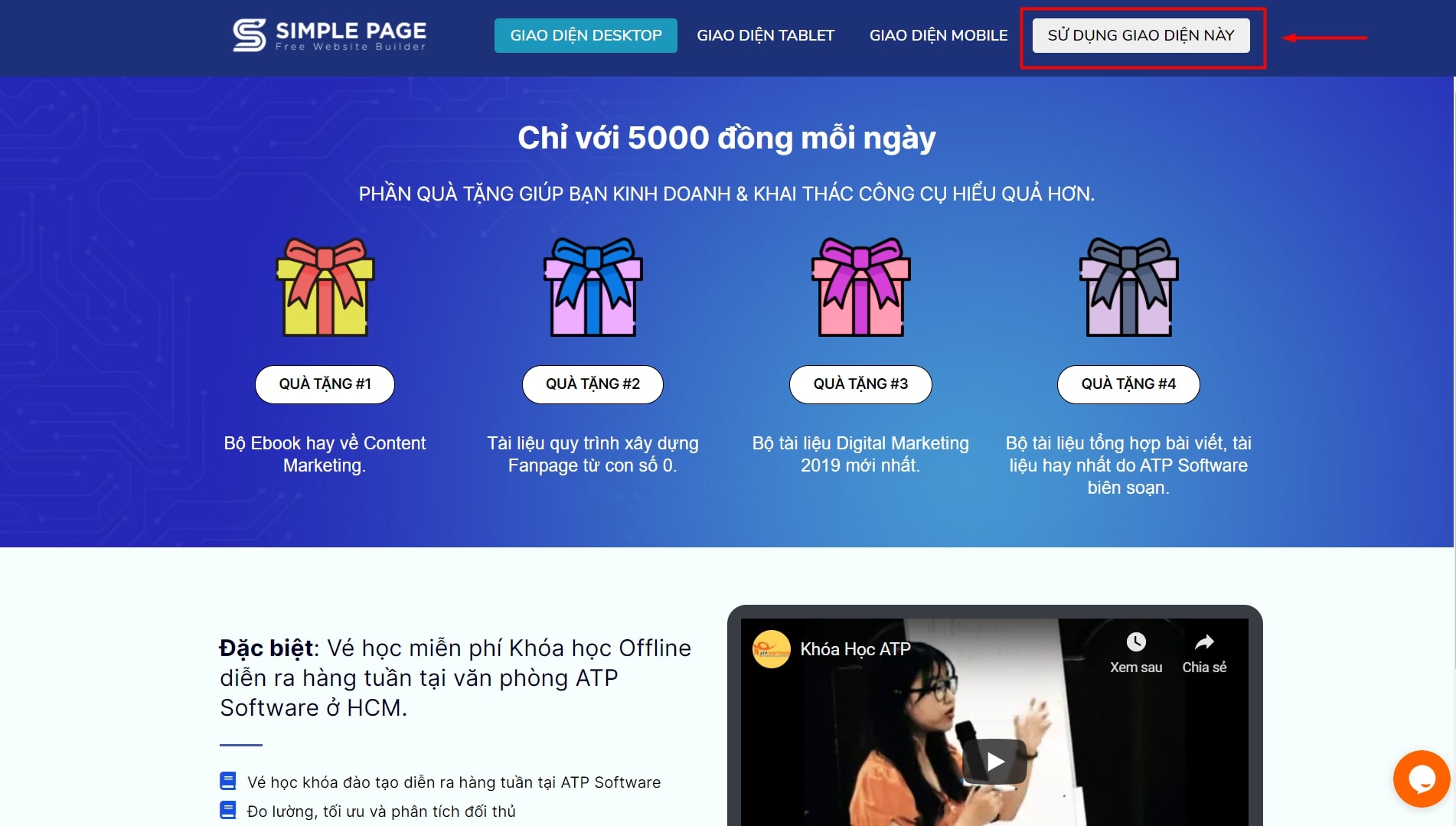
4.6 When Your Business Wants to Organize an Event
To let customers register for an online or offline event easily and simply, building a landing page with brief information and a registration form is a simple and cost-effective approach. Landing page content for an event usually includes the following items:
- The event name and purpose
- Who benefits from attending the event
- The benefits customers receive when they register
- The speakers appearing
- The event content
- The time and location
4.7 When Your Business Wants to Optimize Its Website (SEO)
Creating a landing page is one way to help your main website rank higher on Google while also optimizing the site for search engines. In addition, a landing page supports keyword SEO and overall SEO for the website. That makes it an indispensable option when you want to grow a business’s website.
5. Key Elements That Help a Landing Page Increase Its Conversion Rate
Besides designing an attractive landing page website with engaging content, a few elements of the landing page’s structure will help increase the page’s conversion rate. So you should focus on the following components:
5.1 A Well-Crafted Landing Page Headline
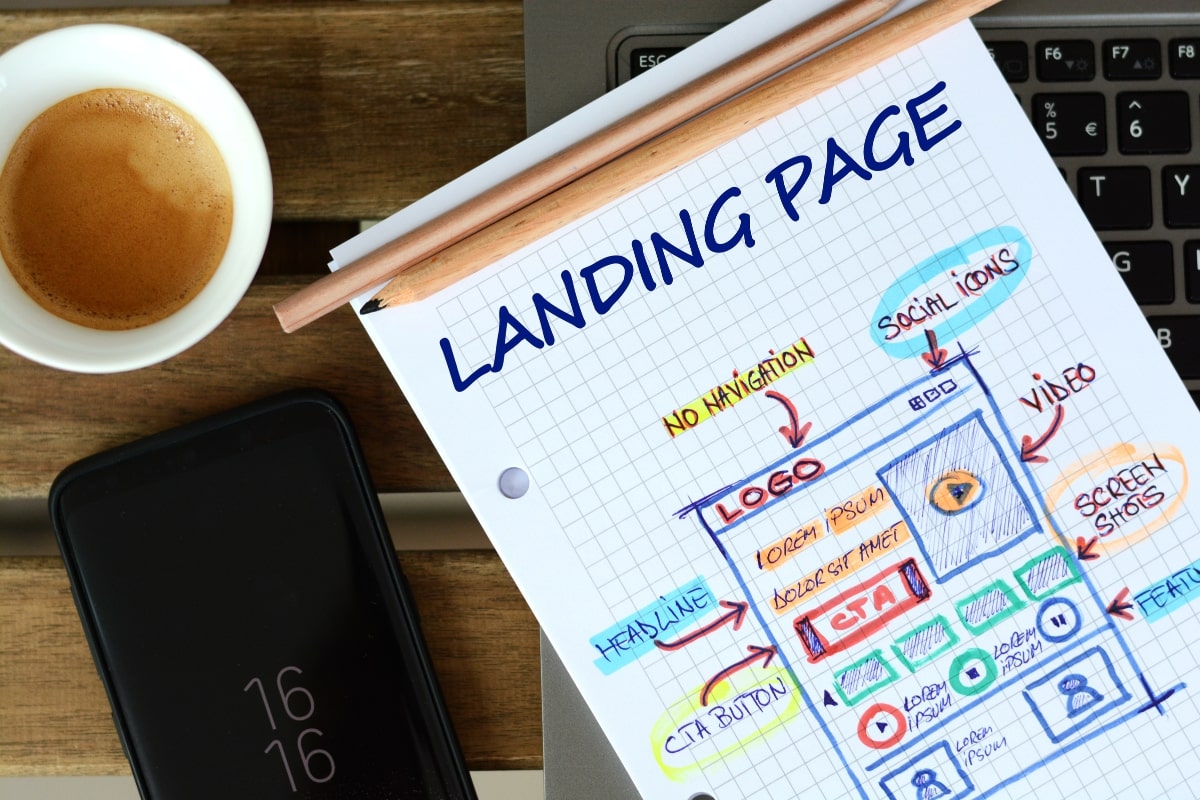
The headline is the first thing that catches a customer’s eye when they open a landing page, so this is where you should put the value and benefits customers will receive first. For example, the headline should include words related to “discounts”, “special offers”, “promotions”, “gifts”, and so on. Draw readers in with a headline built around exactly what they care about, then keep them on the page longer, and only then can you encourage customers to move on to the conversion actions that follow.
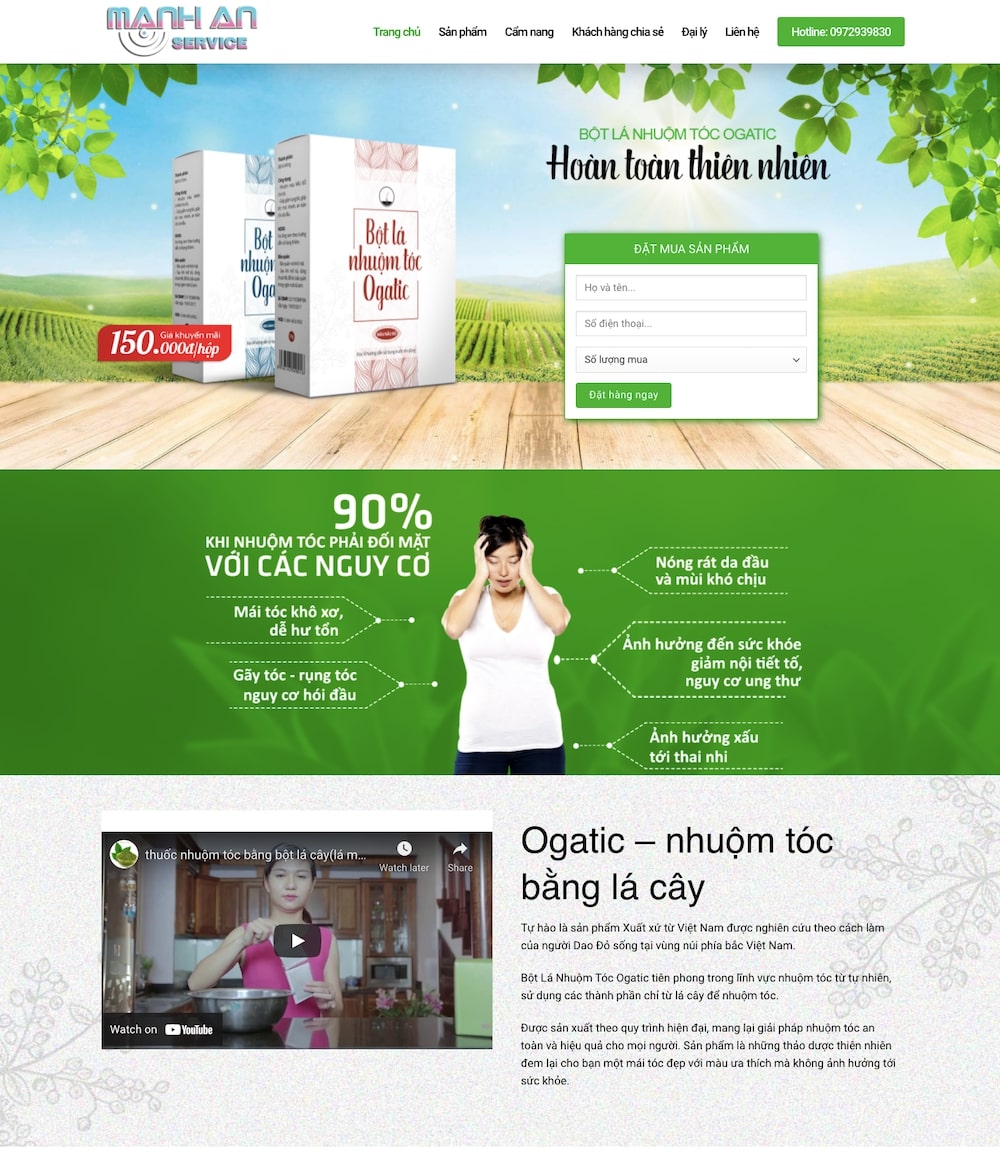
The headline message should be concise and capture the main purpose, and it should also briefly introduce the service or product you offer. This lets customers know what the page is about and what its purpose is, so they can decide whether to take the conversion action (making a purchase, filling in a registration form, clicking, and so on) that you want.
5.2 A Landing Page That Presents the Service You Actually Offer
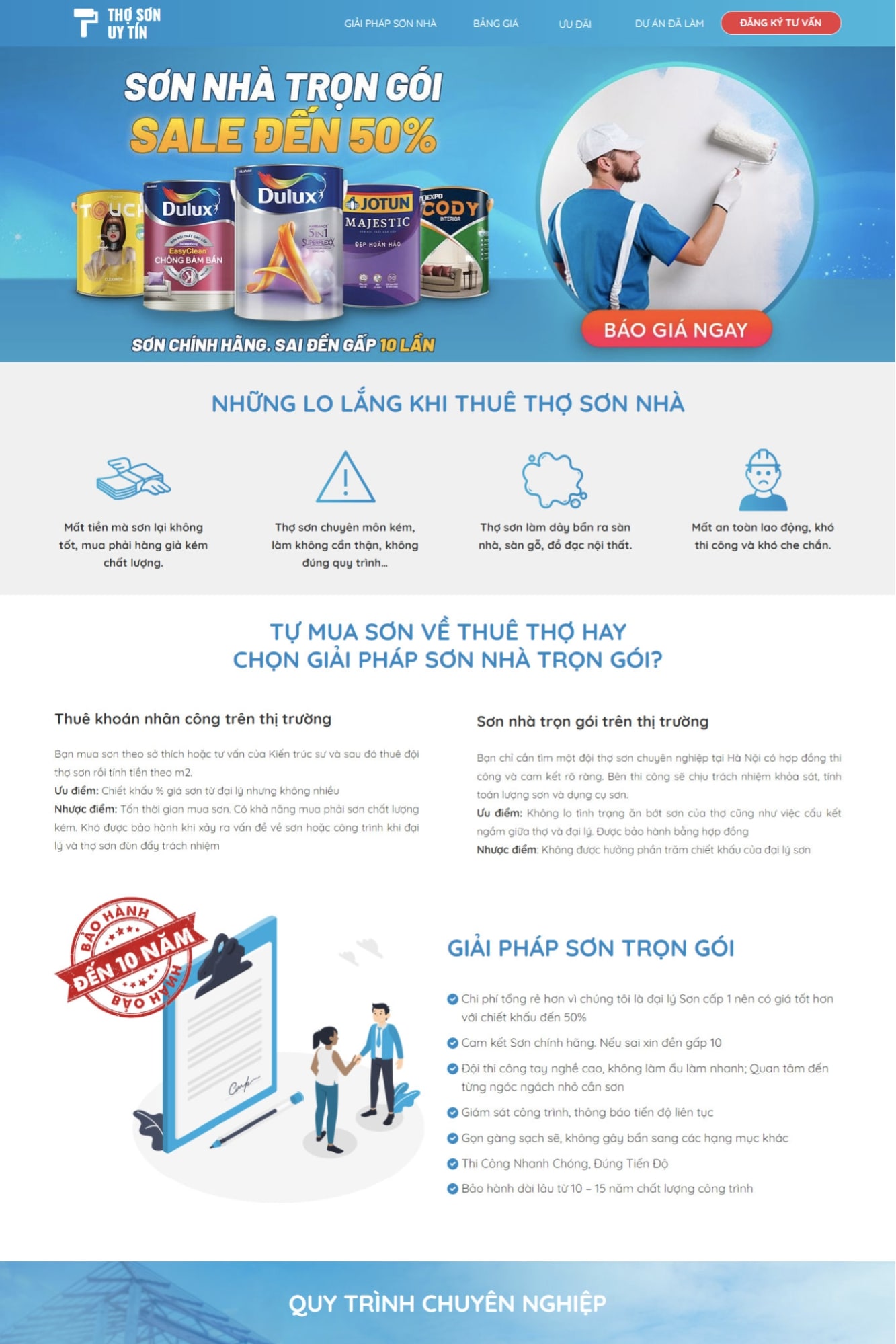
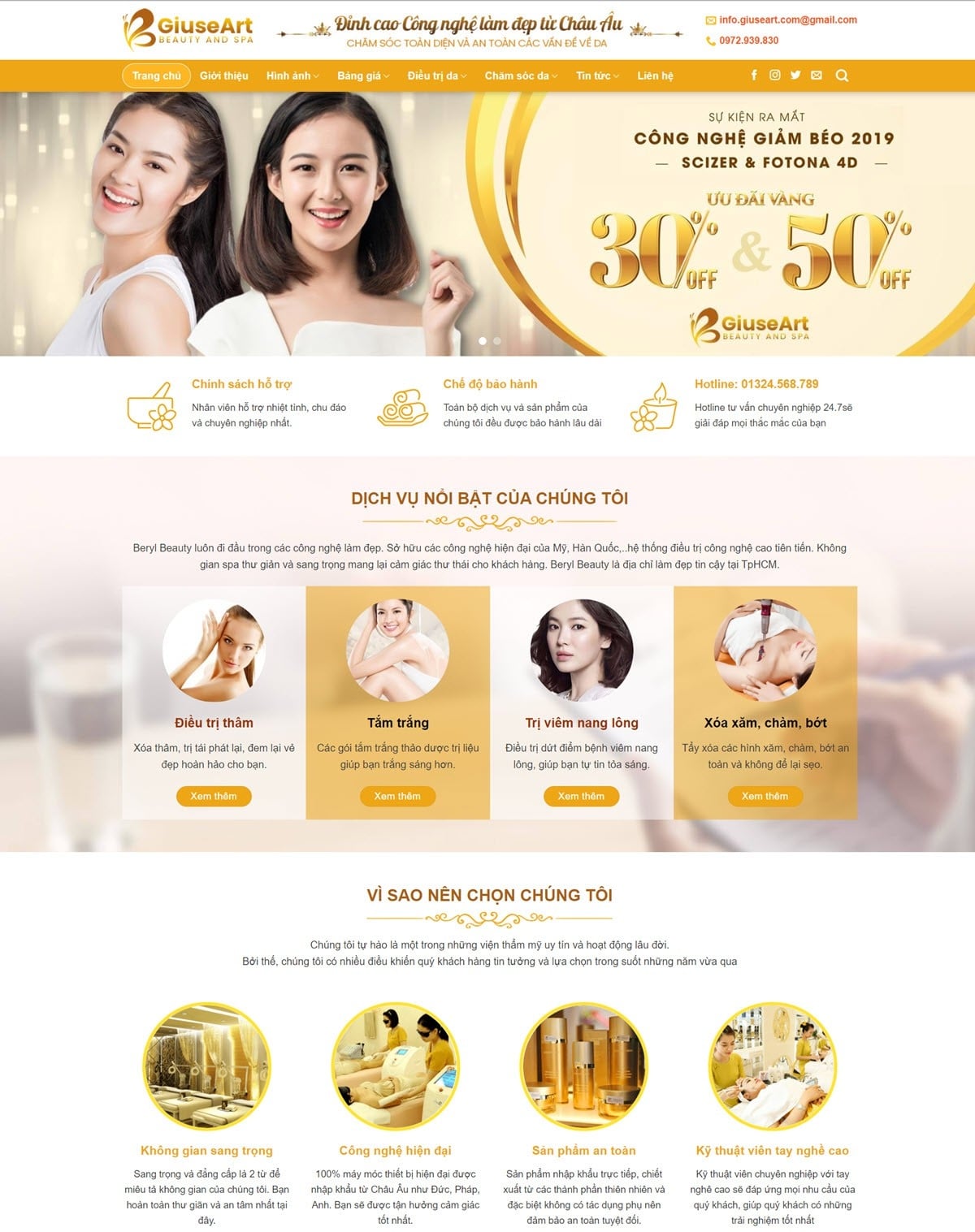
Below the headline is the main content introducing the service or product your business wants customers to notice. So make sure the content focuses on the product’s real highlights, including features, characteristics, benefits, and the value it delivers.
The product’s strongest selling points need to be presented briefly but completely, helping customers easily picture the product and see the unique differences no competitor can match, so you persuade them to buy your product rather than anyone else’s.
5.3 A Simple and Appealing Registration Form
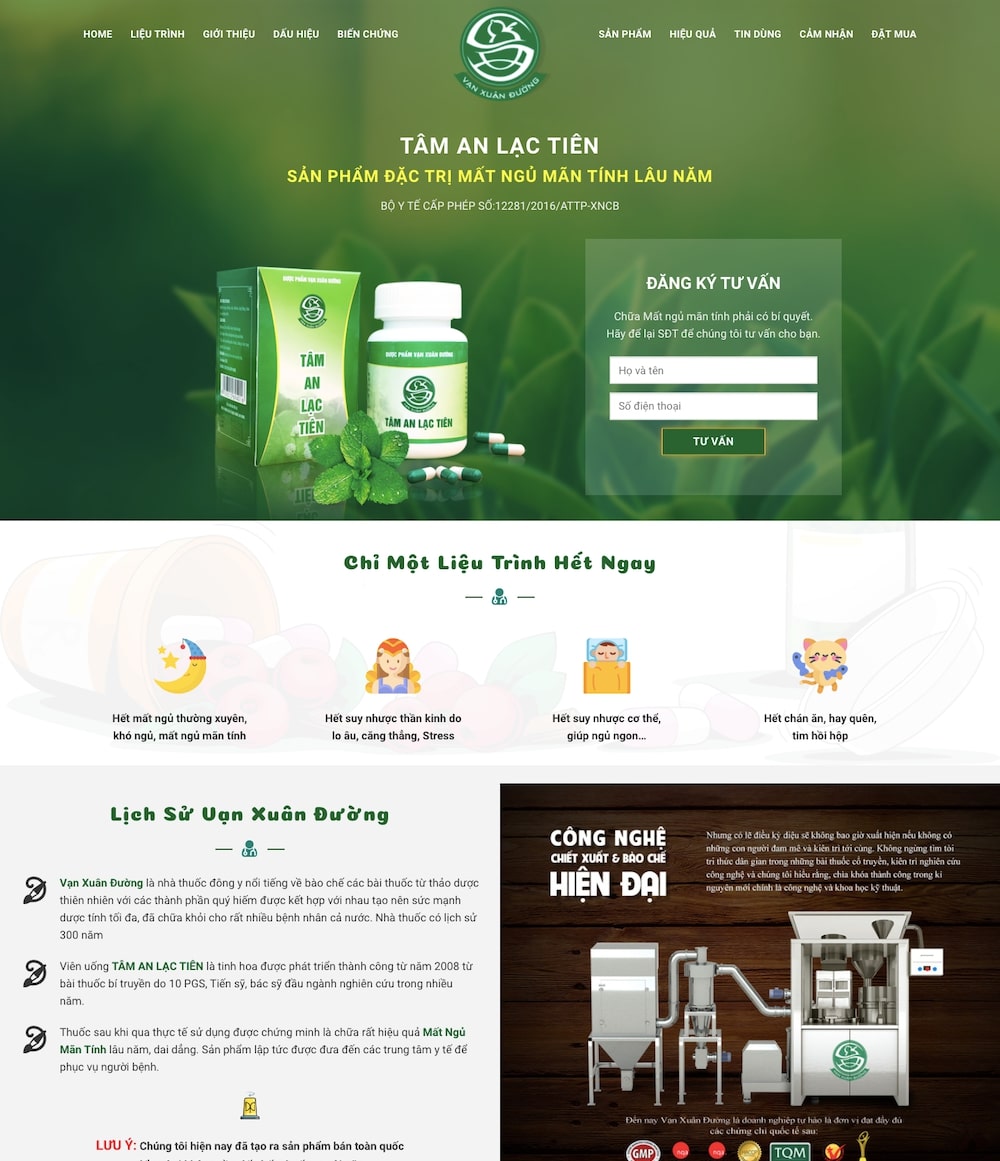
In addition to the on-page content, a landing page also has a form where customers can easily provide and submit their information. Short questions make it easier to collect information, because long and complicated ones often annoy customers and make them unwilling to answer.
That is why the form design and the content on it must be as simple as possible, asking customers for just a few brief details such as name, phone number, email, and needs (if necessary).
5.4 Landing Page Content That Matches Customer Insights
Besides a headline that hits the customer’s psychology and their desire to gain a benefit, the content must also match customer insights. Do this by addressing the issues customers care about, helping them see why using the service matters, meeting exactly the needs they want met, and solving the difficulties they face. From this helpful information, customers will weigh up and decide to use the product because of their own needs.
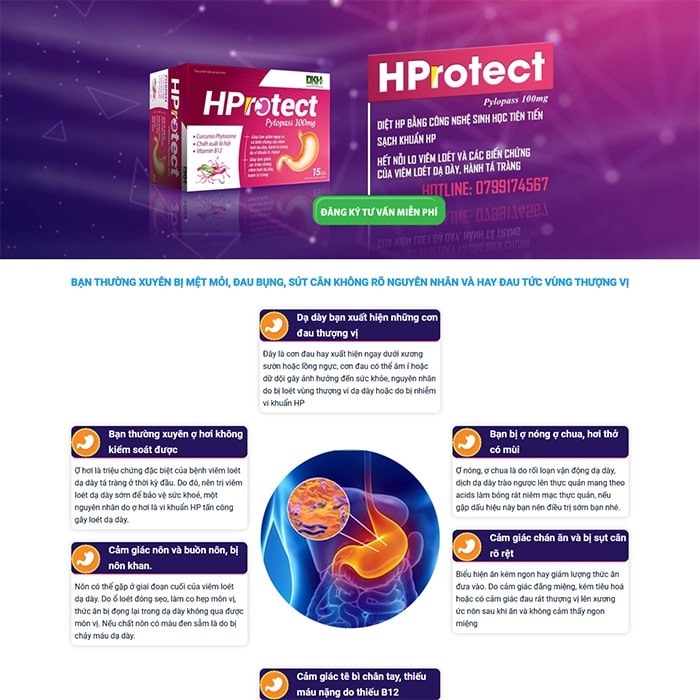
5.5 Engaging, Rich Copy, Images, and Video
A user-friendly interface will attract customers. But to hold on to them, you need to pay attention to the message conveyed through words, images, and video. A convincing landing page needs authentic, vivid product images, data presented in flexible charts, and creative, engaging introduction videos, all of which add credibility in customers’ eyes. In addition, many businesses today choose infographics for their images to make landing pages more eye-catching and lively.
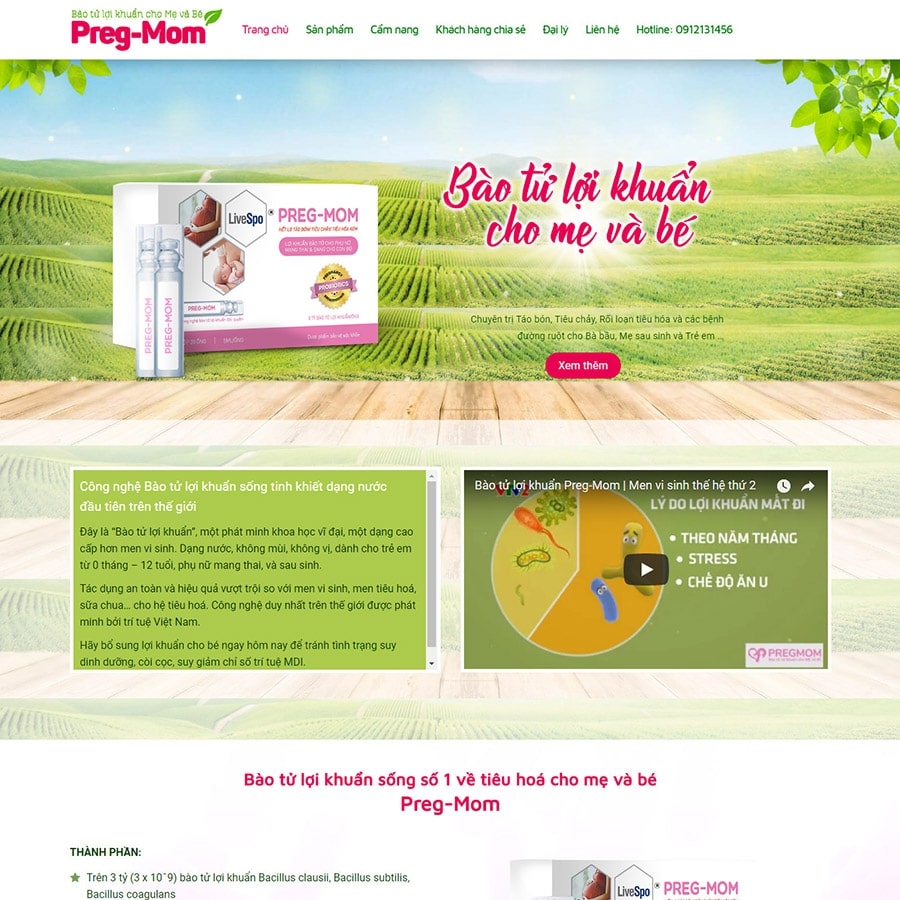
5.6 A Call to Action
The Call to Action is the final destination a landing page needs to reach after completing the content above. A call to action is like a last nudge, encouraging customers to take the most important conversion action.
That is why this spot needs to be designed to stand out and attract attention, using strong, urgent wording such as: “Get Your Gift Now”, “Buy Now”, “Watch Now”, “Sign Up for Free”,…
The call-to-action button can be placed at the bottom corner of the page, or in the section about offers or product benefits. You can also place multiple call-to-action buttons in several positions, but use a moderate number; too many can easily annoy viewers.
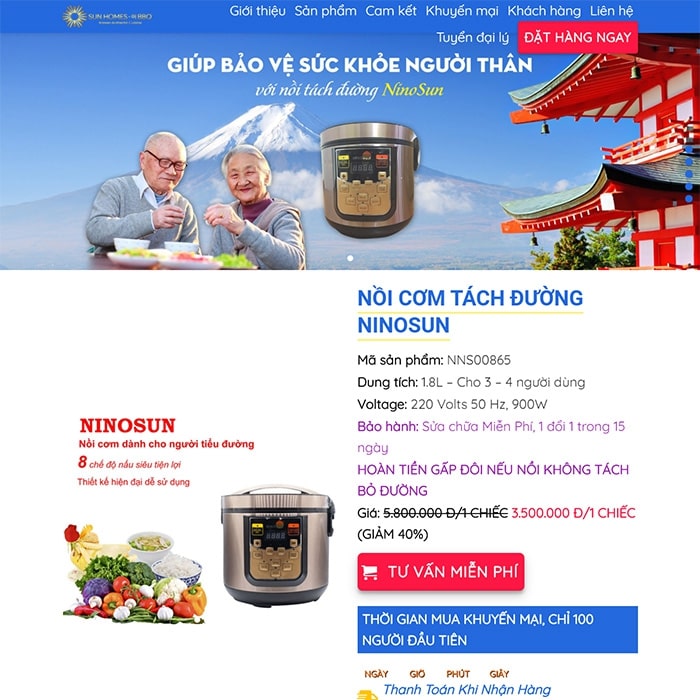
That is a complete roundup of the information that shows youwhat a landing page is and why you should use marketing landing pages. Businesses can also design a landing page themselves using basic support tools. However, it is better for a business to choose a provider that specializes in full-service landing page development, like The7.
If you need a high-quality landing page with an attractive, user-friendly design that fits your budget, contact The7 right away. We are always ready to serve you.
Marketing Services at The7:

Nguyễn Đình
Bảo



As CEO of The7, I am committed to sharing practical, useful knowledge with every reader. Every article on The7 is based on my 7 years of hands-on experience in marketing — Facebook advertising, LinkedIn advertising, Google advertising, and marketing strategy. I hope you take away plenty of insight from these posts and apply it successfully in practice.
Related Articles
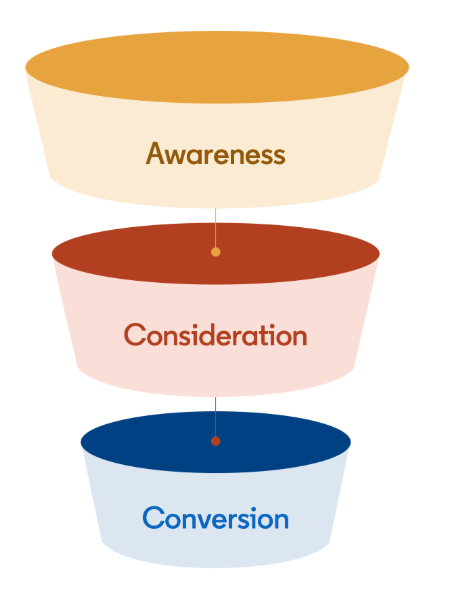
Building a Full-Funnel Content Marketing Strategy on LinkedIn
Table of Contents Toggle Why Build Content Marketing for the Full Marketing Funnel? (Why Full-Funnel Content Marketing?)Creating Your Strategy (Creating Your Strategy)Implementing Your Content Strategy (Rolling out your content strategy)Summary...
Designing Creative Content for LinkedIn
Table of Contents Toggle Why Is Good Creative Content So Important? (Why is Good Creative Important?)Key Components of Creative Design (the core elements of creative design)Summary (summary) Why Is Good...
Building an Organic Business Presence on LinkedIn With a LinkedIn Page
Table of Contents Toggle Why Have a LinkedIn Page?Establishing Your LinkedIn PageKeeping Your LinkedIn Page ActiveThe Measure of SuccessSummary About LinkedIn Page (Summary) Why Have a LinkedIn Page? For a...
6 Best LinkedIn Marketing Strategies for B2B in 2026
Table of Contents Toggle LinkedIn 2026: Where B2B Decisions Get MadeStrategy #1 – Why Is LinkedIn the Best B2B Marketing Channel Today?1. Decision-makers are concentrated here2. Users are in work...

7 Social Media Trends for 2026: The Era of Real Value, Real Conversion, and Real People
Table of Contents Toggle Social media is entering the biggest restructuring of the decadeTrend 1: Why is buying directly in-app becoming the new standard for 2026? (On-Platform Conversion)What should businesses...

What Is TikTok Marketing? Effective TikTok Marketing Strategies
TikTok has been topping the global rankings of the most downloaded and most visited apps. That makes it a gold mine for marketers who love creativity. In this article, The7...