


8 Significant Benefits of AI in Digital Marketing
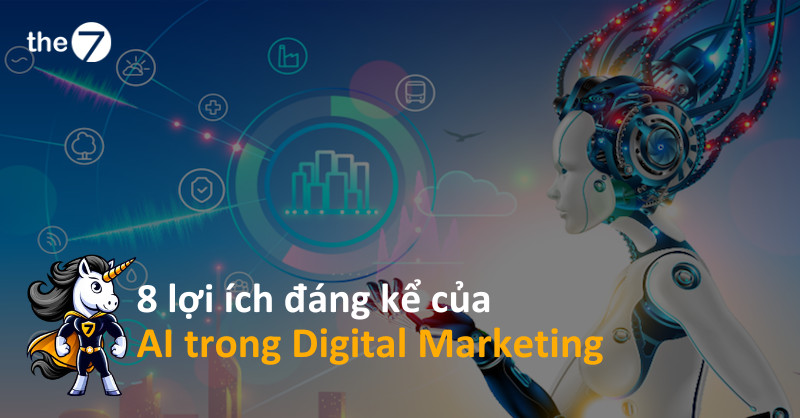
In the world of Digital Marketing today, artificial intelligence (AI) plays a central role, opening up new possibilities for marketers and businesses. AI helps marketing campaigns become not only more precise but also more personalized, meeting the specific needs of each user and adapting flexibly in real time.
The combination of creativity and AI’s ability to analyze complex data has opened a new era in digital marketing. For people working in this field, a deep understanding of how AI is changing the Digital Marketing landscape is extremely important. AI not only improves campaign performance but also changes the way we interact with and reach customers.
Let’s explore how AI is revolutionizing Digital Marketing, from data analysis to creating personalized and unique user experiences.
Transforming Communication With Consumers Through AI
Consumers face an enormous amount of information and advertising every day, and to capture their attention, we need to create content that speaks directly to the interests, needs, and aspirations of the audience.
Hyper-Personalization
The essence of hyper-personalization is delivering customized content that feels as if it was chosen especially for each user. What matters here is not just focusing on many target audience groups, but narrowing the scope to take advantage of each individual user’s particular interests, behaviors, and characteristics.
For example, the marketing strategy of Spotify, a global music streaming company, is a great illustration through its “Discover Weekly” feature. By analyzing users’ listening habits, skipped songs, and many other factors, an AI algorithm creates a weekly playlist that users feel was made just for them. As a result, the playlist doesn’t just feature popular tracks but also mixes in new ones that match each user’s personal music tastes.
https://giphy.com/gifs/winnerscircleent-sheff-g-sleepy-hallow-no-suburban-pt-2-WnNnrYf1fa3crb1xaq
Beyond Messaging: Product Personalization
While customized messages can capture attention, personalized products are the key to ensuring loyalty. In this area, using AI in Digital Marketing goes beyond making recommendations. In fact, it actively collaborates with consumers, giving them the chance to take part in creating a product that fully reflects their personal wishes.
Consider the example of Nike, a brand known for its prestige and creativity in sports. Through the “Nike By You” project, they are turning the shopping experience into a collaborative, creative process.

Customers do much more than simply pick colors or designs. Powered by artificial intelligence, the platform suggests design elements based on the user’s preferences, past purchase history, and even trending style movements, in order to create a unique product that fully reflects each person’s individual design taste.
Optimizing Marketing Efficiency With AI
The sheer volume of data, together with the need to make decisions quickly, makes the use of artificial intelligence in Digital Marketing an important “game-changer.”
Let’s look in more detail at how AI boosts performance in Digital Marketing:
The Automation Revolution
Driven by AI, automation is changing the way Digital Marketing works. By eliminating repetitive tasks and automating complex processes, artificial intelligence helps agencies spend their time and focus on building strategy, being creative, and handling higher-complexity tasks.
Discussing the views of expert Maria Carpena, she emphasizes the transformative power of AI in lead routing. Maria Carpena focuses on artificial intelligence’s ability to predict and direct potential customers to the most suitable salesperson, based on factors such as purchase history, engagement data, and many other criteria.
In email marketing, integrating AI into Digital Marketing campaigns makes personalized campaigns stand out. Instead of sending generic email messages, AI-powered systems can analyze recipients’ behavior to create personalized email content, determine the optimal send time, and recommend products that suit each user.
And the result? Higher engagement rates and more successful campaigns.
Fast and Accurate Data Analysis
Data is the driving force behind every successful marketing decision, so analyzing data quickly and accurately plays an undeniably important role.
https://giphy.com/gifs/Similarweb-similarweb-shaken-not-stirred-shelly-skandrani-L4uWEH2RXDiLsOcN8X
AI doesn’t just analyze quickly, it analyzes intelligently, recognizing patterns and trends that traditional methods might miss. Manually filtering information from a huge amount of data is very time-consuming. However, tools equipped with artificial intelligence can process this data quickly, segment customers, identify high-performing content, and even predict future trends. For agencies, this means strategies can be adjusted almost instantly, ensuring campaigns stay effective, engaging, and high-performing.
Strategic Marketing Innovations Through Data Insights
Trying to extract useful information from Big Data is like looking for a needle in a haystack. This is where AI’s precision and computing power come in, helping agencies navigate this volume of data and make informed strategic decisions.
Proactive Marketing With AI
It’s no longer just about carrying out reactive strategies, where actions are based on past data and events. By contrast, AI-based marketing emphasizes being proactive—forecasting trends, predicting consumer needs, and adjusting strategy in real time.
Consider tools like Google Ads. Beyond keyword targeting and bid adjustments, integrating AI into these platforms also enables real-time bid optimization based on key factors: user behavior, competitor activity, market trends, and more. These continuous adjustments ensure that ads are not only seen by the right audience but also optimized for cost and performance. This is proof of artificial intelligence’s ability to predict and adapt quickly, making sure marketing efforts always stay one step ahead.
Decoding Customer Patterns
Understanding the complexity of customers, with desires, behaviors, and preferences that are hard to grasp. AI tools dig deep into this complexity, identifying patterns and preferences to support effective marketing strategies.
While artificial intelligence can filter through data to provide insights into customers’ preferences or behavior. For example, an AI system can analyze social media sentiment to gauge how a product is perceived, but human agencies are the ones who craft the story around that product, stirring emotions and building lasting brand relationships.
Boosting Audience Engagement Through AI-Powered Visuals
The digital age is inherently visual. Every scroll, swipe, or click reveals images that can attract or repel audiences. With the support of artificial intelligence, video production and visual content creation are evolving, ensuring that what audiences see leaves a deep impression, not only aesthetically but emotionally.
Redefining Video Personalization With Artificial Intelligence
While text content has long benefited from the advantages of personalization, AI brings this precision to video. Audiences no longer watch generic video content. Instead, based on user behavior, preferences, and historical data, artificial intelligence creates video experiences tailored to each viewer.
Imagine streaming platforms suggesting movie trailers based on your viewing history, or e-commerce sites presenting product videos that match your shopping preferences.
See more: The Impact of AI on Digital Marketing: How Does It Affect Agencies?
Visual Storytelling
Compelling storytelling is important, but visualizing it makes it even more engaging. AI analyzes large datasets to understand which visual elements make the strongest impression on different audiences. Whether it’s the color palette, the pacing, or the background, AI insights ensure that every frame and every movement keeps viewers watching.
Efficiency in Production and Editing
The video production process, traditionally labor-intensive, is streamlined with the use of AI. From automating tedious editing tasks to suggesting optimal cuts based on audience engagement metrics, AI ensures that the final visual product is not only high quality but also delivers a deeply communicative experience.
Predicting Visual Trends
In the fast-evolving world of digital visuals, anticipating new trends is invaluable. AI doesn’t just analyze current visual trends but also predicts upcoming ones. For agencies, this means staying in tune with what audiences want to see, ensuring their visual content always stays fresh, relevant, and influential.
Balancing AI’s Potential With Its Challenges
AI promises limitless benefits in marketing. However, like any powerful tool, it poses challenges that require smart navigation.
Human Interaction in Digital Efficiency
Although using AI-powered tools may imply that every interaction should prioritize technology, there is still a strong need for sincerity in human-to-human interactions, especially in customer support. While artificial intelligence can provide quick answers, the empathy and understanding in customer interactions cannot be replicated, which underscores the need for an approach that addresses this issue.
Creativity in the Automation Process
Although AI excels at processing data and automating tasks, true creativity lies in the human soul. The campaigns that leave the strongest impression are often born from combining the analytical power of artificial intelligence with humans’ ability to craft emotionally rich stories.
Understanding the Limitations of Artificial Intelligence
AI operates on models and algorithms, which makes for remarkable performance but can sometimes be not entirely accurate. For example, while the artificial intelligence of a streaming platform can recommend shows based on viewing history, it may not keep up with changes or evolving tastes of users. Understanding these limitations means making sure AI complements, rather than tries to replace, the complex nature of human desires.
Revolutionizing SEO Strategy With AI Innovations
As agencies increasingly turn to AI to innovate across many areas, SEO is no exception. Artificial intelligence brings a transformative approach to SEO, ensuring that businesses are not only relevant but also lead in organic search results.
Predictive Keyword Analysis
Traditional keyword research tools can tell us what users searched for in the past, but AI has taken a new step forward. It analyzes Big Data to predict which keywords will become popular in the near future. For businesses, this means staying one step ahead in their content strategy, targeting emerging keywords before they become highly competitive.
Real-Time Content Optimization
AI-driven tools can now analyze content in real time, suggesting improvements for better readability, keyword density, and overall SEO value. By using Natural Language Processing (NLP), these tools can understand the context, sentiment, and reader intent behind content, ensuring it is not only optimized for search engines but also truly resonates with readers.
Enhanced User Experience Through AI
Search engines like Google put users first. Supported by AI, websites can analyze user behavior and adjust in real time to deliver a personalized experience. Whether it’s recommending related content, adjusting the layout based on the user’s device and preferences, or even predicting what users might search for next, AI-driven optimizations can lead to longer website visits, lower bounce rates, and higher search engine rankings.
Link Building and Community Outreach
Link building is an important part of SEO, and it can become tedious. AI helps streamline this process by identifying potential outreach opportunities, analyzing the quality of backlink prospects, and even automating some outreach processes. This ensures that efforts are focused on earning high-quality, genuinely relevant links, which in turn increases SEO value.
Analyzing Algorithm Changes
https://giphy.com/gifs/rainbow-computer-data-UEGwYCVTBFa9tJEf66
Search engine algorithms are constantly evolving. Artificial intelligence tools can monitor these changes, predict potential shifts, and advise businesses on how to adapt. This proactive approach ensures websites stay compliant and optimized with the latest and most effective SEO practices.
Enhancing Digital Interaction With Conversational AI
One of the pioneers of the digital transformation is AI in conversations, especially chatbots and virtual assistants. These AI-equipped entities are not limited to responding; they genuinely engage, understand, and evolve.
Interactive Communication
In today’s world, simply answering is not enough. Chatbots and virtual assistants, powered by artificial intelligence, engage users in a conversation that feels natural and intelligent. These conversations are an important source of data, containing valuable information about customers’ behavior, preferences, and desires.
Voice Assistants
Devices like Siri and Google Assistant have pushed past the boundaries of traditional interaction. By supporting voice-based search and commands, they make the user experience smooth, flexible, and engaging. These interactions deliver not only accurate answers but also solutions tailored to individual needs and preferences, offering a unique and refined user experience.
Gathering Detailed Insights
Every interaction with a chatbot or virtual assistant is an opportunity. By continuously analyzing these interactions, businesses can keep refining and updating their strategies, ensuring they stay in sync with consumers’ changing expectations and preferences, and thereby creating a flexible system.
Maximizing Advertising Effectiveness With AI Precision
Automated advertising isn’t just about showing ads; it’s about showing the right ad to the right person at the right time. AI has played a key role in making this a reality, ensuring that businesses not only reach their audience but also engage with them in a striking and emotionally resonant way.
Audience Segmentation
AI helps identify the customers most likely to engage. By evaluating users’ patterns, behaviors, and preferences, artificial intelligence segments audiences with extreme accuracy, ensuring that ad content is not only seen but truly makes an impression.
ROI Optimization
Every advertising expense needs to deliver results. AI, with its predictive analytics, ensures that businesses aren’t just spending but investing. By predicting the ad placements and time windows with the highest ROI potential, businesses can make sure AI-generated campaigns are effective and deliver positive results. This reflects maturity and wisdom in managing marketing resources, while also increasing the value of every unit of spending.
Adapting to Customer Touchpoints
AI ensures every touchpoint and every interaction is meaningful. By tracking the consumer journey and adjusting ad placement accordingly, artificial intelligence makes sure content stays relevant, impressive, and persuasive. This means ads appear not only in the right place but also at the right time, optimizing engagement and creating a positive impact on consumers.
Conclusion
Those who can adapt to changes in content creation and audience engagement will thrive. Don’t just watch the evolution; become a part of it. Equip your knowledge and tools with AI-driven strategies and open a path to unprecedented success in your digital efforts.
Take action now and join the few pioneers on this transformative journey, because this is clearly only the beginning.

Nguyễn Đình
Bảo




As CEO of The7, I am committed to sharing practical, useful knowledge with every reader. Every article on The7 is based on my 7 years of hands-on experience in marketing — Facebook advertising, LinkedIn advertising, Google advertising, and marketing strategy. I hope you take away plenty of insight from these posts and apply it successfully in practice.
Related Articles

7 Social Media Trends for 2026: The Era of Real Value, Real Conversion, and Real People
Table of Contents Toggle Social media is entering the biggest restructuring of the decadeTrend 1: Why is buying directly in-app becoming the new standard for 2026? (On-Platform Conversion)What should businesses...
Artificial Intelligence (AI) Helping Solve Environmental Problems: Potential and Challenges
Artificial intelligence (AI) is driving a powerful revolution, reshaping life across many fields. With the strength of breakthrough technologies, AI is expected to be a key to solving global environmental...
How Coca-Cola Cleverly Uses AI in Flavor Development and Media Strategy
When people think of Coca-Cola, they usually picture explosive ad campaigns and a vibrant brand image. Few realize, however, that this beverage “giant” is quietly driving a marketing revolution with...
GPT-4o Officially Launches: The New Multimodal Super AI
OpenAI’s ChatGPT has just taken a major leap forward with GPT-4o (also known as Omni), a new generation of multimodal super AI. Beyond understanding language, GPT-4o handles images, video and...
5 AI-Driven Content Trends Taking Off in 2024
In the ever-changing world of marketing, innovation is the key to success. Staying ahead of trends and understanding customer needs are essential for any business that wants to claim a...
Applying Generative AI to Content Creation
Content creation has moved to center stage. Whether it’s a blog post, a marketing campaign, or a social media update, businesses and individuals are constantly competing to produce fresh content...