


The Secret to Winning Customers: The 3 Levels of a Perfect Product
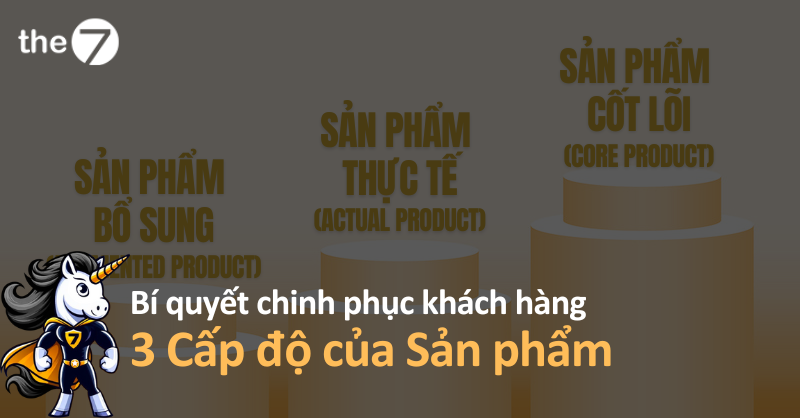
The core product is the heart of any business and the foundation for everything the company does. It is the flagship product or service a company creates to meet the specific, essential needs of its customers.
When we talk about a product, we need to look beyond its obvious physical features and explore the deeper, intangible values behind it. These elements come together seamlessly in product development and marketing strategy, forming a tight connection in which every component contributes to the product’s success.
The market is where customers’ desires meet suppliers’ ability to fulfill them. The core product, like a precious gem, is the main product or service a company carefully develops to solve customers’ specific and important needs.
The three levels of a product help customers understand why it exists, how its physical design is crafted, and what valuable extra benefits it delivers. These levels work together seamlessly in product development and marketing strategy, creating a strong and lasting reciprocal relationship.

The core value customers get from a product goes beyond basic solutions and physical attributes. Behind them are intangible, abstract values that deeply affect customers’ emotions and physical burdens. These values keep demand for a product or service steady. When customers are willing to pay for the value a product delivers, that value grows, creating greater profit for the business.
The Three Levels of a Product
To succeed fully across its sales lifecycle, a product must pass through three distinct levels: the core product, the actual product, and the augmented product. Each level plays an important role in attracting and retaining customers, ensuring lasting satisfaction and loyalty.

Core Product
The core product is the heart and soul of every product, built on the essential needs of a large segment of society. Put simply, it is the core value or benefit a product or service delivers, meeting customers’ basic needs.
For example, the core of a tractor is making farm work easier and more efficient. Without a strong core product, a business will struggle to get started and grow successfully.
Actual Product
The actual product is the physical embodiment of the original idea. It is what customers can see, hear, touch, smell, and taste. It is the product or service the company offers directly.
For example, filming a factory introduction video is a service you cannot own or hold, yet it still counts as an actual product. Here, the actual product is the video showcasing the factory’s capabilities, helping customers better understand its scale, production lines, and the products it makes. Although the products of a commercial production company are mostly digital and media-based, they still belong to the actual product level because they can be watched, heard, and experienced.
These products play an important role in promoting and building a business’s brand, as well as conveying messages to customers effectively.
Augmented Product
The final level of a product includes all the additional benefits and extra features that come with it. The augmented product is a seamless blend of the core product and the actual product, delivering outstanding value.
For example, the core of a phone is the ability to communicate, but with modern technology it also comes with many features such as taking photos, playing music, connecting to the internet, and playing games. Similarly, the core of a truck is transportation, but enhanced features such as load capacity, safety measures, and durability raise its value.
When these levels are combined thoughtfully and harmoniously, they create a product that not only meets customers’ needs but also delivers an outstanding experience, bringing customers back and turning them into loyal consumers.
Product Levels in the New Product Development Process
Before it reaches the market, a product has to go through not only the three product levels but also the seven steps of the new product development process.
The first step is idea generation, which focuses on identifying an urgent market need or a service in high demand. This is when the core product takes shape, producing a strong idea to meet that need.
The second step is thorough research. The business needs to gather all the information about its target market, why its product will stand out from existing ones, and how to reach potential customers effectively.
The third step is creating and testing physical prototypes of the product. At this stage, the product is at an early form of the actual product. The prototype must go through rigorous testing to resolve problems and fix early limitations. Packaging design also plays an important role, ensuring the product not only performs well but also looks appealing.
The fourth step is preparing for mass production. The business has to structure its supply sources and build a comprehensive production plan based on in-depth business analysis.
The fifth step is finalizing the prototype and getting ready for testing alongside the marketing strategy. This testing is usually done with a focus group to gather key feedback on the product’s core, actual, and augmented levels.
The sixth step is finalizing the marketing strategy and putting the product through a final round of testing to make sure every aspect works well and is ready for launch.
Finally, the seventh step is the official product launch and the rollout of a long-term commercialization plan. The product’s augmented perks will be the deciding factor that sets it apart from competitors with a similar core or actual product.
When these steps are carried out correctly and combined harmoniously with the three product levels, they form a flawless product development process. This helps a business not only meet customers’ needs but also deliver unique experiences and lasting value, turning customers into loyal advocates.

At every step of the process, the seamless blend of product levels and development stages will help your product not only fully meet customers’ needs but also deliver memorable experiences. This will not only retain customers but also bring them back, while turning them into loyal advocates for your brand.
Core Product Value
The core product is not just the benefits or solutions customers receive to meet their needs. It also includes the deeper economic value those benefits create. That value is ultimately reflected in the price customers are willing to pay, which is shaped not only by production costs and components but also by the level of demand in the market.
The core products with the most potential for sustainable growth are usually those that effectively solve specific problems and trigger a strong emotional response from the target audience.
For example, does this product really ease customers’ burdens? Does it noticeably improve their quality of life? Do enough people face this problem or similar ones? These are important questions businesses should consider when developing a product.
Although startups fail for many reasons, the lack of a strong core value is the most common. It often leads investors to decline to invest or to pull out of the project before they lose too much money.
Conversely, a clear and strong core value is the key that opens the door to success. When customers recognize a product’s true value, they will be willing to invest in it and become loyal consumers.
In product development, identifying and building a strong core value not only helps attract customers but also lays a solid foundation for a business’s sustainable growth.
An Example of Product Levels from a Vietnamese Business: Vinamilk
Vinamilk, the proud leading dairy brand in Vietnam, has made its name with quality products and constant innovation.
Core product: Vinamilk supplies milk and dairy products, offering consumers essential nutrition solutions. This is the foundation of all its products, meeting basic needs for health and growth.
Actual product: Designed to fit modern life, Vinamilk offers a diverse range of products such as fresh milk, yogurt, condensed milk, and milk powder, all packaged for convenience and ease of use to deliver the best utility and experience for customers.
Augmented product: Beyond its basic products, Vinamilk adds value with enhanced offerings. These include drinkable yogurts enriched with probiotics for digestive health, and specialized nutritional milks for seniors, children, and pregnant women. The company also runs health and nutrition campaigns, underscoring its commitment to caring for the whole community’s health.
With this thoughtful combination of product levels, Vinamilk not only meets consumers’ basic needs but also delivers excellent nutrition solutions, creating lasting, sustainable value for customers and the community.
>>> See more: Learn from Vinamilk’s Marketing Strategy – The “King” of Vietnamese Milk
Conclusion
To grasp the core value customers attach to a product, a business needs to understand the common problems a group of consumers faces, then create a product or service that solves those problems effectively and so meets customers’ deeper needs.
The three product levels offer insight into how a product can go far beyond its basic value. The core level is the foundation of every product, the actual level is the concrete embodiment of that idea, and the augmented level is the additional benefits that enrich the customer experience.
By analyzing product levels within a marketing strategy, a business can clearly identify the essential elements for creating real value for customers. This helps the product not only meet consumers’ needs but also deliver memorable experiences, build loyalty, and strengthen the business’s sustainable growth.
By Nguyễn Thị Hà
Source: Brands Vietnam

Nguyễn Đình
Bảo




As CEO of The7, I am committed to sharing practical, useful knowledge with every reader. Every article on The7 is based on my 7 years of hands-on experience in marketing — Facebook advertising, LinkedIn advertising, Google advertising, and marketing strategy. I hope you take away plenty of insight from these posts and apply it successfully in practice.
Related Articles
Building a Full-Funnel Content Marketing Strategy on LinkedIn
Table of Contents Toggle Why Build Content Marketing for the Full Marketing Funnel? (Why Full-Funnel Content Marketing?)Creating Your Strategy (Creating Your Strategy)Implementing Your Content Strategy (Rolling out your content strategy)Summary...
Designing Creative Content for LinkedIn
Table of Contents Toggle Why Is Good Creative Content So Important? (Why is Good Creative Important?)Key Components of Creative Design (the core elements of creative design)Summary (summary) Why Is Good...

Building an Organic Business Presence on LinkedIn With a LinkedIn Page
Table of Contents Toggle Why Have a LinkedIn Page?Establishing Your LinkedIn PageKeeping Your LinkedIn Page ActiveThe Measure of SuccessSummary About LinkedIn Page (Summary) Why Have a LinkedIn Page? For a...

6 Best LinkedIn Marketing Strategies for B2B in 2026
Table of Contents Toggle LinkedIn 2026: Where B2B Decisions Get MadeStrategy #1 – Why Is LinkedIn the Best B2B Marketing Channel Today?1. Decision-makers are concentrated here2. Users are in work...

7 Social Media Trends for 2026: The Era of Real Value, Real Conversion, and Real People
Table of Contents Toggle Social media is entering the biggest restructuring of the decadeTrend 1: Why is buying directly in-app becoming the new standard for 2026? (On-Platform Conversion)What should businesses...

What Is TikTok Marketing? Effective TikTok Marketing Strategies
TikTok has been topping the global rankings of the most downloaded and most visited apps. That makes it a gold mine for marketers who love creativity. In this article, The7...