


Boost Product Value With a Smart Distribution Channel Strategy

When your product is priced higher than your competitors’ and well above the market average, choosing the right sales channels and communication channels becomes critically important. This article offers fresh, in-depth perspectives to help businesses build an effective channel strategy that maximizes the value of premium products.
Why Defining Your Channel Strategy Is the Key to Your Success
A channel strategy is not simply about choosing the right sales channels. It also means allocating content and resources thoughtfully and sensibly across each channel, while keeping the channels connected, in sync and consistent with one another. When a business chooses the right sales channels and communication channels and builds an effective resource allocation strategy, it reaches potential customers in the best possible way, focuses resources on the key points, and gets the most out of each channel.
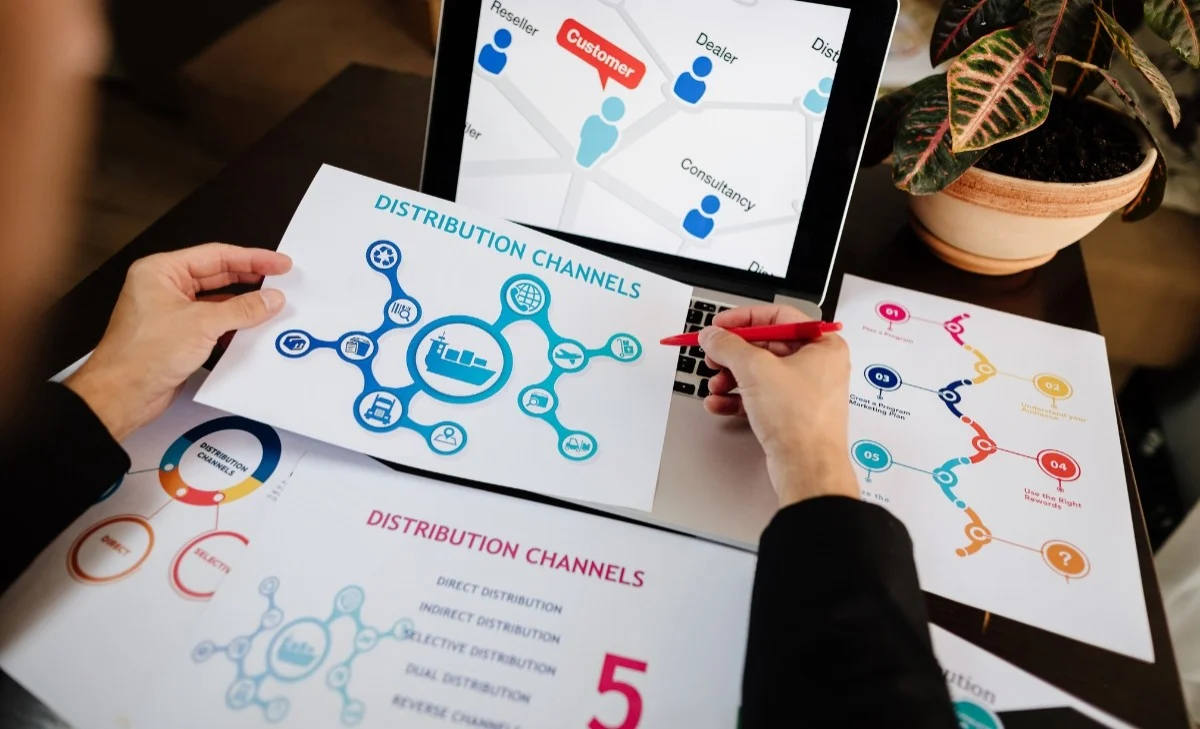
Key Considerations for Building a Channel Strategy
Who Are Your Customers?
Defining your target audience is the first and most important step a business must take to build an effective channel strategy. Each audience requires its own approach and communication channels, suited to its characteristics and needs.
Which Channels Appear in Their Research and Shopping Journey?
Understanding customers’ shopping behavior is essential for choosing the right sales channels. People who buy premium products tend to research thoroughly and gather multiple opinions before deciding. They use a wide range of channels throughout their buying journey. As a result, businesses need to maintain a consistent, professional presence on every channel. The channels you choose must align with your customers’ buying journey.
Questions every business needs to answer:
- Among countless touchpoints, which ones should the brand prioritize to optimize the customer experience and help customers make a purchase decision faster?
- What role will each touchpoint play in persuading customers to choose the brand’s product?
- How can you select and connect touchpoints to create a seamless shopping experience that gets customers to buy as early as possible?

Market Size, Potential and Level of Competition on Each Channel
To choose the right sales channels, it is vital to gather information about market size, growth potential and the level of competition. Here are the factors to consider:
Market size
Market size is a foundational factor that deserves careful evaluation. It includes:
- Scale: The first step is to assess the number of users or potential customers on each channel. Market scale reveals the channel’s investment potential. A sales channel with a large user base opens up opportunities to reach more customers, but it also comes with fiercer competition. For example, e-commerce platforms such as Shopee and Lazada attract millions of users, which offers major opportunities but also demands a strong, refined competitive strategy.
- Growth: Another important factor is how fast the channel has grown recently. A rapidly growing sales channel can offer more opportunities than a saturated one. This requires businesses to stay flexible and keep tracking market developments so they can make decisions at the right time.

Growth potential
A sales channel’s growth potential should be examined carefully from two angles:
- Market trends: New consumer and technology trends can significantly affect a channel’s growth potential. For example, the boom in e-commerce and the rise of online shopping have changed how consumers buy, creating new opportunities for businesses that invest in online channels. Catching these trends helps businesses steer their sales strategy more effectively.
- Scalability: A channel’s ability to expand and grow in the future is another factor to evaluate. A highly scalable channel helps a business not only increase current sales but also grow sustainably over time. For example, a standalone sales website can start small but expand nationwide or internationally with the right level of investment.
Level of competition
The level of competition on each sales channel is another factor you can’t ignore:
- Number of competitors: Assess the number and size of the competitors on the same channel. A sales channel with many large competitors may require a business to invest more in marketing and improve its service quality in order to compete. Understanding your competitors helps you build a more effective competitive strategy.
- Quality of competition: The quality of competitors’ products and services, along with their marketing strategies, is also important. It helps a business identify competitors’ strengths and weaknesses and, in turn, improve its own products and services. In a fiercely competitive market, small differences can create a big advantage.
Which Channels Does Your Team Have the Strength to Develop?
Choosing sales channels should be based on the capabilities of your in-house team. Which channels can this team handle most effectively? If your in-house team can’t meet the need, you should plan to hire additional staff or bring in a professional agency. That includes setting a specific budget for extra hiring or outsourcing, as well as setting clear goals so that marketing and sales activities stay effective and on track.
The Right Communication Message and Content Format
Your communication content needs to highlight the product’s value and the advantages that set it apart from similar products on the market. The key is to help customers clearly understand why the product is priced high and why that price is entirely worth it.
Next, consider which content format is best for showcasing your product’s unique selling points (USP) and delivering your message effectively. Which format does your audience find most engaging? Then choose a communication channel that is strong in that format to publish your content, so your message comes across in the most striking and compelling way.

Promising Sales Channels for High-Value Products
Choosing sales channels should be based on a deep understanding of each channel’s characteristics and strengths. Below are popular sales channels that suit high-value products:
- Shopee, Lazada, TikTok Shop
These e-commerce platforms have large user bases and many programs that support sellers. For premium products, however, you need to create a clear difference in quality and value so they aren’t compared directly with cheap products on the same platform.
- Your own website
Your own website is an important channel for premium products because the business has full control over the customer experience. The website should be professionally designed, easy to use and provide complete product information, including high-quality images, detailed descriptions and sales policies.
- Offline channels (physical stores)
For high-value products, hands-on experience matters. Customers often want to see, touch and try the product in person before deciding to buy. That makes investing in physical stores or premium showrooms a sound strategy.
- KOLs, Influencers, KOC
Consumers usually look for information and consult several sources before they decide to buy. Among these, the voices of KOLs, influencers and KOC have a huge impact on trust and buying motivation. Partnering with influential people whose followers are high-spending potential customers helps businesses reach and persuade premium customer segments more easily than through owned media channels.
- Google, SEO
Google and SEO are important channels for products with high search demand. Competitiveness on this channel depends on content quality and SEO strategy. An effective SEO strategy helps your product appear at the top of search results, which increases your chances of reaching potential customers.
- Social media
Today, social media is not only a place to connect and share but also a fast, convenient way to search for information. With a vast user base, enormous daily traffic and the rise of social commerce, social media is becoming an effective channel for both communication and sales. However, reaching the right high-end audience and converting them into real customers can be difficult because the user base is so broad.
- Email Marketing
Email marketing is an effective communication channel for maintaining relationships with existing customers and encouraging them to come back and buy again. Email content should be personalized and provide useful information about products and promotions.
- Zalo OA
Zalo OA offers many features that support businesses, such as direct messaging, notifications, minigames and advertising. These help boost engagement and retain customers. Businesses can customize the interface, content and features of their Zalo OA to fit their needs and business goals, creating a consistent, professional user experience.
Conclusion
To sell at prices higher than your competitors’ and above the market average, a business needs to apply a smart, effective sales and communication channel strategy. Succeeding in a fiercely competitive environment takes more than understanding customers’ shopping behavior. You also have to create a great shopping experience while conveying the true value of your product in a subtle and convincing way. When a business combines these elements well, it not only establishes its position but also attracts and retains customers in the premium segment, creating differentiation and lasting success.
>> See more: Shopping Psychology: What You Don’t Know About Buyer Behavior
By UpBase JSC eCommerce Enabler
Source: Brands Vietnam

Nguyễn Đình
Bảo




As CEO of The7, I am committed to sharing practical, useful knowledge with every reader. Every article on The7 is based on my 7 years of hands-on experience in marketing — Facebook advertising, LinkedIn advertising, Google advertising, and marketing strategy. I hope you take away plenty of insight from these posts and apply it successfully in practice.
Related Articles
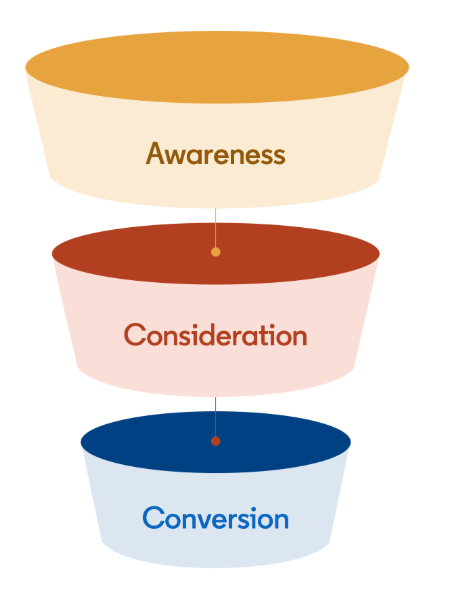
Building a Full-Funnel Content Marketing Strategy on LinkedIn
Table of Contents Toggle Why Build Content Marketing for the Full Marketing Funnel? (Why Full-Funnel Content Marketing?)Creating Your Strategy (Creating Your Strategy)Implementing Your Content Strategy (Rolling out your content strategy)Summary...
Designing Creative Content for LinkedIn
Table of Contents Toggle Why Is Good Creative Content So Important? (Why is Good Creative Important?)Key Components of Creative Design (the core elements of creative design)Summary (summary) Why Is Good...
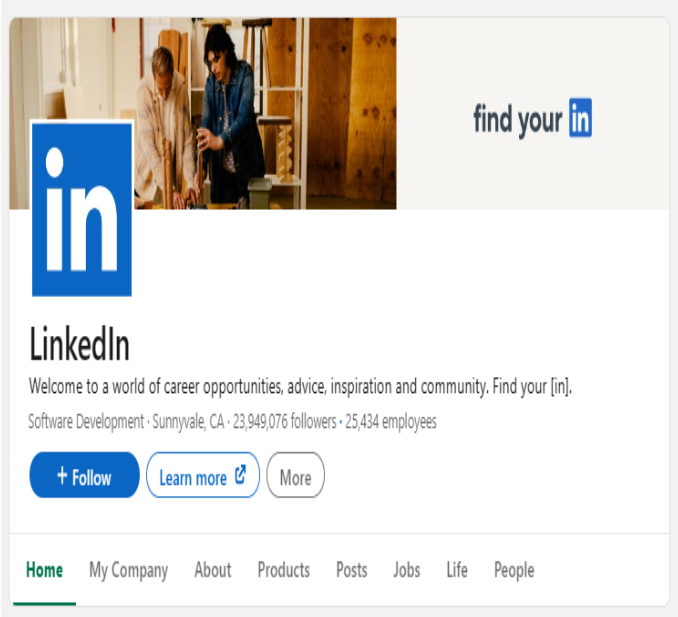
Building an Organic Business Presence on LinkedIn With a LinkedIn Page
Table of Contents Toggle Why Have a LinkedIn Page?Establishing Your LinkedIn PageKeeping Your LinkedIn Page ActiveThe Measure of SuccessSummary About LinkedIn Page (Summary) Why Have a LinkedIn Page? For a...
6 Best LinkedIn Marketing Strategies for B2B in 2026
Table of Contents Toggle LinkedIn 2026: Where B2B Decisions Get MadeStrategy #1 – Why Is LinkedIn the Best B2B Marketing Channel Today?1. Decision-makers are concentrated here2. Users are in work...

7 Social Media Trends for 2026: The Era of Real Value, Real Conversion, and Real People
Table of Contents Toggle Social media is entering the biggest restructuring of the decadeTrend 1: Why is buying directly in-app becoming the new standard for 2026? (On-Platform Conversion)What should businesses...

What Is TikTok Marketing? Effective TikTok Marketing Strategies
TikTok has been topping the global rankings of the most downloaded and most visited apps. That makes it a gold mine for marketers who love creativity. In this article, The7...