


Understanding Gen Z’s Psychological Pain Points: How Brands Can Win Over a New Generation
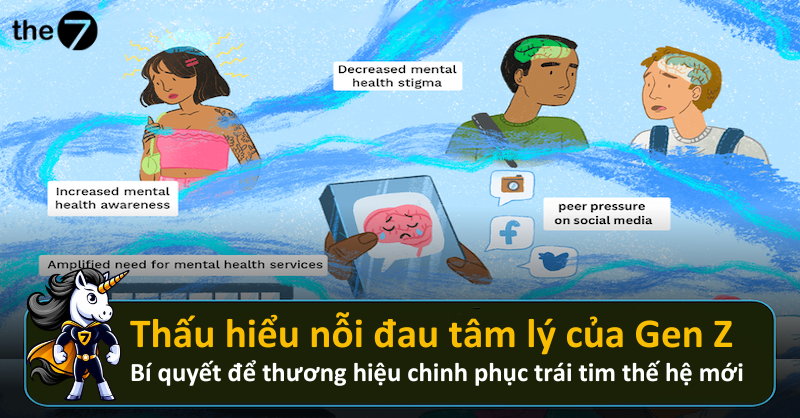
Last May, mental health drew special attention from the community, as shown by the positive activities of many brands during “Mental Health Awareness Month.” It highlights how important psychological well-being is, especially for Gen Z, the young, dynamic generation of consumers that plays a leading role in today’s market.
Exploring Gen Z’s Mental Health: Key Facts to Know
Gen Z was born and raised in a complicated world, facing the effects of the pandemic, economic downturns, and political conflict. It is easy to see why this generation is so sensitive and struggles with so many mental health issues. To truly understand and connect with Gen Z, brands need to grasp three key factors about this generation’s psychological well-being.
Gen Z is a young generation full of potential but also carrying a great deal of anxiety. It faces countless pressures, leading to a rise in negative emotions such as worry, stress, sadness and, above all, loneliness. Research by Gallup shows that Gen Z’s stress levels are 40% higher than those of Gen X at the same age, and that its mortality rate is also significantly higher.
What drives Gen Z into negative emotions:
- A volatile living environment: Climate change, political conflict, and a flood of negative news leave Gen Z feeling insecure and anxious about the future.
- Academic pressure and social media: Social media, where Gen Z spends a lot of time, is full of images of other people’s perfect, successful lives. This unintentionally creates pressure to compare themselves, leading to low self-esteem and peer pressure.
- Cyberviolence: Online bullying (cyberbullying) is a painful problem on social media, hurting Gen Z emotionally and making it easy to fall into a negative state of mind.
Gen Z craves understanding and action from brands:
Despite being weighed down by anxiety, Gen Z is an open generation that cares about mental health more than ever. They want brands to understand them and to show genuine concern for their feelings.
According to a GWI survey, 28% of Gen Z want ads to address social and environmental issues, including mental health. This is an opportunity for brands to connect with Gen Z by:
- Listening and understanding: Showing empathy for the difficulties and pressures Gen Z is going through.
- Sharing positive messages: Spreading messages of hope that encourage Gen Z to overcome challenges and look toward a better future.
- Offering practical support: Partnering with reputable organizations to provide resources and help Gen Z improve their mental health.
- Building a humane brand image: Demonstrating social responsibility through campaigns and activities that raise awareness of mental health.
By caring about Gen Z’s mental health and building a fitting marketing strategy, brands not only build customer trust and loyalty but also help create a positive, supportive community for the younger generation.
Strategies for Reaching Gen Z: How Can Brands Make the Most of the Mental Health Topic?
Messaging about mental health is becoming a compelling topic, helping brands show responsibility and empathy toward Gen Z consumers. Many major brands have run successful mental health campaigns, such as Dove with the Self-Esteem Project and ASICS with “Personal Best.” These campaigns offer many valuable lessons. To make the most of the mental health topic, brands should keep the following tactics in mind:
Avoid Superficiality and Aim for Real-World Impact
Many mental health campaigns today run into limits because their messages are superficial, lack depth, and deliver no lasting value. Short-term entertainment can only soothe emotions temporarily and does not solve the problem at its root. As a result, Gen Z does not truly connect with or stay loyal to the brand.
The main cause is that brands do not yet understand Gen Z psychology well enough. Campaigns often talk in generalities about “pressure,” “stress,” and so on, instead of focusing on one specific insight. To make an impression and connect with Gen Z, a brand should choose one small facet of their mental health picture rather than trying to take on the whole broad topic.
ASICS’s “Personal Best” campaign is a prime example. Instead of falling back on the usual generalities, ASICS focused on one insight: “the obsession with results when exercising.” The campaign addressed the hesitancy and self-consciousness many people feel because they worry about how their performance compares with others’ when they work out. ASICS set out to build a friendly fitness culture that values self-improvement over comparison and competition. The campaign encouraged people to share photos of their workouts to raise funds for mental health charities.
Show Responsibility and Tackle the Problem Head-On
To show social responsibility and address the issue directly, brands need to do more than understand Gen Z and offer practical solutions. They must also actively demonstrate their commitment in their mental health marketing campaigns.
According to research by Fuse Marketing, nearly 90% of Gen Z trust and are ready to support brands that commit to sustainability, mental health, social justice, and tackling social issues such as cyberviolence.
A Prime Example Is Powerade’s “Pause Is Power” Campaign
This campaign partnered with athlete Simone Biles, who bravely decided to step back from competition at the 2020 Olympics to focus on her mental health. Instead of avoiding the issue, Powerade honored Simone’s decision and conveyed a meaningful message: “Pausing is also power.”
The “Pause Is Power” campaign won enthusiastic support from Gen Z because it:
- Showed empathy and understanding: Powerade cared not only about athletic performance but also valued mental health and shared how important it is.
- Delivered a positive message: The campaign encouraged Gen Z to listen to themselves, dare to say “no” when necessary, and put mental health first.
- Helped change social perceptions: Powerade contributed to dismantling the stereotype that athletes must always be strong and are not allowed to be vulnerable.
By demonstrating commitment and addressing mental health issues head-on, brands not only build trust but also help create a positive, supportive community for the younger Gen Z generation.
This campaign received plenty of positive feedback thanks to its authenticity, power, and effectiveness. It is a valuable lesson for brands exploring mental health stories. A brand can choose a specific mental health issue faced by an individual or a community in everyday life and build it into its campaign. In particular, using the stories of influential people will make a campaign deeper and give it a greater impact.
In Vietnam, there are many opportunities for brands to explore this direction. With so many Gen Z stars, athletes, singers, KOLs, and KOCs facing psychological issues such as career pressure and cyberviolence, accompanying them in telling their mental health stories could be a highly promising strategy for Vietnamese brands.
Use the Power of Real Data & Testimonials
To address the lack of full awareness about mental health among many young people today, using real data and testimonials in marketing campaigns is an effective strategy for attracting attention and spreading a message.
Real data is powerful because it:
- Stimulates critical thinking: Statistics and scientific research help Gen Z assess the issue objectively and better understand the impact of mental health.
- Builds credibility: Real data makes a campaign more trustworthy and persuasive, so Gen Z can accept its message more easily.
- Evokes empathy: Sharing the stories of people who have experienced mental health issues helps Gen Z understand and sympathize with the difficulties they face.
An illustrative example is the “If this speaks to you” campaign by Mind. Instead of ordinary videos, this campaign used poetry to tell the real stories of people living with mental illness. It delivers a unique, emotional experience and helps break down negative stereotypes about mental health.
Help Gen Z Overcome Mental Health Challenges with Resources and Tools
Campaigns become more effective when they come with tools and solutions that help young people get through psychological problems. Rather than only delivering a message, these activities offer practical value and strengthen the bond with young people, which in turn builds their loyalty to the brand. A simple example is creating a website or virtual library that provides documents and useful information for psychological treatment. Or, on a bigger scale, partnering with psychologists and mental health organizations to offer counseling and treatment services for young people.
However, these activities require considerable financial and human resources, which not every business can afford. Businesses with limited budgets can therefore partner with community organizations focused on mental health and youth to help young people with their mental health in a more indirect yet effective way.
Be Careful with Mental Health Messaging
Just as the environment has to deal with greenwashing, the mental health space is also starting to see “wellbeing washing” and “mental health washing” – that is, unrealistic commitments from brands. If a brand overhypes its message without concrete action, it can easily fall into both of these traps. Gen Z is especially sensitive to campaigns that are all promises and no real results.
Therefore, to avoid “wellbeing washing” and “mental health washing” when running mental health campaigns, brands should consult psychologists to make sure the message and activities are appropriate. It is also essential to test with a group of real consumers before rolling out a campaign at scale, so you can evaluate and adjust.
>> See more: The Customer Communication Handbook: Listen to Understand, Understand to Succeed
By Khánh Huyền
Source: Marketing AI

Nguyễn Đình
Bảo




As CEO of The7, I am committed to sharing practical, useful knowledge with every reader. Every article on The7 is based on my 7 years of hands-on experience in marketing — Facebook advertising, LinkedIn advertising, Google advertising, and marketing strategy. I hope you take away plenty of insight from these posts and apply it successfully in practice.
Related Articles
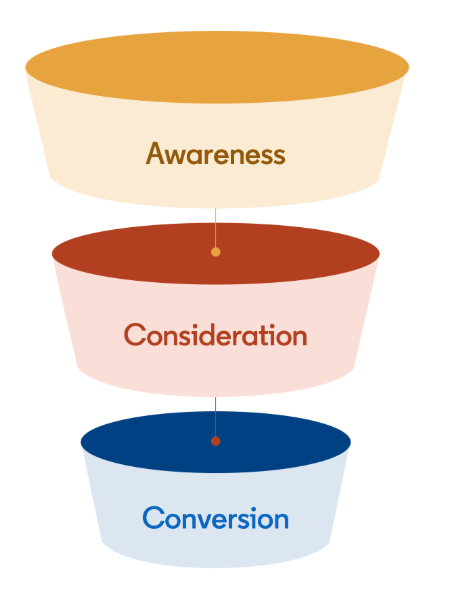
Building a Full-Funnel Content Marketing Strategy on LinkedIn
Table of Contents Toggle Why Build Content Marketing for the Full Marketing Funnel? (Why Full-Funnel Content Marketing?)Creating Your Strategy (Creating Your Strategy)Implementing Your Content Strategy (Rolling out your content strategy)Summary...
Designing Creative Content for LinkedIn
Table of Contents Toggle Why Is Good Creative Content So Important? (Why is Good Creative Important?)Key Components of Creative Design (the core elements of creative design)Summary (summary) Why Is Good...
Building an Organic Business Presence on LinkedIn With a LinkedIn Page
Table of Contents Toggle Why Have a LinkedIn Page?Establishing Your LinkedIn PageKeeping Your LinkedIn Page ActiveThe Measure of SuccessSummary About LinkedIn Page (Summary) Why Have a LinkedIn Page? For a...
6 Best LinkedIn Marketing Strategies for B2B in 2026
Table of Contents Toggle LinkedIn 2026: Where B2B Decisions Get MadeStrategy #1 – Why Is LinkedIn the Best B2B Marketing Channel Today?1. Decision-makers are concentrated here2. Users are in work...

7 Social Media Trends for 2026: The Era of Real Value, Real Conversion, and Real People
Table of Contents Toggle Social media is entering the biggest restructuring of the decadeTrend 1: Why is buying directly in-app becoming the new standard for 2026? (On-Platform Conversion)What should businesses...

What Is TikTok Marketing? Effective TikTok Marketing Strategies
TikTok has been topping the global rankings of the most downloaded and most visited apps. That makes it a gold mine for marketers who love creativity. In this article, The7...