


Google Ads Basics: A Beginner’s Guide
Effectively reaching your target audience online has become essential to business success in digital marketing, a field that never stops evolving. Among the strategies available, pay-per-click (PPC) advertising continues to dominate, offering a direct route to your target market. And at the top of the PPC ad types is Google Ads, a platform that lets businesses connect with potential customers in a targeted, efficient way.
In this article, we will explore Google Ads and equip you with the knowledge you need to grow your business.
What Is Google Ads?
Google Ads is a powerful online advertising platform that helps businesses connect with their target audience across Google’s vast ecosystem. This pay-per-click (PPC) advertising strategy lets you show your ads across many Google properties, such as Search, YouTube, Discover, and more.
A standout feature of Google Ads is its ability to reach customers wherever they are in the digital space. With Google’s vast network, your Google Ads campaigns can appear at the right time and in the right place, maximizing visibility and engagement. Google’s artificial intelligence algorithms automatically determine the most effective ad format for you.
Google Ads also helps you measure campaign performance by tracking conversions. This gives you valuable insights into your target audience, helping you refine your Google Ads strategy.
Moreover, Google’s automated budget optimization is a key factor, helping you attract new customers with the highest return on investment (ROI). Your Google Ads budget is focused on the most promising targets, optimizing your marketing spend. Although Google makes recommendations to improve your campaign performance, you decide your monthly budget and can adjust it at any time, which creates transparency and helps you make data-driven decisions.
Google Ads offers a diverse range of ad types, each tailored to different marketing goals and formats.
Types of Google Ads
Google Ads: Search
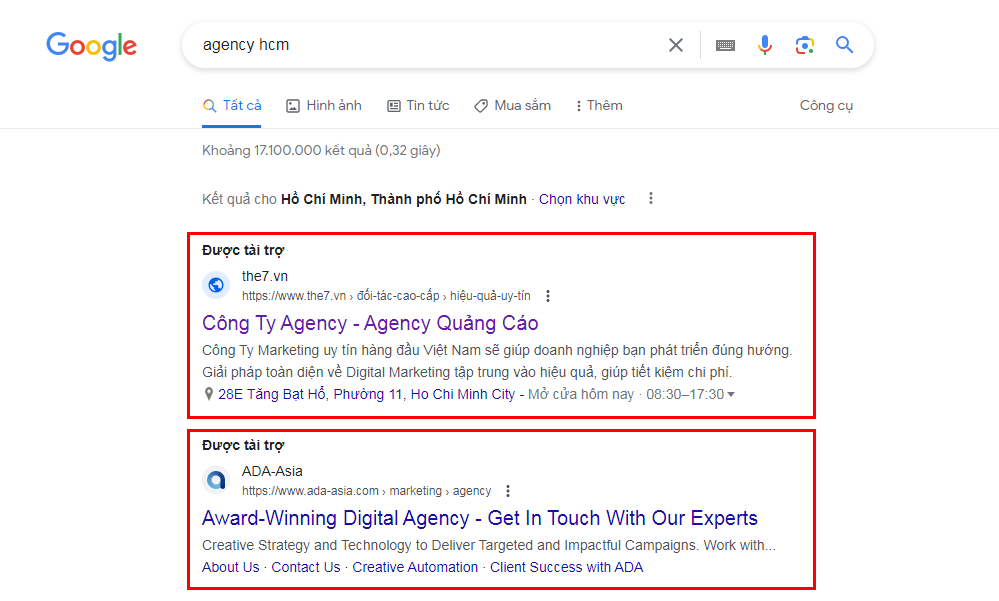
In the vast digital space, people constantly ask questions on Google Search to find answers. Whether they need information, products, services, or guidance, they turn to Google Search as their top source. With a smart advertising mindset, you can use Google Ads: Search to connect with a target audience that is actively looking for what you offer.
- Choose the right keywords for relevant search intent
Keywords are the bridge between your Google Ads campaigns and the terms users type into the Google search bar. By carefully building your keyword list, you make sure your ads appear when potential customers search for products, services, or information related to your business.
To take full advantage of Google’s artificial intelligence, consider using broad match with Smart Bidding. This approach goes beyond exact keyword matching, allowing your ads to appear in searches that may not match your chosen keywords exactly but are still relevant. Smart Bidding, powered by machine learning, analyzes data in real time and automatically sets bids that fit your performance goals. This not only optimizes your return on investment (ROI) but also saves you time.
- Set the right bid for each individual search with Smart Bidding
Bidding is a delicate balance between connecting with potential customers and managing your budget effectively. This is where Smart Bidding steps in, using machine learning and real-time data analysis to take the guesswork out of bid management.
Smart Bidding algorithms are designed to automatically adjust your bids to help you reach your performance goals. Whether your goal is to maximize conversions, maintain a specific return on ad spend (ROAS), or optimize for clicks, Smart Bidding sets bids that fit your objective.
- Deliver the ideal message with Search ads
Unlike traditional text ads, where the advertiser has full control over the order of headlines and descriptions, responsive search ads introduce an element of automation and flexibility. You don’t choose the order in which headlines and descriptions appear. Instead, the ad is dynamically optimized based on each user’s preferences and interactions.
To make your Search ads more useful, consider including assets such as sitelinks and images, also known as ad extensions. Sitelinks provide additional links to specific pages on your website, helping users find information quickly. Images, when appropriate, can attract attention and enhance the look of your ads.
Google Ads: Display

To capture your target audience’s attention, you need visuals, not just words. Display ads play the role of visual storyteller in the world of online advertising. With captivating images and compelling messages, display ads leave a lasting impression, helping build brand awareness and consideration among your target audience.
- Achieve maximum reach
Display ads cover a wide range of websites, apps, and platforms, ensuring your message is seen by potential customers no matter where they browse. Whether your goal is to introduce a new product, advertise a service, or simply raise brand awareness, display ads help you get there by connecting with customers across the digital space.
- Effective formats for impressive results
Google’s AI-powered advertising solutions help you create visually stunning ads that engage your audience. You can customize your ad creatives for thousands of shapes and sizes, ensuring your message is optimized for a wide range of formats and devices.
Google Ads: Shopping (Shopping Ads)
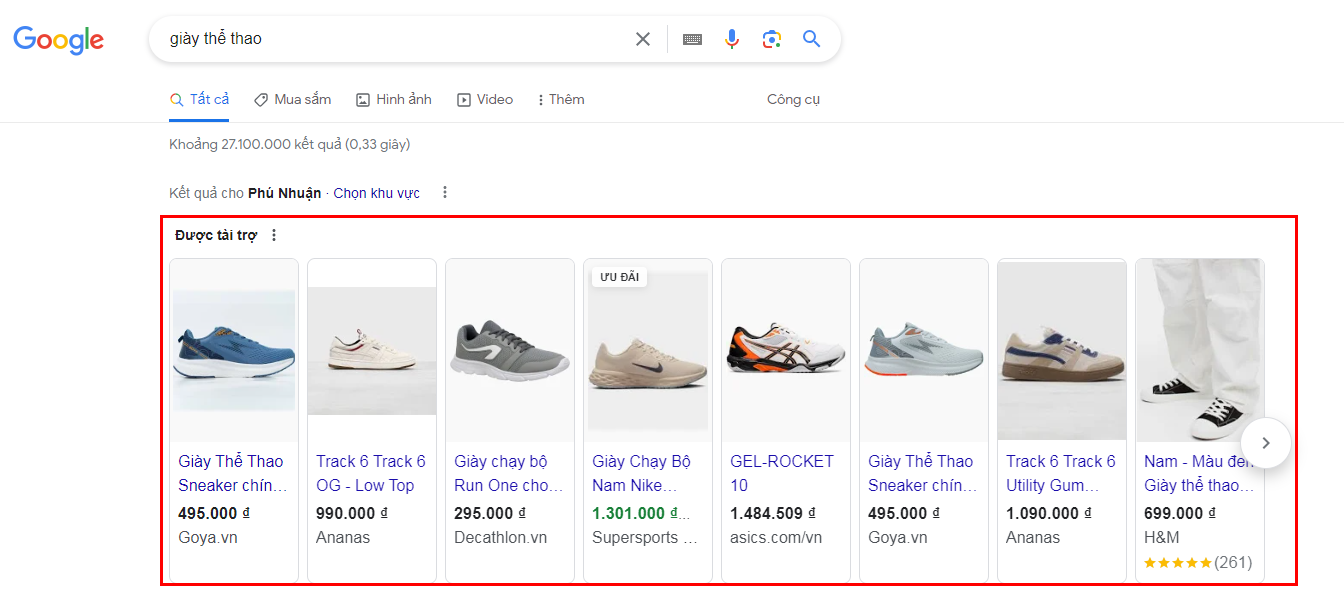
Shopping ads are visually appealing product listings that can significantly influence your sales strategy. They let you showcase your products with captivating images, product titles, and prices. When potential customers see exactly what they are looking for, they are more likely to click and make a purchase. Shopping ads excel at efficient advertising by targeting shoppers who are actively searching for products like yours.
- Choose the right goal
With shopping ads, you can tailor your campaign goals to match your specific objectives. Whether you want to promote online and local inventory, attract higher-quality leads, increase traffic to your website, or drive traffic to your store, the flexibility of shopping ads ensures you find the strategy that best suits your business.
- Data-driven improvement
Google gives you detailed tools and reports so you can understand what is working and what is not. This data-driven approach to improvement lets you make informed decisions and continually improve your results. You can fine-tune your strategy for maximum impact once you can identify which products are performing well and which need attention.

Getting started with shopping ads in Google Ads is a structured process:
- First, you need to upload your product data to Google Merchant Center so shoppers can see your inventory.
- Next, link your Google Merchant Center account and your Google Ads account to manage your campaign seamlessly.
- Create your product ad campaign and set your budget and goals. You will need to decide on a monthly maximum, which you will pay when users click through to your website or view your inventory.
Google Ads: Performance Max
Performance Max campaigns are a key part of a comprehensive advertising strategy, harnessing Google’s powerful artificial intelligence. They let you achieve outstanding results across Google Ads channels and inventory seamlessly. By using insights drawn from data-driven decisions, your campaign can adapt and evolve in real time.
- Define the goals to optimize for
Every successful campaign starts with a clear understanding of your goals. With Performance Max, you can clearly define your objective, whether that is increasing online sales, generating leads, or driving store visits. Define the conversion types you want your campaign to optimize for, and assign a value to show how important each conversion is to your business. This level of customization ensures your campaign is fully aligned with your overall strategy.
- High-quality creative assets
To maximize the impact of your Performance Max campaign, provide a large number of high-quality creative assets. These assets not only help you create ads that resonate more with customers, but also expand your reach by allowing your ads to appear across many types of inventory and formats. In digital advertising, more options mean more opportunities.
- Share insights about your target audience
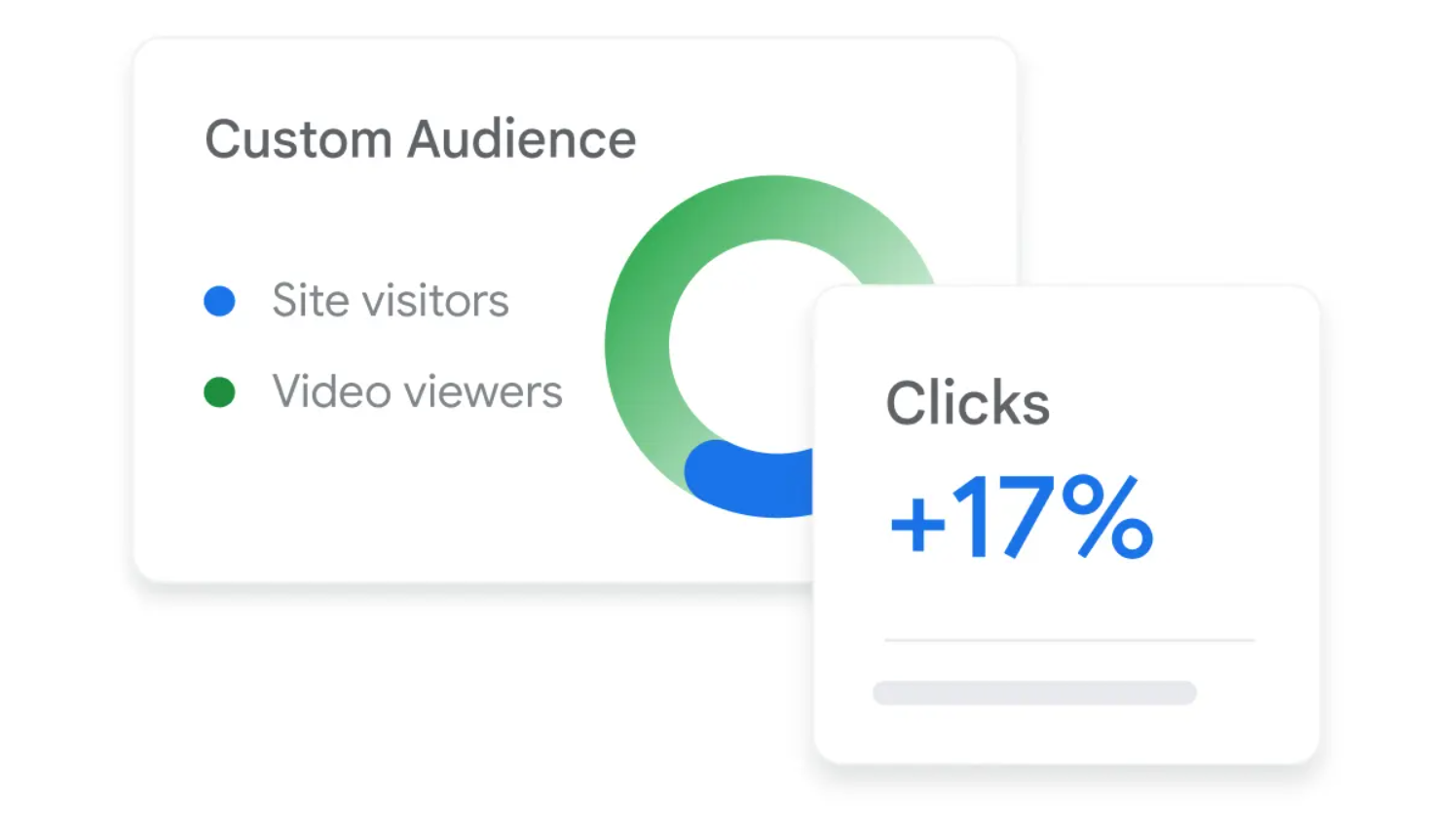
If you know which target audience segments are most likely to convert, share that knowledge with your Performance Max campaign by using audience signals. This helps accelerate your results.
See more: Digital Marketing Audit: The Secret Behind Every Successful Strategy
Google Ads: Video
YouTube, the world’s largest video platform, gives advertisers a golden opportunity to connect with their target audience in an engaging way. Whether viewers are watching their favorite cooking tutorial, a fashion vlog, or exploring another interest, your video ads can blend naturally into their YouTube experience.
- Connect with both existing and new customers
YouTube can reach a huge number of users, from local communities to global audiences, helping you connect with the people who matter most to your business. This diversity of users ensures your message reaches the right audience, no matter where they are or what they are interested in.
- At the right moment
In Google Ads, YouTube advertising uses Google’s vast data to make sure your message appears at the moment it matters most. This means your ads are tailored to reach the right people at the right time.
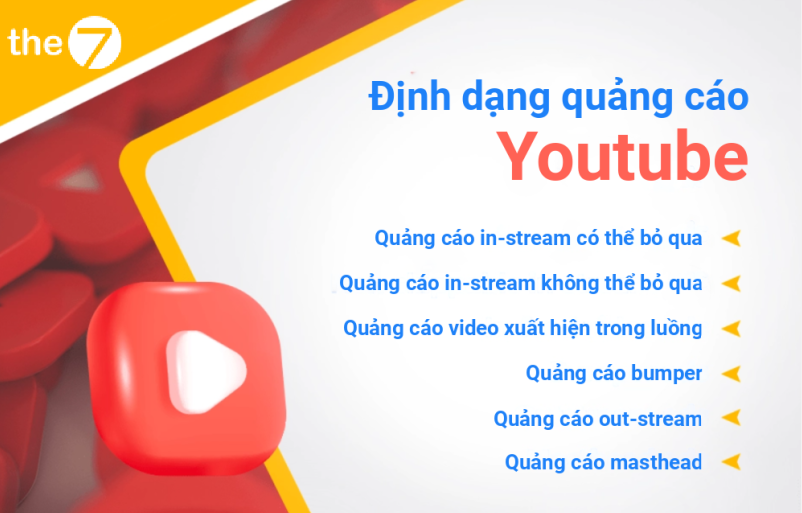
There are six different ad formats on YouTube:
- Achieve your desired results
YouTube video ads come in many varieties, allowing you to achieve a range of goals. The visual, interactive nature of video ads makes it easy for people to choose your business and take action.
Google Ads: App (App Ads)
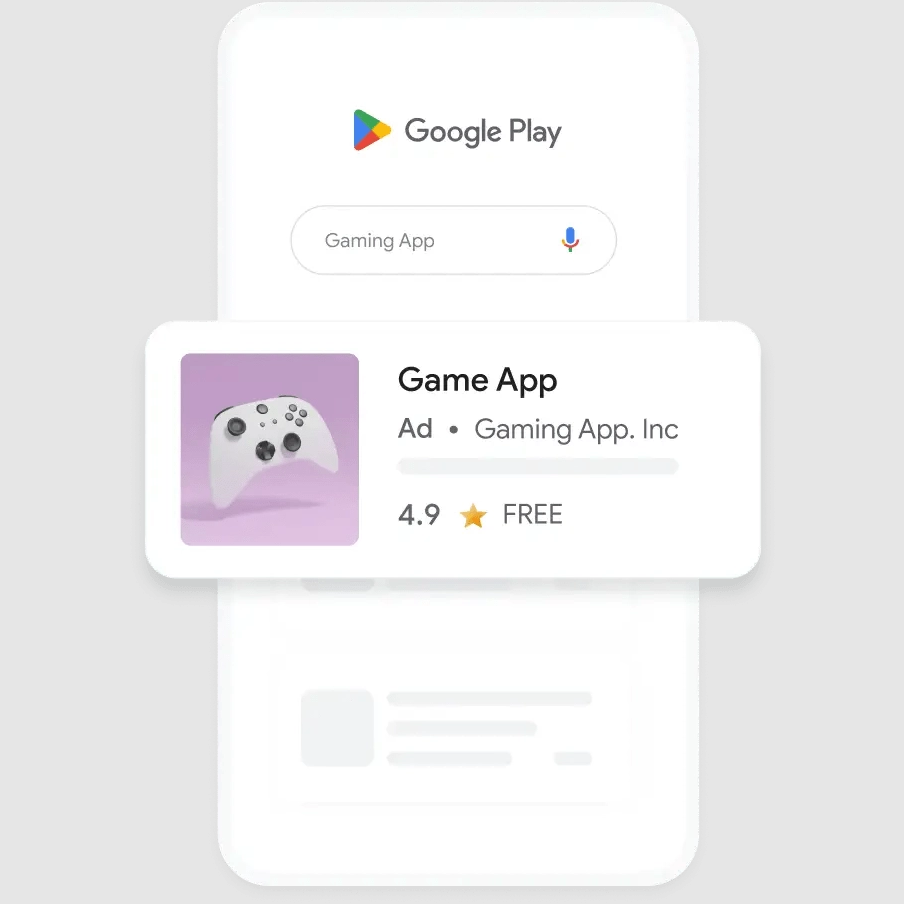
Google app ads give you the power to reach audiences who are actively engaged with apps similar to yours. Whether you want to drive initial app installs or increase engagement within users’ existing apps, app ads offer the flexibility to achieve your goals.
- Expand your app’s popularity
Google’s vast network lets you boost your app’s reach across Google’s largest properties and millions of partner websites and apps. This means your app can be discovered by users anywhere in the digital landscape, significantly expanding your user base.
- Keep app users engaged
The most valuable users are the ones you already have. App campaigns simplify the process of re-engaging your existing user base. You can define your target audience, budget, and creative assets, and specify the actions you want users to take in your app. App campaigns use machine learning to re-engage users automatically, making sure your app always stays top of mind.
- Boost your success with data analysis
Consider integrating Google Analytics for Firebase into your app ad campaigns. This gives you advanced measurement and bidding capabilities. You get access to powerful reporting tools and privacy-safe conversion data, helping you optimize your campaign accurately and with confidence.

Starting your app ad campaign is a simple process:
- Choose your campaign goal, which can be driving mobile app installs or in-app actions.
- Set a target cost and a maximum daily budget, with the flexibility to adjust them as needed.
- Provide the necessary app information, text, images, and videos to create your ads. Google Ads will optimize your creative assets to ensure the best response across Google’s various properties.
Google Ads: The Driving Force Behind Your Campaign’s Success
Google Ads is a powerful tool that helps businesses of any size connect with their target audience, achieve significant results, and meet their marketing goals. As you explore Google Ads, remember how important it is to understand your target audience, set specific goals, create compelling creative assets, and use data-driven insights to keep improving.

Nguyễn Đình
Bảo



As CEO of The7, I am committed to sharing practical, useful knowledge with every reader. Every article on The7 is based on my 7 years of hands-on experience in marketing — Facebook advertising, LinkedIn advertising, Google advertising, and marketing strategy. I hope you take away plenty of insight from these posts and apply it successfully in practice.
Related Articles
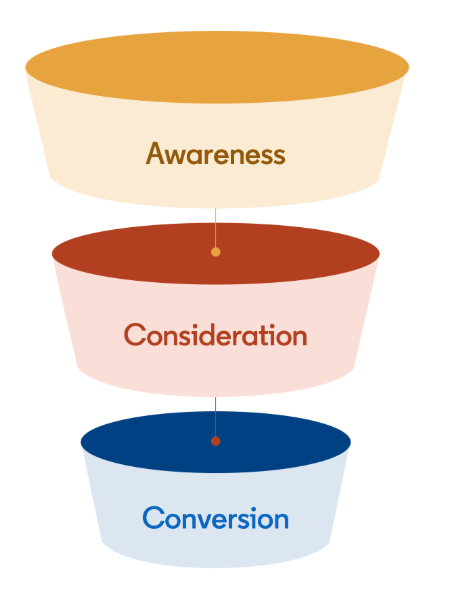
Building a Full-Funnel Content Marketing Strategy on LinkedIn
Table of Contents Toggle Why Build Content Marketing for the Full Marketing Funnel? (Why Full-Funnel Content Marketing?)Creating Your Strategy (Creating Your Strategy)Implementing Your Content Strategy (Rolling out your content strategy)Summary...
Designing Creative Content for LinkedIn
Table of Contents Toggle Why Is Good Creative Content So Important? (Why is Good Creative Important?)Key Components of Creative Design (the core elements of creative design)Summary (summary) Why Is Good...
Building an Organic Business Presence on LinkedIn With a LinkedIn Page
Table of Contents Toggle Why Have a LinkedIn Page?Establishing Your LinkedIn PageKeeping Your LinkedIn Page ActiveThe Measure of SuccessSummary About LinkedIn Page (Summary) Why Have a LinkedIn Page? For a...
6 Best LinkedIn Marketing Strategies for B2B in 2026
Table of Contents Toggle LinkedIn 2026: Where B2B Decisions Get MadeStrategy #1 – Why Is LinkedIn the Best B2B Marketing Channel Today?1. Decision-makers are concentrated here2. Users are in work...

7 Social Media Trends for 2026: The Era of Real Value, Real Conversion, and Real People
Table of Contents Toggle Social media is entering the biggest restructuring of the decadeTrend 1: Why is buying directly in-app becoming the new standard for 2026? (On-Platform Conversion)What should businesses...

What Is TikTok Marketing? Effective TikTok Marketing Strategies
TikTok has been topping the global rankings of the most downloaded and most visited apps. That makes it a gold mine for marketers who love creativity. In this article, The7...