


How to Get Customers to Sign Up for Long-Term Gym Memberships

Demand for exercise, health and beauty keeps growing, and gyms are constantly rolling out many strategies to attract customers, especially attractive deals on long-term or annual memberships. In reality, though, only 18% of people who sign up for a long-term membership stick with it to the end. That figure points to a paradox: many people crave good health but struggle to keep up a workout habit.
An Overview of Today’s Gym Market
According to the statistics, gyms and yoga studios hold the largest market share in Vietnam’s fitness center and health club industry, with gyms accounting for 40-45%. The growing demand for “healthy living, beautiful living” has fueled strong growth in gyms and yoga studios.
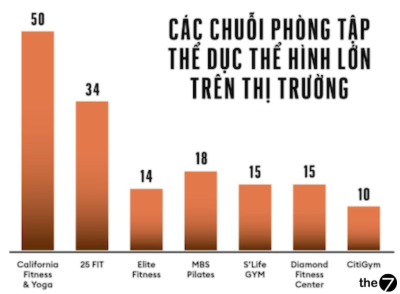
California Fitness & Yoga is considered the pioneer in this field, creating the workout trend and movement in Vietnam. However, the brand has also drawn many complaints about membership prices that are not fixed, varying depending on the sales rep or personal trainer.
Learning from California’s “controversies,” the chains that came later chose to publish their membership prices to create transparency and attract customers. For example, Getfit, a popular gym brand, reports that 40% of its customers are aged 25-34 and typically buy a one-year membership at the listed price, with flexible payment options (a single payment or installments).
Customers choose a gym based on many factors, such as location, workout space, service quality and brand reputation.
Alongside high-end gyms, budget gyms have also appeared in many areas, meeting people’s diverse workout needs at suitable prices.
Marketing Psychology Strategies: Driving Gym Sign-Ups Effectively
Have you ever bought a discounted long-term gym membership and then rarely used it? This is a common business strategy among many gyms, built on customers’ “love of a bargain” and “fear of missing out”.
Many gyms deliberately design long-term memberships at low prices to make them look appealing. The goal is to attract a large number of sign-ups, far beyond the gym’s actual capacity, regardless of whether those members use the service regularly.
The statistics show that only 18% of people use their gym membership effectively. The remaining 82%, for various reasons, stop going after a short time. The money they pay for their memberships helps cover operating costs and the wear and tear on equipment caused by the members who train diligently.
Gyms skillfully play on customers’ fear of missing out (FOMO), making them worry that if they don’t buy a long-term membership, they will lose the chance at a special deal. At the same time, paying once for an entire long-term membership reduces the “pain of paying,” making it easy for customers to decide to buy.

Today, young people care a great deal about their health and want to have a great physique. To meet this demand, gyms are applying effective strategies to attract customers. For example, they offer long-term memberships with attractive discounts and many special perks.
They create an ideal image of a toned, healthy body that comes from hard training, which easily persuades people who want to change themselves.
In addition, many gyms also offer personal trainer services (PT – Personal Trainer) at a high cost. Trainers take charge of tracking workout schedules, providing nutrition plans, and supporting members throughout to ensure they get maximum results. Some gyms set higher prices for sessions during the “golden” hours (6-7 p.m.), when workout demand is highest because many people have just finished work.
Beyond their core service, gyms also sell add-on products such as beverages, supplements, home workout equipment and workout clothes at higher prices to boost revenue. This improves the customer experience and brings business benefits to the gym.

New Consumer Trends: A Shift in Customer Behavior
The gym industry is going through a major shift, moving away from the traditional business model to focus on improving the customer experience. Instead of simply closing sales, gyms today put particular emphasis on delivering better service, personalization and the use of technology to attract and retain customers.
California Fitness & Yoga is a prime example. It has applied technology to customer management and developed a mobile app that lets users track their workout progress, book trainers and register for classes. The CFYC app has attracted more than 100,000 downloads and received high ratings from users.
Elite Fitness has also made an impression with a personalized training program based on real data. Each customer gets an individual workout and nutrition plan along with automatic monthly progress reports. This strategy helped Elite Fitness increase revenue by as much as 20%.
This trend stems from changes in consumer behavior, especially after the pandemic and the economic crisis. Customers increasingly care about service quality and prefer to choose reputable gyms, focusing on their personal health goals rather than caring only about price or membership length.
Conclusion
Classic psychology strategies have been applied successfully to boost gym revenue, delivering significant benefits by stabilizing income and reducing uncertainty in the business. Because they can predict monthly income and expenses, gyms can plan investments and develop their services more effectively, which in turn optimizes operations and increases customer satisfaction. These strategies not only improve operational efficiency but also open up opportunities to expand the market and meet the increasingly diverse needs of consumers in the fitness and sports sector. That is why applying psychological principles to business management is not just a trend but also a smart move that strengthens competitiveness and long-term sustainability for businesses in this industry.
>> See more: “Decoy” and “Bargain” Marketing Strategies: The Secret to Manipulating Consumer Psychology
By Minh Tân
Source: Marketing AI

Nguyễn Đình
Bảo




As CEO of The7, I am committed to sharing practical, useful knowledge with every reader. Every article on The7 is based on my 7 years of hands-on experience in marketing — Facebook advertising, LinkedIn advertising, Google advertising, and marketing strategy. I hope you take away plenty of insight from these posts and apply it successfully in practice.
Related Articles
Building a Full-Funnel Content Marketing Strategy on LinkedIn
Table of Contents Toggle Why Build Content Marketing for the Full Marketing Funnel? (Why Full-Funnel Content Marketing?)Creating Your Strategy (Creating Your Strategy)Implementing Your Content Strategy (Rolling out your content strategy)Summary...

Designing Creative Content for LinkedIn
Table of Contents Toggle Why Is Good Creative Content So Important? (Why is Good Creative Important?)Key Components of Creative Design (the core elements of creative design)Summary (summary) Why Is Good...
Building an Organic Business Presence on LinkedIn With a LinkedIn Page
Table of Contents Toggle Why Have a LinkedIn Page?Establishing Your LinkedIn PageKeeping Your LinkedIn Page ActiveThe Measure of SuccessSummary About LinkedIn Page (Summary) Why Have a LinkedIn Page? For a...

6 Best LinkedIn Marketing Strategies for B2B in 2026
Table of Contents Toggle LinkedIn 2026: Where B2B Decisions Get MadeStrategy #1 – Why Is LinkedIn the Best B2B Marketing Channel Today?1. Decision-makers are concentrated here2. Users are in work...

7 Social Media Trends for 2026: The Era of Real Value, Real Conversion, and Real People
Table of Contents Toggle Social media is entering the biggest restructuring of the decadeTrend 1: Why is buying directly in-app becoming the new standard for 2026? (On-Platform Conversion)What should businesses...

What Is TikTok Marketing? Effective TikTok Marketing Strategies
TikTok has been topping the global rankings of the most downloaded and most visited apps. That makes it a gold mine for marketers who love creativity. In this article, The7...