


)
How to Write a Marketing Services Brief (With Template)

Creating a short briefing document for marketing services (an Agency Brief Document) can be quite difficult. The main reason is that you need to express exactly what you want in clear, concise language.
Putting your thoughts and ideas into words is hard enough, and it gets even harder when you are not an expert in the field.
To choose the marketing service that best fits your business, you need to take two key steps: research the technical side of marketing and review sample briefs.
Before you start writing a brief for your agency, get ready by answering the important questions below! Once you have a handle on the essential elements, check out our agency brief template to start building your complete brief.
Understanding the Marketing Services Brief: Purpose and Impact
An agency brief is an important document that briefly summarizes the goals, intentions, and details of a marketing project for an agency. Its purpose is to ensure clear communication and to match your needs with the agency’s approach.
A well-written brief leads to efficient, smooth project delivery, encourages creativity within a defined scope, and often produces successful marketing campaigns focused on specific goals.
Key Points for Writing an Agency Brief
The following questions will guide you in building your agency brief and providing the information it needs:
- What is your goal with this marketing brief?
- Who is your target audience?
- What is your problem?
- What solution are you proposing to the agency?
- What is your brand message?
- How do you want to deliver your message?
- What action do you want customers to take?
- What are the must-have elements of the project?
What Is Your Goal With This Marketing Brief?
Start by stating the specific goal or problem you want to solve by hiring an agency. Being clear from the outset helps you avoid unwanted misunderstandings.
Presenting it at the top of the brief lets readers immediately understand what they need to do and helps them focus on finding solutions.
At the same time, you also need to provide detailed background information about your company, products, and services.
Who Is Your Target Audience?
Understanding your target audience is absolutely essential to building a successful marketing campaign. In your agency brief, you need to describe in detail the group of customers you are aiming for. You need to know who these people are, where they are located, and what they care about.
To understand your audience better, you can use a variety of surveys and polls. Tools such as Think with Google Marketer’s Almanac, Nielsen MyBestSegments, and MakeMyPersona help you research the market and build logical target customer profiles.
What Is Your Problem?
Your goals, business details, and target audience provide the “context” the agency needs to understand and develop the best approach for reaching your current marketing goals.
Beyond this key information, you can help the agency focus even more by describing the problem your customers face and how your product or service solves it.
What Solution Are You Proposing to the Agency?
Go into more detail about your product or service and explain specifically how it can be used to solve the problem. By providing detailed information about your product or service, you help the agency build marketing messages that focus on the benefits customers care about most. This will capture the attention of potential customers and encourage them to learn more about what you offer.

What Is Your Brand Message?
Nike’s “Just Do It” and Adidas’s “Impossible is nothing” are extremely effective brand messages that have become legends in the business world. These short messages deliver powerful motivation and evoke strong emotions, and that is exactly what you should aim for with your own marketing campaign.
Create a brand message that can get people interested in your product and drive them to buy. It needs to be short and easy for every customer to understand.
At the same time, you also need to choose a message that suits your target audience. Run a survey to see which kinds of words trigger a stronger emotional response.
How Do You Want to Deliver Your Message?
Based on your target audience survey results, decide which communication channels you want to focus on in your brief. Common channels include social media (Facebook, Instagram, etc.), search engine marketing (SEM), display advertising, email marketing, content marketing, and public relations (PR). Ask your agency whether they have the tools and experience needed to run your campaign across these specific channels.
Ask for some proof of how they have handled projects in the past. This way, you can be sure the agency understands your needs and can run an effective marketing campaign.
What Action Do You Want Customers to Take?
Look at how Netflix and Evernote handle CTAs (calls to action) and draw inspiration from them when you design your own.
In your brief, clearly describe the specific actions you want customers to take. This helps the agency come up with creative, effective wording for your marketing campaign.
What Emotions Do You Want to Evoke in Buyers With Your Marketing Campaign?
Emotional marketing is dominating the market because of its ability to generate maximum response from customers. In fact, triggering strong emotions is the key to making content spread widely (viral).
In your brief, explain specifically how you want customers to feel after buying your product or service. The goal is to give them a sense of satisfaction and accomplishment. Social media campaigns such as Disney’s #ShareYourEars or WestJet’s Mini Miracles did this perfectly, so you can use them as inspiration.
How Will You Make Sure Your Goals Are Achieved Through the Marketing Brief?
Now you need to lay out how you will determine whether your marketing campaign is effective.
This means listing the KPIs (key performance indicators) that best fit your business, such as sales, revenue, customer value, cost per lead, view-to-lead conversion rate, and so on. This will guide the agency on where to focus its efforts. Most companies forget to add KPIs to their marketing brief. After that, it becomes difficult to judge success.
What Are the Must-Have Elements of the Project?
In your agency brief, you need to state clearly your non-negotiable elements (non-negotiables). These are the things you are not willing to change while the marketing campaign is being carried out. They include:
- Budget
- Logo
- Slogan
- Brand identity
- Approval process
- Timeline
If you have any other special requirements, such as specific colors or a particular style to use, you should list them as well. The more detailed your description of the required elements, the easier it will be for the agency to develop a plan that satisfies you.
For example, you can use this approach to write a brief for a social media campaign. List the non-negotiable must-haves first, then break down what you need to achieve them.
Who Are Your Competitors?
Every market is competitive, but you need to clearly describe the brands in your field that you see as your main rivals. The agency will use this information to evaluate its marketing campaign and exploit your competitors’ weaknesses to strengthen your strategy.
If you have specific ideas about what you want to target, explain them in the brief. You should also provide details on how your products and services differ from what your competitors offer.
Watch the video below to see how an agency evaluates the important things clients should consider when writing a brief for them.
https://www.youtube.com/watch?v=Q89uBXa2yZc
Evaluating the Agency’s Capabilities: How Will They Achieve the Goals?
This is a question you should put to the agency, then evaluate their answer to decide whether they are the right company for you. That said, you should also include some of your own ideas in the brief.
A solid grasp of marketing basics, the perspectives of both sides, and the value each side expects remains important.
Make Your Agency Brief Clear and Direct
To make sure your agency brief or marketing brief is effective, keep it concise and focused. Skip the pleasantries and state your wishes and requirements clearly to avoid misunderstandings.
A Clear Brief Saves Time and Money. There Will Be Less Confusion and Fewer Conflicts.
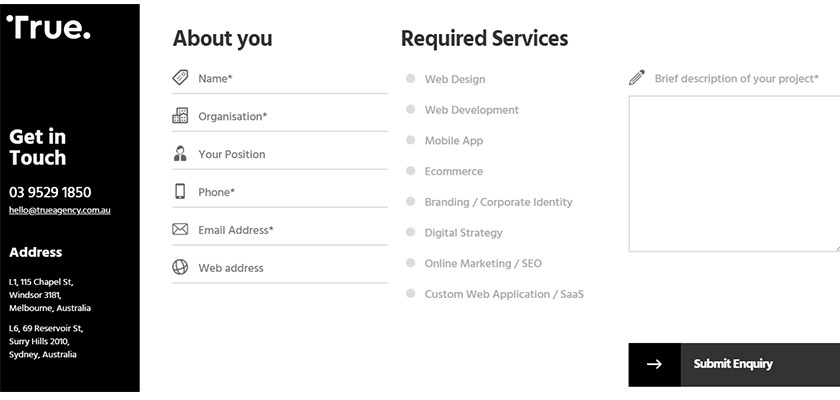
A true agency, True Agency, supports its potential clients through a special page that asks for a short description of their project. It also shares details about the services it can provide in relation to the client’s needs.
The Ultimate Agency Brief Template
Project overview
- Main idea: Give a general introduction to your project.
- Objectives: Decide what you want to achieve through this project.
Target audience
- Who is our audience?: Describe your ideal customer in detail.
- What are their needs?: Identify what your potential customers are looking for.
Brand overview
- Our story: Provide a brief summary of your company, its history, mission, and core values.
- What makes us special?: Identify what sets your brand apart from your competitors.
Budget
- Estimated figure: Define the budget range you are willing to spend on the project.
- Flexible or fixed?: State whether the budget can be adjusted flexibly.
Timeline
- When does it start?: Specify the expected project start date.
- Key milestones: List the project’s key milestones, such as the campaign launch date, the dates creative deliverables are completed, and so on.
Key message
- What are we saying?: Define the main message you want to convey to your target customers.
- Brand tone of voice: Describe your communication style: serious, humorous, friendly, and so on.
Creative guidelines
- Staying on brand: List the brand guidelines to follow during content creation, such as logo, fonts, color palette, and so on.
- Design style: Describe the desired design style: minimalist, modern, playful, and so on.
Measuring success
- How will success be measured?: Define the key metrics (KPIs) for tracking campaign performance.
- What does success look like?: Set specific targets for each KPI.
See more: What Is a Digital Marketing Strategy? The 7 Hottest Strategies of 2024
Even within the same industry or offering the same kind of products and services, every business has its own distinct qualities. Start by identifying how you differ from your competitors. Look for agencies that can help you express yourself and your unique brand.
Read your agency brief carefully several times to make sure you haven’t left out any information. With a detailed brief, the agency can build an effective plan to achieve your specific goals.
Once you have delivered the brief and all parties have agreed, let the agency do its work. Agencies are always glad to support you with projects, as long as the brief is clear and covers everything you want reflected in your marketing strategy.
But the process doesn’t end there. Ask for feedback and hold meetings. A good brief is only the starting point of the whole process. Good luck!

Nguyễn Đình
Bảo




As CEO of The7, I am committed to sharing practical, useful knowledge with every reader. Every article on The7 is based on my 7 years of hands-on experience in marketing — Facebook advertising, LinkedIn advertising, Google advertising, and marketing strategy. I hope you take away plenty of insight from these posts and apply it successfully in practice.
Related Articles
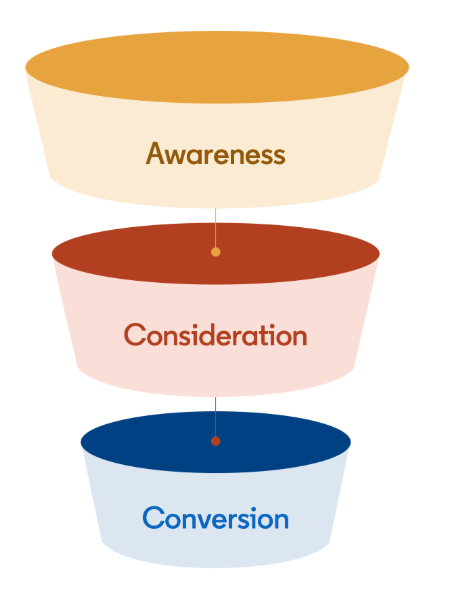
Building a Full-Funnel Content Marketing Strategy on LinkedIn
Table of Contents Toggle Why Build Content Marketing for the Full Marketing Funnel? (Why Full-Funnel Content Marketing?)Creating Your Strategy (Creating Your Strategy)Implementing Your Content Strategy (Rolling out your content strategy)Summary...

Designing Creative Content for LinkedIn
Table of Contents Toggle Why Is Good Creative Content So Important? (Why is Good Creative Important?)Key Components of Creative Design (the core elements of creative design)Summary (summary) Why Is Good...
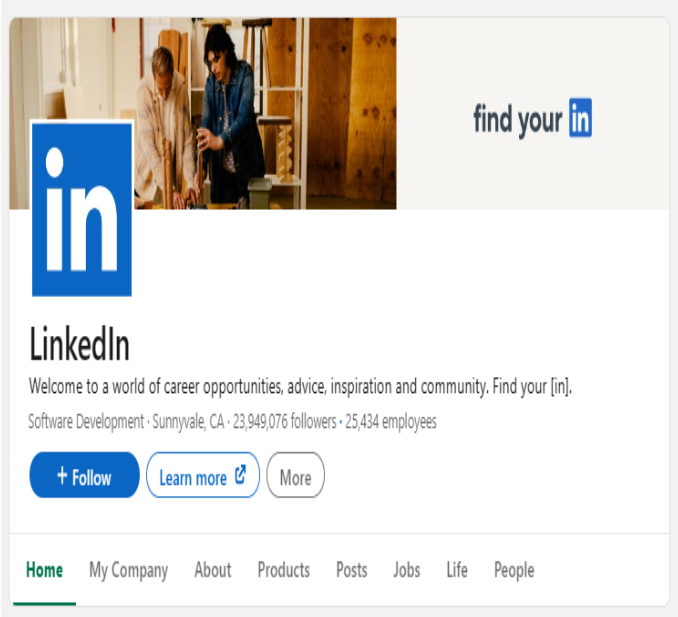
Building an Organic Business Presence on LinkedIn With a LinkedIn Page
Table of Contents Toggle Why Have a LinkedIn Page?Establishing Your LinkedIn PageKeeping Your LinkedIn Page ActiveThe Measure of SuccessSummary About LinkedIn Page (Summary) Why Have a LinkedIn Page? For a...
6 Best LinkedIn Marketing Strategies for B2B in 2026
Table of Contents Toggle LinkedIn 2026: Where B2B Decisions Get MadeStrategy #1 – Why Is LinkedIn the Best B2B Marketing Channel Today?1. Decision-makers are concentrated here2. Users are in work...

7 Social Media Trends for 2026: The Era of Real Value, Real Conversion, and Real People
Table of Contents Toggle Social media is entering the biggest restructuring of the decadeTrend 1: Why is buying directly in-app becoming the new standard for 2026? (On-Platform Conversion)What should businesses...

What Is TikTok Marketing? Effective TikTok Marketing Strategies
TikTok has been topping the global rankings of the most downloaded and most visited apps. That makes it a gold mine for marketers who love creativity. In this article, The7...