


The Importance of Marketing in the Media Technology Industry

Marketing plays a pivotal role for technology and media companies for several important reasons, and none of them can be denied.
First, marketing drives brand awareness and recognition. In a highly competitive market, differentiation and brand recognition are what decide whether you capture customers’ attention. Content marketing, for example, not only builds brand awareness but also creates a deep connection with customers. With 79% of marketers valuing the effectiveness of sharing brand content, and 59% of consumers recommending products from brands they already know and trust, marketing clearly plays an undeniable role in building and growing a brand.
Second, marketing is indispensable for attracting new customers. Technology companies need to use marketing channels such as content, social media, events and advertising to reach potential customers, introduce their products and services, and convert leads into loyal customers. Without marketing, companies will struggle to put their products in front of the right target audience. That is why marketing plays an undeniable role in expanding and growing a customer base.
Third, marketing plays an important role in nurturing and retaining existing customers, the most valuable asset of any company. Through marketing strategies, media software companies can keep up continuous engagement with customers, informing them about product updates, new features, events and industry-leading trends. This helps strengthen and grow a solid relationship with customers over time.
Fourth, marketing plays a pivotal role in driving sales revenue growth. By generating leads and converting them into paying customers, marketing delivers a sharp increase in revenue and sales. Investing in marketing not only improves efficiency but can also open up opportunities to scale revenue growth. In addition, companies with strong sales and marketing operations are typically 67% more effective at closing deals and 58% better at retaining customers. For that reason, marketing and sales must always go hand in hand to ensure the success of every strategy.
In short, marketing is not just a tool but also an important driver of growth for media software companies. From building awareness to creating demand and maintaining customer relationships, marketing provides the energy needed to expand and grow a business in a competitive market. For software companies that want to succeed, using an effective marketing strategy is not something to overlook.
Understand Your Target Audience
Developing a deep understanding of your target audience is essential for media software companies. That means thoroughly researching the demographics, needs, behaviors and preferences of your ideal customers. Of course, people who order ready-made media software from a media software development company such as Luxoft can relax and enjoy a product built with the right target audience in mind. But if that is not you, here are some steps you can take to identify your “perfect customer.”
The first step is to identify your target market segments. Who are the key people deciding to use your technology? Are you targeting individuals such as video editors, photographers and designers, or businesses and organizations? Defining your potential customer profile as clearly and in as much detail as possible is the key to success.
Next, analyze the problems your product solves for this target audience and the benefits it brings them. What goals are they trying to achieve? How can your product help them save time, save money or improve performance? Understanding your potential buyers’ jobs, motivations and challenges helps you tailor your messaging and marketing strategy accordingly.
Finally, create detailed buyer personas that represent your target segments. Include demographic information such as job title, industry and company size, as well as behavioral data such as goals, challenges and preferences. Giving each persona a name and an illustrative image makes them more vivid and easier to remember. This is the best way to make sure every marketing and sales effort is aimed at the right target, with precision and efficiency.

Conduct market research regularly through surveys, interviews and focus groups to better understand how your audience takes in information and makes purchasing decisions. This lets you refine your buyer personas over time.
By thoroughly understanding the needs, motivations and behaviors of their target customers, media software companies can create marketing campaigns with real influence. Tailored messages will help convert qualified leads into long-term customers.
Focus on Search Engine Optimization
Search engine optimization (SEO) is essential for media software companies that want to put their products and services in front of potential customers. With the right SEO strategy, companies can increase organic traffic to their websites and improve brand visibility. 60% of marketers say SEO is the source of their highest-quality leads.
Some key SEO tactics for media software companies include:
Keyword Research
Conduct thorough keyword research to identify keywords with high search volume and low competition that potential customers are searching for. Use keyword difficulty tools to find long-tail keywords specific to your product. Prioritize keywords with good search volume and low competition. Optimize your website content around these keywords. The average keyword receives 989 searches per month – a pretty great result for a company looking to grow with SEO.
On-Page Optimization
Optimize every page on your website, especially the homepage and the product/service pages, to target your chosen keywords. This includes using keywords in title tags, meta descriptions, headers, image alt text, page URLs and more. Make sure your website is mobile-friendly and loads quickly.
Content Creation
Regularly create new, high-quality content that incorporates your target keywords and delivers value to your audience. Focus on long-form content such as blog posts, guides and videos to improve the time users spend on the page (dwell time). The most effective forms of content marketing are still organic social media posts and email marketing.
Backlink Building
Build backlinks from relevant websites to signal to search engines that your site is authoritative and trustworthy on industry topics. Write guest posts on industry blogs, partner with influencers and promote your content to earn backlinks.
Local SEO
Optimize your Google My Business (GMB) profile and your NAP (Name, Address, Phone number) listings so customers can find your business in local searches. Encourage positive reviews from customers. Create location pages and optimize them for local keywords.
With the right SEO strategy, tailored to media software, companies can increase organic visibility, traffic and leads over time. SEO is an ongoing process that demands constant optimization and improvement.

Leverage Social Media Marketing
Social media marketing is essential for media software companies to build brand awareness, engage with customers and drive website traffic. Maintaining active social media accounts on platforms such as Facebook, Twitter, LinkedIn, Instagram, YouTube and Pinterest lets companies interact directly with current and potential users. In 2024, an estimated total of 5.17 billion people use social media worldwide. Leaving this promotional channel untapped would be a real oversight. Social listening tools help you understand customer sentiment, complaints, questions and feedback. Paid social advertising can further extend your reach to targeted demographic groups.
Some key social media marketing tips for media software companies include:
- Create social media profiles on relevant platforms and update them regularly with engaging content such as behind-the-scenes looks, product showcases, employee stories, relevant industry news, contests and more.
- Use social listening tools to analyze mentions, hashtags, reviews and conversations. This gives you deep insight into your customers.
- Run paid ads on social media platforms to promote content, offers, discounts and more, and to retarget potential customers. Split test your ad variations.
- Engage your followers by promptly responding to comments, questions and feedback. Assign a dedicated person to handle social media engagement.
- Post content regularly, including repurposing blog posts as native social media content. Mix text, images, infographics, videos and more.
- Use hashtags relevant to your industry to get more impressions. Join Twitter conversations relevant to your market.
- Partner with influencers in your field to reach their audiences and strengthen your credibility.
- Review key social media metrics such as follower growth, engagement rate, click-through rate, conversion rate and more to refine your strategy.
- Consider running contests and sweepstakes to grow your followers and boost engagement. Offer discounts for sharing or following.
- Use social media analytics tools to identify the best posting times, the best-performing content and more, and build an optimized posting schedule.
Strategically leveraging the major social networks can significantly expand the reach and connection that media software companies have with their target audiences.
Create Engaging Content
In today’s crowded digital marketing landscape, simply having a website is not enough to attract and retain customers. Media software companies need to regularly create engaging content that delivers value to their target audience. This content should aim to educate, entertain and inspire potential customers.
Some of the most effective types of content include:
- Blog: A regularly updated blog with useful tips, in-depth knowledge or how-to guides related to your industry can position your company as a thought leader. Share insights from your expertise, cover trending topics or explain key concepts.
- Video: Short, fun videos let you connect with your audience in a more personal way. Consider creating videos to showcase your software, provide tutorials or present customer success stories.
- Webinar: Hosting live or recorded webinars is a great way to share in-depth knowledge. Webinars also let potential customers get to know the experts in your field.
- eBooks or Guides: Long-form content such as guides and eBooks lets you really dig deep into a topic. Include actionable sections so readers walk away with real value. Offer gated content (requiring users to provide contact information to access it) to generate leads.
- Infographics: Visually appealing infographics can make your content more engaging on social media. Identify interesting statistics from your industry to share.
The goal is to consistently provide media software users with content that is useful, educational or entertaining. At its core, this content needs to convey your brand voice, your area of expertise and your unique points of difference. Put in the effort to create and promote high-quality content to attract your ideal customers.
Attend Industry Events and Conferences
Attending relevant industry events and conferences is a great way for media software companies to network, promote their brands and gather valuable insights. By taking part in these events, companies can connect directly with potential customers, partners, affiliates and influencers.
Some key benefits of attending industry events include:
- Networking opportunities: Events give you the chance to meet and build relationships with industry peers, potential customers, affiliates and influencers. These connections can lead to future partnerships, referrals and sales.
- Brand awareness: Events let you boost your visibility to promote your brand and engage with your target audience. Consider booking a booth, sponsoring the event, speaking at a seminar or hosting an event of your own to increase brand reach.
- Lead generation: Many events let attendees collect leads by exchanging business cards or scanning badges. These leads give your sales team “warm” prospects to start building relationships with.
- Market research: Events offer deep insight into industry trends, challenges and innovations. Attendees can gather information on competitors, watch product demos and learn about customers’ obstacles.
- Recruiting opportunities: Conferences attract top talent in the industry. Companies can look for potential employees through networking or by hosting a recruiting event.
- Customer feedback: Events provide direct access to customers so you can gather feedback through surveys, focus groups or casual conversations. This input helps guide product development.
- Industry exposure: Being present at events raises your company’s profile with influencers, analysts and the media. This visibility can drive interest in your products and services.
It is important to develop an event strategy that aligns with your overall marketing goals. Companies should carefully choose the conferences that reach their target audience and encourage meaningful networking. With a strategic approach, events provide a key channel for building brand awareness, connecting with customers and staying up to date on industry trends.

Tap Into Influencers and Affiliates
This is an important and effective strategy for media software companies to expand their reach and connect with new audiences.
Influencers, individuals with credibility and a significant audience in a specific market, can help boost your brand through sponsored content, reviews and social media posts. Identifying and partnering with influencers in your industry whose content resonates with your target customers can significantly widen your reach.
Next, affiliate marketing is another growth strategy you can tap into. By creating an affiliate program, you let other partners promote your software and earn commissions on the sales or leads they generate. This not only helps you expand your customer base but also creates an automated system for promoting your product.
Most importantly, make sure your influencers and affiliates genuinely use and like your product. Their endorsement creates authenticity and trust with potential customers. When used correctly, influencer marketing and affiliate marketing can create a powerful wave of word-of-mouth promotion that drives business growth at scale.
Consider Paid Advertising
Paid advertising can be an effective way for media software companies to complement their other marketing efforts. Some paid advertising formats worth considering include:
- Pay-per-click (PPC): PPC lets you place text ads on search engines such as Google and Bing. You only pay when someone clicks your ad. PPC is highly effective for generating leads and visits to your website. Target your ads carefully around the keywords potential customers are searching for. Optimize your ads and landing pages for the best conversions.
- Display advertising: Lets you reach users as they browse the web and apps. You can create banners, text ads and video ads and place them on high-traffic websites your audience visits. Target your ads based on users’ demographics, interests and browsing behavior.
- Remarketing (Retargeting): Deliver specific ads to people who have visited your website. For example, if someone visits your software product page but does not buy, you can remind them about the product later through remarketing ads. This brings back valuable visitors and increases conversion rates.
- Video ads: Pre-roll and mid-roll ads on YouTube, streaming services and social media are an engaging way to reach relevant audiences. Make sure your ads fit the surrounding content.
- Native advertising: Blend ads seamlessly into the design of the platforms where they appear. For example, you can publish promotional articles and videos as “sponsored content” on industry blogs and publications. This is less intrusive than banner ads.
A strategic paid advertising plan that combines multiple formats across multiple channels can amplify a media software company’s marketing activity. Continuously test, measure and optimize your paid campaigns.

Measure and Optimize
Analytics and A/B testing are essential for measuring the effectiveness of your marketing efforts and optimizing them over time. You should implement analytics tools such as Google Analytics to track key metrics like website traffic, leads generated, completed sales and the ROI (return on investment) of your campaigns.
Analyze which marketing channels are attracting the most valuable customers and invest more in the ones that perform well. Pay attention to the customer journey to see whether you can optimize any steps in your marketing and sales funnel to improve conversions.
Run A/B split tests on elements such as email subject lines, landing pages, website content, CTAs (calls to action), pricing and more. The goal is to keep iterating and improving performance over time. You may be surprised by how much of a difference small changes can make.
It is also important to audit your website’s SEO regularly and make sure you are not slipping in the rankings for key keywords. Keep creating new, high-quality content to maintain your credibility and relevance.
Marketing optimization is about analyzing data to understand what is working. Then focus your investment on what works best and cut what does not. This continuous refinement will ensure you get the maximum ROI from your marketing spend.

Nguyễn Đình
Bảo




As CEO of The7, I am committed to sharing practical, useful knowledge with every reader. Every article on The7 is based on my 7 years of hands-on experience in marketing — Facebook advertising, LinkedIn advertising, Google advertising, and marketing strategy. I hope you take away plenty of insight from these posts and apply it successfully in practice.
Related Articles
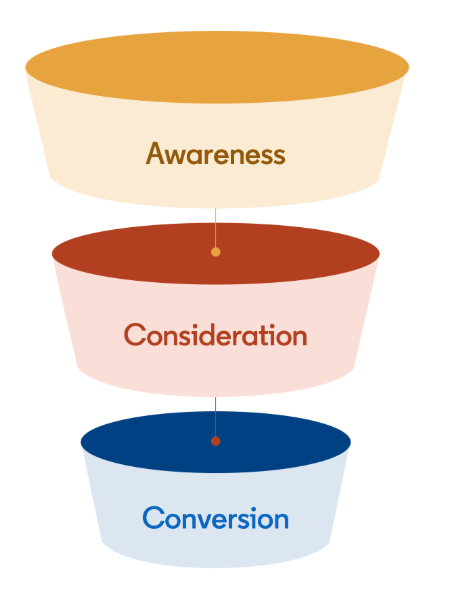
Building a Full-Funnel Content Marketing Strategy on LinkedIn
Table of Contents Toggle Why Build Content Marketing for the Full Marketing Funnel? (Why Full-Funnel Content Marketing?)Creating Your Strategy (Creating Your Strategy)Implementing Your Content Strategy (Rolling out your content strategy)Summary...
Designing Creative Content for LinkedIn
Table of Contents Toggle Why Is Good Creative Content So Important? (Why is Good Creative Important?)Key Components of Creative Design (the core elements of creative design)Summary (summary) Why Is Good...
Building an Organic Business Presence on LinkedIn With a LinkedIn Page
Table of Contents Toggle Why Have a LinkedIn Page?Establishing Your LinkedIn PageKeeping Your LinkedIn Page ActiveThe Measure of SuccessSummary About LinkedIn Page (Summary) Why Have a LinkedIn Page? For a...
6 Best LinkedIn Marketing Strategies for B2B in 2026
Table of Contents Toggle LinkedIn 2026: Where B2B Decisions Get MadeStrategy #1 – Why Is LinkedIn the Best B2B Marketing Channel Today?1. Decision-makers are concentrated here2. Users are in work...

7 Social Media Trends for 2026: The Era of Real Value, Real Conversion, and Real People
Table of Contents Toggle Social media is entering the biggest restructuring of the decadeTrend 1: Why is buying directly in-app becoming the new standard for 2026? (On-Platform Conversion)What should businesses...

What Is TikTok Marketing? Effective TikTok Marketing Strategies
TikTok has been topping the global rankings of the most downloaded and most visited apps. That makes it a gold mine for marketers who love creativity. In this article, The7...