


Neuromarketing Helps Businesses Optimize Their Marketing Strategy
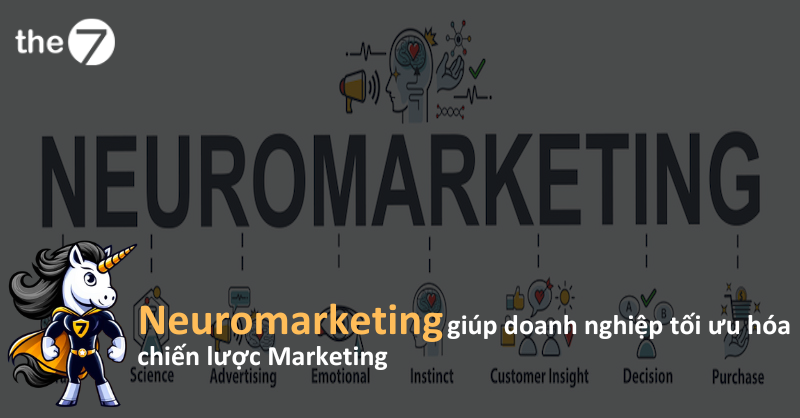
In an increasingly competitive market, understanding consumer psychology and behavior has become a decisive factor in business success. Neuromarketing, a pioneering field that combines neuroscience and marketing, is opening new paths for studying and analyzing how consumers respond. It not only offers deep insight into how consumers think and act, but also helps businesses optimize their marketing strategies to attract and retain customers more effectively.
Understand Customer Psychology With Neuromarketing
Neuromarketing, a refined blend of neuroscience and marketing, explores how the human brain responds to marketing campaigns such as ads, packaging design, and shopping experiences. The goal of the field is to study and apply deep insights into how the brain works in order to develop more effective marketing strategies. As a result, businesses can create campaigns with strong appeal and improve the customer experience, achieving outstanding success in the market.
- Authentic feedback: Instead of relying on interviews or surveys, neuromarketing goes straight to the brain, capturing the most authentic and accurate feedback on customers’ behavior, emotions, and decisions.
- Breakthrough advertising: By understanding how neuromarketing works, businesses can optimize messages, visuals, and sound to create ad campaigns that attract, inspire, and drive purchase action.
- Better services: Neuromarketing helps businesses understand customers’ hidden desires, so they can design products, services, and shopping experiences that meet needs perfectly, building engagement and brand loyalty.
- Lower risk: Through neuromarketing, businesses can test products by observing consumer reactions before launch. This lets them assess effectiveness, adjust in time, reduce risk, and maximize their chances of success in the market.
How Do Brands Apply Neuromarketing?
Many brands have applied neuromarketing and achieved positive results in reaching their audiences and improving the communication impact of their marketing campaigns. By gaining a deeper understanding of how the brain responds to marketing elements, these brands have created more compelling campaigns, attracting customers effectively and significantly increasing their communication impact.
PepsiCo Uses Eye-Tracking to Design Its Logo
Eye-tracking is one of the most common neuromarketing methods brands use. It relies on cameras and specialized software to follow consumers’ eye movements as they view ads, products, packaging, or websites. The data collected is then analyzed to understand consumer trends and behavior, helping businesses adjust their marketing strategies more effectively and optimally.
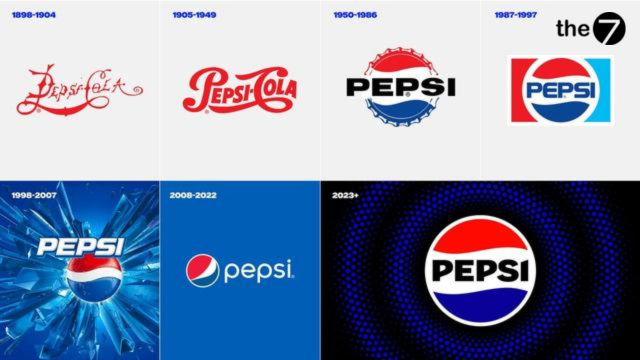
In 2008, Pepsi partnered with eye-tracking company Tobii to use eye-tracking technology to test different versions of its logo. The research showed that consumers tended to pay more attention to the new logo with a white border, which strengthened brand awareness.
In the experiment, participants viewed two versions of the Pepsi logo: one with a white border and one without. The data showed that the logo with the white border held viewers’ attention longer. This demonstrated that the white border makes the logo stand out and look more appealing. Based on this result, Pepsi decided to update its logo to the white-border version to take advantage of that pull.
Nike Uses fMRI to Measure Brain Activity
Functional magnetic resonance imaging (fMRI) is an advanced method used in marketing to better understand brain activity during specific consumer behaviors. It gives marketers detailed information about customers’ trends and needs.
In 2016, Nike partnered with Neuro Sense on an fMRI study to learn how the human brain responds to different shoes. The study found that the brain regions linked to emotion, motivation, and decision-making were activated when participants saw and wore Nike shoes. This helped Nike better understand customers’ preferences and needs, and in turn develop more relevant products and marketing campaigns.

In the study, participants were asked to try on different shoes while their brain activity was measured.
The result was surprising: When wearing Nike shoes, most participants’ brains showed increased activity in regions linked to positive emotions such as confidence, strength, and optimism. This suggests that Nike shoes are not just a fashion product but can also strongly affect consumer psychology.
BMW Optimizes Car Design With EEG Technology
In 2012, BMW made a breakthrough in the automotive industry by using electroencephalography (EEG) scanning to study how people respond to different car designs. Unlike traditional research methods, EEG can record users’ hidden emotional reactions, helping BMW gain a deeper understanding of what customers want.
The research produced a surprising result: people tend to be drawn to cars with softer curves rather than cars with angular designs. Based on this finding, BMW boldly changed its design philosophy, bringing flowing curves to the new generation of the 3 Series.

The change was a resounding success. The BMW 3 Series won praise not only for its elegant, modern look but also for a driving experience that surpassed earlier generations. By applying science to design, BMW confirmed its position as a pioneer in the automotive industry and showed the power of understanding customers through scientific research.
Neuromarketing Helps Nestle Enter the Japanese Market
In the 1970s, when coffee had already become a popular drink around the world, Nestle faced a major challenge in the Japanese market, a country famous for its tea ceremony culture. Recognizing that coffee needed a cultural “imprint” to win over the Japanese, Nestle partnered with market researcher Clotaire Rapaille to find a breakthrough marketing strategy.
Rapaille concluded that a coffee habit had to be built among the younger generation, the people who would shape future trends. Based on this idea, Nestle launched a caffeine-free, coffee-flavored candy made especially for children. This bold marketing strategy was a huge success, winning the affection of Japanese children. As they grew up, these children became potential customers for Nestle’s coffee products, creating a solid launchpad for the brand’s success in the Japanese market.

The Nestle story is proof of how important it is to understand culture and consumer psychology in a marketing strategy. By focusing on children and building a coffee imprint from an early age, Nestle successfully conquered the Japanese market, turning coffee into a familiar and well-loved drink there.
Today, Japan has become the world’s sixth-largest coffee importer and a promising market for Nestle.
IKEA Uses Facial Recognition to Improve the Customer Experience
In the digital age, understanding customers’ emotions is key to business success. Aware of this, IKEA was a pioneer in applying facial recognition technology to its marketing strategy, with the goal of elevating the customer experience.
In 2017, together with neuromarketing firm NeuroFocus, IKEA ran a groundbreaking study: tracking users’ emotions as they browsed its website. By analyzing facial expressions, IKEA discovered an invaluable business insight: customers tend to buy more when they see images that convey positive emotions, especially smiles.
Based on the findings, IKEA made strategic changes to its website. It added more images and videos showing joy, satisfaction, and the connection between people and products. Thanks to this creative strategy, IKEA succeeded in attracting customers, increasing its conversion rate, and strengthening its position as a leading brand in the furniture industry.
Benefits, Methods, and Things to Keep in Mind When Using Neuromarketing
Neuromarketing offers deep insight into consumer behavior, but it must be applied carefully and in line with ethical standards to be effective. Here are some important points marketers should know when using neuromarketing:
- Follow ethical standards: Make sure participants’ personal data is tightly protected and never misused. This data should be used only to analyze responses to the brand’s campaigns.
- Consider local cultural factors: Customer reactions can vary depending on culture and geography. Understanding these differences is essential for choosing the right strategies.
- Combine it with other methods: For a more complete and in-depth view, combine neuromarketing results with traditional market research methods before launching a campaign.
By following these points, marketers can get the most out of neuromarketing, effectively and ethically.
Conclusion
Neuromarketing promises breakthroughs in understanding customers more deeply and optimizing businesses’ marketing strategies. However, using information about customers’ brains also raises ethical issues that need careful consideration. To grow sustainably, neuromarketing must strike a sensible balance between business benefits and social responsibility, protecting customers’ rights and ethics. Only through this balance can neuromarketing truly be the key that opens the door to the future of marketing, helping businesses build strong brands and contribute to the development of society.
>> See more: S.A.V.E Marketing – Upgrading the 4P and 7P Models
By Khánh Huyền
Source: Marketing AI

Nguyễn Đình
Bảo




As CEO of The7, I am committed to sharing practical, useful knowledge with every reader. Every article on The7 is based on my 7 years of hands-on experience in marketing — Facebook advertising, LinkedIn advertising, Google advertising, and marketing strategy. I hope you take away plenty of insight from these posts and apply it successfully in practice.
Related Articles
Building a Full-Funnel Content Marketing Strategy on LinkedIn
Table of Contents Toggle Why Build Content Marketing for the Full Marketing Funnel? (Why Full-Funnel Content Marketing?)Creating Your Strategy (Creating Your Strategy)Implementing Your Content Strategy (Rolling out your content strategy)Summary...
Designing Creative Content for LinkedIn
Table of Contents Toggle Why Is Good Creative Content So Important? (Why is Good Creative Important?)Key Components of Creative Design (the core elements of creative design)Summary (summary) Why Is Good...

Building an Organic Business Presence on LinkedIn With a LinkedIn Page
Table of Contents Toggle Why Have a LinkedIn Page?Establishing Your LinkedIn PageKeeping Your LinkedIn Page ActiveThe Measure of SuccessSummary About LinkedIn Page (Summary) Why Have a LinkedIn Page? For a...

6 Best LinkedIn Marketing Strategies for B2B in 2026
Table of Contents Toggle LinkedIn 2026: Where B2B Decisions Get MadeStrategy #1 – Why Is LinkedIn the Best B2B Marketing Channel Today?1. Decision-makers are concentrated here2. Users are in work...

7 Social Media Trends for 2026: The Era of Real Value, Real Conversion, and Real People
Table of Contents Toggle Social media is entering the biggest restructuring of the decadeTrend 1: Why is buying directly in-app becoming the new standard for 2026? (On-Platform Conversion)What should businesses...

What Is TikTok Marketing? Effective TikTok Marketing Strategies
TikTok has been topping the global rankings of the most downloaded and most visited apps. That makes it a gold mine for marketers who love creativity. In this article, The7...