


Semantic SEO to Optimize Your Website Rankings
In the constantly changing landscape of digital marketing, staying ahead of the curve is essential. If you run a business with a website, you may have already heard about the power of Search Engine Optimization (SEO). But do you know about the benefits of using Semantic SEO? In this article, we’ll explore what Semantic SEO is and why it matters for businesses that want to improve their website rankings.

What Is Semantic SEO?
As algorithms grow more sophisticated and user intent plays a bigger role, the concept of SEO has evolved. Semantic SEO is like helping search engines truly understand the context, intent, and complexity of human language. It goes beyond keywords alone to focus on the meaning of words and the relationships between them, delivering more accurate search results. By using natural language processing, entity recognition, latent semantic indexing, and contextual relevance to improve visibility on search engines, Semantic SEO builds on the understanding that words are connected to one another. People don’t just search for isolated phrases; they’re looking for answers to questions, solutions to problems, and information on broader topics. Semantic SEO therefore centers on this idea, creating a more intuitive and valuable search experience for users.
With search engines like Google constantly evolving to deliver the most relevant and accurate results, Semantic SEO plays a critical role in today’s digital landscape, helping ensure your website gets seen and succeeds.
How Can You Harness the Power of Semantic SEO?
In Semantic SEO, semantic keywords carry deeper meaning, and the search results they produce reflect the user’s search intent.
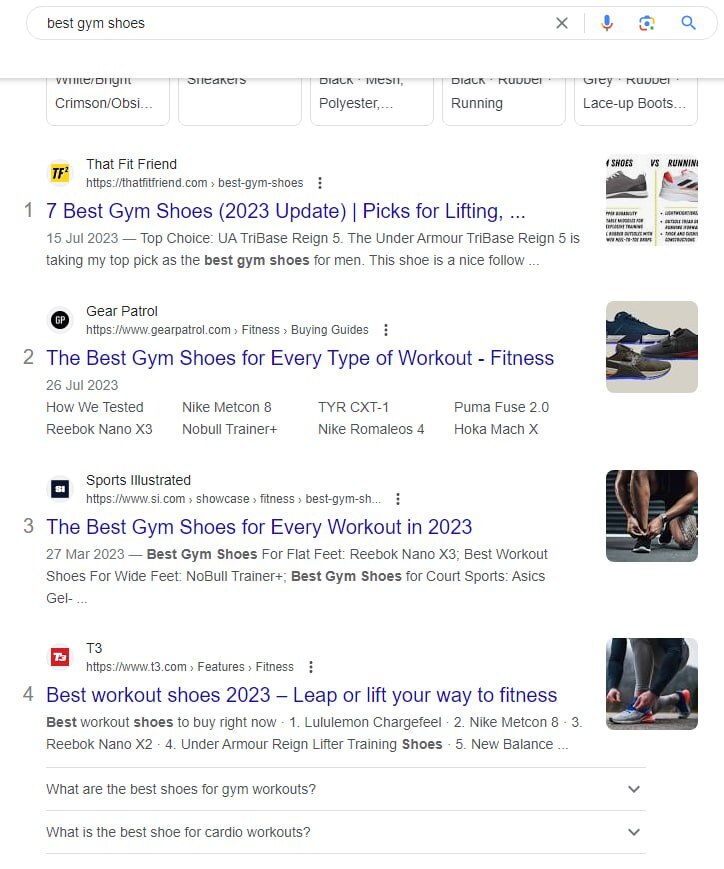
Here is an example of semantic keywords:
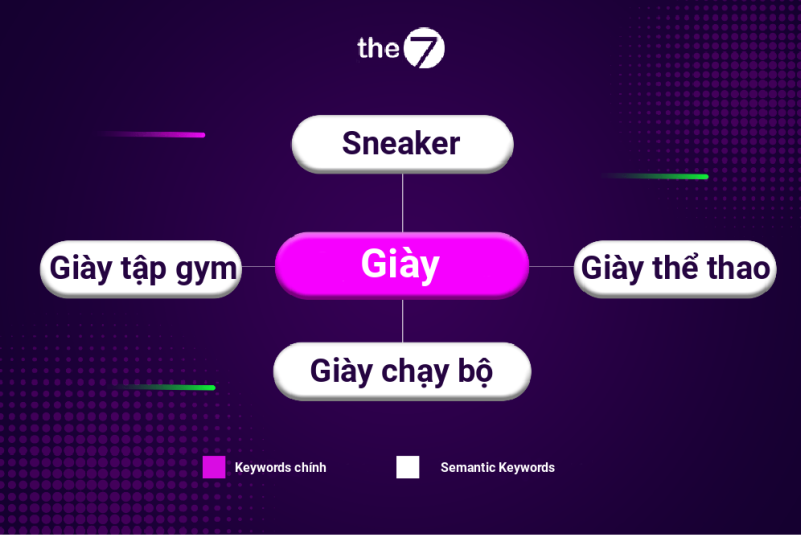
You may be wondering: why are these search results related to one another even though they don’t contain the exact keywords the user searched for? Even if your content doesn’t match a user’s query perfectly, keyword for keyword, Semantic SEO ensures that Google’s bots can still recognize synonyms, related terms, and the underlying relationships between words. It’s similar to understanding that “ô tô” and “xe hơi” (both meaning “car”) really refer to the same means of transportation. This deep grasp of language helps search engines connect what users are searching for with content that fits their needs.
As long as Google considers your content contextually relevant to the user’s intent, your website can still appear on Search Engine Results Pages (SERPs). This approach turns search from a rigid, keyword-based interaction into a coherent, intelligent conversation, where the right answer finds its way to the surface without matching every word exactly.
That’s why businesses need to focus on thorough keyword research. This means identifying not only the keywords directly related to your business but also other related keywords with high search potential. By doing so, your SEO specialists can capitalize on search popularity and optimize your content for maximum visibility.
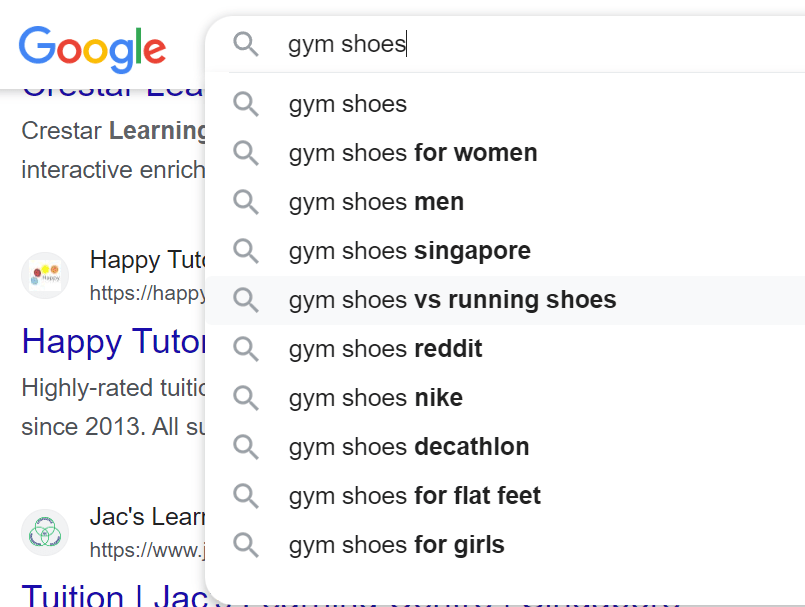
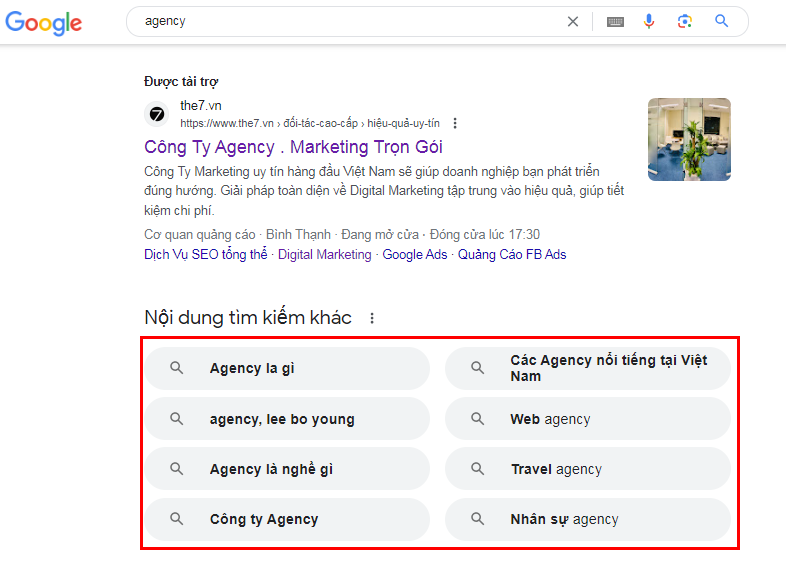
For example, when a user searches for “giày thể thao” (sneakers), the bottom of the Google page shows suggested semantic keywords along with their corresponding search results.
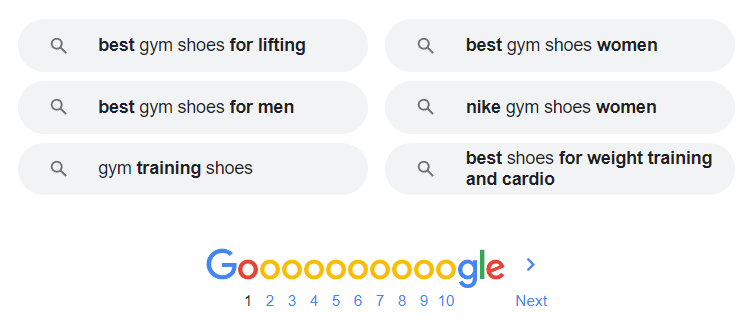
With this information, you can tailor your content more effectively and shape it so that Google considers you and your content for specific semantic search queries.
There are other benefits to focusing all of your content on Semantic SEO.
Consider having multiple pages that directly answer popular search queries. When you provide multiple pages with related content, your chances of appearing in search results increase significantly. Not only that, you’re also more likely to land at the top of the search results most of the time.
Why Does Semantic SEO Matter?

Unlock More Keyword Rankings
Semantic SEO is the key that unlocks a treasure trove of keyword rankings in organic search. By applying a semantic strategy, you target not only specific keywords but also the related terms users might search for. This widens your reach and increases your chances of ranking higher on Search Engine Results Pages (SERPs).
Quality Content
Google’s algorithm doesn’t just look for keywords; it looks for high-quality content that delivers value. Semantic SEO helps you create content that not only meets user intent but also tells Google you’re an expert in your field. When Google recognizes your brand as a knowledgeable entity, your ranking potential soars.
Create Opportunities for Internal Links
Semantic SEO opens up a world of internal linking. By creating content rich in context and meaning, you naturally build connections between different pieces of content on your website. This not only improves the user experience but also helps search engine crawlers navigate your site more efficiently, boosting your SEO efforts.
Semantic SEO Recommendations
To improve your search rankings with Semantic SEO, pay attention to the following points:
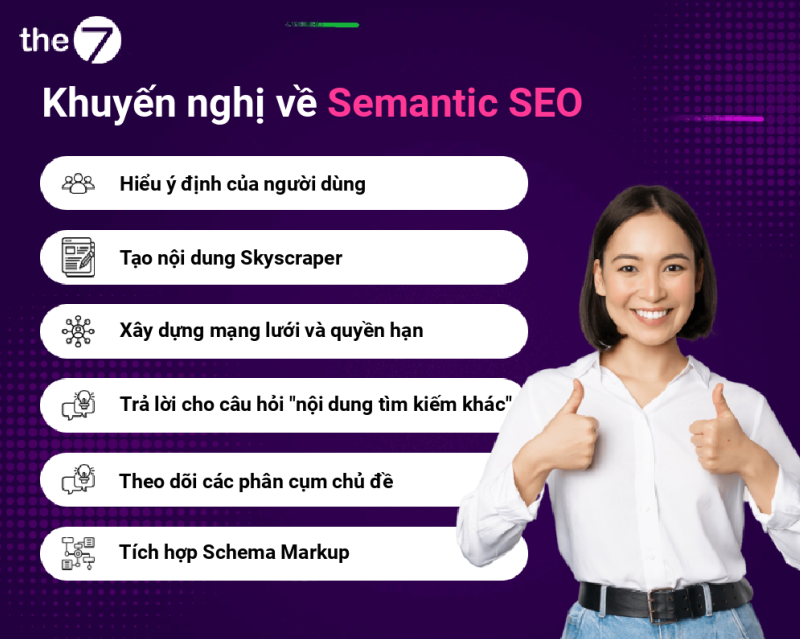
Understand User Intent
Understanding user intent plays a crucial role in Semantic SEO and leads to highly relevant content. It’s like reading the minds of your target audience: understanding not only what they search for but also why they search for it. When your content directly meets user intent, it becomes a valuable resource that answers their questions, solves their problems, or satisfies their curiosity. This, in turn, sends a signal to search engine bots. They see your content as a source of expertise and a virtual hub holding the key to the information users are looking for. As a result, your website moves up the search engines, securing a high position at the top of the search results.
See more: Optimizing Your E-commerce Strategy: Google Merchant Center
Create Skyscraper Content
Skyscraper content is a comprehensive, detailed blog post that covers a topic from multiple angles and in depth. This extended format gives you enough room not only to explore the main topic but also to dig into related subtopics. That said, you’re not writing just to make the article longer. This approach lets you naturally incorporate synonyms, related terms, and contextual phrases, strengthening the relevance of your content and increasing your chances of ranking well.
Build Networks and Authority
Google evaluates your content not only by keywords but also by the credibility of your information sources and the connections within your digital ecosystem. When you establish a reputable network, you’re effectively creating a web of trust and reliability that extends beyond the boundaries of your website. Creating high-quality content, earning natural links, collaborating and publishing guest posts, providing accurate and up-to-date content, and producing content that demonstrates your expertise can all help your digital presence thrive.
Answer the “People Also Search For” Questions
Find the “people also search for” questions related to your target keywords and create content that directly answers them. By providing valuable information, you increase your chances of appearing in search results and establish credibility in your field.
Follow Topic Clusters
Organize your content into topic clusters, where a pillar page acts as the main information hub and the articles within each cluster link back to it. This strategy helps search engines understand the richness and relevance of your content, improving your ranking potential.
Integrate Schema Markup
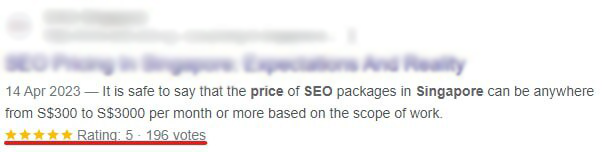
Implement structured data markup, such as Schema.org, to give search engines additional information about your content. This can increase your chances of earning rich snippets and improve your visibility in featured snippets, driving more organic traffic. There are many types of schema markup to suit different kinds of content, from reviews to FAQs.
Conclusion
Semantic SEO is not just about using keywords; it also targets an understanding of context, user intent, and the relationships between words in your content. This helps you create high-quality, relevant content that directly meets users’ needs.
The benefits of Semantic SEO include a stronger grasp of language and context, a better chance of appearing in rich snippets, an improved user experience, optimized internal linking, and a trustworthy relationship with search engines. This increases your chances of ranking higher on Search Engine Results Pages (SERPs) and strengthens your position in your industry.
Understanding user intent, creating content with structured data, and building smart internal links are all key parts of a Semantic SEO strategy. It not only helps you excel in organic search but also builds a reputable, trustworthy brand in your industry.

Nguyễn Đình
Bảo




As CEO of The7, I am committed to sharing practical, useful knowledge with every reader. Every article on The7 is based on my 7 years of hands-on experience in marketing — Facebook advertising, LinkedIn advertising, Google advertising, and marketing strategy. I hope you take away plenty of insight from these posts and apply it successfully in practice.
Related Articles
Building a Full-Funnel Content Marketing Strategy on LinkedIn
Table of Contents Toggle Why Build Content Marketing for the Full Marketing Funnel? (Why Full-Funnel Content Marketing?)Creating Your Strategy (Creating Your Strategy)Implementing Your Content Strategy (Rolling out your content strategy)Summary...
Designing Creative Content for LinkedIn
Table of Contents Toggle Why Is Good Creative Content So Important? (Why is Good Creative Important?)Key Components of Creative Design (the core elements of creative design)Summary (summary) Why Is Good...
Building an Organic Business Presence on LinkedIn With a LinkedIn Page
Table of Contents Toggle Why Have a LinkedIn Page?Establishing Your LinkedIn PageKeeping Your LinkedIn Page ActiveThe Measure of SuccessSummary About LinkedIn Page (Summary) Why Have a LinkedIn Page? For a...

6 Best LinkedIn Marketing Strategies for B2B in 2026
Table of Contents Toggle LinkedIn 2026: Where B2B Decisions Get MadeStrategy #1 – Why Is LinkedIn the Best B2B Marketing Channel Today?1. Decision-makers are concentrated here2. Users are in work...

7 Social Media Trends for 2026: The Era of Real Value, Real Conversion, and Real People
Table of Contents Toggle Social media is entering the biggest restructuring of the decadeTrend 1: Why is buying directly in-app becoming the new standard for 2026? (On-Platform Conversion)What should businesses...

What Is TikTok Marketing? Effective TikTok Marketing Strategies
TikTok has been topping the global rankings of the most downloaded and most visited apps. That makes it a gold mine for marketers who love creativity. In this article, The7...