


9 Benefits of Website Hosting for E-commerce

Hosting is a service that lets you store your website on a hosting provider’s servers. When you sign up for hosting, you get a space on the provider’s server where you can store all of your website’s files, including code, images, content, and more. Hosting providers also offer additional services such as domain names, security, and technical support.
Why You Need Hosting for Your Website
When you decide to go digital and do business online, relying on social media alone is not enough to succeed. You need an e-commerce website to build a broad customer network and establish your business’s online reputation.
To get your e-commerce website up and running, you will need a website hosting service. It provides a server for your website, connects it to the internet, and turns it into an access point for your customers.
You can think of hosting as renting empty space on someone else’s server for your own purposes (for example, building a video-sharing site, a search engine, or an online store). At the same time, you get support from a hosting provider who knows how to protect and optimize the server to prevent problems and keep your website running at its best.
If you use a standard website hosting service for your e-commerce website, you will likely run into difficulties because it lacks features built for online selling. But if you use a hosting provider dedicated to e-commerce websites, such as a provider that builds e-commerce sites, you will get the tools, apps, and utilities you need to manage and run your online store more easily.
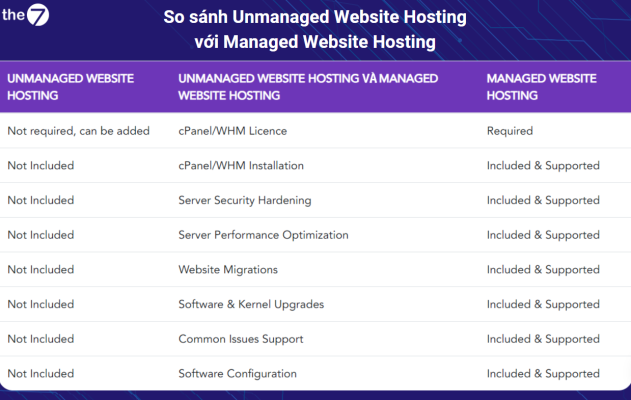
To manage your online store with ease, you should choose a Managed Website Hosting service. With this service, you get comprehensive support and all the features you need to run your online store.
The only difference between standard website hosting and e-commerce website hosting is that the latter is more heavily optimized for online store features. E-commerce hosting comes with themes, apps, and plugins designed specifically for online selling. All of these are included in the hosting packages the provider offers.
Below are the differences between e-commerce website hosting and standard website hosting, including the different features and plugins used on each type of e-commerce website.
E-commerce website hosting can scale over time. You can easily add more product categories that you want to sell on your e-commerce website. This helps you grow your business and meet customer needs. Standard website hosting, on the other hand, only suits businesses with standard products and services that don’t have many variations or room to expand.

The GIF above is an example of a website that uses WooCommerce, a platform that provides website hosting services.
This GIF, meanwhile, is an example of a website that uses a regular hosting platform.

An e-commerce website is the most complex and hardest-to-manage type of website, so choosing the right hosting is essential. It will strengthen your website’s strategy and encourage customers to make purchases.
Choosing the right e-commerce hosting brings many benefits to an online business. Here are some of the simple benefits this service delivers:
9 Benefits of Hosting for an E-commerce Website
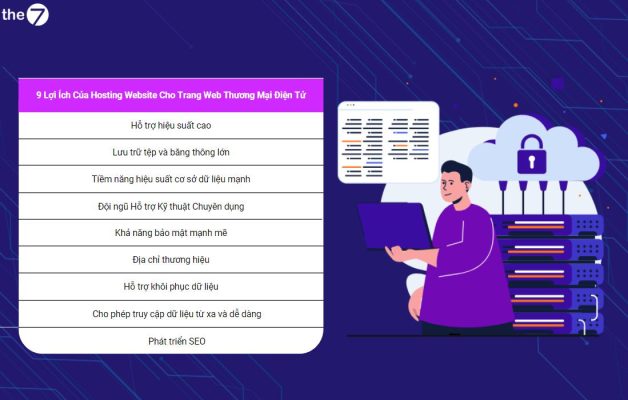
High-Performance Support
When you run an online store, the most important thing is to find an e-commerce hosting platform that delivers fast load times and high performance. If your website takes more than 3 seconds to load, 53% of visitors will leave, which means you lose the chance to convert them into real customers.
When you use standard website hosting for your online store, you often run into slow loading and, in more serious cases, your website may crash or go down. The reason is that this type of service doesn’t provide enough support for the infrastructure that e-commerce businesses need.
But there’s no need to worry. A great e-commerce website builder like WooCommerce can meet all of your requirements. It offers a flexible, customizable platform that makes it easy to use and manage your online store.
See more: Investing in Quality Website Design and Development in Vietnam
Large File Storage and Bandwidth
E-commerce websites consume a lot of storage space and usually receive the highest volume of traffic. That’s why you need an e-commerce hosting provider with enough resources so that you don’t have to pay extra for surplus storage.
Images and videos play an important role in website design, and you need plenty of them to showcase your products and services effectively. E-commerce websites in particular use up even more storage space. Every product you upload requires multiple high-resolution images or short videos, and as your store grows large, you may need to keep track of how much storage you have used.
An e-commerce website builder can solve this problem by offering large bandwidth and storage options.
Strong Performance Scalability
The number of visitors to an e-commerce website is often unpredictable because of many different factors. Beyond holidays, new trends can also affect traffic. For example, online grocery shopping rose by as much as 25% in just two weeks after news of the COVID-19 pandemic spread worldwide in March 2020.
With sudden traffic surges like this, online store owners should choose a hosting platform that can scale its data performance. This helps prevent slowdowns or interruptions when users start visiting and shopping online.
WooCommerce offers a range of scalable hosting plans to support the increased demand that may hit your online store.

A Dedicated Technical Support Team
Even though e-commerce hosting builders provide a high-performance platform, technical issues can still occur. That’s why you should choose platforms that offer proactive support.
When you work with a reliable hosting platform that has a support team, you get help from a team of e-commerce website specialists whenever a technical problem comes up.
For example, if there’s a bandwidth problem with your e-commerce website, the web development company you hired will contact the company that provides the hosting platform so they can solve the problem together.
Strong Security
Beyond technical issues, hackers often target e-commerce websites to steal sensitive information. If your e-commerce website doesn’t have good security measures, the risk of a cyberattack goes up.
That’s why regular maintenance and website security checks are so important. An e-commerce hosting tool should provide regular security updates and bug fixes for your website’s server. If your website hosting provider doesn’t ensure enough security, your e-commerce website and your customers’ information could be exposed.
Choose a hosting provider that includes comprehensive security checks. To make sure of this, confirm that the provider has a hacker-free policy and offers regular website maintenance for security updates and bug fixes. If they do, read through the full file to see which areas the e-commerce hosting builder will cover.
A Branded Address
Well-known brands with e-commerce websites all have their own website address, which boosts a business’s credibility. Imagine you’re a customer. Would you trust and buy from an online store whose website address differs from its brand name? Many people would raise an eyebrow and hesitate before visiting and buying from a site like that.
Fortunately, many e-commerce hosting platforms offer a custom website address, allowing online store owners to set up an email address that uses the store’s domain name. One example is the website of levents, a well-known online fashion retailer from Vietnam.
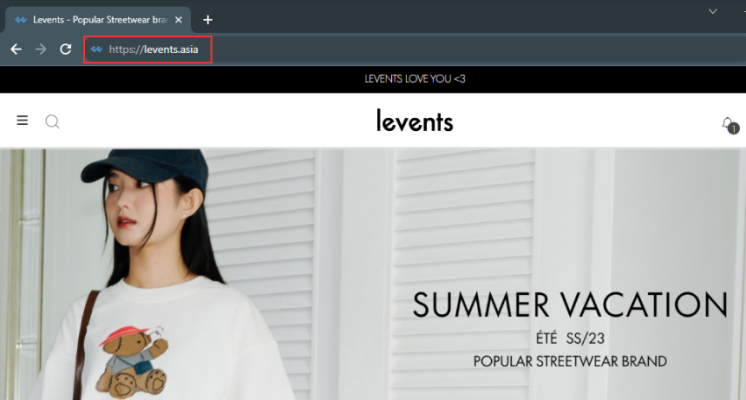
Customers usually expect a trustworthy online store to have its own branded website address, just like levents. It also helps build brand awareness across all of your communications.
Data Recovery Support
Website data is critical, especially in e-commerce. Online store owners can use that information to create more compelling digital marketing campaigns that attract customers and encourage them to buy. The problem, however, is that data loss is common and can happen for many reasons, such as hardware failure, human error, or even natural disasters.
Website hosting platforms have prepared for these unfortunate data-loss situations, so they offer data recovery services. Online store owners can restore the data stored on their systems, so they don’t have to start over collecting customer data, let alone rebuild their customers’ trust.
Easy Remote Data Access
Another benefit of using a hosting service is that you can access your data remotely and with ease. No matter where you and your staff are, you can manage your online store and update content as long as you have support from an e-commerce website builder.
For example, if your e-commerce website is hosted properly and supports features built for store owners, you can easily check inventory without updating it manually.
In addition, this hosting service helps you keep your sales figures up to date. If your hosting platform is designed specifically for e-commerce, you can work with a web developer to install tools that automate delivery. That way, you can collect customer information and send it to your preferred delivery service to arrange shipping with ease.
SEO Growth
E-commerce website hosting has more SEO advantages than standard website hosting platforms. Online store owners can develop and improve their SEO strategy so their e-commerce website ranks higher on search engine results pages (SERPs) and attracts more potential customers to their products online.
Page speed is an important factor. A well-hosted e-commerce website improves page load speed and makes it easier for search engines to access your content. If the website loads slowly, visitors may leave and look for another online store. To solve this, work with a web development company to improve your website speed alongside the e-commerce hosting provider you’ve chosen.
Server uptime is another important factor. When the server has problems, your e-commerce website may go down, which hurts your SEO. To avoid this, choose a reliable, stable hosting platform. Partnering with a web development company that specializes in SEO will also help.
Finally, geographic location matters too. Choosing an e-commerce hosting provider in the same country helps optimize your website speed. A separate website address with a country-specific domain ending will also strengthen your local SEO, helping you attract customers in that country.
Conclusion
Many new e-commerce websites share a common problem: choosing a low-quality hosting provider, which leads to slow page loads, weak security, and a lack of support. Although choosing a cheap e-commerce hosting provider in Vietnam may seem appealing, the negative impact on your sales isn’t worth the cost savings.
When choosing an e-commerce hosting company, look for one that can scale to meet your business needs and offers quality, cost-effective options.

Nguyễn Đình
Bảo




As CEO of The7, I am committed to sharing practical, useful knowledge with every reader. Every article on The7 is based on my 7 years of hands-on experience in marketing — Facebook advertising, LinkedIn advertising, Google advertising, and marketing strategy. I hope you take away plenty of insight from these posts and apply it successfully in practice.
Related Articles
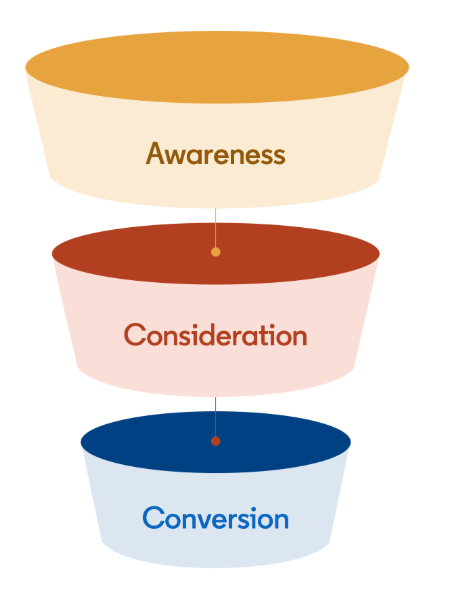
Building a Full-Funnel Content Marketing Strategy on LinkedIn
Table of Contents Toggle Why Build Content Marketing for the Full Marketing Funnel? (Why Full-Funnel Content Marketing?)Creating Your Strategy (Creating Your Strategy)Implementing Your Content Strategy (Rolling out your content strategy)Summary...

Designing Creative Content for LinkedIn
Table of Contents Toggle Why Is Good Creative Content So Important? (Why is Good Creative Important?)Key Components of Creative Design (the core elements of creative design)Summary (summary) Why Is Good...

Building an Organic Business Presence on LinkedIn With a LinkedIn Page
Table of Contents Toggle Why Have a LinkedIn Page?Establishing Your LinkedIn PageKeeping Your LinkedIn Page ActiveThe Measure of SuccessSummary About LinkedIn Page (Summary) Why Have a LinkedIn Page? For a...

6 Best LinkedIn Marketing Strategies for B2B in 2026
Table of Contents Toggle LinkedIn 2026: Where B2B Decisions Get MadeStrategy #1 – Why Is LinkedIn the Best B2B Marketing Channel Today?1. Decision-makers are concentrated here2. Users are in work...

7 Social Media Trends for 2026: The Era of Real Value, Real Conversion, and Real People
Table of Contents Toggle Social media is entering the biggest restructuring of the decadeTrend 1: Why is buying directly in-app becoming the new standard for 2026? (On-Platform Conversion)What should businesses...

What Is TikTok Marketing? Effective TikTok Marketing Strategies
TikTok has been topping the global rankings of the most downloaded and most visited apps. That makes it a gold mine for marketers who love creativity. In this article, The7...