


What Is a Logo? Understanding What a Logo Means for Your Brand

When you think of a brand, the first thing that comes to mind for many people is its logo. A memorable, distinctive logo can create instant recognition and connect the spirit of a brand with its customers. To better understand how important a logo is to building a successful brand, keep reading.
What Is a Logo?
A logo is a graphic design, symbol, or icon used to represent a brand, trademark, company, organization, event, or individual. A logo usually consists of elements such as an image, text, or a combination of both.
A logo is not only the symbol of a business but also carries the message that the business wants to send to consumers. Each logo is a refined combination of many identity elements, creating a solid foundation for growth and leaving a deep impression in people’s minds.
How Are Logos Classified?
There are many ways to classify logos, but the most common are based on form of expression and symbolic meaning:
Classification Based on Form of Expression
- Wordmark (Logotype): Uses letters to form the logo, usually the brand name. Examples: Google, Coca-Cola, Samsung.
- Pictorial mark: Uses an image to express the meaning of the brand. Examples: Apple, Nike, Twitter.
- Abstract mark: Uses an abstract image to express the meaning of the brand. Examples: Pepsi, BP, Shell.
- Combination mark: Combines text and imagery to form the logo. Examples: McDonald’s, Adidas, Starbucks.
- Mascot logo (Mascot): Uses an illustrated character to represent the brand. Examples: KFC, Michelin, Pringles.
Classification Based on Symbolic Meaning
- Descriptive mark: Directly depicts the brand’s product or service. Examples: Pizza Hut, Baskin-Robbins, Red Bull.
- Suggestive mark: Hints at a meaning or emotion associated with the brand. Examples: Dove, Chanel, Jaguar.
- Metaphorical mark (Abstract Mark): Uses a metaphorical image to express the meaning of the brand. Examples: Apple, Amazon, Nike.
In addition, logos can also be classified by color, design style, the brand’s field of activity, and so on.
Where Are Logos Commonly Used?
Website: A logo is an essential element on every business website for strengthening brand awareness. Every business with a website needs to display its logo to ensure consistency across the internet, and it is usually placed at the top or the footer of the page, guiding users back to the homepage.
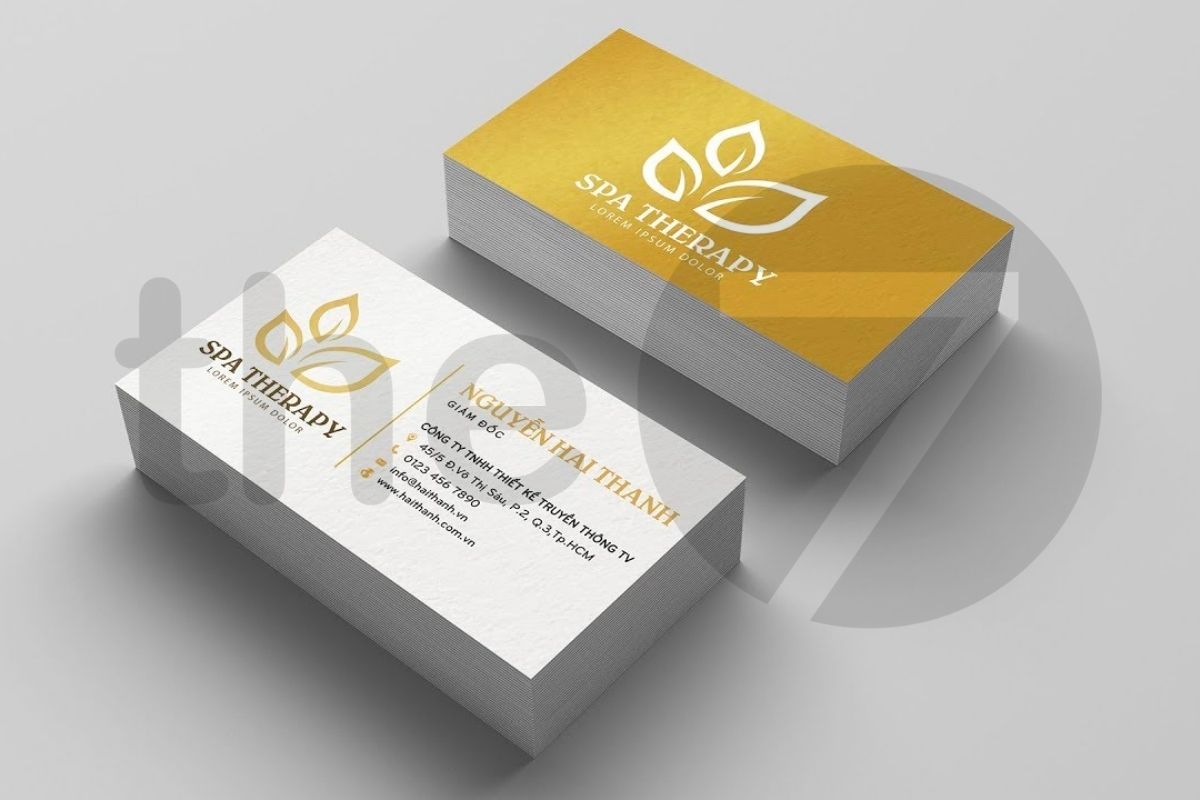
Business cards: Think of a business card as a small gift that helps potential customers remember you. A business card with your logo imprints your brand in customers’ minds and increases the chances that they will get back in touch with you.
Customer communications: Your business’s logo should appear on every channel you use to communicate with customers, such as emails, newsletters, advertising campaigns, and messages.
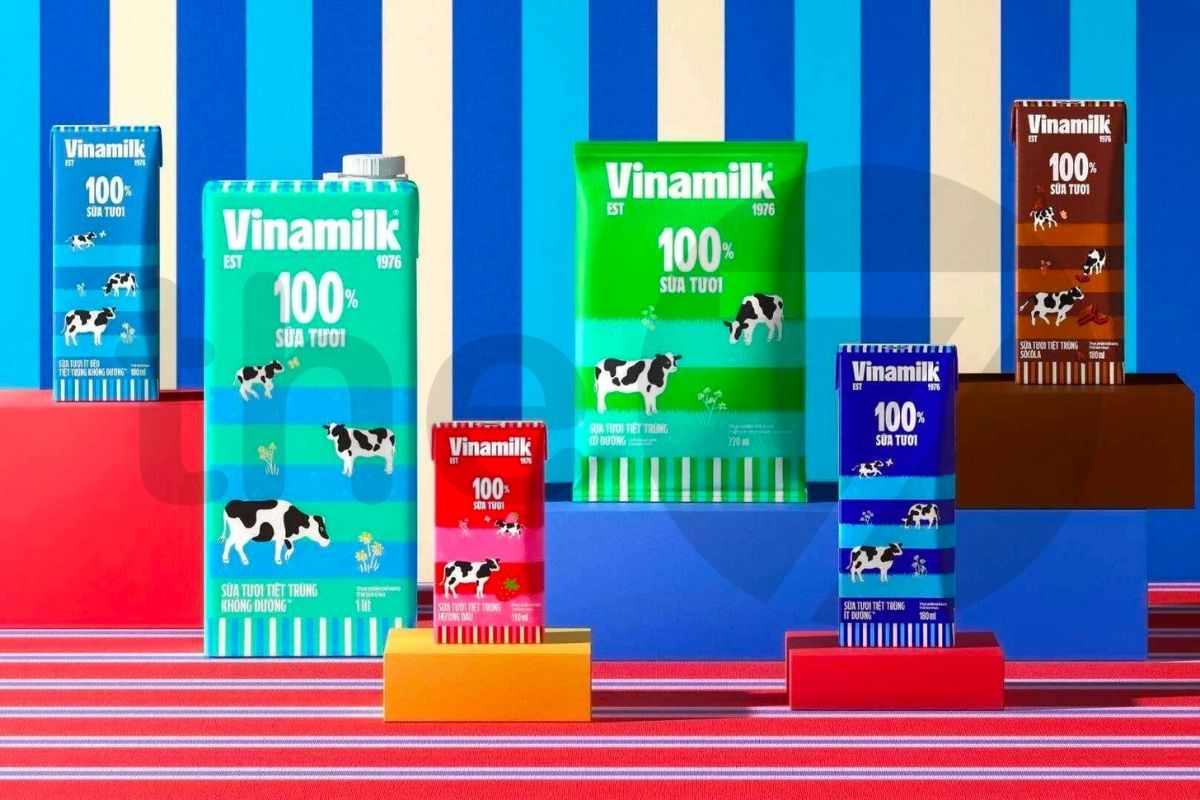
Product packaging: Printing your logo on all products and goods is an effective way to raise brand awareness, as well as build customer trust and loyalty. When someone walks down the street carrying a product printed with your company’s logo, that is an inexpensive yet extremely effective form of advertising.
Social media: Make sure your logo appears on all social media channels to build your brand presence and take advantage of the wide reach of these platforms.
Internal use: A logo plays a role in promoting internal company culture. From emails and presentations to employee training sessions, the logo should be displayed to emphasize identity and unity. At the same time, a business needs to explain the meaning and values behind the logo to its employees so that everyone works toward the company’s shared goals.
What Role Does a Logo Play for a Business?
A Logo Shapes Brand Identity
A quality logo not only sets your business apart in the market but also gives customers important information about your company. A logo can communicate your industry, the services you offer, and your brand’s core values to your target audience, helping customers understand your business better.
A Logo Boosts Brand Awareness
A logo can create powerful visual associations with a business in customers’ minds. This connection not only helps customers remember your brand for a long time but also affirms your business’s presence in the market.
Take well-known brands like Apple, Nike, or McDonald’s: their logos have become so familiar that they can be recognized even without the brand name beside them.
A Logo Attracts Customers and Increases Sales Revenue
Attractive, distinctive logo designs can easily capture consumers’ interest, making the sales process smoother and driving growth in your revenue. When a logo leaves a deep impression in customers’ minds, they are highly likely to choose your business’s products first.

A Logo Effectively Builds Brand Loyalty
Consumers tend to trust and choose new products from a brand that has satisfied them before, thanks to recognition through the logo. That is why a brand logo should be designed to stay consistent and durable over time, so customers can easily recognize it and confidently choose a product just by looking at the logo.
A Logo Keeps Your Brand Consistent and Connected Across All Media
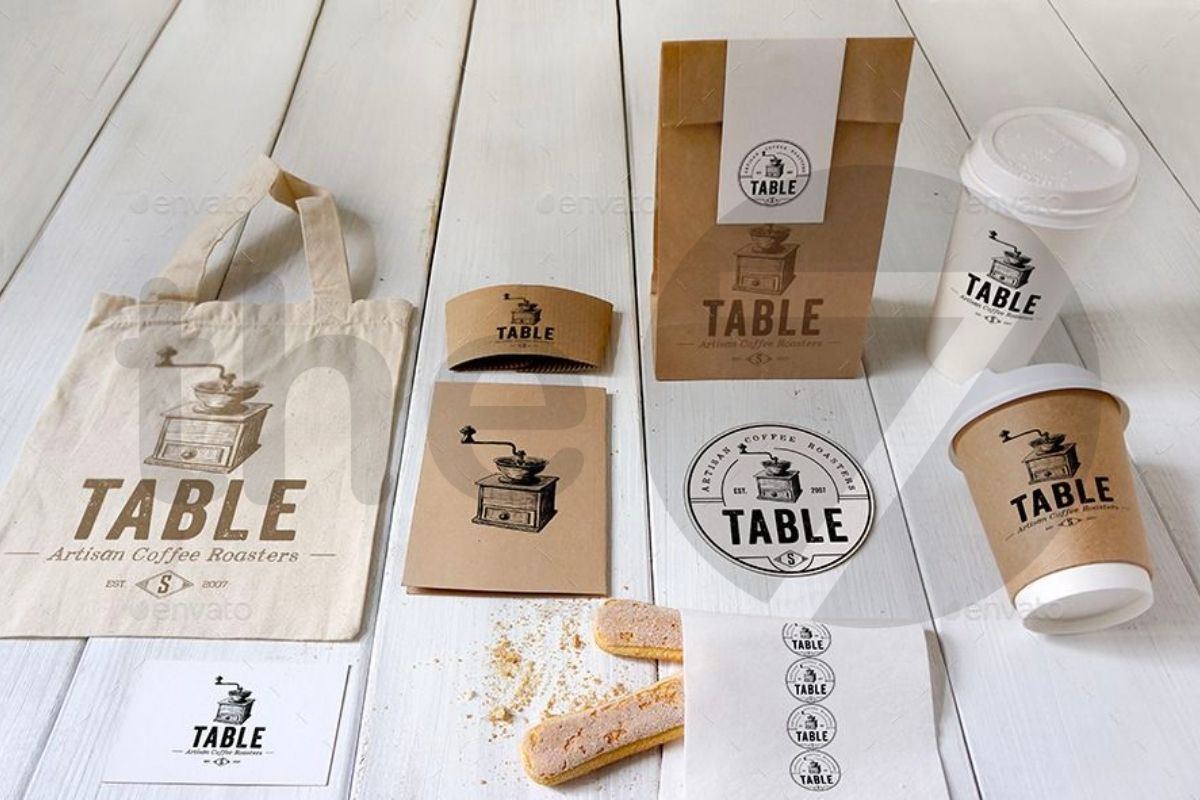
To build a strong brand, a business needs to use its logo consistently across all marketing materials, product packaging, media channels, website, and even outdoor advertising. Consistency strengthens brand promotion, creates a tight link between the brand’s image and its message, and ensures customers recognize the brand everywhere.
A Logo Shows a Business’s Vision and Strength
A logo affirms a brand’s professionalism and strengths, helping build trust and respect from customers. A well-designed logo takes brand value to a new level. However, to achieve this, the logo must be designed creatively and distinctively, and it must be closely tied to the business’s identity and core values.
A Logo Helps Your Brand Compete With Rivals
A logo is a key element for strengthening a business’s competitiveness in the market. This is especially important in consumer goods, where customers often make purchasing decisions in a short amount of time. A logo and product packaging with a distinctive, eye-catching design can significantly increase the chances that your product is chosen over competitors’ products.

The Meaning of Different Symbols in a Logo
In logo design, each symbol has its own meaning, representing the role and mission the brand wants to convey to its target customers. The meaning of each logo symbol includes:
- Sun (Circle): This symbol represents eternal vitality, glory, and rebirth, giving viewers a sense of trust and perfection.
- Triangle: Symbolizes balance, durability, and majesty, like mountains.
- Square: According to the ancient Vietnamese belief of “round sky, square earth,” the square represents stability and peace.
- Star: Represents dreams, the aspiration to reach for the future, and the best things in life.
- Cross: A symbol of healing, commonly seen in the logos of medical and pharmaceutical organizations.
- People: Expresses exploration and reaching toward something new and better in the future.
- Animals: Each animal chosen for a logo reflects the distinctive personality of the brand.
- Plants: A symbol of vitality, freshness, and youthfulness.
- Arrow: Means moving forward, conquering, and growing.
- Lightning bolt: Symbolizes decisiveness, strength, and a hunger for victory.
- Cloud: Expresses lightness, subtlety, and freedom.
- Waves: Often used in logos related to the sea, expressing refinement and depth.
- Heart: Symbolizes love, care, and warmth.
- Tools and equipment: Chosen depending on the field of operation, showing the business’s function and goals.
- Shield: Signifies protection, shelter, and a determination to fight.
- Crown: Symbolizes prestige, class, and power, and is often used in the logos of premium brands.
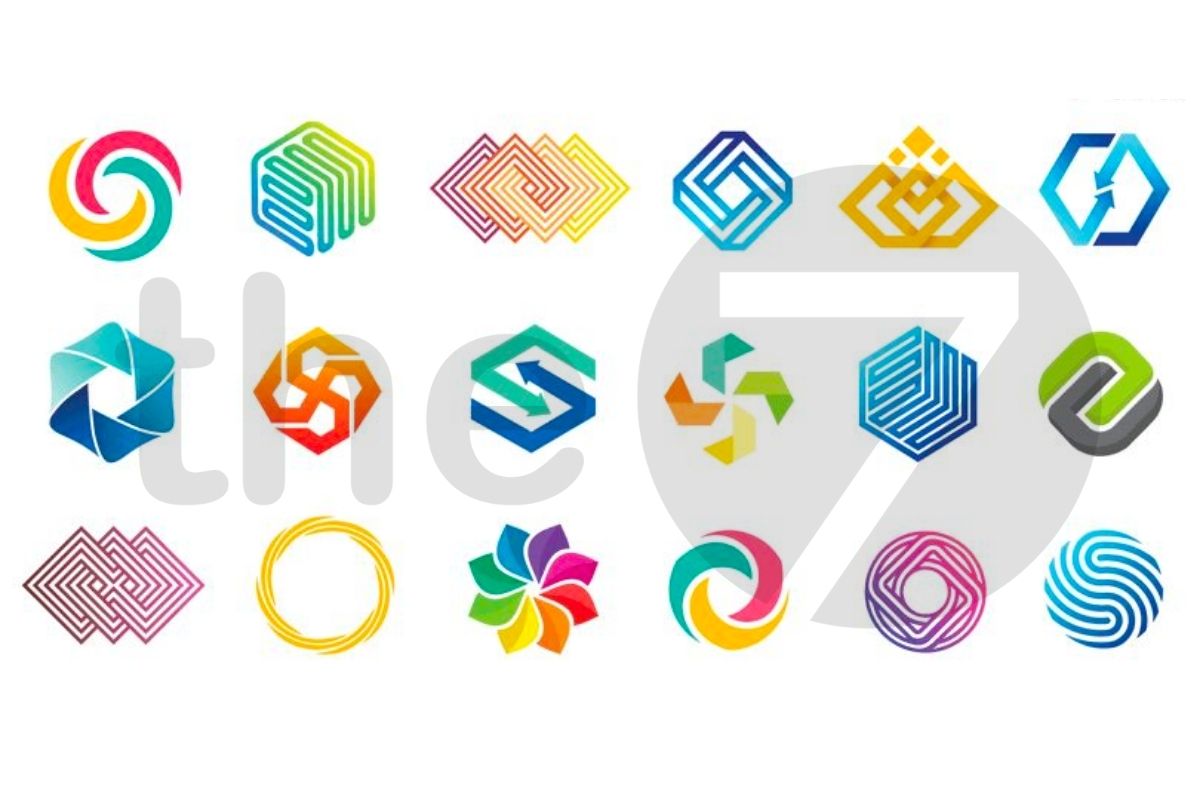
Key Characteristics of Basic Logo Design
According to Al Ries and Laura Ries (1998), Alycia Perry (2003), and other brand experts, a brand logo that wants to succeed and convey a business’s message accurately needs to follow several important criteria:
Logo Requirements
Distinctive: A logo needs a unique design that makes a strong impression and is easy to tell apart from other logos on the market, which also improves the business’s chances of legal protection.
Simple and memorable: A simple logo with few details and no visual clutter makes the brand easy to remember, strengthens its promotion across many platforms, and makes a strong impression on consumers.
Adaptable: A logo must be flexible enough to suit many different cultures and languages, ensuring the brand can expand globally.
Meaningful: A logo should carry a meaningful story, which may relate to the brand’s origins and the value it brings to customers and the community.
Logo Form
- Typography: The logo’s font should reflect the brand’s character and personality, including uppercase and lowercase letters, weight, and text color. Depending on its goals, a business can use the brand’s full name or its abbreviation in the logo.
- Imagery: The imagery in a logo should be simplified but still characteristic of the business’s products or services, helping viewers easily connect with and remember the brand.
- Tagline: A short tagline of 5-7 words that accurately describes the brand and ties into its core values will give customers a clearer and deeper view of that brand.
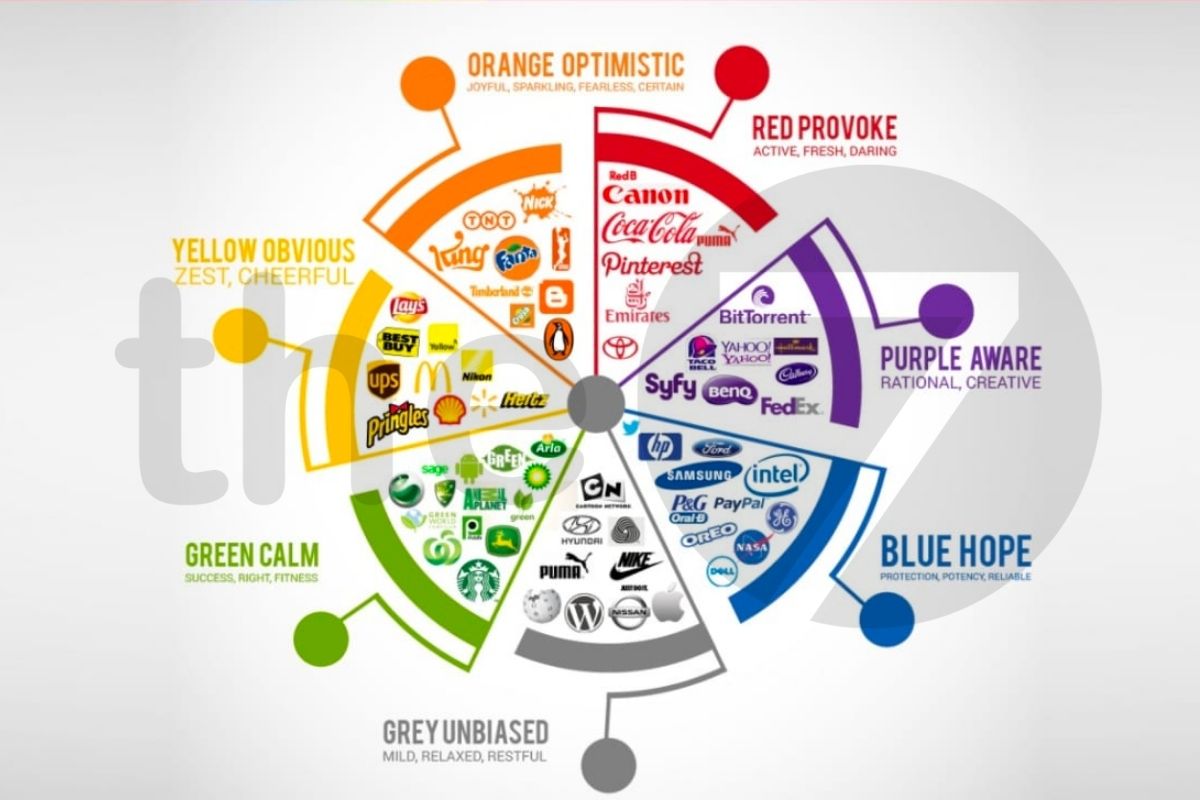
Logo Colors
Colors can be chosen based on harmony or mutual generation under the yin-yang and Five Elements philosophy, suited to the nature and field of the business:
Metal: Suitable for government offices, banking, finance and accounting, technology, architecture, and so on.
Wood: Fits schools and education, floristry, fashion, tourism, public services, and so on.
Water: For cleaning services, recruitment, beauty care, healthcare and therapy, and so on.
Fire: Ideal for studios, restaurants, coffee shops, retail stores, sports companies, and so on.
Earth: Suits construction, restaurants and hotels, real estate, agricultural companies, and so on.
Tips for Designing a Professional Brand Logo
To build a strong, professional brand, a business should follow these principles when designing its logo:
- Create an exclusive logo design, not a copy: A logo must be unique and not resemble any competitor’s. Making sure your logo is one of a kind is a way to show credibility and professionalism. If a business cannot design it on its own, it should work with a professional design studio.
- Choose an impressive and distinctive logo design: Communicate your ideas and requirements clearly to the designer, or seek out reputable designers to make sure the logo is eye-catching and unique.
- Match your product and your customers’ tastes: Research your product and your target customers’ preferences thoroughly to make sure the logo accurately reflects their characteristics and favorite colors.
- Convey the business’s message accurately: A logo must reflect the spirit and message the brand wants to send, helping customers clearly understand the brand’s value.
- Make it print-friendly: A logo must be designed so it prints easily on different materials and publications without losing detail, while staying consistent across every print run to show the brand’s credibility and professionalism.
- Use contrasting tones: In practice, using contrasting colors grabs attention immediately and is considered one of the most effective techniques in graphic design, including logo design in particular and brand identity building in general.
The Meaning Behind Famous Brand Logos Today
Google: The Google logo comes from a play on the word “Googol” in Latin, a mathematical term coined by Milton Sirotta, the nephew of mathematician Edward Kasner. A googol means 10 to the power of 100, symbolizing infinity and the enormous amount of information Google provides to people.
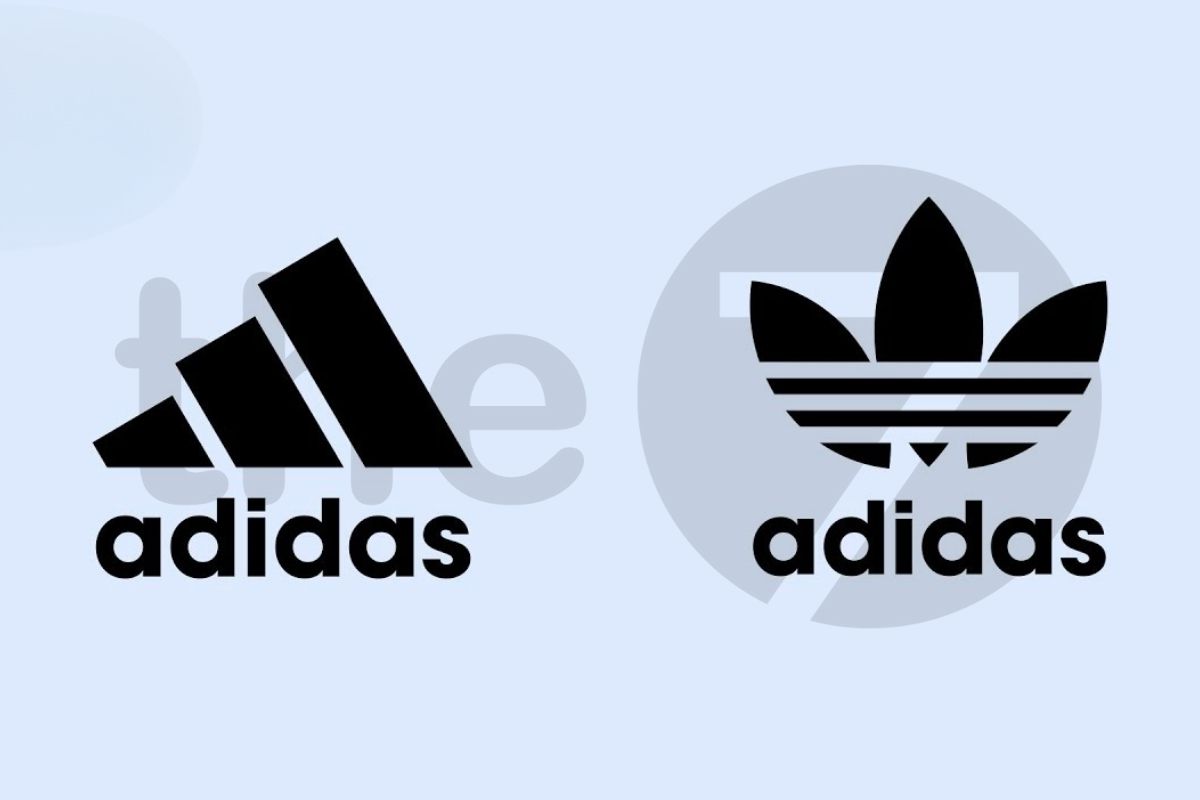
Adidas: The Adidas brand is named after its founder, Adolf Dassler. The Adidas symbol consists of 3 stripes forming the image of a mountain, representing the challenges and difficulties athletes must overcome to reach their goals.
Mercedes-Benz: The Mercedes-Benz logo consists of 3 circles, representing 3 important elements in the world of engines: land, water, and air. The circle was originally designed as a laurel wreath but has been simplified to suit the modern era.
BMW: The BMW logo is inspired by the blue propeller of Bavaria, Germany, symbolizing movement and the way two propeller blades looked on airplanes in the 20th century. When pilots sat in the cockpit and looked up at the sky, the two blades formed 4 equal parts, with 2 blue parts representing the beautiful Bavarian sky.
Chupa Chups: The Chupa Chups logo features a bright daisy design and eye-catching colors, not only to attract customers’ attention but also for a special purpose. The logo is placed on top of the candy when it is wrapped, to make an impression on buyers when they unwrap it.

What Is the Difference Between a Trademark and a Logo?
|
Feature |
Trademark |
Logo |
| Definition | A sign that distinguishes the goods or services of one business entity from those of other business entities. | A symbol or image that represents a brand, helping to identify the brand and set it apart from competitors. |
| Form of expression | Can take the form of letters, words, images, drawings, three-dimensional shapes, or a combination of these elements. | Usually takes the form of an image, a symbol, or a combination with text. |
| Function | Distinguishes goods and services and protects intellectual property rights. | Identifies the brand, makes an impression, and attracts customers. |
| Exclusivity | Protected by intellectual property law. | May not be exclusively protected unless copyright or intellectual property is registered. |
| Level of detail | Can be more detailed and complex. | Usually simple, easy to recognize and remember. |
| Examples | Coca-Cola, Nike, Apple | The Nike Swoosh logo, the Apple logo shaped like a bitten apple |
A logo is not just a visual image; it also holds a great deal of information a business wants to convey to its customers. We hope your business can use this knowledge to develop and design a logo that represents it well and meets your needs and goals. If you need full-service marketing for your business, contact The7 right away for prompt consultation and support.

Nguyễn Đình
Bảo



As CEO of The7, I am committed to sharing practical, useful knowledge with every reader. Every article on The7 is based on my 7 years of hands-on experience in marketing — Facebook advertising, LinkedIn advertising, Google advertising, and marketing strategy. I hope you take away plenty of insight from these posts and apply it successfully in practice.
Related Articles
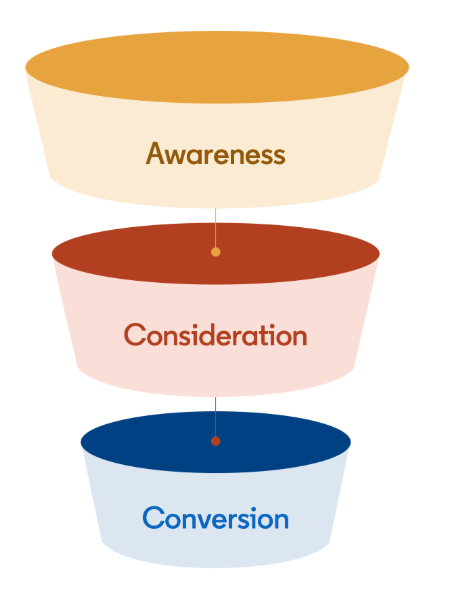
Building a Full-Funnel Content Marketing Strategy on LinkedIn
Table of Contents Toggle Why Build Content Marketing for the Full Marketing Funnel? (Why Full-Funnel Content Marketing?)Creating Your Strategy (Creating Your Strategy)Implementing Your Content Strategy (Rolling out your content strategy)Summary...
Designing Creative Content for LinkedIn
Table of Contents Toggle Why Is Good Creative Content So Important? (Why is Good Creative Important?)Key Components of Creative Design (the core elements of creative design)Summary (summary) Why Is Good...
Building an Organic Business Presence on LinkedIn With a LinkedIn Page
Table of Contents Toggle Why Have a LinkedIn Page?Establishing Your LinkedIn PageKeeping Your LinkedIn Page ActiveThe Measure of SuccessSummary About LinkedIn Page (Summary) Why Have a LinkedIn Page? For a...
6 Best LinkedIn Marketing Strategies for B2B in 2026
Table of Contents Toggle LinkedIn 2026: Where B2B Decisions Get MadeStrategy #1 – Why Is LinkedIn the Best B2B Marketing Channel Today?1. Decision-makers are concentrated here2. Users are in work...

7 Social Media Trends for 2026: The Era of Real Value, Real Conversion, and Real People
Table of Contents Toggle Social media is entering the biggest restructuring of the decadeTrend 1: Why is buying directly in-app becoming the new standard for 2026? (On-Platform Conversion)What should businesses...
What Is TikTok Marketing? Effective TikTok Marketing Strategies
TikTok has been topping the global rankings of the most downloaded and most visited apps. That makes it a gold mine for marketers who love creativity. In this article, The7...