


The Complete A-to-Z Guide: How to Create a Professional Blog for Beginners

In today’s digital age, creating a blog is not just a way to share personal ideas and experiences. It is also a chance to build a personal or business brand online. But with a huge amount of information and new technologies appearing all the time, getting started can feel complicated for beginners.
This article walks you through the process step by step, so you can create a professional blog and start sharing your ideas, feelings and thoughts easily and effectively.
What Is a Blog?
Looking back, blogs first emerged as personal online diaries in the late 1990s and early 2000s. It was a playground for “bloggers” – passionate writers – who shared their thoughts, stories and ideas. From 2009 onward, blogs were typically written by individuals or small groups.
Contrary to many predictions, blogs took a remarkable turn from 2010 to today. Thanks to the rapid growth of social media, blogs have become an important hub for both individuals and businesses. Their flexible integration across many platforms has turned blogs into a trusted source of information, even blurring the line between them and mainstream news sites.

Born from personal online diaries, blogs have now become an important platform that helps businesses engage with customers. Compared with a website, a blog stands out for its varied, frequently updated content, which offers a more personal and engaging experience.
Blogs today come in many forms, from art blogs, photography blogs, vlogs, and podcasts to education blogs. Each type has its own flavor and meets the different needs and interests of users.
5 Steps to Create an Effective, Professional Blog
From choosing the right platform to building compelling content, the detailed guide from Zafago JSC will help you step into the world of blogging with confidence and achieve the success you are hoping for.
Step 1: Choose a Domain Name and Connect It to Hosting
Choosing your domain name and hosting from the same provider makes everything easier to manage, speeds up integration and gives you all-in-one support. Payment also becomes simpler and more convenient.
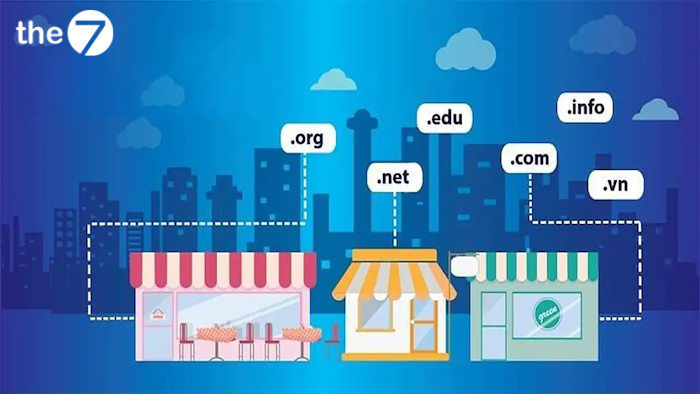
A domain name matters because it is the first thing that creates an impression on readers.
Choosing a Domain Name
A domain name plays a vital role in making a first impression on readers. A professional, memorable name with a common extension such as .vn or .com will make your blog look far more credible and appealing than a long, hard-to-remember name or one carrying the branding of a free hosting service.
Invest in a quality domain name from the very start of your blog. It will save you trouble later and show how serious and professional you are about your field.
Choose a domain name that is short, concise and relevant to your blog’s content. This makes it easy for readers to remember and to find your blog online.
Connecting to Hosting
Are you building a website of your own? Think of a website as a house, and hosting as the solid foundation that lets that house stand and grow. Choosing a reputable hosting provider brings you many practical benefits:
- Free domain name: Getting a free domain name for the first year saves you money and makes it easier to build your website’s brand.
- Strong security: A free SSL (Secure Sockets Layer) certificate protects your website from cyber threats and keeps your information and your customers’ information safe during online transactions.
- Easy WordPress installation: With a free WordPress installation service, you can build a website quickly without any programming knowledge.
- Reasonable cost: Reputable hosting providers usually offer competitive prices that fit every need and budget.
- 24/7 support: A professional customer support team is ready to answer your questions and help you anytime, anywhere.
Step 2: Connect Your Website and WordPress
WordPress is the “king” of blog and website building, and Zafago also uses this platform for its own projects. However, WordPress’s wide range of features can leave beginners feeling overwhelmed.
Don’t worry! Experimenting and installing a few plugins will help you get familiar with the tool and eventually master it. Once you get past the initial stage, you will find designing with WordPress easier and more enjoyable than ever.

In fact, Zafago has tried many different platforms, but WordPress has always been the top choice because of the flexibility and effectiveness it delivers.
Step 3: Choose a Theme
Once your WordPress foundation is solid, it’s time to “dress” your house by choosing the right theme.
Go to “Appearance” -> “Themes” in the left-hand toolbar and you will find a huge library of free and paid themes. Keep in mind, though, that free themes are often limited in features. If you want a professional, high-end website or blog, consider investing in a paid theme or a custom-designed one.
For a theme purchased elsewhere, just follow a few simple steps: go to “Appearance” -> “Themes” -> “Upload” -> “Upload Theme” and upload the theme file you bought.
Flatsome is one of the most popular and best-loved WordPress themes today. It offers many ready-made layouts and templates, so you can create unique, varied websites in no time.
Whether you need a full-page layout, a category layout or a product layout, Flatsome covers them all with refined design, sensible organization and an experience optimized for users.
Here are two templates customized from the Flatsome theme:
- A news blog design built with the Flatsome theme.

- A sales-focused design built on the Flatsome theme.

Step 4: Install Plugins
WordPress plugins are “smart tools” that help you optimize your blog. Like apps on your phone, plugins provide useful features that improve how your website performs.
To discover new WordPress plugins, go to the left-hand menu and select “Plugins” -> “Add New”. WordPress will suggest the most important and popular plugins. Take the time to explore them and choose the ones that best fit your needs and goals.
Step 5: Test It Out
Once the preparation steps are done, take the time to “nurture” your website through this important stage.
Start by writing and publishing a few test posts. This is your chance to review the overall look of your blog and make sure everything runs smoothly and accurately reflects your ideas and style.
Adjust the theme and install additional plugins that improve the user experience and give your blog the best possible look.
At this stage, draw inspiration from the blogs and websites you love and try applying a few distinctive designs to your own blog.
Most importantly, don’t forget to gather feedback from readers on both the content and the look of your blog. This feedback will help you refine the blog in the right direction and meet your readers’ needs and expectations.
Things to Keep in Mind When Creating a Blog
Research Your Audience
When you start building a professional blog, thorough research into your audience is essential. To clearly define the audience your blog is aimed at, consider these questions:
- Who are you creating your blog for?
- Who are the main readers you want to attract?
- What are this audience’s defining characteristics, and what do they care about?
Building a complete profile of your target audience will help you analyze and accurately target potential users who could become your customers in the future.
Build a Content Plan for Your Blog
Building a specific, detailed content plan for your blog is key to getting strong results. Here are the things to consider as you plan:
- Target audience: Clearly identify who you want to bring to your blog.
- Content types and topics: Decide which topics or content types you will focus on developing and which will appeal to readers.
- Publishing schedule: Set specific times and schedule your posts to stay consistent and keep readers interested.
- Growth and promotion channels: Identify the right channels to spread and promote your blog’s content.
- Mission and goals: Clearly define your blog’s mission and goals, both short-term and long-term.
By finalizing your editorial and publishing plan, you can easily keep track of your posts and make sure your blog keeps growing with interesting, engaging ideas for readers.

Research Your Competitors
Researching what your competitors are doing will give you more ideas for creating content for your blog. Choose suitable competitors: blogs with the same target audience and field, but a different approach and style, so you can learn from them and find more ideas. Then study their articles, images and videos closely to assess how engaging, interactive and effective each piece of content is. Based on what you gather, you can filter out creative, original ideas with the potential to attract readers. Finally, develop content with its own identity by adding your own creative ideas and turning them into posts that fit your blog’s style and personality.
Learn About SEO
SEO (Search Engine Optimization) is an extremely important factor in building and growing a blog. To get the best results, keyword research and producing the right content are essential. This effectively increases organic traffic to your website and blog.
You need to master keyword research so you can develop content in the right direction. At the same time, understanding how search engines evaluate and rank content will help you build an effective SEO strategy for your blog.
>>> See more: Optimizing Your Website with Semantic SEO
Posting Frequency
To build and grow a blog effectively, posting regularly and producing quality content are essential. In the early stage, publishing often helps attract readers and makes them familiar with your blog. Once you have a steady readership, you can adjust your posting plan to fit a schedule and frequency you can maintain.
You can use tools such as Google Keyword Planner, SEMrush and Answer The Public to research keywords and analyze trends. This helps you better understand which topics people care about, so you can come up with relevant, appealing content ideas for your blog.
Quality Content
To win readers’ interest, provide valuable content. Using a mix of formats such as how-to guides, listicles and thought-leadership articles makes your blog more varied and engaging. In addition, updating older posts is an important part of keeping information current and delivering your content as completely and effectively as possible.
Conclusion
On the road to a successful blog, a deep understanding of the basics of blog creation, and applying them wisely, is an indispensable factor. That means not only learning from experienced people but also being ready to explore and adopt fresh ideas and creative improvements that enrich your content and add value for readers.
Equally important are flexibility and a willingness to adapt to changes in the industry, new trends and advanced technologies. Embracing these changes not only helps your blog keep up with trends but also keeps it fresh and appealing to readers.
Most important of all, passion and perseverance are the core qualities that help you overcome every challenge and difficulty on your blogging journey. This commitment will help you not only build a loyal community of readers but also spread a positive influence to the wider online community.
By Agency Zafago
Source: Brands Vietnam

Nguyễn Đình
Bảo




As CEO of The7, I am committed to sharing practical, useful knowledge with every reader. Every article on The7 is based on my 7 years of hands-on experience in marketing — Facebook advertising, LinkedIn advertising, Google advertising, and marketing strategy. I hope you take away plenty of insight from these posts and apply it successfully in practice.
Related Articles
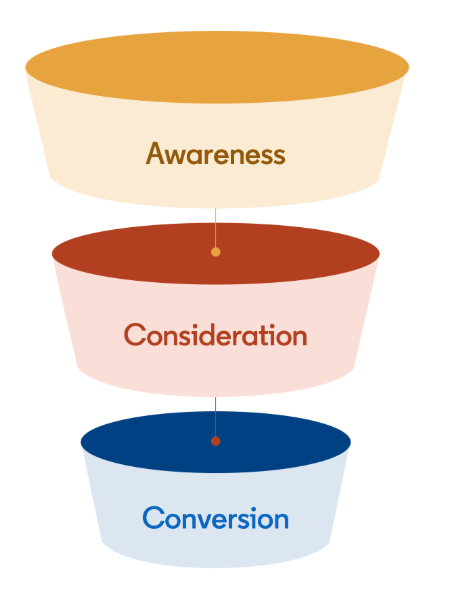
Building a Full-Funnel Content Marketing Strategy on LinkedIn
Table of Contents Toggle Why Build Content Marketing for the Full Marketing Funnel? (Why Full-Funnel Content Marketing?)Creating Your Strategy (Creating Your Strategy)Implementing Your Content Strategy (Rolling out your content strategy)Summary...
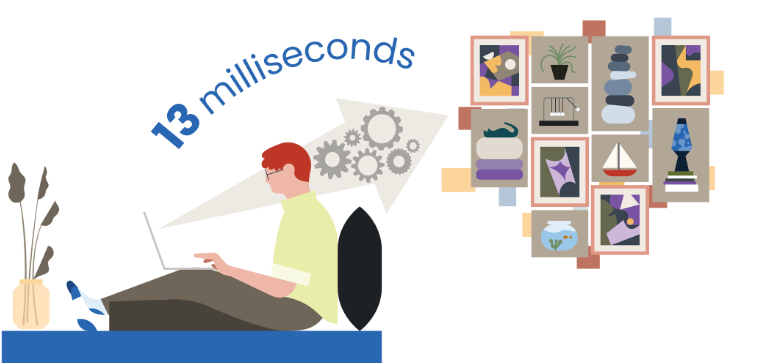
Designing Creative Content for LinkedIn
Table of Contents Toggle Why Is Good Creative Content So Important? (Why is Good Creative Important?)Key Components of Creative Design (the core elements of creative design)Summary (summary) Why Is Good...

Building an Organic Business Presence on LinkedIn With a LinkedIn Page
Table of Contents Toggle Why Have a LinkedIn Page?Establishing Your LinkedIn PageKeeping Your LinkedIn Page ActiveThe Measure of SuccessSummary About LinkedIn Page (Summary) Why Have a LinkedIn Page? For a...

6 Best LinkedIn Marketing Strategies for B2B in 2026
Table of Contents Toggle LinkedIn 2026: Where B2B Decisions Get MadeStrategy #1 – Why Is LinkedIn the Best B2B Marketing Channel Today?1. Decision-makers are concentrated here2. Users are in work...

7 Social Media Trends for 2026: The Era of Real Value, Real Conversion, and Real People
Table of Contents Toggle Social media is entering the biggest restructuring of the decadeTrend 1: Why is buying directly in-app becoming the new standard for 2026? (On-Platform Conversion)What should businesses...

What Is TikTok Marketing? Effective TikTok Marketing Strategies
TikTok has been topping the global rankings of the most downloaded and most visited apps. That makes it a gold mine for marketers who love creativity. In this article, The7...