


What Is a Target Market? 5 Steps to Identify Yours in Detail

Identifying the right target market is essential for every business. A business that can’t clearly define its target market will face many difficulties, and may even risk going under. Join The7 as we explain what a target market is and walk through the steps to identify one in the article below.
>>>> Explore The7’s services: Marketing Consulting Services
What Is a Target Market?
Target Market Definition
A target market is a group of target customers or consumers that a business aims to serve, advertise to, and market its products or services to.
A target market is defined by several factors such as age, gender, geographic location, income, interests, and more. These factors must ensure that the business’s strategy focuses on the group of people who are likely to buy its products or services.

Example:
KFC’s target market consists of two customer groups:
- Young customers: This group is aged 16 to 35, energetic, and eager to try new and unusual dishes at affordable prices. KFC typically uses marketing strategies that focus on entertainment and promotions for this group.
- Family customers: This group is aged 25 to 55, has a middle income or higher, and enjoys dining out with the family. For this group, KFC typically uses marketing strategies that focus on quality, pricing, and more.

Factors for Choosing a Target Market Strategy
The factors a business should consider when choosing a strategy focused on its target market include:
- Resources and business goals: Define your business target market and your resources so you can build a strategy for selecting a target market.
- Product homogeneity: Consistency between product and market is the key to an effective target market marketing strategy.
- Market homogeneity: Understanding the market helps you optimize your target market marketing strategy.
- Competitors’ marketing strategies: Studying your competitors’ strategies helps your business build an effective marketing strategy of its own.
- Your business’s competitiveness: Understanding your competitive strategy helps you adjust your target market marketing strategy.

Why Choose a Target Market?
A target market plays an important role in managing customers and effectively growing a business’s number of potential customers. Specifically:
- Understand customer needs: Focusing on a specific customer audience helps a business pinpoint their needs and wants, making the marketing process more effective and meeting the target audience’s requirements as fully as possible.
- Make your brand stand out: Marketing your product to your target customers helps your brand stand out from competitors, leaves a lasting brand impression, and encourages customers to choose your products or services.
- Improve products and services: Segmenting your target market helps your business understand its customers better. Through feedback and suggestions, you can improve the quality of your products and services to better meet the needs of your target audience.
- Improve customer relationships: Your business gains deeper insight into the strengths and weaknesses of its products and services, which strengthens its connection with customers and builds loyalty.
Steps to Identify a Target Market From The7
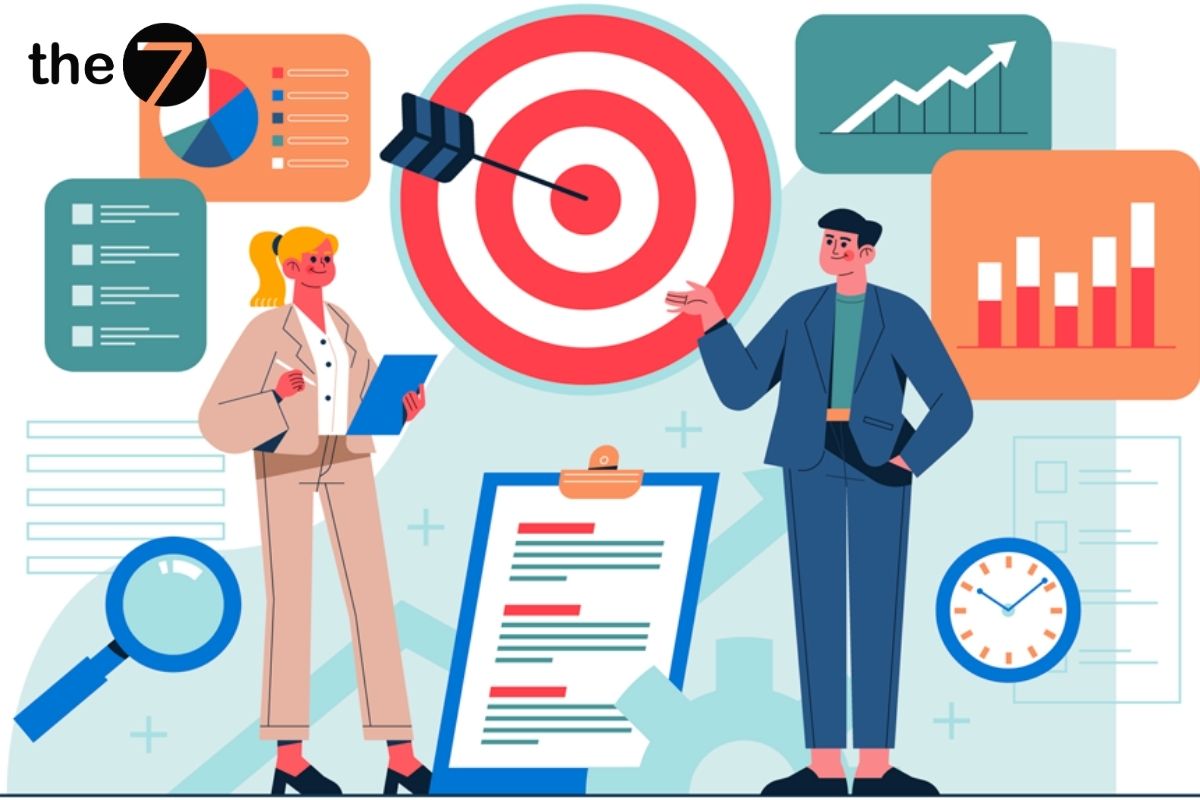
Most businesses today make mistakes when carrying out a marketing strategy aimed at the people interested in their business. To identify and select your target market thoroughly, you can follow these 5 steps:
Step 1: Identify Your Customers’ Problems
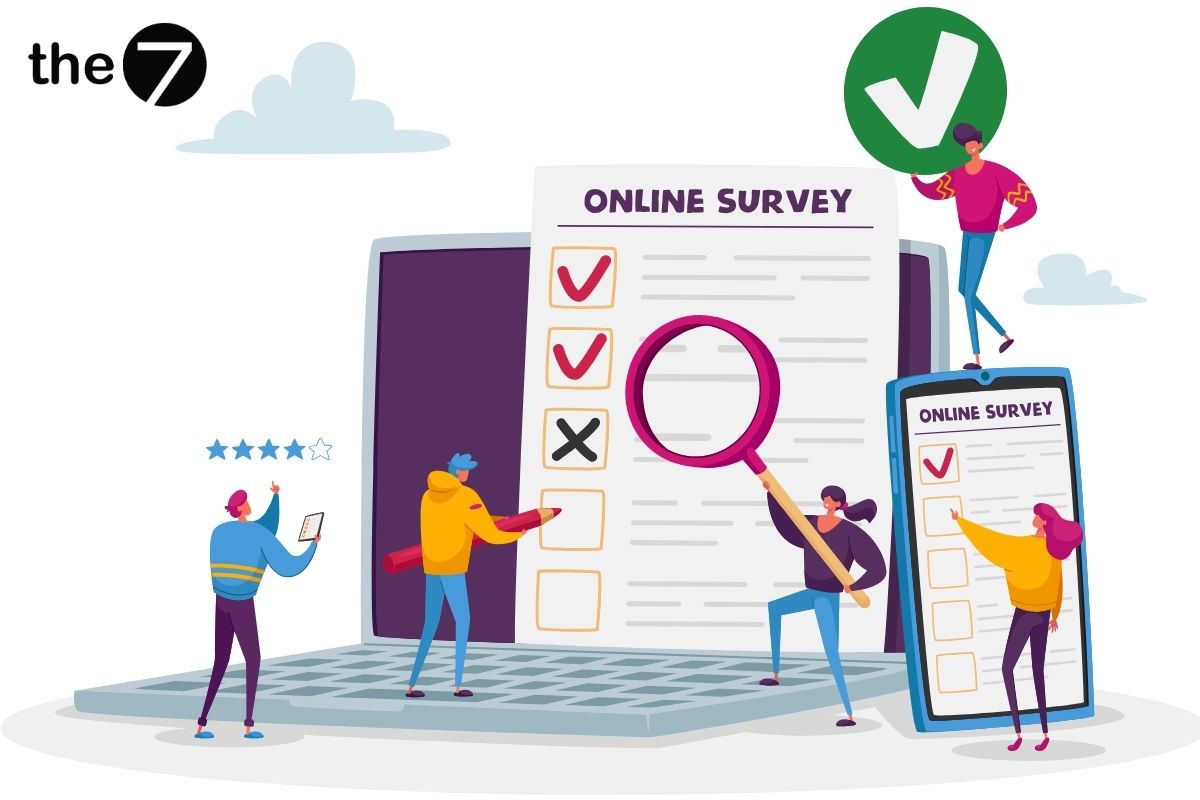
The first step in identifying your target market is to understand who your business’s current customers are and why they use your products or services.
When you analyze your target market and evaluate this data, you’ll get a detailed report on which customer segments contribute the most to your business, as well as which products or services attract them most. This helps you grasp customer insights and learn how to reach people with similar characteristics.

Step 2: Analyze Your Competitors
Competitor analysis is an important step that helps a business assess the strengths and weaknesses of its competitors relative to its own products or services.
Understanding your competitors not only reduces risk but also helps you define your market goals effectively. This way, your business can optimize costs and resources, create a competitive advantage, and move ahead of the competition.

Step 3: Evaluate Your Products and Services
As you reach out to your target audience, your business needs to take another look at the products and services it offers. Once you fully understand your product’s details, benefits, and features, you can build a strategy to attract new customers.
In addition, your business needs to understand customer expectations and satisfaction so you can create a marketing strategy that fits the company’s current position. From there, you can define your target audience and find the customers who gain the most value from your products or services.
Step 4: Go All In on a Niche Market
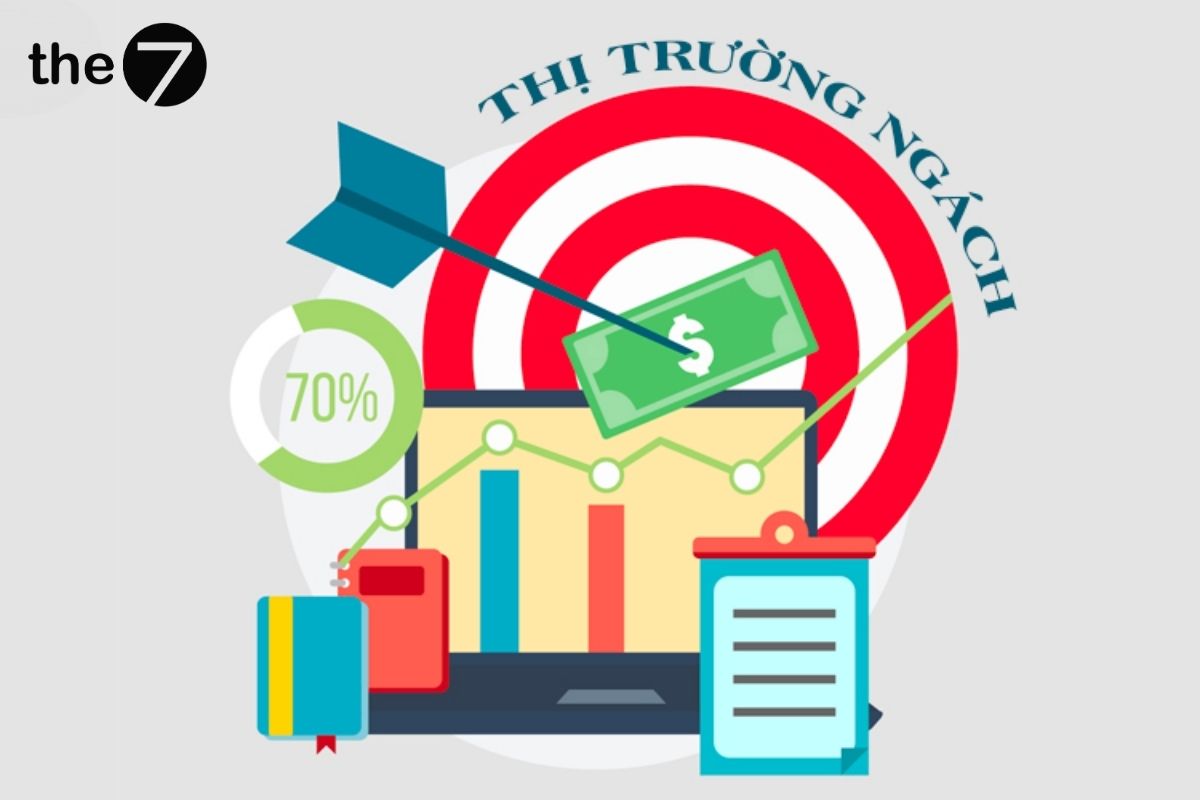
Today, most businesses focus on a niche market, meaning a specific group of people or a specific customer segment.
Clearly defining your niche market makes your target market strategy more effective and makes it easier to break into larger markets. As a result, your business can save on advertising budget, increase sales revenue, and build a base of customers loyal to your brand.
Step 5: Evaluate Effectiveness
Once your business has identified its target market, the next step is to evaluate how effective the chosen market is by answering the following questions:
- Are your customers getting benefits from the products or services your business provides?
- How satisfied are they after using your products or services?
- Are customers willing to spend money on your products or services?
- Do customers understand your business’s advertising messages?
- Which messages reach the most customers?
If your business receives positive feedback and high ratings for its products or services from customers in your target market, you’ve achieved early success in developing the market. However, when you face mixed reviews, you need to listen closely and take the feedback on board to fix problems, improve, and keep customers satisfied.
Factors for Evaluating a Target Market
Analyzing and evaluating market segments helps a business identify markets with the potential to expand into and enter. To evaluate these segments, businesses typically focus on analyzing the following issues:
Market Size and Growth Rate
Your business will collect, analyze, and assess the expected revenue and profit growth potential in each market segment. An attractive market is one with sufficiently large revenue and room to grow.
Market Attractiveness
Beyond the factors above, businesses need to analyze the market pressures that can affect their ability to operate, including:
- Threat from competitors: A market becomes less attractive when there are too many competitors, which creates fierce competition and reduces profitability.
- Threat from substitute products: A market becomes less attractive if too many substitute products appear. The rapid arrival of substitutes can limit your pricing power and profits.
- Pressure from buyers: Markets where customers hold significant influence, put heavy pressure on prices, and demand high quality can make the market less attractive and increase competition among businesses.
- Threat from suppliers: Pressure from suppliers, such as rising input prices, declining quality, or unreliable supply, is another issue that affects market attractiveness.

Business Goals and Resources
When choosing a target market, a business needs to set long-term goals and determine its resource capacity. Choosing a market within your resource capacity helps you avoid conflicts and ensures you can carry out a marketing strategy that outperforms your competitors. This lets your business stay focused and grow effectively within the resources it has, avoiding overly rapid expansion that can lead to failure.
Common Target Market Selection Strategies
Choosing a target market is one of the most important factors in planning an effective target market marketing strategy. Your business will identify and understand its ideal customers within each audience segment, creating the best opportunity to market and promote its products or services.
Choosing a Target Market by Geography
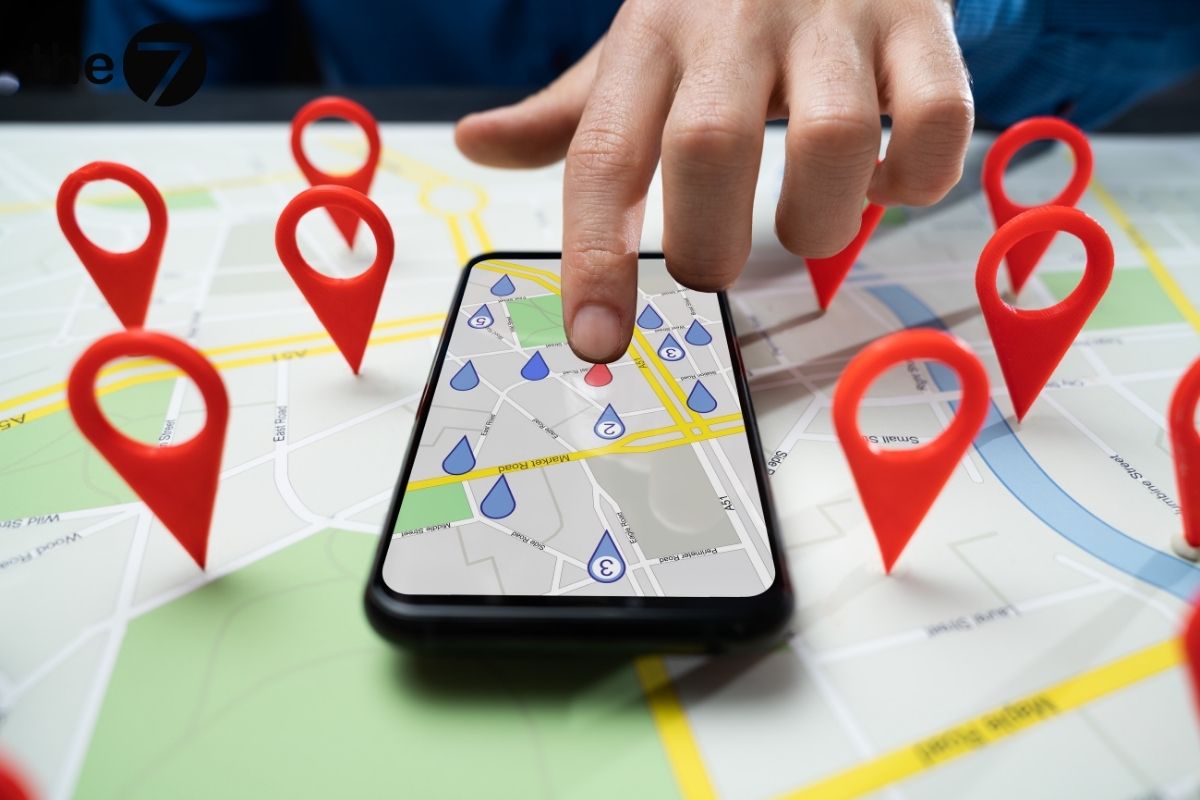
Segmenting a target market by geography is a simple method that many businesses choose. By describing the physical location of your target customers, your business gathers key information such as where they live, where they work, geographic characteristics, and more.
Examples of choosing a target market by geography include:
- Postal code
- Province or city
- Country
- Climate
- Urban or rural
Finally, your business needs to consider whether your target customers use your product or service in the same place where they buy it.
Choosing a Target Market by Psychographics
Sometimes customers fit a particular group not because of outward characteristics, but because of their inner attitudes and values. These are common psychographic characteristics. A psychologist can describe the inner personal qualities of the groups of people in your target market, including their interests, leisure activities, and preferred sources of information.

Choosing a Target Market by Demographics
Demographics is the process of identifying your customers’ target market characteristics based on categories such as age, gender, employment status, life stage, family structure, religion, and income.
The demographic factors businesses care about include occupation, education level, religion, ethnicity, marital status, income, and more.
For B2B businesses, demographic factors a business can analyze include organization size, industry, job title, and more.

Target Market Marketing Strategies
There are 3 common target market marketing strategies a business can choose from and apply:
Undifferentiated Marketing
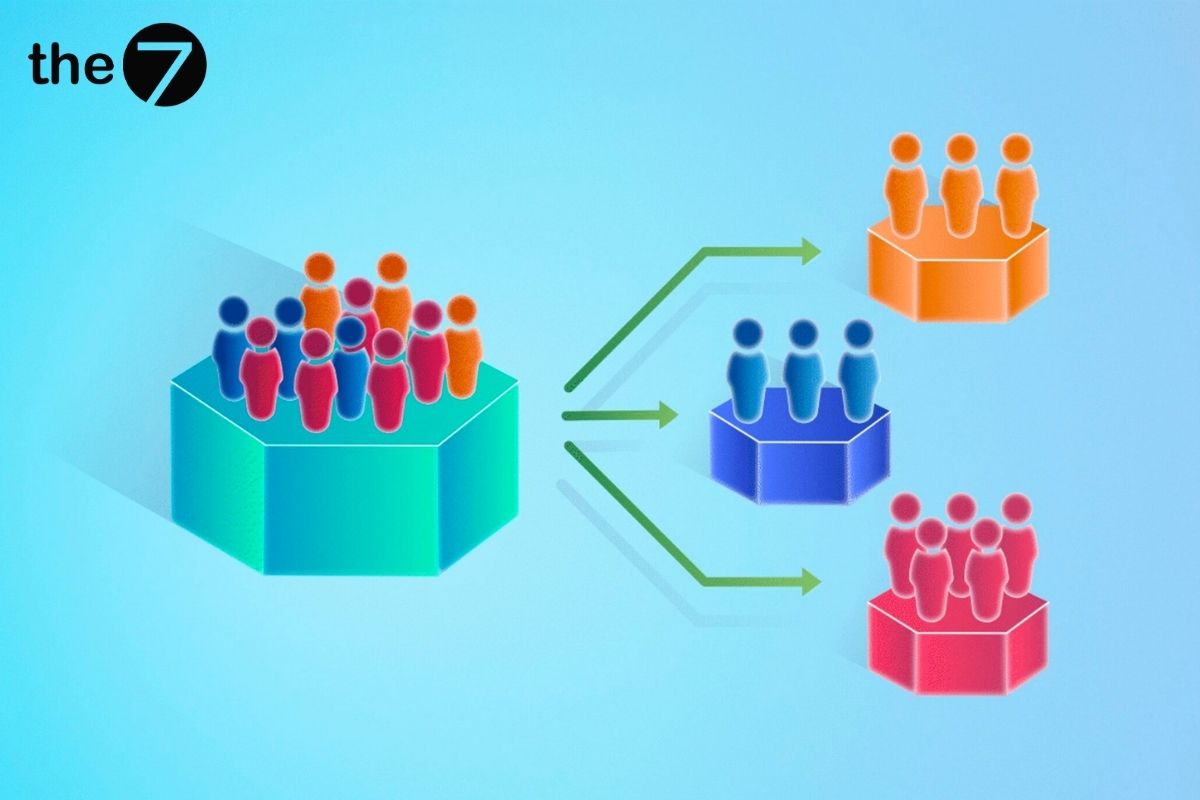
With an undifferentiated marketing strategy, your business focuses on covering the entire market and emphasizes what market segments have in common rather than how their needs differ. You create one type of product and roll out one marketing strategy designed to attract a large number of customers, mainly through mass distribution and general advertising. The goal is to build the product’s image in customers’ minds, which saves a great deal of cost.

Differentiated Marketing
Your business diversifies by segmenting the market and applying a different marketing strategy to each segment. A differentiated marketing strategy helps your business better meet customer needs in each segment, expand its ability to serve the market, and increase sales and market share.
Although this strategy brings many benefits, its drawback is that it demands a lot of resources (budget, people, and more), so your business needs a clear market strategy direction to balance resources and invest in effective marketing campaigns.
Concentrated Marketing
A concentrated marketing strategy is the choice where a business targets one or a few specific market segments to serve.
The advantage of this strategy is that your business concentrates all of its marketing resources on one or a few market segments, which optimizes performance and strengthens engagement with customers.
However, this strategy also has limitations, especially that a business’s growth depends too heavily on the chosen market segment. When the market fluctuates, it can seriously affect the business’s operations.
For this reason, many businesses today are shifting to a market diversification strategy to reduce risk and widen their business opportunities.
Things to Keep in Mind After Identifying Your Target Market
All your efforts in market research and evaluating your target market will be wasted if you don’t put them into practice and understand how to use them effectively. Based on the data you’ve collected, your business can build a marketing strategy that suits each specific target market.
After thorough research and rolling out your marketing strategy for the target market, your business also needs to make sure the target customers it’s aiming for can actually buy or use its products or services.

Target Market Examples
Nike’s Target Market
Nike targets many customer groups, including:
- Young athletes
Nike focuses on children who exercise regularly and take part in sports activities by partnering with sports federations and organizations, and it builds credibility through endorsements from famous sports stars such as LeBron James.
- Runners
Nike places a strong emphasis on runners and this market by focusing on developing new types of shoes and suitable products. Nike uses demographic and lifestyle information to determine the needs of its target audience.
Nike doesn’t just introduce new footwear. It also offers apparel designed specifically to support athletes who love running on the road, helping them stay comfortable and perform at a high level over long periods.

Apple’s Target Market
Apple’s success comes not only from understanding the value of each segment but also from its ability to integrate features harmoniously into a comprehensive marketing strategy. For its target market, Apple has built a flexible strategy by defining two main audiences:
- Tech enthusiasts
Apple holds this group’s attention by continually launching cutting-edge technology products.
In addition, Apple focuses on expanding its product portfolio from wearables to Apple TV and HomePods, creating a complete ecosystem of tech devices.
- People interested in health care devices
Apple has created a platform that provides medical information, as well as devices that help healthcare workers communicate more effectively with patients.

McDonald’s Target Market
McDonald’s target market includes many different customer groups. Among them, young customers are one of the market segments the fast-food chain focuses on most. McDonald’s franchise restaurants have been designed and decorated to offer a more visually appealing space with a strongly modern style that suits the tastes of the younger generation.
Families with a “full nest” and children over six years old represent another important audience for McDonald’s. The strategies and improvements franchisees make to attract this particular group show most clearly in the Happy Meal options the company offers.
However, one factor emphasized in most of McDonald’s target markets is social class. The chain is actively pursuing strategies to build credibility with customers from lower social classes, working people, and the middle class.

In short, a target market is not just a simple concept of choosing the right target audience. It is a complex process that demands sharp instincts, thorough information, and deep analytical ability from the business. Understanding your target market not only helps your business stay stable but is also the key to unlocking sustainable growth in today’s market.

Nguyễn Đình
Bảo




As CEO of The7, I am committed to sharing practical, useful knowledge with every reader. Every article on The7 is based on my 7 years of hands-on experience in marketing — Facebook advertising, LinkedIn advertising, Google advertising, and marketing strategy. I hope you take away plenty of insight from these posts and apply it successfully in practice.
Related Articles
Building a Full-Funnel Content Marketing Strategy on LinkedIn
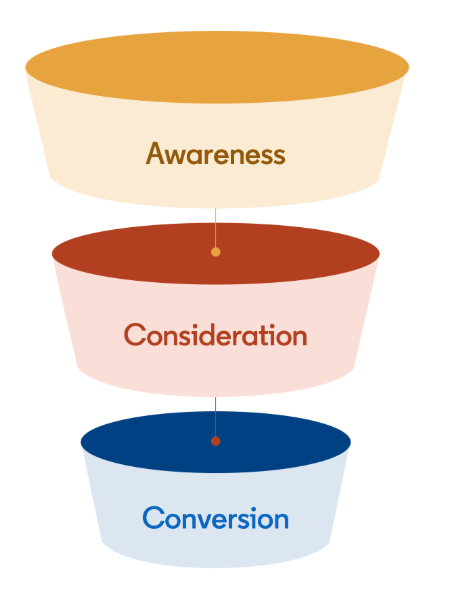
Table of Contents Toggle Why Build Content Marketing for the Full Marketing Funnel? (Why Full-Funnel Content Marketing?)Creating Your Strategy (Creating Your Strategy)Implementing Your Content Strategy (Rolling out your content strategy)Summary...
Designing Creative Content for LinkedIn
Table of Contents Toggle Why Is Good Creative Content So Important? (Why is Good Creative Important?)Key Components of Creative Design (the core elements of creative design)Summary (summary) Why Is Good...
Building an Organic Business Presence on LinkedIn With a LinkedIn Page
Table of Contents Toggle Why Have a LinkedIn Page?Establishing Your LinkedIn PageKeeping Your LinkedIn Page ActiveThe Measure of SuccessSummary About LinkedIn Page (Summary) Why Have a LinkedIn Page? For a...
6 Best LinkedIn Marketing Strategies for B2B in 2026
Table of Contents Toggle LinkedIn 2026: Where B2B Decisions Get MadeStrategy #1 – Why Is LinkedIn the Best B2B Marketing Channel Today?1. Decision-makers are concentrated here2. Users are in work...

7 Social Media Trends for 2026: The Era of Real Value, Real Conversion, and Real People
Table of Contents Toggle Social media is entering the biggest restructuring of the decadeTrend 1: Why is buying directly in-app becoming the new standard for 2026? (On-Platform Conversion)What should businesses...

What Is TikTok Marketing? Effective TikTok Marketing Strategies
TikTok has been topping the global rankings of the most downloaded and most visited apps. That makes it a gold mine for marketers who love creativity. In this article, The7...