


What Are Target Customers? Target Customer Analysis Strategy 2024

In any business plan, identifying your target customers is critical to the success of your company. It is the key that determines how effective your future marketing campaigns will be: target customers are the group of people a business aims to reach, the people most likely to become loyal customers and contribute significantly to sales.
>>>> See more of The7’s services: Marketing Consulting Services
1. What Are Target Customers?
Target customers are a specifically defined group of customers within your target market who use the products and services your business provides.
Identifying the right target customer audience is a key factor in the success of a company’s business strategy. Once a business has pinpointed this group, it can focus its resources and effort on optimizing its marketing and advertising strategy to attract and retain this audience. And when a business truly understands and meets the needs of its target customers, it can build a close, long-term relationship with them and, in turn, improve its business performance.

2. Why Target Customer Analysis Matters
Target customer analysis plays a decisive role in business strategy. It helps you optimize resources and create relevant marketing content, it lays the foundation for creating added value, and it keeps your business flexible in today’s business environment.
2.1 Optimize Your Customer Segment
When you clearly define who your target customers are, it becomes much easier to focus on connecting with that one group. Although brands often want to attract as many customers as possible, doing so can sometimes fail to leave a lasting impression and make it hard to focus on a specific audience.
Optimizing your target customer segment is an effective way for a business to optimize costs. Instead of spending energy and resources trying to appeal to the masses, a business can concentrate on one specific audience.
2.2 Understand Your Customers’ Problems
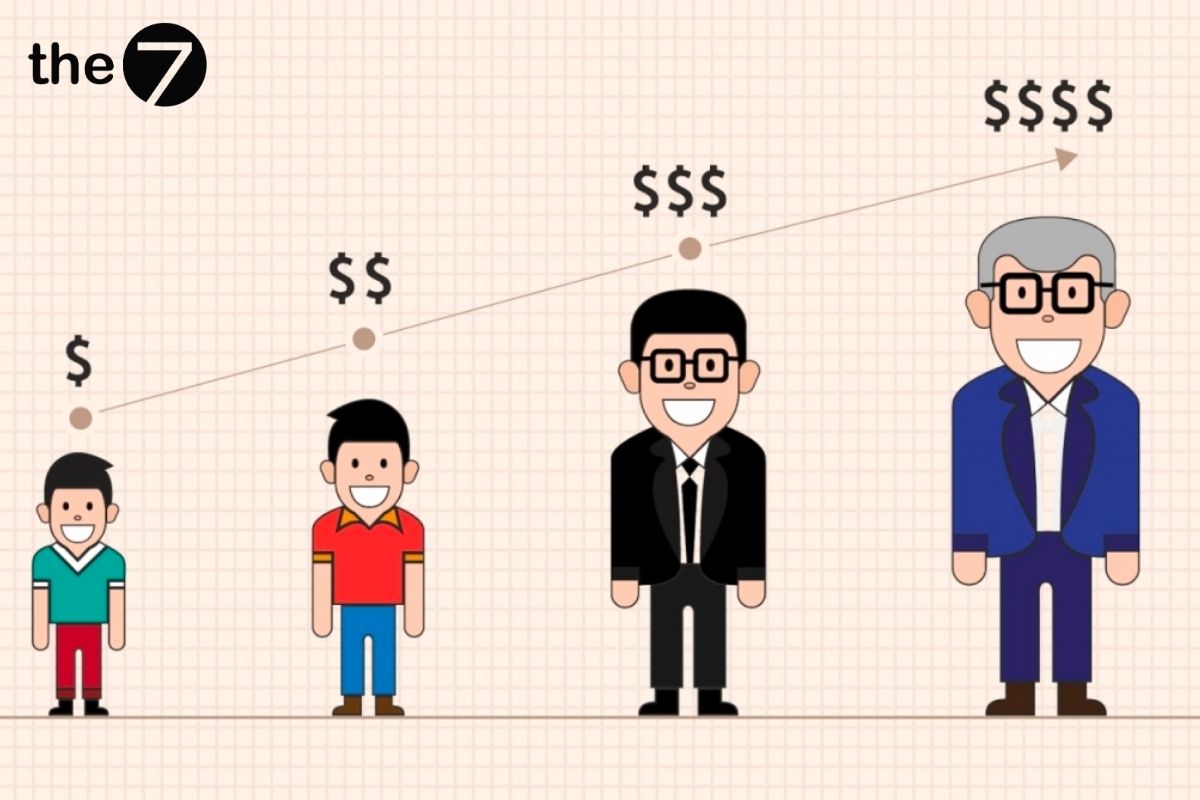
Putting yourself in your customers’ shoes builds empathy and makes your business strategy more human and more flexible. You gain a better understanding of how customers see things and what they value, so you can optimize your products and services to meet those expectations.
You are not just a provider of products and services, but a partner who walks alongside your customers, ready to listen and support them throughout their journey with your product or service. This creates a positive business environment and earns your customers’ loyalty.
2.3 Offer the Right Solutions
By turning customers’ problems into opportunities, a business can contribute positively to solving them and even improve the situation. Offering valuable solutions not only resolves the problem at the outset but also shows your company’s commitment to its customers. At the same time, by making clear the benefits your service delivers, you help customers recognize its real value and maximize their satisfaction.
2.4 Hit the Mark With Your Target Customers
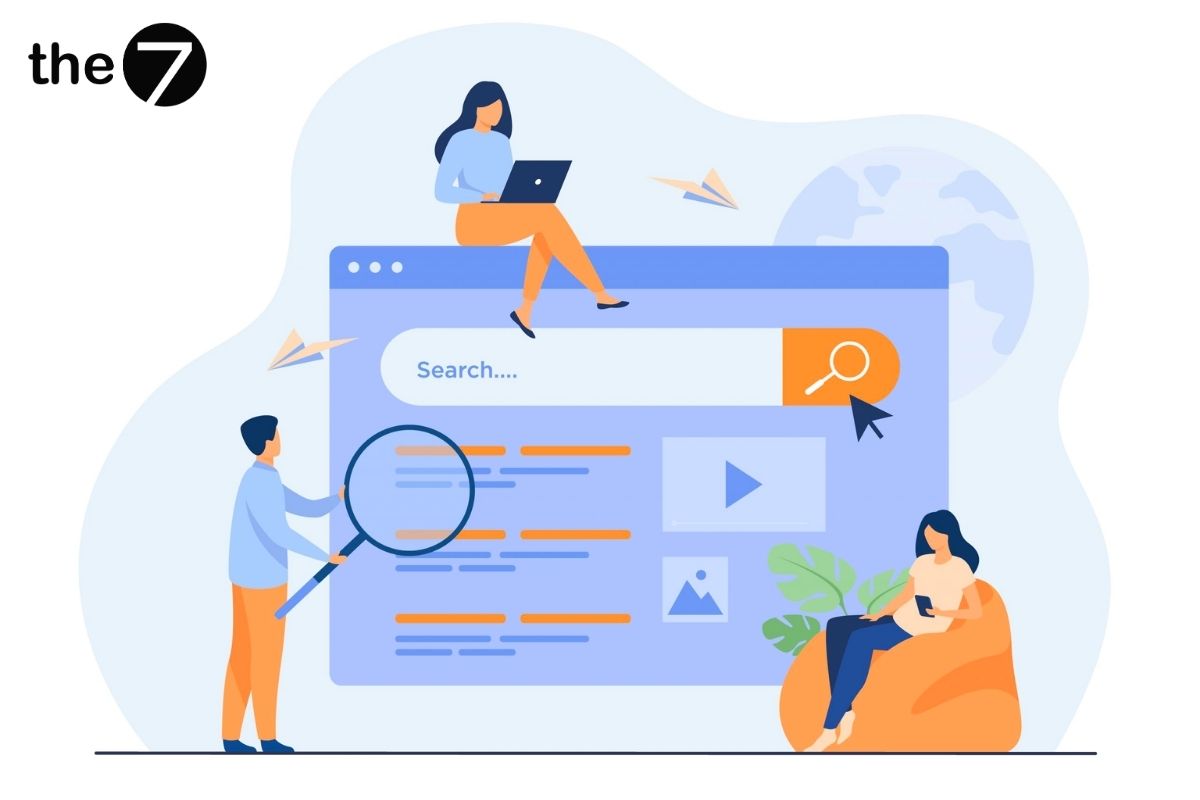
When you know your target customers well, you can step up your marketing activities and improve your products and services so they better meet every customer need.
You can use this opportunity to develop new products or create new, convenient service packages that address the current needs of your target customers, expand your market and attract new customers.

2.5 Build a Clear Brand Image
A professional image that makes a good first impression helps a business seize opportunities from the very beginning of its relationship with a customer. Customers usually feel more reassured and confident when they see professionalism and reliability from a business.

2.6 Get the Most Out of Your Resources
Failing to identify your target customer segment correctly can lead to wasted money. Advertising and marketing both require investment, and that money can be wasted if your marketing content does not reach the right audience, the people interested in your products or services. Clearly defining your target customers helps you adjust your marketing strategy and, in turn, optimize your advertising costs.

2.7 Create a Competitive Advantage
With an in-depth understanding of its target customers, a company can build highly effective marketing and advertising strategies that speak precisely to that audience’s needs and wants. This creates a strong bond, strengthens loyalty and keeps customers from drifting to competitors.
Overall, a company’s target customer base is not just a list of customers. It also acts as a barrier against rival companies in the same market.
3. A Target Customer Analysis Strategy to Increase Conversion Rates
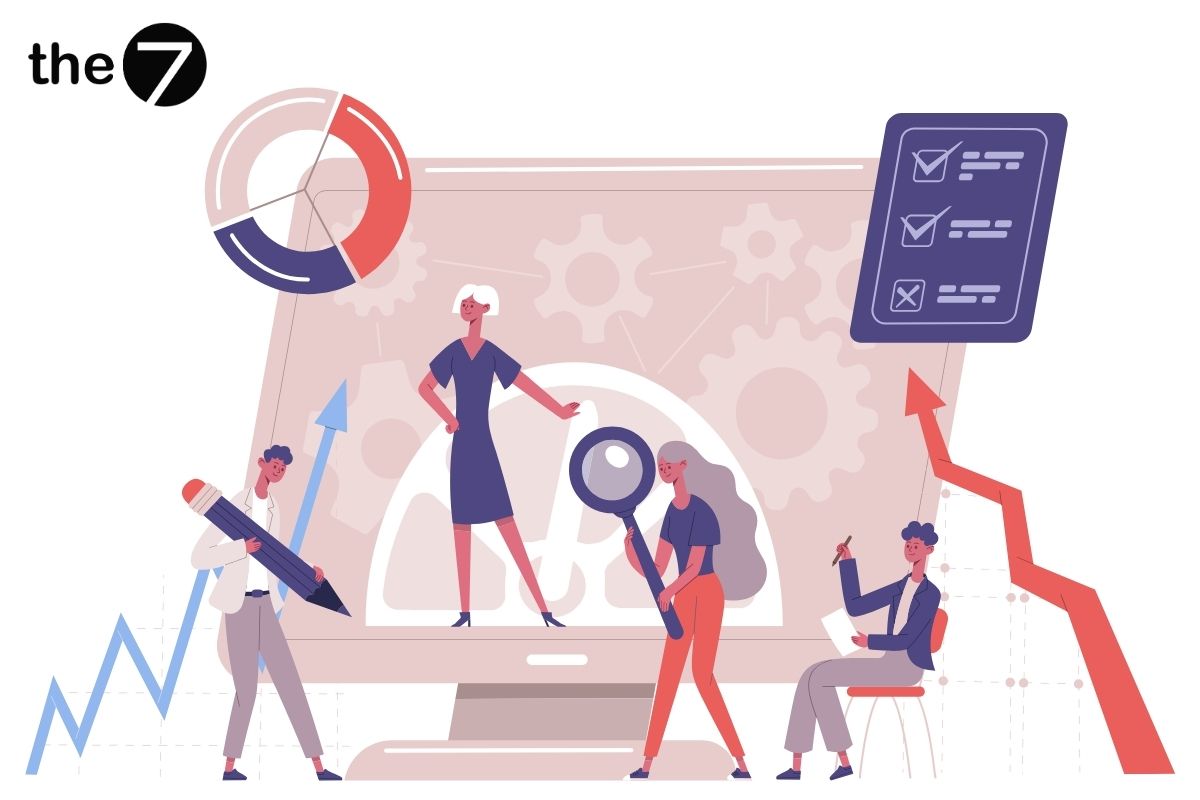
Target customer analysis is the process of combining qualitative and quantitative research methods to better understand your customer base so you can meet their needs as effectively as possible. It is considered an important step toward reaching your revenue goals: marketing can build campaigns with better messaging, sales can make more effective pitches, and product development can see which features to prioritize.
Target customer analysis typically includes the following stages:
- Identify your customer audience
- Uncover needs and pain points
- Segment your customers
- Create a detailed profile of your ideal customer
3.1 Segment Your Customer Database
The first important step in customer analysis is to divide your customer database into groups with similar characteristics, a process known as “segmentation.” By doing this, you can tell customers apart based on shared traits and then focus your marketing effort effectively on each specific group.

3.1.1 Customer behavior
Analyzing customer behavior sometimes requires a deeper understanding of how customers make purchasing decisions. Here are examples of the questions you need to answer to understand the buying process:
- What steps does the decision-making process involve?
- Where do customers look for information?
- What steps does the purchasing process involve?
- Do customers consult other people in their organization or family before deciding?
- Who makes the final purchasing decision?
- Is significant modification of the product or service required?
A behavioral profile can also focus on actions such as the type of item purchased, purchase frequency, average transaction value, or items bought together with other items. To understand customers’ buying habits and behavior, answer the following questions:
- What is the reason or occasion for the purchase?
- How many times will they buy?
- How often do they buy, daily, weekly, monthly…?
- How many products or services do they buy?
- How long does it take them to make a purchasing decision?
- Where do customers buy and/or use the product or service?

3.1.2 Customer psychology
Identifying target customers through customer psychology, or psychographic profiling, is the process of learning about and assessing the relative importance of the factors consumers use to choose one product over another. These factors are commonly known as purchasing criteria, and they are key to understanding why customers choose your product (or service) over your competitors’ products.
There are four main criteria customers typically use to tell competing products apart: price, quality, convenience and reputation. In consumer transactions, price and quality are usually the two deciding factors. In B2B transactions, however, service-related issues such as reliability, payment terms and delivery schedules become much more important.
Companies can deliver more persuasive product messaging by clearly defining customer needs and focusing on the tangible benefits the product provides. Once the main purchasing criteria have been identified, your marketing strategy can focus on creating a positive customer perception of the product, especially on key dimensions such as price, quality, convenience and reputation, compared with competitors’ products.

3.1.3 Customer demographics
Identifying target market segments is the process of finding the people who are more likely to prefer your product over your competitors’ products. Market segmentation divides a market into smaller groups with similar characteristics, helping companies focus their marketing and sales efforts more effectively.
Criteria such as gender, age, ethnicity, location and income are demographic segmentation factors. Important questions when defining the demographics of your target market include:
- What age group wants to buy the product or use the service?
- Which gender will be most interested in this product or service?
- What is the income level of your potential customers?
- What is their level of education?
- What is their marital or family status: married, single or divorced? Do they have children or grandchildren?
- What are the interests of these target customers?
Once you have clearly defined these demographic factors, your marketing strategy can focus on reaching these specific demographic segments through the most suitable channels. Customers can also be classified by other criteria, such as:
- Technology: Based on the devices or platforms customers use, such as desktop versus mobile.
- Needs: The specific needs a customer has for a product or service.
- Value: The value a customer brings to the company, usually measured by CLV (Customer Lifetime Value), the profit a company expects to generate from a customer over the time they stay in a relationship with you.
- Industry: For B2B, the line of business the customer belongs to.
- Company size: Number of employees or revenue.
3.2 Identify Customers Likely to Convert
The Pareto principle, also known as the 80/20 rule, applies effectively to most businesses: 80% of business comes from 20% of customers. First, you need a clear picture of these customers before you turn your attention to the remaining 80%.
To identify your most valuable customers, you can use key metrics and analyze patterns in your database. For example, do customers with certain characteristics tend to have a higher average lifetime value?
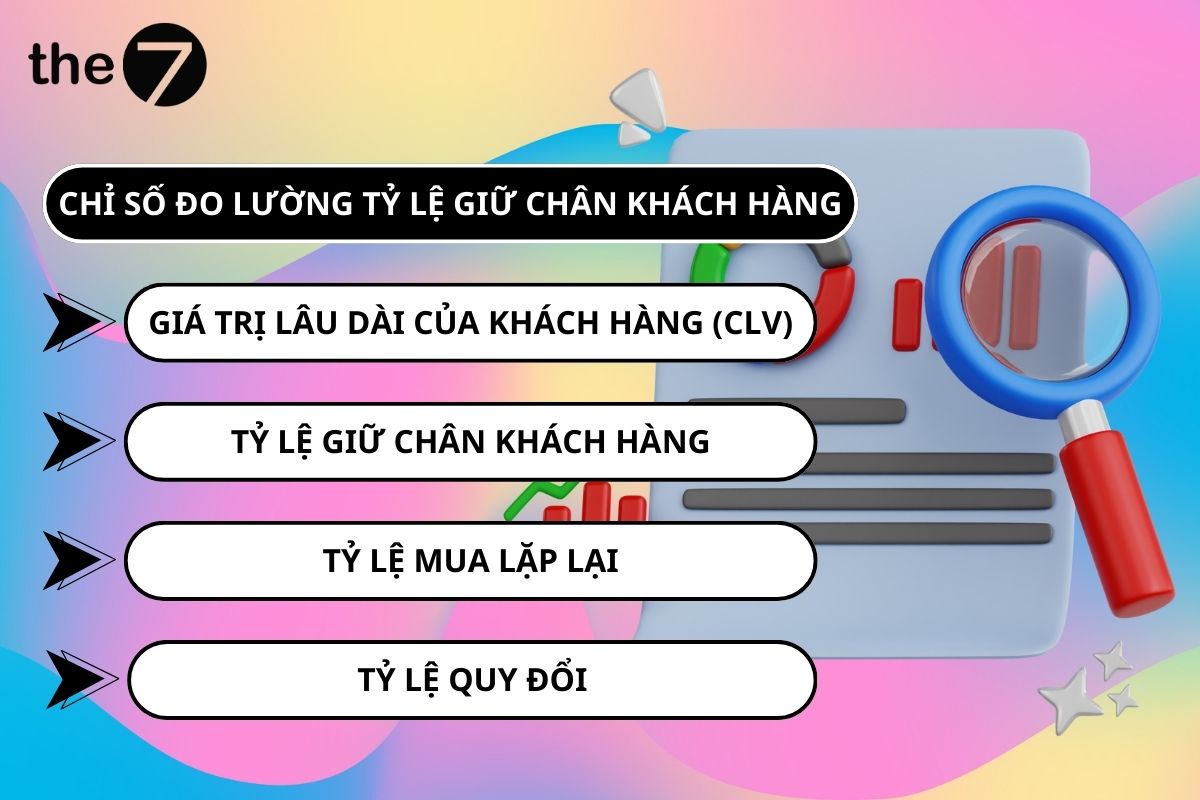
Key metrics for measuring retention rate can include:
- Customer lifetime value (CLV)
- Customer retention rate
- Repeat purchase rate
- Conversion rate
To measure customer loyalty, you can use metrics such as:
- Repurchase rate
- Bestseller rate
- Customer loyalty index (CLI)
- Number of customer engagements
Your customer database also provides other valuable insights. For example, a customer’s demographic information may not affect how they use your product, but it can be important in deciding how you engage and communicate with them.
3.3 Talk Directly With Your Customers

3.3.1 One-on-one interviews
Customer interviews not only give customers a chance to share the emotions behind their purchasing decisions, but also help you understand their deepest pain points and needs. With 5W questions, you can dig into an issue and find its root cause.
With 95% of purchasing decisions driven by emotion, let emotion drive the interview. It should feel like a conversation in which customers are comfortable and trusting enough to share their real thoughts and feelings.
Here are some tips for conducting an effective customer interview:
- Ask open-ended questions: Start the interview with open-ended questions so customers have the chance to share their opinions and open up more freely.
- Practice active listening: Listening is key, so show genuine interest in what customers share.
- Pay attention to body language: Body language is also an important part of communication. Watch gestures, eye contact and facial expressions to better understand customers’ mood and feelings.

3.3.2 Customer group discussions
A focus group is a set of selected participants who discuss specific topics under the guidance of a trained moderator from the business. Focus groups are a powerful tool for gathering detailed insights into customers’ perceptions, wants and needs.
However, group discussions can limit open conversation and create an atmosphere that feels uncomfortable for sharing personal opinions. If they are not managed closely, one participant may take over and dominate the views of everyone else, and the diversity of opinion is lost.

3.3.3 Trying out product samples
Watching how some customers use a product sample is a good way to uncover potential problems. The key is for the business to observe objectively, without being influenced by prior knowledge or its own assumptions.
You can record the main features of the user experience through notes, video or photos. This lets the business paint a complete picture of how users interact with the product and pinpoint the specific problems, difficulties or frustrations they run into.
Based on this analysis, a business can make improvements, optimize the user experience and resolve any issues right from the development stage, making sure its product meets customers’ needs and wants.

3.4 Collect Customer Feedback

3.4.1 Collecting discussions about the product or service
Although interviews deliver good value, they often lack objectivity. For example, customers with a positive experience are more willing to take part in interviews than those with a negative one, which can create misconceptions about the overall user experience.
In addition, the answers people give in interviews do not always accurately reflect their actual behavior. What users say and what they really do can differ because of factors such as self-assessment, social pressure or personal perspective.
3.4.2 Collecting from social media
If customers have a positive brand experience or want to talk about your new product, they will often share their opinions on social media platforms. Unconstrained by the guided questions found in surveys, users tend to leave more natural and authentic reviews directly on forums such as Twitter and Facebook.

3.4.3 Collecting from websites
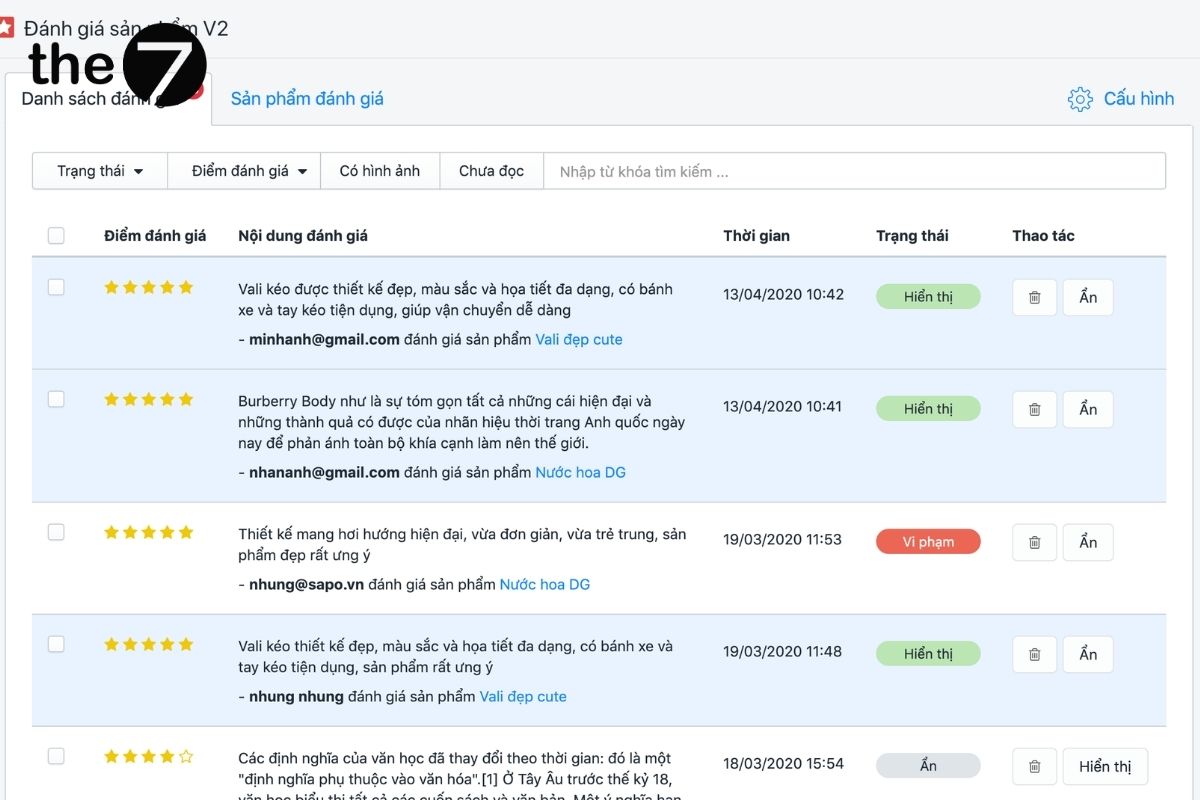
Website reviews provide detailed insight into customer experiences and needs, helping a business better understand its products and marketing strategy. This way, a business can avoid the complexity of analyzing feedback from many different sources and instead focus on review platforms to track and better understand customers’ unmet needs. However, watch out for the risk of inaccurate information and the influence of fake reviews.
3.5 Run Surveys
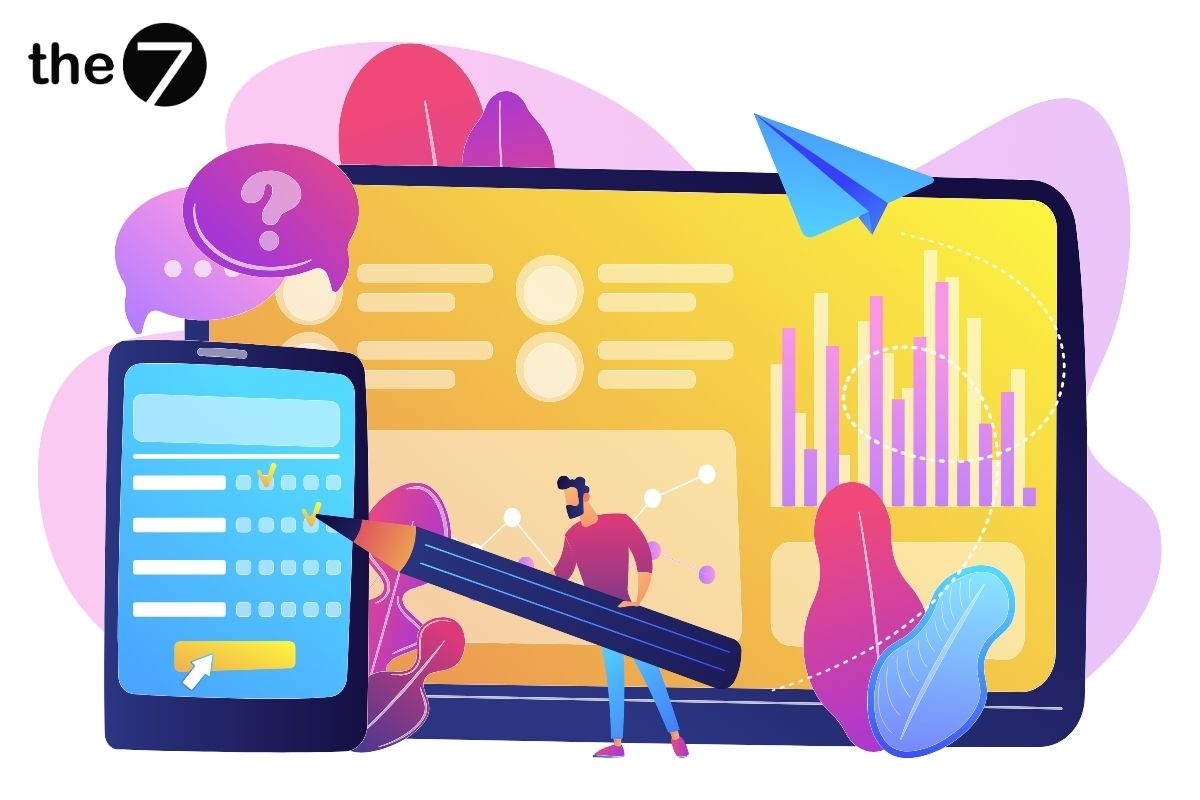
Talking to customers and gathering their feedback in the field are qualitative methods for understanding their motivations and concerns. Survey formats include in-app surveys, post-service surveys and email surveys. This process helps a business measure and evaluate service quality, understand customer needs, and then make specific improvements and quickly meet their expectations.

3.6 Create Target Customer Personas
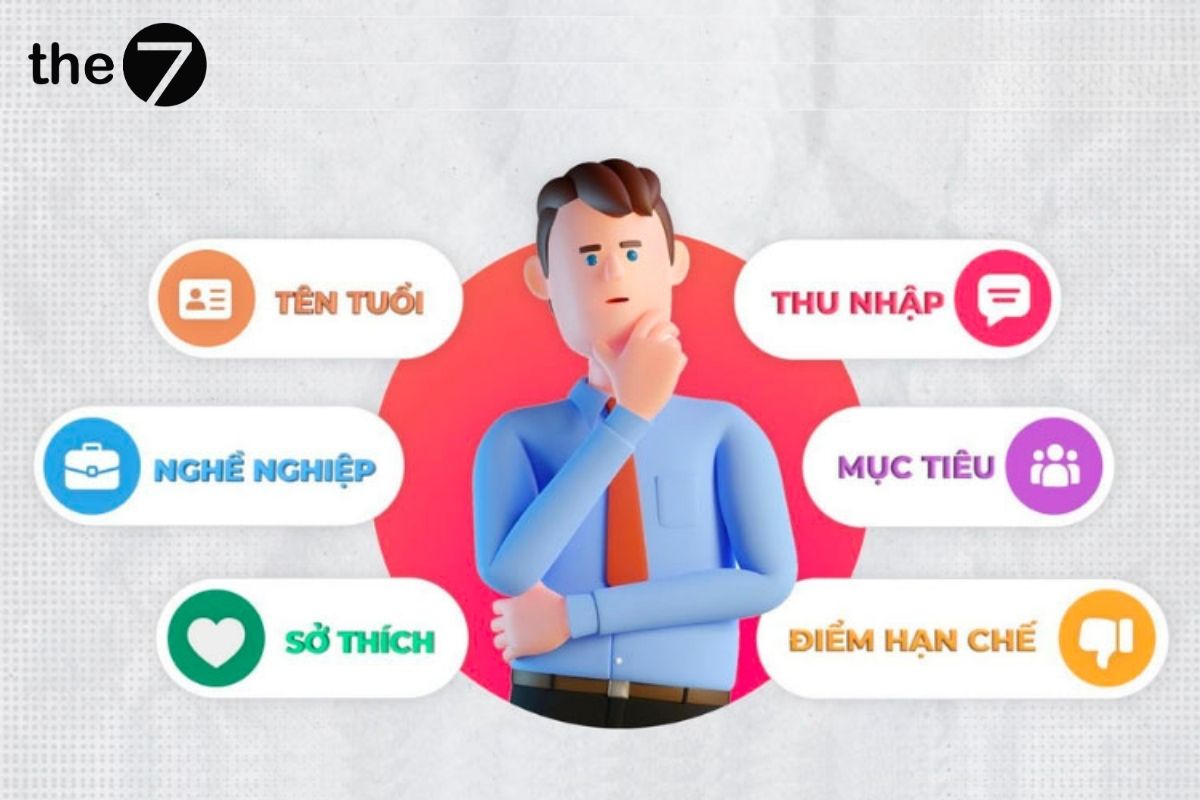
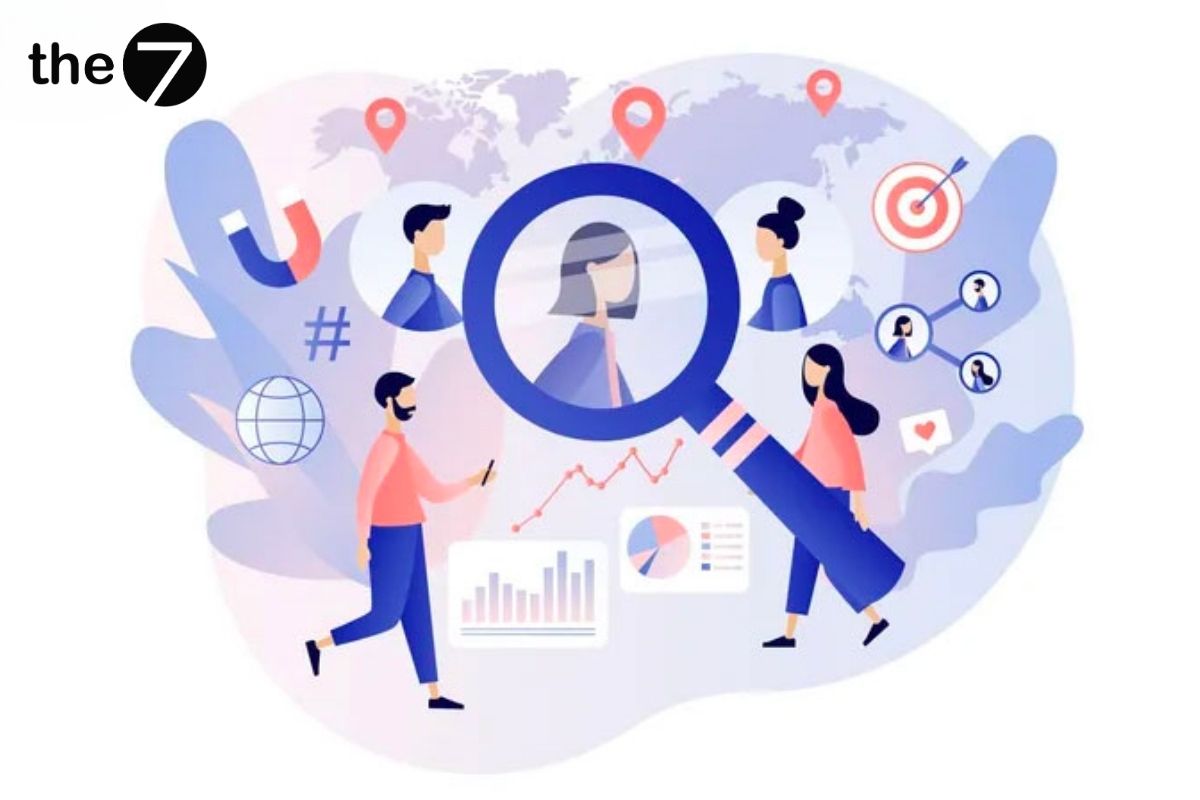
After segmenting your customers, the next step is to use the insights from the previous steps to build customer personas for your target audience(s). A customer persona is a simplified representation of reality that focuses on traits such as demographics, motivations, behavior patterns, goals and pain points.
3.7 Create a Buyer Journey Map
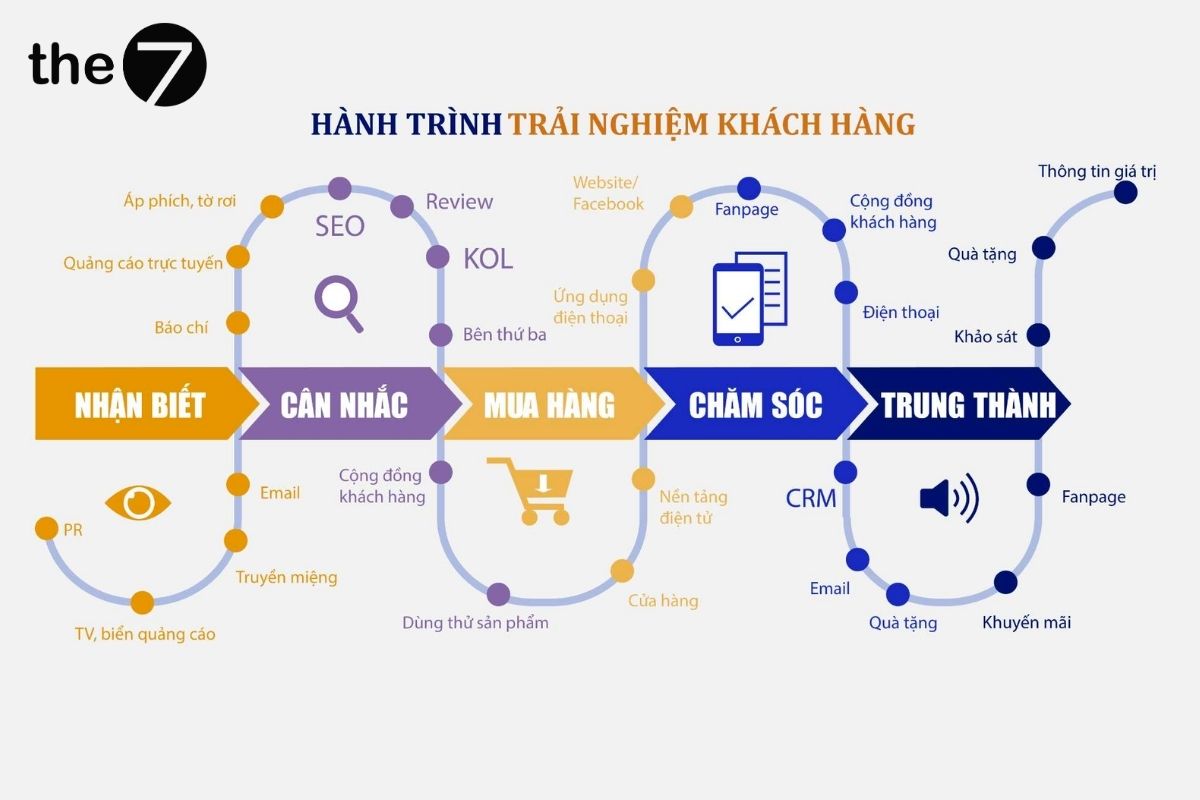
Customers often approach and behave differently at each stage of their buying process. Building a journey map helps you connect touchpoints and interactions, spot friction points and identify the factors that can create the best experience for them.
4. How Do Target Customers Differ From Potential Customers?
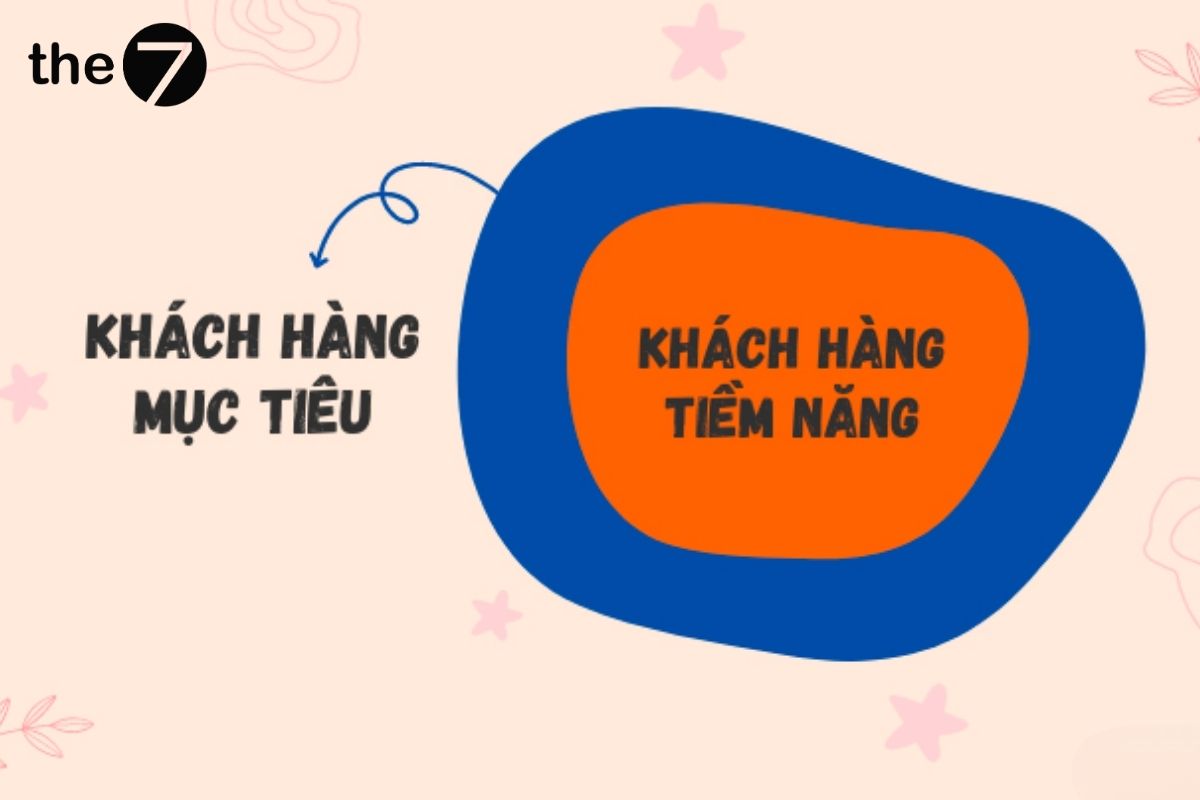
Potential customers and target customers are two important concepts in marketing:
- Potential customers
They are the group of people a business is aiming to reach and convert into real customers.
They are likely to buy the product or use the service but have not yet completed a transaction.
- Target customers
They are the group of people a business has identified as the main audience to reach, promote to and sell its products or services to.
They have already bought from the business or used its services and have become real customers.
Both target customers and potential customers have the chance to become real users of a product or service. Prioritizing the accurate identification of potential customers is essential for a business to develop an effective marketing and sales strategy.
Target customer analysis is valuable work for driving revenue growth. However, with constantly shifting markets, new trends, the arrival of new products and competitors, and changes in circumstances and target groups, businesses have to analyze their target customer groups regularly. You need to keep evaluating current and potential customers, apply a range of effective customer analysis methods and adjust your messaging to stay at the top of your niche market.
>>> See more:
- 7 Steps of Market Research in Detail for 2024

Nguyễn Đình
Bảo




As CEO of The7, I am committed to sharing practical, useful knowledge with every reader. Every article on The7 is based on my 7 years of hands-on experience in marketing — Facebook advertising, LinkedIn advertising, Google advertising, and marketing strategy. I hope you take away plenty of insight from these posts and apply it successfully in practice.
Related Articles
Building a Full-Funnel Content Marketing Strategy on LinkedIn
Table of Contents Toggle Why Build Content Marketing for the Full Marketing Funnel? (Why Full-Funnel Content Marketing?)Creating Your Strategy (Creating Your Strategy)Implementing Your Content Strategy (Rolling out your content strategy)Summary...
Designing Creative Content for LinkedIn
Table of Contents Toggle Why Is Good Creative Content So Important? (Why is Good Creative Important?)Key Components of Creative Design (the core elements of creative design)Summary (summary) Why Is Good...
Building an Organic Business Presence on LinkedIn With a LinkedIn Page
Table of Contents Toggle Why Have a LinkedIn Page?Establishing Your LinkedIn PageKeeping Your LinkedIn Page ActiveThe Measure of SuccessSummary About LinkedIn Page (Summary) Why Have a LinkedIn Page? For a...
6 Best LinkedIn Marketing Strategies for B2B in 2026
Table of Contents Toggle LinkedIn 2026: Where B2B Decisions Get MadeStrategy #1 – Why Is LinkedIn the Best B2B Marketing Channel Today?1. Decision-makers are concentrated here2. Users are in work...

7 Social Media Trends for 2026: The Era of Real Value, Real Conversion, and Real People
Table of Contents Toggle Social media is entering the biggest restructuring of the decadeTrend 1: Why is buying directly in-app becoming the new standard for 2026? (On-Platform Conversion)What should businesses...

What Is TikTok Marketing? Effective TikTok Marketing Strategies
TikTok has been topping the global rankings of the most downloaded and most visited apps. That makes it a gold mine for marketers who love creativity. In this article, The7...