


Uncovering the Core: Defining the Target Audience for Digital Marketing Agencies

We are living in a digital world today, and it is clear that digital marketing has gone through major changes as technology and the internet have advanced. According to Statista, global digital advertising spending reached $522.5 billion in 2021. Forecasts suggest that by 2025, this spending is expected to climb to $836 billion. This underscores the growing reliance on digital platforms for marketing strategies.
This level of investment highlights how important it is to define precise goals in digital marketing activities, as brands compete to capture customers’ limited time and attention. With the right strategies, businesses have earned significant returns on their digital marketing investments.
Whether you are new to the field or already experienced, understanding emerging needs in digital marketing and adapting to change is essential.
In this article, we cover the fundamentals of identifying and connecting with your ideal customers, stressing why defining your target audience matters in digital marketing so you can get the most out of these investments.
Understanding the Digital Marketing Agency Landscape
Traditional marketing is putting on a new outfit for the digital age. Think of it as online magic – from social media interactions to the secrets of search engines, the appeal of email, and the hidden power of content creation. At the same time, the impact of artificial intelligence (AI) on marketing agencies is also a factor that can’t be ignored. The digital world is where brands shine and customers thrive. Digital marketing agencies are the companions and skilled magicians who hit every pain point in today’s competitive and challenging landscape.
The Role of Digital Marketing Agencies Today
A digital marketing agency is a supporting partner that helps you grow online effectively. The strategic relationship between a brand and a digital marketing agency can save effort, boost efficiency, generate quality leads, and deliver many other benefits. The services of digital marketing agencies vary depending on their areas of expertise. With multidisciplinary teams of digital marketing specialists, these agencies go beyond simple advertising. They build comprehensive strategies tailored to a business’s goals, target audience, and industry trends.
Every small step matters when it comes to reaching the overall goals of digital marketing. The different services from digital marketing agencies bring unique, irreplaceable value.

Identifying Your Ideal Customers
Now let’s dive into the key point – defining the target audience of a digital marketing agency. The first step is to thoroughly understand the demographic and psychological characteristics of your potential customers. Every audience has its own traits, so there is no single way to define them. Consider the finer details of your campaign. In a retargeting strategy, the focus might be anyone who has viewed your gardening services, regardless of demographics. By contrast, a Google Ads campaign might narrow the audience down to individuals in a specific location who use specific search phrases. Although the target audiences differ, the overall goal stays consistent: to connect with people who are interested in your digital marketing agency’s services.
Demographic Characteristics
To gain a basic understanding of an agency’s audience, it is important to identify demographic traits such as age, gender, location, income level, education, and occupation. These factors significantly influence their online behavior, preferences, and decisions.
Industry
Businesses in different industries have distinct goals and require varied online outreach strategies. For example, an agency that specializes in e-commerce marketing may focus mainly on retail and consumer goods businesses, while a B2B marketing agency may focus on the technology, manufacturing, or healthcare sectors.
Business Size
Small and medium-sized businesses (SMEs) make up an important share of the audience for digital marketing agencies, since they may lack the in-house experts or resources to manage digital marketing campaigns effectively. Large businesses may have their own marketing teams, but they still need outside support for specialized or niche marketing campaigns.
Geographic Location
Digital marketing agencies in Vietnam can serve clients at both the local and global level, depending on their expertise and the specific services they offer. Understanding the geographic distribution of potential customers helps you optimize marketing messages and campaigns so they better reflect customers’ characteristics and preferences.
Technology Adoption
Businesses that understand the digital landscape well and are open to adopting new technologies are likely to engage strongly with digital marketing agencies. How tech-savvy is your audience? Pinpointing this helps marketing agencies build more effective marketing strategies and communicate clearly and persuasively with potential customers.
Understanding Psychology to Define Your Audience Effectively
Go beyond demographics. This is how you achieve effective targeting. Dig deep into the psychological side. What motivates your audience? What problems are putting pressure on them?
Understanding the psychological profile of potential customers gives you deeper insight into their motivations and values. These factors significantly influence their decision-making process.
Customer “Weak” Points
Identify the “pain points” your digital marketing agency’s audience is facing, such as low website traffic, limited brand awareness, or ineffective lead generation strategies, and offer suitable solutions that address their urgent needs. Understanding their pain points shows empathy and positions your company as a trusted partner capable of solving their problems.
Goals and Aspirations
Understanding what customers want helps marketing agencies work together toward shared goals. This collaboration boosts success and makes measuring results easier.
Decision-Making Process
Identifying the key decision-makers in potential client organizations and understanding their role in the selection process is crucial for targeted outreach and engagement. Tailoring your messages and communication channels to the decision-makers increases your chances of capturing their attention and influencing their choices.

Segmenting the Audience of a Digital Marketing Agency
Your customers are not a homogeneous block but a diverse mix of groups with distinct characteristics. Thinking of digital marketing as a toolbox full of different tools is a reasonable way to put it. Each tool, such as SEO, social media, copywriting, PPC advertising, video marketing, and graphic design, has its own job, and they all work together to reach the goal. There is one more aspect to keep in mind, though – target audience segmentation in digital marketing. This means dividing your audience into groups based on simple factors such as age, gender, location, occupation, industry, and whether they have purchased before. It is like organizing your audience so your marketing strategy works more efficiently.
Small and Medium-Sized Businesses (SMEs) – A Key Segment
Small and medium-sized businesses (SMEs) stand out as a key segment, along with niche markets and specialized industries. SMEs have distinct needs, so building long-term relationships requires an approach that addresses those needs.
SMEs face challenges and resource constraints, which makes them ideal candidates for partnering with professional agencies to meet their digital marketing needs.
They work with more limited budgets than large businesses. This forces them to prioritize their digital marketing investments wisely to maximize impact. They often lack dedicated marketing teams with specialized knowledge of digital marketing strategies and tactics. This can hurt SMEs’ ability to develop and execute effective campaigns.
Last but not least is time. This can limit their ability to focus on digital marketing activities, which can lead to missed opportunities and suboptimal results.
Niche Markets and Specialized Industries
Beyond small and medium-sized businesses, digital marketing agencies should also target niche markets and specialized industries. Digital marketing firms can serve specific industries or niche markets, using their expertise to tailor strategies to the challenges of that market. For example, an agency specializing in healthcare marketing can focus on developing campaigns that resonate with medical professionals and patients, while an agency serving the e-commerce industry can emphasize increasing traffic and optimizing conversions for online stores. In addition, if a brand is based in Vietnam, digital marketing agencies in Vietnam with local expertise can build campaigns that deliver higher ROI.
Analyzing the Needs of Your Audience
Understanding your target audience goes beyond demographics. In a digital environment that keeps changing, both businesses and marketing agencies face the challenge of staying in sync. Flexibility, adaptability, and a data-driven approach are the keys to responding effectively to your audience’s dynamic demands.
See more: Customer Segmentation: How to Understand Your Customers Better
Understanding Audience Needs: Looking Beyond Demographics
Businesses today expect their digital marketing agencies to dig deeper and uncover the aspirations, “pain points,” and engagement preferences that truly drive their customers. This requires a deep understanding of various metrics.
The Impact of Deeply Understanding Your Target Audience
What does a business want to achieve through digital marketing? Increase brand awareness? Boost engagement? Improve lead generation and return on investment (ROI)? Aligning your strategy with their specific expected outcomes is a key to success.
Emerging Trends
In digital marketing, staying one step ahead is essential. This takes continuous learning about new technologies, marketing best practices, and your target audience’s ever-changing preferences, so you can proactively adjust your strategy.
Audience Behavior
How does your target audience engage on digital platforms? Which content formats resonate with them? Analyzing website traffic data, social media engagement, and other key metrics helps you personalize your strategy.
Flexibility Matters: Adapting to Diverse Needs
Digital marketing agencies aim for a data-driven approach to decision-making. To do this, they must continuously evaluate performance to identify areas for improvement and make informed adjustments based on well-founded decisions. Personalize content and messaging for each target audience segment and individual preference to maximize engagement. This can include using audience segmentation, marketing automation, and dynamic content. In addition, integrating a multichannel strategy ensures a smooth, consistent experience across multiple digital touchpoints, following your audience wherever they travel online.
Finally, continuous learning is the engine of success. So equip your company with the latest knowledge to build relevant strategies, achieve sustainable growth, and engage strongly with your audience.
Leveraging Data to Refine Your Audience Targeting Strategy: Deeper Insights, Greater Impact
Target audiences are always changing, and their preferences shift quickly. As a result, effective targeting is no longer a luxury but a necessity. With the power of data, digital marketing agencies can refine their targeting strategies and achieve remarkable results.
Data is the fuel for successful audience targeting. Agencies need to analyze website traffic, social media engagement, and other key metrics to make informed decisions that deliver deeper insights.
They should look for detailed information on demographic factors such as:
- Age
- Gender
- Location
- Income
As well as other important characteristics of a digital marketing agency’s target audience, including:
- Interests
- Pain points
- Online habits
- Content preferences (topics, formats, distribution channels)
Successful Audience Targeting from Leading Companies
The reality is that concrete examples carry great power. Explore these case studies to see how leading companies have skillfully mastered the art of reaching an audience.
The “Get a Mac” Campaign by TBWA\Media Arts Lab and Apple: Targeting Confidence and Style
Amid fierce competition with Windows in the mid-2000s, Apple, through its partner TBWA\Media Arts Lab, launched a precise digital marketing strategy. They targeted a specific audience: people looking for a stylish, reliable, and easy-to-use computer. The “Get a Mac” campaign used humorous ads that personified the Mac as a confident, relaxed individual, in contrast to a clunky, error-prone PC. This approach effectively set the Apple brand apart from its rival. The playful, personality-driven tone aligned perfectly with the target audience. In the end, the campaign led to a gain in market share and reinforced Apple’s position as a leader in user-friendly technology.
The “Just Do It” Campaign by Wieden+Kennedy and Nike: Targeting Inner Passion
Nike is known for outstanding advertising campaigns and its ability to take on challenges. In 1988, facing strong competition from Reebok, Nike teamed up with Wieden+Kennedy on a brand repositioning campaign. Their goal was to target athletes and sports fans with drive and ambition, awakening the power within them. Although Nike is a brand with American roots and many digital marketing agencies in the U.S. could fit that position and deliver a similar campaign, reality shows that global brands often choose to partner with the agency they feel best matches their needs, without being bound by geography.
The “Just Do It” campaign, created by Wieden+Kennedy, centered on a simple but powerful slogan that captured the essence of Nike’s message – encouraging people to overcome challenges and pursue their goals. The campaign’s approach was precise, leaving a deep impression on a wide range of athletes, from weekend enthusiasts to seasoned professionals. The campaign skillfully tapped into the innate human desire for self-improvement and success. Naturally, this success had a profound effect on how the Nike brand is perceived and on its market share.
The “Just Do It” campaign not only delivered an inspiring message and effective reach, but also went far beyond its original goal to become a cultural phenomenon. The campaign not only drove significant growth in sales and brand value for Nike, but also made the mindset of perseverance and determination global, further cementing the brand’s enduring legacy.

Nguyễn Đình
Bảo




As CEO of The7, I am committed to sharing practical, useful knowledge with every reader. Every article on The7 is based on my 7 years of hands-on experience in marketing — Facebook advertising, LinkedIn advertising, Google advertising, and marketing strategy. I hope you take away plenty of insight from these posts and apply it successfully in practice.
Related Articles
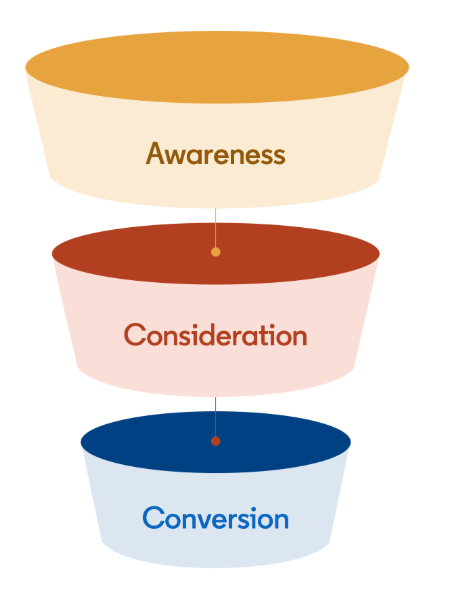
Building a Full-Funnel Content Marketing Strategy on LinkedIn
Table of Contents Toggle Why Build Content Marketing for the Full Marketing Funnel? (Why Full-Funnel Content Marketing?)Creating Your Strategy (Creating Your Strategy)Implementing Your Content Strategy (Rolling out your content strategy)Summary...
Designing Creative Content for LinkedIn
Table of Contents Toggle Why Is Good Creative Content So Important? (Why is Good Creative Important?)Key Components of Creative Design (the core elements of creative design)Summary (summary) Why Is Good...
Building an Organic Business Presence on LinkedIn With a LinkedIn Page
Table of Contents Toggle Why Have a LinkedIn Page?Establishing Your LinkedIn PageKeeping Your LinkedIn Page ActiveThe Measure of SuccessSummary About LinkedIn Page (Summary) Why Have a LinkedIn Page? For a...
6 Best LinkedIn Marketing Strategies for B2B in 2026
Table of Contents Toggle LinkedIn 2026: Where B2B Decisions Get MadeStrategy #1 – Why Is LinkedIn the Best B2B Marketing Channel Today?1. Decision-makers are concentrated here2. Users are in work...

7 Social Media Trends for 2026: The Era of Real Value, Real Conversion, and Real People
Table of Contents Toggle Social media is entering the biggest restructuring of the decadeTrend 1: Why is buying directly in-app becoming the new standard for 2026? (On-Platform Conversion)What should businesses...

What Is TikTok Marketing? Effective TikTok Marketing Strategies
TikTok has been topping the global rankings of the most downloaded and most visited apps. That makes it a gold mine for marketers who love creativity. In this article, The7...