


Customer Segmentation: How to Understand Your Customers Better

In today’s complex and diverse business world, understanding your customers is essential to the success of any business. To implement effective strategies, build lasting relationships, and optimize the customer experience, customer segmentation is one of the most fundamental and important steps.
In this article, we will explore customer segmentation and why it is a core ingredient of success in marketing and business. We will look at the methods used to segment customers, from simple factors such as demographics to more complex ones such as buying behavior and personal preferences. We will also cover the most effective tools and strategies for reaching and engaging each customer group.
If you are looking to better understand your target audience and build an effective marketing strategy, join us as we dive into customer segmentation and its importance in today’s business world.
What Is Customer Segmentation?
Customer segmentation is a modern approach to marketing that focuses on customers rather than products. The goal is to send the right messages to specific customer groups. To do this, you need to divide your market into smaller groups and run a digital marketing campaign tailored to each one.
Every business has different customer groups with their own characteristics, such as age, interests, and buying habits, and these factors shape how you approach customers in Vietnam.
To attract customers, you need to approach them differently depending on the target group. You should not treat all of your customers as one uniform group. Research from LawnStarter shows that most customers (90%) prefer companies that offer especially personalized customer service.
Imagine spending time with groups of friends who share the same interests, lifestyle, and hobbies. You would do the same with your customers, and the best way to do that is through customer segmentation.
But how does customer segmentation work? Read on to learn more about how to segment customers to power a more effective digital marketing strategy.
Benefits of Customer Segmentation for Digital Marketing

Segmenting customers in digital marketing can take some effort, but it is well worth it when done right. First, segmentation helps businesses use their resources more efficiently. Instead of running a campaign across the entire market, a business can run more personalized marketing campaigns aimed at a small but precisely targeted group of customers.
Customer segmentation in marketing also strengthens customer retention. By analyzing customers, a business can get to know its market and offer the products and services customers actually want. This builds a stronger bond between customers and the brand.
Moreover, customer segmentation helps businesses discover potential market segments they had not noticed before. These new segments open up opportunities for growth. However, before entering them, a business needs to research, test, position its brand, and craft a compelling message for potential customers.
9 Customer Segmentation Models
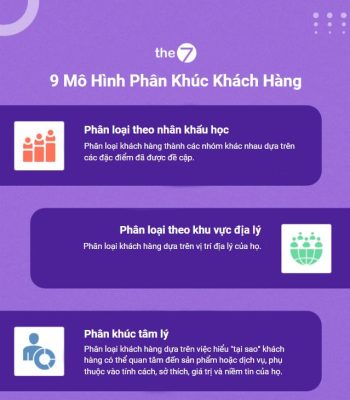
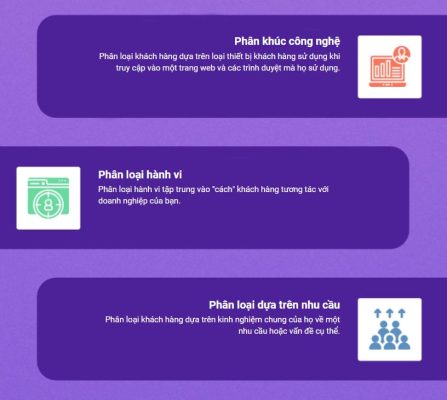
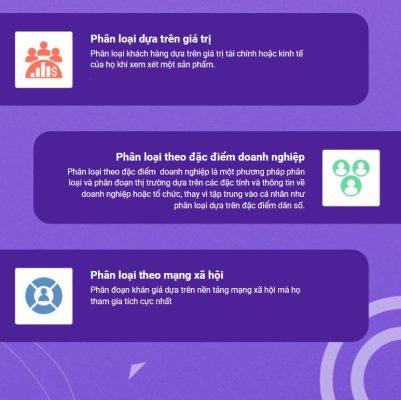
Demographic Segmentation
Demographic segmentation is about finding out “who” your target audience is by identifying specific characteristics such as age, gender, occupation, education, and ethnicity.
You divide your target audience into different groups based on these characteristics so you can tailor your digital marketing strategy to each segmented customer group.
Example: Nike uses demographic segmentation when it focuses on specific customer groups such as teenagers, women, and so on. This helps the brand create advertising campaigns and products that fit each target audience.
Geographic Segmentation
Geographic segmentation is the simplest type of market segmentation compared with the others. You simply identify and group customers based on where they are located. By knowing the country, region, and city your customers live in, you can identify different target groups within the market.
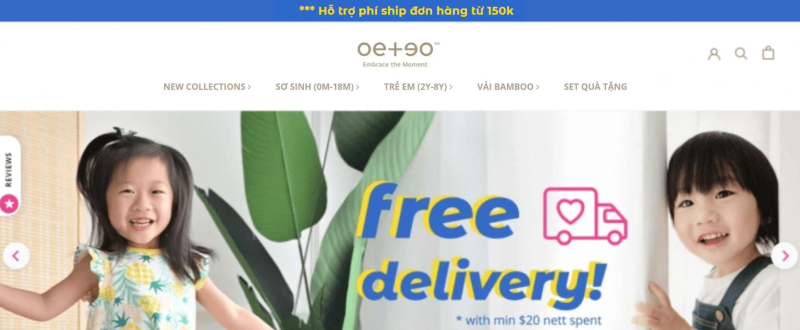
For example, the children’s clothing store OETEO in Vietnam used geographic segmentation in its digital marketing campaign. It offered a free-shipping voucher on orders over 150,000 VND, available only to customers in Vietnam.
By using geographic segmentation, OETEO targeted customers living in Vietnam and offered an attractive shipping deal to encourage them to shop. This created special appeal and drove purchases from customers in that area.
Psychographic Segmentation
Psychographic segmentation aims to understand “why” customers might be interested in your products or services, based on their personality, interests, values, and beliefs.
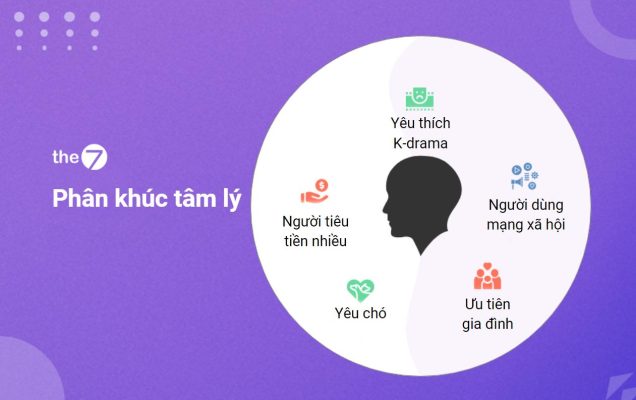
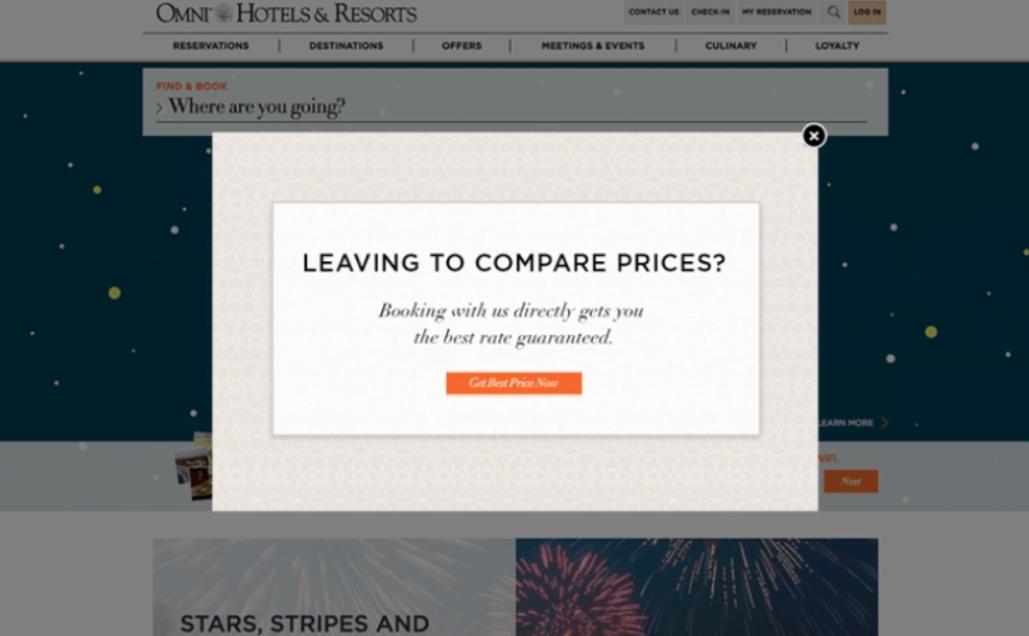
Psychographic segmentation can be the hardest step in the customer segmentation process, because you need detailed research to identify each customer accurately. It requires you to analyze different personality types and understand how they affect your marketing strategy.
To make this easier, take a look at an example of psychographic segmentation: the digital marketing campaign by Omni Hotels & Resorts, which targets customers who compare prices and convinces them of the benefits of their purchase decision.
Still, the effort you put in through the difficulties pays off. Once you understand your customers on a deeper, more personal level, you can send them the right messages and create content tailored specifically for them.
Technographic Segmentation
This customer segmentation model defines a customer group based on the following:
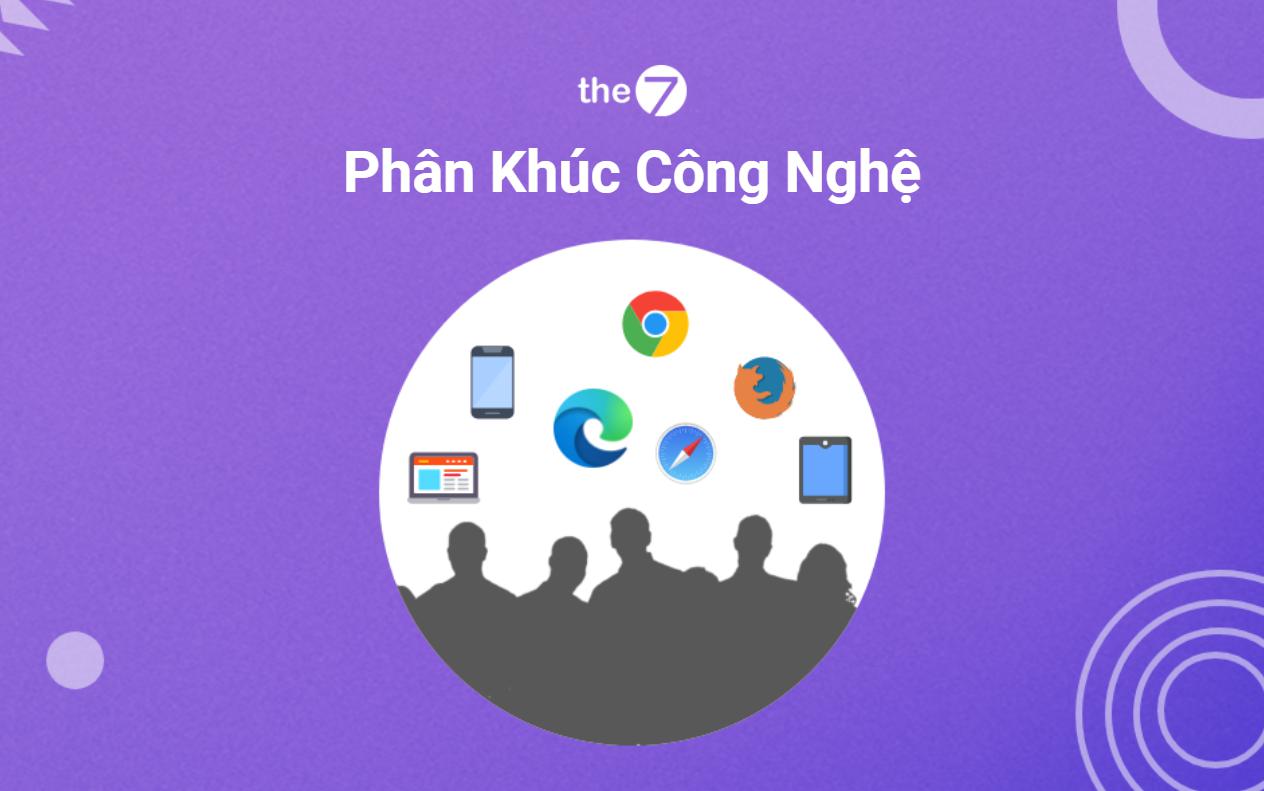
- The type of device customers use to visit your website (for example, desktop, mobile, or tablet)
- Which browser customers use when they are online (for example, Chrome, Safari, or Opera)
By knowing the device and browser your customers use, you can build a better digital marketing campaign that fits their preferences. For example, if you run a smartphone accessories store and a potential customer visits your website on an iPhone, you can run marketing ads aimed at audiences who use iPhone-specific accessories.
Behavioral Segmentation
Behavioral segmentation divides customers into groups based on how they interact with your business. It is important to look at factors such as browsing habits, purchase decisions, and product reviews…
For example, you can distinguish between first-time visitors to your website and those who have visited before. This lets you tailor the experience for each group based on how they have interacted with you in the past. It helps you reach them more effectively and build strategies suited to each group, so you can optimize business results.
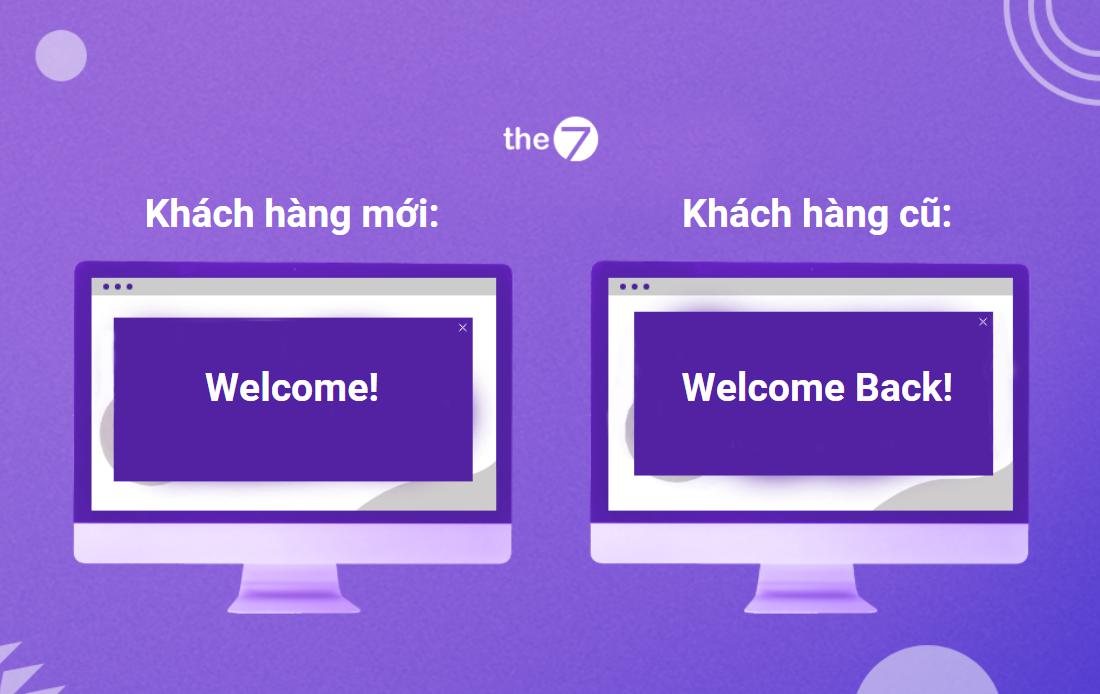
Pay attention to the difference between these two messages. One is for new visitors, who may be interested in learning more about your business, while the other is for existing customers, who are likely to buy again. New visitors may be drawn in by a discount for new users, while customers loyal to your brand may be motivated by loyalty reward points. By collecting behavioral data, we can personalize the experience for each visitor and increase the chance that they make a purchase.
Needs-Based Segmentation
Needs-based segmentation is the process of grouping people based on their shared needs or problems. By understanding customers’ needs, you can develop and offer them the products that best solve those needs.
But how can a brand identify customer needs? A brand can do so by asking about their motivations for buying a product, the psychological benefits they expect, and their wants and needs. This segmentation process starts with qualitative and quantitative research.
In needs-based segmentation, products are categorized by the attributes customers prefer, plus the service requirements and delivery methods that match their specific needs. This helps businesses adjust their offers to fit the requirements of their target audience.
Value-Based Segmentation
Value-based segmentation is the process of grouping customers based on the financial or economic value they place on a product. To run an effective marketing campaign, a digital marketing company in Vietnam needs to segment customers by their value. For example, it is ineffective for a brand to market an expensive product to a price-sensitive audience.
To segment customers by value, a company can use metrics such as customer satisfaction ratings, number of purchases, and the average value of each transaction. With these metrics, businesses can better understand customers’ finances and adjust their marketing strategy to the specific values customers care about.
See more: Outsourcing vs. In-House: Pros and Cons in Digital Marketing
Firmographic Segmentation
Firmographic segmentation is similar to demographic segmentation. However, unlike demographic segmentation, which is aimed at individuals, this type of segmentation focuses on companies, groups, and businesses, which is why it is called “firmographic.”
To illustrate, a company that provides digital marketing services in Vietnam would research businesses and companies and offer suitable services based on their number of employees, number of customers, and revenue.
The company can offer customizable product suites and service packages for large corporations, while providing fixed-price services for small and medium-sized businesses.
Social Media Segmentation
Social media segmentation is the practice of dividing customers into groups based on the social media platforms they use most. This is very useful for a digital marketing company in Vietnam that specializes in social media marketing and influencer marketing.
The illustration below shows which social media apps a particular customer group uses most and which ones they use least.
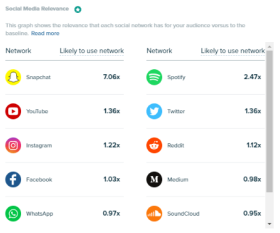
This report shows how customer groups on social media are segmented based on the platforms they use. The image is taken from the article “Types of Customer Segmentation” by Audiense.
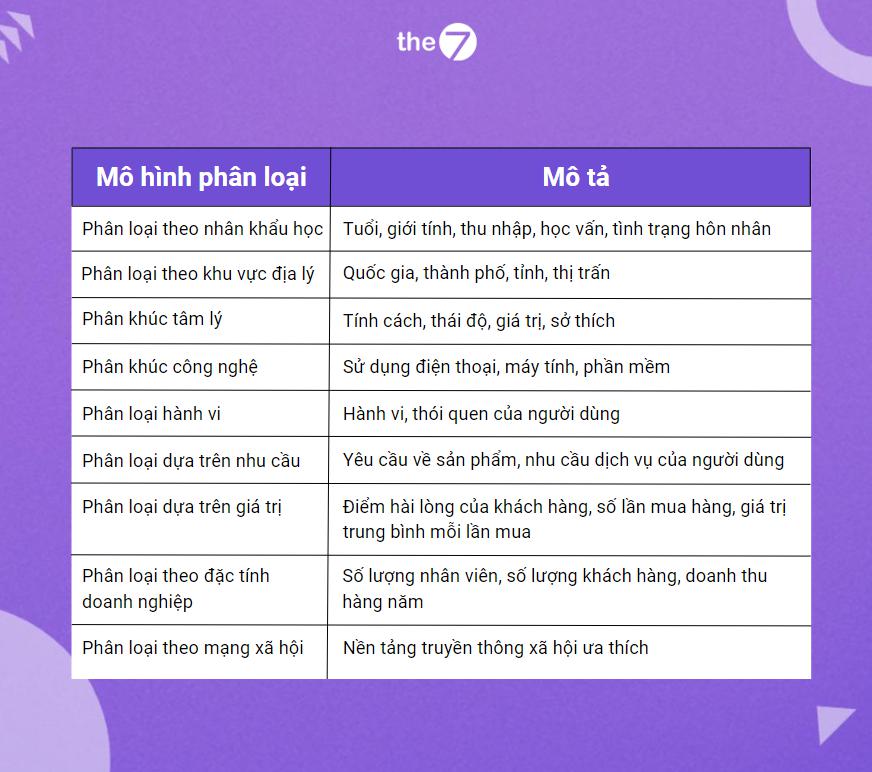
Customer Segmentation Model
8 Customer Segmentation Strategies in Digital Marketing
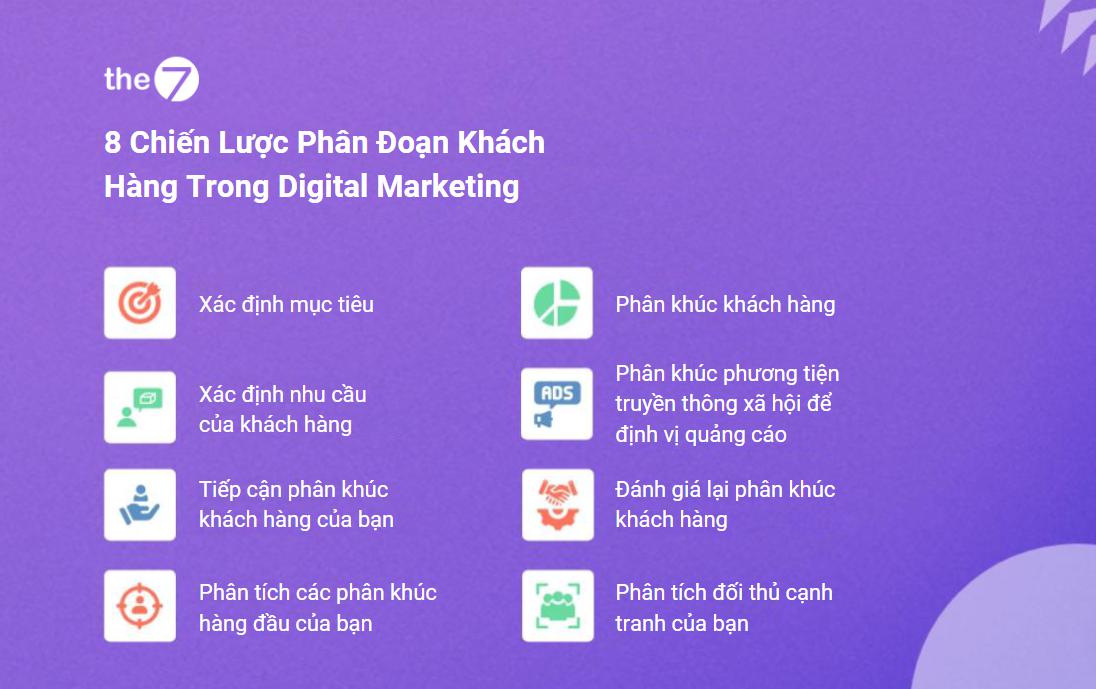
Define Your Goals
When it comes to customer segmentation, it is important to understand that it is not a one-size-fits-all concept. Every business will have its own way of segmenting customers to match its goals.
So ask yourself: what is your main business goal? Only when you clearly understand your goals and define the outcomes you want from segmentation can you develop the right strategy. This helps you build a better digital marketing campaign and meet your customers’ needs more effectively.
Segment Your Customers
Once you have finished creating custom segmentation plans that fit your business goals, you can divide your potential customers into multiple groups. There are no rigid rules that define right or wrong here. The way you segment customers is entirely up to you, as long as it fits your strategy.
One effective way to segment customers is by their shared interests. For example, if you want to focus on Gen Z in your digital marketing campaign, choose trending topics on social media platforms such as Instagram and TikTok, where younger generations tend to be most active.
Identify Customer Needs
Identifying needs is the foundation of needs-based segmentation. If you apply this type of segmentation in digital marketing campaigns with support from a digital marketing company in Vietnam, you can do it by asking your customers for feedback.
You can send out survey forms and follow-up emails. Another approach is to identify the keywords, phrases, and questions your customers commonly search for in relation to your products. That way, you can better understand customer needs and create digital marketing campaigns that are more relevant and effective.
Segment Social Media Platforms for Ad Placement
Ad placement is critical when running digital marketing campaigns. Across social media platforms, a strong digital marketing company can benefit from social media segmentation to determine the best platforms on which to place ads.
For example, if their customers are more active on Facebook than on Instagram or Twitter, they can place and boost ads on that platform, especially at the times when customers are most active on the app. This way, the company reaches the right target audience and increases the effectiveness of its advertising campaign.
Reach Your Customer Segments
After you have segmented your customers, decide how to reach them in your digital marketing campaign. Also make sure every employee in your company understands this strategy so your message can reach your target customers effectively.
Re-Evaluate Your Customer Segments
To make sure customer segmentation in your digital marketing campaign is working well, you should evaluate it by running an analysis. This will help you better understand how to improve your reach and motivate customers to act.
Here are the tools you can use to analyze your customers:
- Google Tag Manager
- MailChimp
Analyze Your Top Segments
No matter which segmentation model you use, there will always be a top group: the customers who respond most positively to your digital marketing campaign.
To avoid missing out on the opportunity from this highly responsive group, a digital marketing company in Vietnam needs to evaluate these groups carefully.
For example, after segmenting customers by age, you find that most of your customers are teenagers. But when you apply value-based segmentation, you notice that this group buys often but spends little on products. Meanwhile, older customers tend to make larger purchases.
So your digital marketing company should focus on boosting ads aimed at older customers to attract higher-value customers. This optimizes the performance of your marketing campaign and directs resources to the high-potential customer groups for the best chance of success.
Analyze Your Competitors
Leading digital marketing companies are no strangers to competitor analysis. Fortunately, you can use customer segmentation to gather information from your competitors. Look at how they divide their customers into different groups through their ads and digital marketing campaigns.
From this data, you can build your strategy to make your brand stand out within each customer group. This helps you seize opportunities and face competition effectively, so your brand can grow more successfully.
How to Identify Customers Through Marketing Platforms
If you already have experience in digital marketing in Vietnam, you may have equipped yourself with digital marketing platforms and tools, as well as SEO and SEM. With these tools, you can start segmenting customers in your digital marketing campaigns effectively.
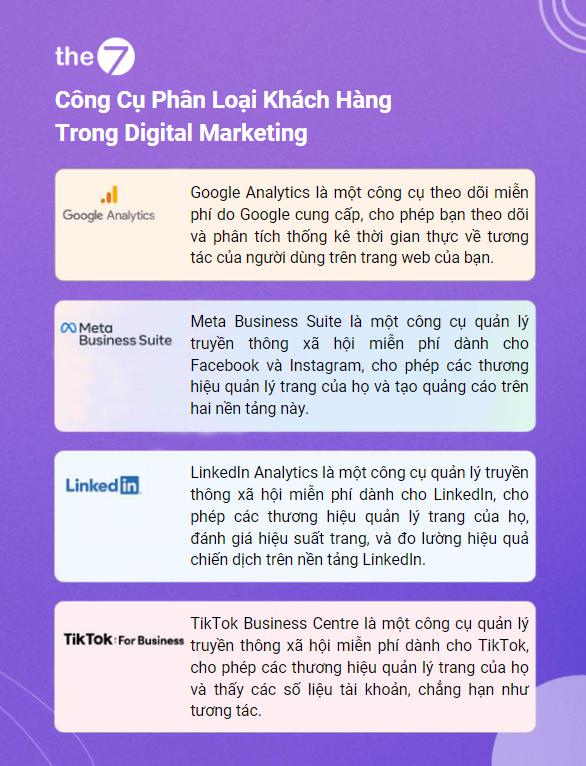
Here are the tools and platforms for segmenting customers:
- Google Analytics:
Google Analytics is a free tracking tool that provides real-time statistics and analysis of user engagement on your website.
- Meta Business Suite:
Meta Business Suite is a free social media management tool for Facebook and Instagram that helps brands manage their Pages and create ads on these platforms.
- LinkedIn Analytics:
LinkedIn Analytics is a free social media management tool for LinkedIn that helps brands manage their Pages, evaluate Page performance, and measure campaign effectiveness.
- TikTok Business Centre:
TikTok Business Analytics is a free social media management tool for TikTok that helps brands manage their accounts and track metrics such as user engagement.
Conclusion
Customer segmentation is a game-changing approach to digital marketing that every business should start using. By focusing on your customer audience, you can promote your products or services effectively, in line with the interests and needs of your potential customers. When you focus on the customer groups that bring in the highest profit, your sales and conversion rate are likely to grow over time.
Turn to The7 for detailed support with your digital campaigns, so you can achieve the best results and succeed in reaching and attracting potential customers.

Nguyễn Đình
Bảo




As CEO of The7, I am committed to sharing practical, useful knowledge with every reader. Every article on The7 is based on my 7 years of hands-on experience in marketing — Facebook advertising, LinkedIn advertising, Google advertising, and marketing strategy. I hope you take away plenty of insight from these posts and apply it successfully in practice.
Related Articles
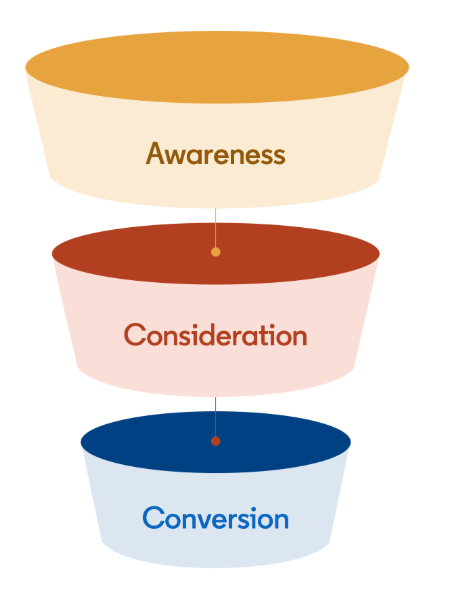
Building a Full-Funnel Content Marketing Strategy on LinkedIn
Table of Contents Toggle Why Build Content Marketing for the Full Marketing Funnel? (Why Full-Funnel Content Marketing?)Creating Your Strategy (Creating Your Strategy)Implementing Your Content Strategy (Rolling out your content strategy)Summary...
Designing Creative Content for LinkedIn
Table of Contents Toggle Why Is Good Creative Content So Important? (Why is Good Creative Important?)Key Components of Creative Design (the core elements of creative design)Summary (summary) Why Is Good...
Building an Organic Business Presence on LinkedIn With a LinkedIn Page
Table of Contents Toggle Why Have a LinkedIn Page?Establishing Your LinkedIn PageKeeping Your LinkedIn Page ActiveThe Measure of SuccessSummary About LinkedIn Page (Summary) Why Have a LinkedIn Page? For a...
6 Best LinkedIn Marketing Strategies for B2B in 2026
Table of Contents Toggle LinkedIn 2026: Where B2B Decisions Get MadeStrategy #1 – Why Is LinkedIn the Best B2B Marketing Channel Today?1. Decision-makers are concentrated here2. Users are in work...

7 Social Media Trends for 2026: The Era of Real Value, Real Conversion, and Real People
Table of Contents Toggle Social media is entering the biggest restructuring of the decadeTrend 1: Why is buying directly in-app becoming the new standard for 2026? (On-Platform Conversion)What should businesses...

What Is TikTok Marketing? Effective TikTok Marketing Strategies
TikTok has been topping the global rankings of the most downloaded and most visited apps. That makes it a gold mine for marketers who love creativity. In this article, The7...