


6 Steps to Plan Your Facebook Ad Campaigns in 2024

Planning your Facebook ad campaigns effectively helps you outcompete rivals in your industry and increase your conversion rate. Let The7 walk you through the 6 steps of a detailed 2024 plan for running Facebook Ads.
The Latest 6 Steps to Plan Your Facebook Ad Campaigns in 2024
Define Your Goals for the Facebook Channel
Every effective Facebook communications plan has to define goals for a specific market. Setting these goals shows that you are using Facebook in the right direction to reach your business’s key milestones.
Setting goals when you plan your Facebook ad campaigns works the same way as setting goals for your company’s other strategies. They need to be clear and realistic. You must be specific about which metrics matter so you can judge whether your goals are being met. Goals like the number of likes or follows are no longer meaningful ways to evaluate performance.
Example: If you want to increase sales, you need to define metrics such as the number of comments from customers asking about product information, the number of inbox orders, the conversion rate on your website, and so on.
What should you do to set effective goals for Facebook ads?
To set goals for 2024, you need to look back at everything you achieved in 2022. That data is essential for deciding which direction to take with your online marketing strategy on Facebook.
There are 3 key goals you should pay attention to when running Facebook ads:
Run Facebook Ads to raise brand awareness
- Campaign purpose: To introduce your business and raise brand awareness through brand-promotion content strategies and useful information that gets the public to notice your brand.
- Reach: Set up your ads to reach people who are near your business.
- Engagement: Promote posts, reach people, and increase their engagement with you.
Run ads to find potential customers
- Purpose: Attract your target audience’s interest in your business’s products or services.
- Conversions: Create events, contests, and festivals on your business’s Facebook Page to encourage people to visit your website.
- Lead generation: Create ads that collect users’ information.
- Increase engagement: Create ad campaigns that promote an event to increase the number of people registering to attend.
- Messages: Your business can connect with customers by interacting with them or messaging them.
Run ads to increase sales of your products/services
- Measure and track the number of people who view your ads, engage, and message you, in order to drive purchases by having them download your app and place orders through it.
- Engagement (attracting people to claim offers): you can create ads with coupons, discounts, or additional special offers.
- App installs: Get people to install your app on their phones.
- Conversions: Encourage people who already use your app to engage with it.
- Messages: Create campaigns that connect your business with customers and turn buyers from simply being interested in your products or services into actually purchasing or using them.
Target the Right Audience
Facebook has a huge user base, so you need to define the audience you run ads for. There are 3 types of audiences on Facebook. Researching the behavior of each one will help you target precisely the audience that fits your business’s products and services.
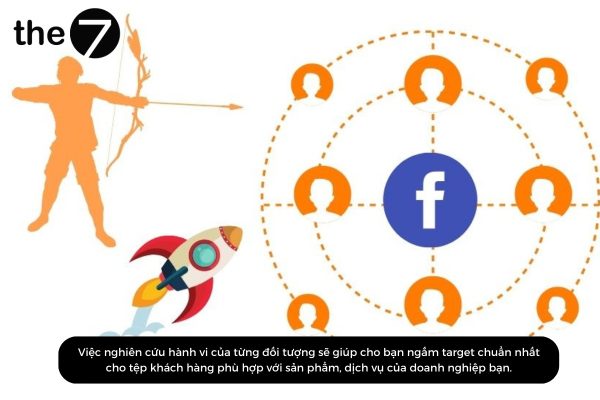
Audience 1: Core Audience
An audience built from demographics, to which you can add interest and behavior variables. Demographics are a key to any marketing strategy, and Facebook marketing is no exception. Facebook provides tools that reveal the demographics of all its users through their everyday activity.
All of this information helps your business learn who your customers are and how to reach them. Keep in mind that customers are always changing, so demographic information also needs to be updated regularly.
- Age and gender: Age helps your business understand how users behave when they use social media. This is important data that lets your business plan your Facebook ad campaigns effectively.
- Location and income: Location is an important demographic factor, especially for businesses that sell physical products or local services such as restaurants, hotels, spas, and so on.
Audience 2: Custom Audience
A custom audience targets people who already know your business and have interacted with your website. You can use a list of customers who have engaged with you on Facebook, or your website traffic, to create a custom audience.
Audience 3: Lookalike Audience
This audience is created from a custom audience, which is a list of people targeted by your ads, and it resembles the people who are already engaging with your Page. You can create lookalike audiences of 1%, 2%, 5%, and so on.
Build a Complete Content Plan
Every media channel has its own content style, but Facebook is an environment with many different kinds of content, such as posts, livestreams, Facebook Stories, and more. That gives you plenty of strategic options that fit your business.
When creating content, pay attention to trending topics your customers care about and combine them with the value your business delivers. This is the formula for creating valuable topics that please your audience while generating measurable value for your business.
That said, you shouldn’t publish too much content that contains ads, so you don’t annoy your customers. Create content that helps them solve their problems and makes them happier in their lives.
Facebook content types and how to use them
If you already understand the importance of content, the question becomes which content fits your brand. To use each type, you need to understand what it is best for:
- Status: This is the simplest type of content to communicate with, but it can still deliver results for your brand.
- Images: A post with an image attached can increase the engagement rate by up to 2.3 times. If your product doesn’t have much that stands out, take the time to create beautiful, evocative images.
- Video: Facebook favors this type of content, because as many as 43% of users look forward to video from marketers.
- Links: You can use links to drive customers to your website. Choose the content with the highest engagement on your website and share it on Facebook. Consistently following useful content makes customers feel in control and makes them want to follow your Facebook Page.
- Facebook Live: This format is similar to reality TV shows. Livestream videos on Facebook are highly current and continuous. Facebook Live lets customers interact directly and builds a connection with your business.
Daily Facebook engagement map
Planning your content means you want to invest in lasting results for your Facebook Page. Scheduling your content ahead of time keeps you from forgetting or missing posts. A content calendar also gives you an overview of the frequency, volume, and performance of your content over a given period.
Create an Effective Facebook Ad Strategy
The 4th of the 6 steps to running effective ads on Facebook is creating an ad strategy. Advertising on Facebook is simple, but a highly effective strategy is not easy. To improve results, you need to take the time to build an ad strategy of your own.
Goal: raising brand awareness
There are 2 things to keep in mind when setting up an ad campaign: cost efficiency and content relevance.
If you are just starting out, allocate your budget on a daily basis to avoid waste. You can also set up small ad sets with a low budget to measure results before deciding to put in more.
Targeting can also increase or decrease the effectiveness of your ads. The key to targeting is relevance, which means you need to truly understand your target customers in order to know what your ad content should be.
Creative content:
Be creative, but stay grounded in what counts: effectiveness. Create creative content without drifting away from the key elements that give customers a clear overall view of your brand.
Key elements:
- Brand identity: Ad images should include your logo, brand name, or brand colors so customers remember your brand and are impressed by it.
- Reward: Content must provide value and address your customers’ worries and pain points. You should also add value such as vouchers, coupons, and more.
- Tone: Your tone of voice needs to suit the audience your business is aiming at. It also needs to set your Facebook Page apart from other pages.
- Call to Action: The action you want customers to take after reading your content.
- Purchase or consultation contact information: Leave a hotline, a sign-up form, or an inbox box so customers can easily get in touch with you.
Keep your ads fresh
Facebook Ads content will appear on your customers’ feeds again and again, so what happens if your content gets boring?
Don’t let your ad content go stale in your customers’ eyes; make sure you always update it. The ultimate purpose of ads is to direct customers to a sales landing page, increase traffic, collect data, and more. So invest in quality content to deliver outstanding results.
Engage With Users
Social media is like a miniature society that needs rules in order to work. One of the most basic rules is engagement.
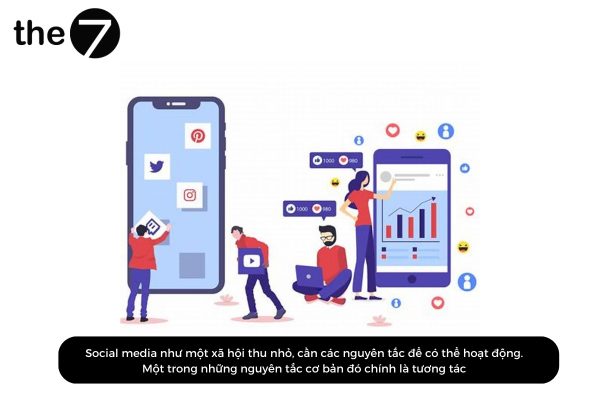
You can ask customers for that first interaction, but that doesn’t mean you should wait for their response. Take the initiative to engage with your customers.
Once you have good content and the right target audience, one more thing to keep in mind is when you post. We can’t fully master Facebook’s algorithm, but we can determine the right posting times by testing continuously.
Track and Monitor Your Ad Performance Regularly
Among the steps to plan your Facebook ad campaigns, tracking is the last step, but it is just as important. An online marketing campaign on Facebook needs to be analyzed in detail. But there are so many numbers with different meanings. Which metrics should we measure and evaluate?
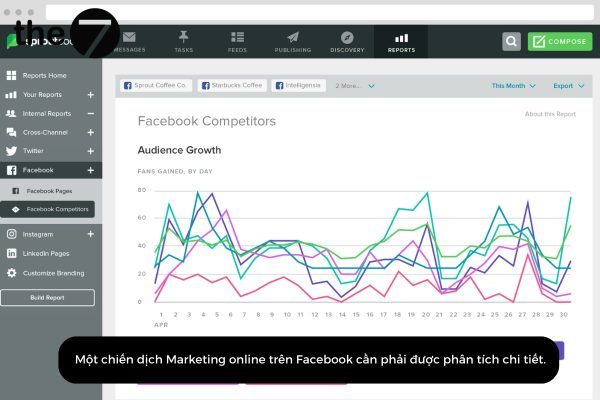
Which metrics you care about should depend on the goals you defined at the start. If you want to increase orders, metrics such as likes and impressions don’t mean much. And if your goal is to build a large community, Page likes, engagement, and likes on posts will be the most concrete proof.
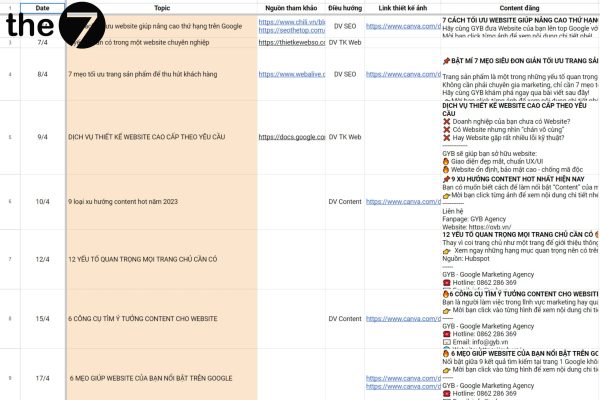
Facebook Ad Campaign Plan Template From The7
A Facebook ad campaign plan template is a form used to plan Facebook ad campaigns. This template usually includes the following information:
- Campaign goal: The goal of a Facebook ad campaign can be to raise brand awareness, attract potential customers, boost sales, and more.
- Target audience: A Facebook ad campaign needs to be aimed at the right audience to achieve the best results.
- Ad content: Ad content needs to be appealing and capture the attention of your target audience.
- Budget: Budget is an important factor to consider when planning Facebook ad campaigns.
- Run time: The run time of a Facebook ad campaign needs to be clearly defined so you can track and evaluate its performance.
A Facebook ad campaign plan template is a useful tool that helps businesses achieve better results in their Facebook ad campaigns.
Those are the 6 steps to plan your Facebook ad campaigns in 2024. We hope they help you start building a detailed plan for your own ad campaigns. If you are looking for a provider of effective Digital Marketing solutions, contact The7 today. We provide comprehensive Digital Marketing solutions that combine Strategic Thinking, Creativity, and a Data-Driven Approach.
>>> You can also check out these other articles on The7’s blog:
- Google Ads or Facebook Ads? Which one is right for you
- How to sell on Facebook and earn hundreds of millions of VND in revenue as a beginner
-
A roundup of 35 Facebook advertising terms every newbie must know

Nguyễn Đình
Bảo



As CEO of The7, I am committed to sharing practical, useful knowledge with every reader. Every article on The7 is based on my 7 years of hands-on experience in marketing — Facebook advertising, LinkedIn advertising, Google advertising, and marketing strategy. I hope you take away plenty of insight from these posts and apply it successfully in practice.
Related Articles
What Is Facebook Ads? Popular Types of Facebook Advertising
What is Facebook Ads? This is surely a question many people wonder about, especially those just starting to learn about Facebook advertising. Let’s explore Facebook Ads from A to Z...

26 Predictions for Social Media Marketing Trends in 2025
It’s that familiar time of year again, when experts and analysts start revealing their predictions for the social media marketing trends worth watching, along with the shifts that promise to...
How to Run Facebook Ads: 2024 Step-by-Step Guide
How can you run Facebook ads effectively, reach the right target customers, and generate valuable conversions? This is probably a question many Digital Marketers and business owners ask when promoting...
Requirements for Running Facebook Ads Successfully and Effectively
When you start your Facebook advertising journey, mastering the basics is the key to success. So what are the requirements for running Facebook ads exactly? Let’s begin exploring and optimizing...

The Most Detailed Guide to Creating a Facebook Ad Account in 2024
To run a campaign on Facebook, the first thing you can’t do without is an ad account. Below, The7 will walk you through how to create a Facebook ad account....
Facebook Video Ad Size: The Most Accurate Guide for 2024
Running video ads is becoming the go-to choice for many businesses. In this context, the Facebook video ad size plays a key role in determining how well your post performs....