


A Basic Guide to the 2023 Google Algorithm
Search engine optimization (SEO) is simple at heart. The goal is to improve your website’s ranking on search engines by optimizing the site and improving the user experience (UX).
However, one problem remains: search engine algorithms change constantly, especially Google’s. Search engine algorithms are always going through nonstop changes, and those changes have a significant impact on how marketers do SEO. The factors that affect your website’s ranking today may not carry the same weight in the future, so you always need to keep up with Google’s latest search algorithms.
What Is the Google Algorithm?
The Google algorithm uses a complex system of formulas to determine a web page’s relevance, quality, credibility and importance. Google can crawl and analyze the content of each web page using computer programs known as search bots, or “Google crawlers”.
Thanks to Google’s highly advanced search bots, its search algorithm can sift through billions of pages in seconds to find the most relevant and accurate results for users’ search queries. Your website’s ranking will gradually improve if you make your site easy for search bots to access.
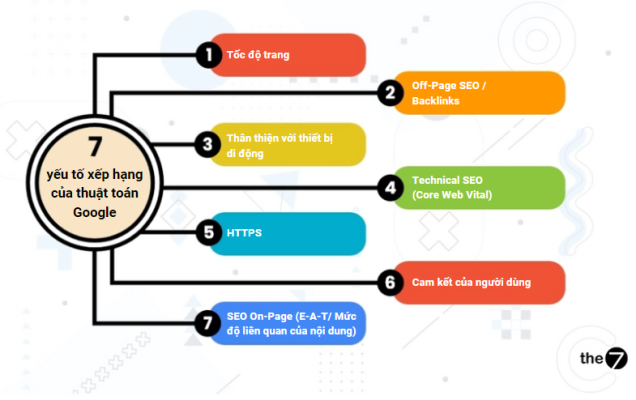
7 Ranking Factors of the Google Algorithm
When it comes to SEO services, the main goal is to raise your website’s ranking in search results. This helps you attract more high-quality leads and drive sales. To achieve this, you need to optimize your website around the factors the Google algorithm uses to rank web pages.
Below are the ranking factors the Google algorithm uses, which you should consider when building your SEO and marketing strategy.
Page Speed
No matter how the Google algorithm changes, your website’s speed always plays a top role.
If the Google algorithm detects that your website takes more than three seconds to load, your ranking may be negatively affected. Google prioritizes page speed because a slow website can cause visitors to leave if they can’t see the content.
That’s why it’s important to make sure your website runs fast and smoothly. Use the following tools to check your website’s speed:
To avoid losing 60% of customers, as Trusted Signals has pointed out, due to slow page load times, start performing regular maintenance on your website. This practice will help you detect and fix technical issues before they affect your site’s visitors.
Mobile-Friendliness
After Google released the Mobilegeddon update in 2015, Google’s search engine algorithm began prioritizing websites that perform well on mobile devices. With so many people using a range of devices, from smartphones and tablets to laptops, it’s no surprise that more than 58.99% of website traffic comes from mobile devices.
That means, according to the Google algorithm, your website must be mobile-friendly. If it isn’t, you may see your site’s ranking drop in the future because fewer people will be able to access it.
Responsive web design is the key to preventing your ranking from slipping. Responsive web design refers to a website layout and structure that adapts to different screen sizes, depending on the user’s device, to help them browse the site.
Here are some benefits of responsive web design under the Google algorithm:
- Improved website loading speed
- Lower bounce rate
- Better analytics and reporting
- Higher conversion rate
HTTPS
The “HTTPS” at the start of a URL matters. This prefix helps the Google algorithm tell whether a website is secure. As you can see in the image below, a secure website adds an “S” to “HTTP” to show that it is trustworthy. To get this, you need an SSL certificate.
If you want your website to rank higher on search engine results pages (SERPs), it’s important that the Google algorithm sees your site as a safe place.

An insecure website can lose up to 48% of its potential customers, because when visitors notice a lack of security, they usually leave right away. Fraud and personal-information scams are increasingly common, so it’s no surprise that many people worry their personal data could be leaked through insecure websites.
On-Page SEO (E-A-T / Content Relevance)
On-page SEO is the practice of adjusting the elements on a web page to match specific keywords, which generates organic traffic and increases content relevance. To do this, you need to focus on and follow the E-A-T principles.
E-A-T stands for Expertise, Authoritativeness, and Trustworthiness. These factors are part of the Google algorithm’s search quality guidelines (Search Quality Evaluator Guidelines), which Google uses to review and assess the quality of a web page and place it at the top of search engine results pages (SERPs).
Off-Page SEO / Backlinks
Off-page SEO involves carrying out strategies outside your website to improve your search engine ranking. A few examples include using links and social media platforms.
The difference between the two approaches is that link building lets you earn backlinks from other websites by bringing visitors to your site. Other websites will only reference your content if it is high quality and contains useful information.
As for social media, it is a marketing platform where businesses can publish posts and direct followers or readers to a website to read and learn more about the content. Doing this increases traffic and builds a business’s credibility by showing what it has to offer.
Technical SEO (Core Web Vitals)
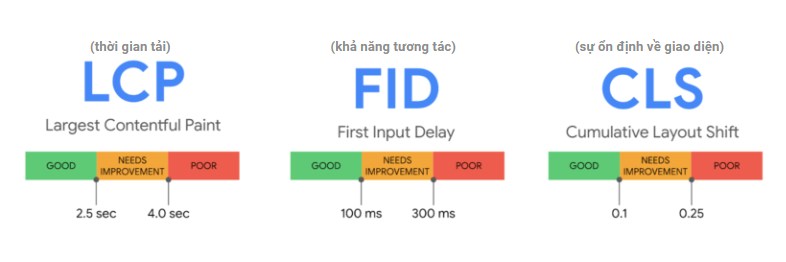
Technical SEO focuses on the deeper, more complex elements of a website. The goal here is to improve the site’s quality and performance, which you can do by paying attention to the core elements of Core Web Vitals.
Core Web Vitals are part of Google’s overall guidance for assessing and improving website quality, and they consist of three main factors. Google uses these three factors as a criterion for evaluating a website’s ranking in search results: loading time, interactivity and visual stability.
User Engagement
User engagement refers to how visitors interact and behave as they browse a website, and this engagement begins the moment they arrive on the landing page.
User engagement is measured through each visitor’s experience. To ensure a good user experience, visitors need to be able to navigate your website easily.
Types of user engagement include:
- Downloads
- Shares
- Clicks
- Comments
Satisfied users are likely to come back because they see value in the products, services or content on your website. The higher the user engagement, the better, because it reflects the conversion actions taking place on the site. By using metrics, you can easily analyze customer behavior and preferences, and build better campaigns as a result.
How to Optimize Your Website for the Google Algorithm
See more: 8 SEM Trends to Watch in 2023
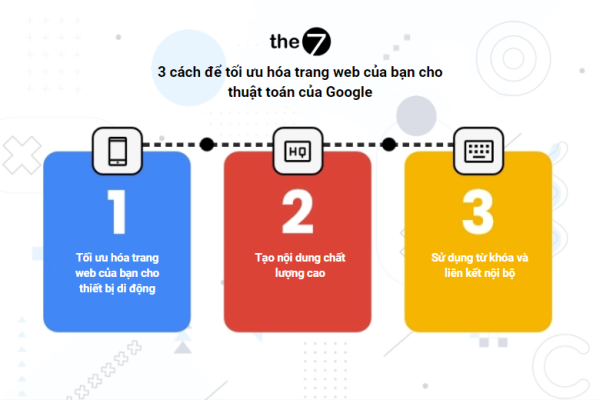
Optimize Your Website for Mobile Devices
Is your website designed to perform well on mobile devices? To find out, you can use Google’s mobile-friendly testing tool. This tool evaluates whether your website works effectively on mobile screens.

Make sure your website works well on mobile phones. Here are some ways to do mobile SEO that you can try:
- Use responsive web design: Make sure your website automatically adjusts to fit different phone screen sizes.
- Compress and optimize images: Reduce image sizes so your website loads faster on phones.
- Improve page load time: Optimize your site so it displays quickly when accessed from a phone.
- Enable caching: Use caching to reduce your website’s load time on repeat visits.
Create High-Quality Content
You create content for your website to share useful information with readers. Make sure every page has quality content so visitors can explore the whole site naturally. Doing so will reduce your bounce rate and improve your website’s ranking on search engines.

In addition, when creating content, think about user intent. Understand why people want to visit your website. For example, if you want to promote products and services, give visitors informative content that helps them learn more about your business.
So what types of content can you share with your website visitors? Here are some examples:
- Blogs
- Videos
- Infographics
- Case studies
Use Keywords and Internal Links
A simple but effective way to make sure your content is SEO-friendly is to use keywords and internal links. By using keywords, you help the Google algorithm recognize the relevance and importance of your website’s content. Internal links, meanwhile, improve your site structure and establish an effective organizational system.

When carrying out SEO services and digital marketing, using both keywords and internal links is essential. However, remember to avoid stuffing too many keywords and links into your content. Otherwise, your website’s ranking on search engines may be negatively affected in the future.
Is the Google Algorithm Updated Often?
On average, the Google algorithm makes about 12 search engine algorithm updates per day, and these changes are usually minor adjustments. These small changes differ from “core” updates, which have a major impact on search formulas and can affect the search rankings of thousands of different websites.
Because of the big impact of “core” updates, they usually happen only once or twice a year. Google typically announces upcoming “core” updates in advance so everyone knows and has time to prepare and improve their SEO strategy, which means their website performance is less affected.
How Do You Find Out About Google Algorithm Updates?
To keep up with changes to the Google algorithm, you need to stay alert and keep listening. Follow the latest news and trends by regularly checking the following sources:
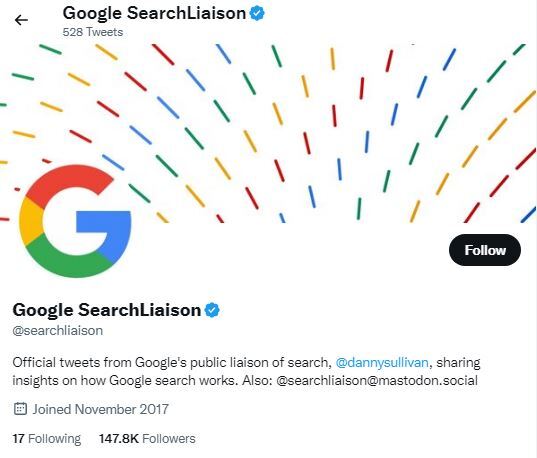
- Follow Google SearchLiaison on Twitter:
Twitter is a social media platform that businesses often use to announce changes related to their products or services. So follow the Google Search Liaison account on Twitter. It will give you valuable insight into how Google works and recent changes to the Google search algorithm.
Turn on push notifications to get alerted for every tweet they post on their Twitter account. This way you won’t miss any update, whether it’s a minor change or a core one.
- Join SEO forums:
Another way to keep up with Google algorithm changes is to follow SEO forums. They also share blog posts with tips and strategies for improving your website’s traffic, leads and conversion rate.
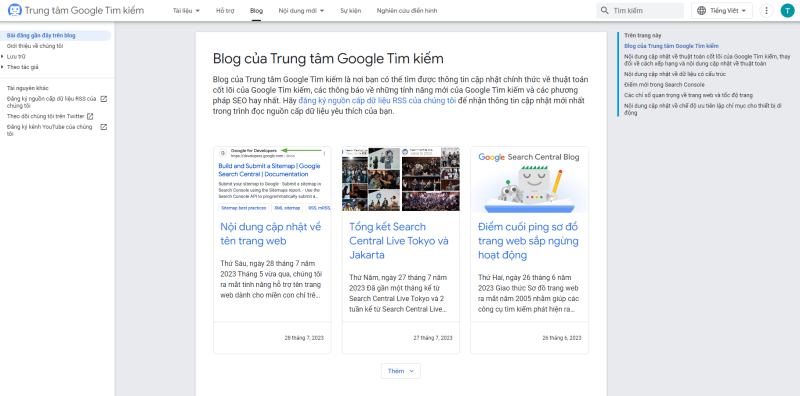
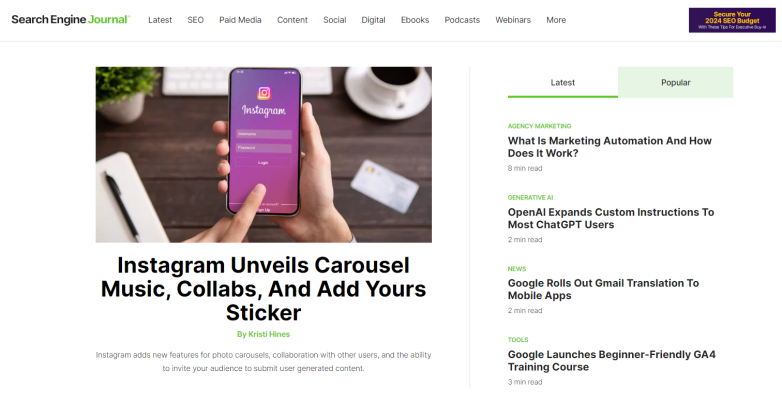
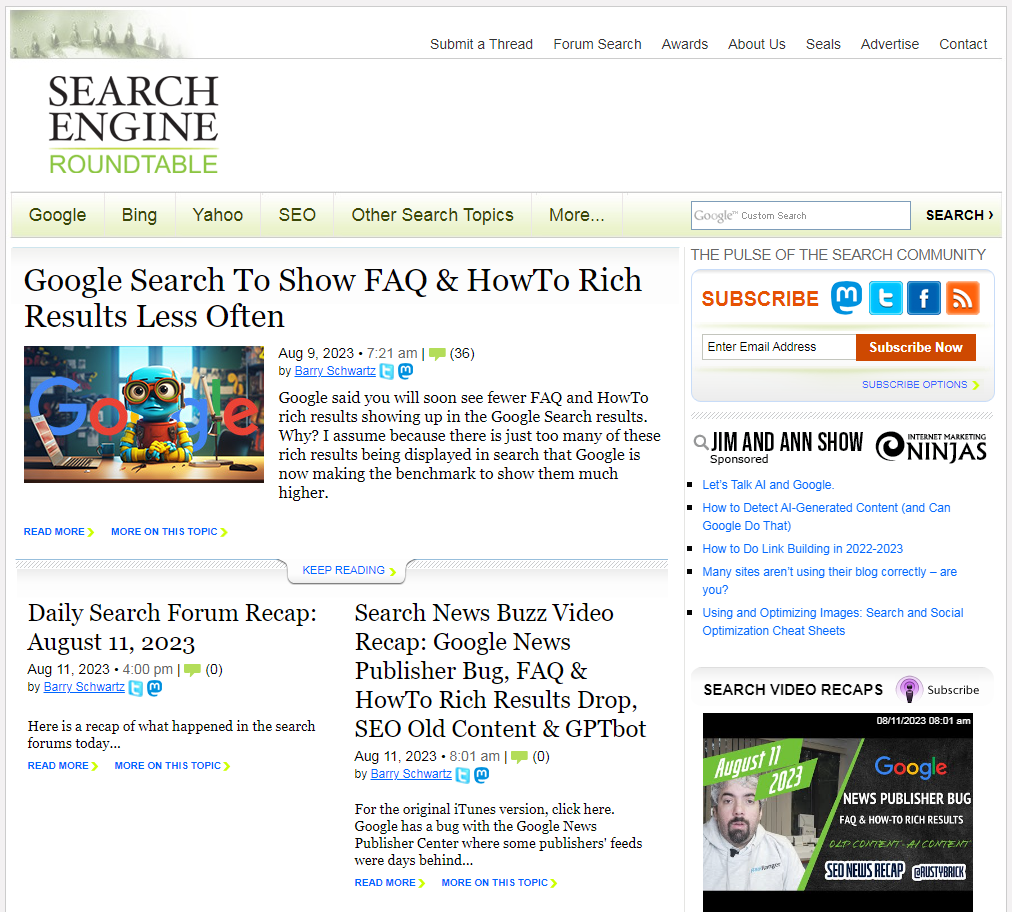
Here are the SEO forums you should join:
How Can You Check Whether Your Website Has Been Affected by the Google Algorithm?
If you notice sudden swings in your website’s traffic, leads and conversion rate, the Google algorithm may be the cause. Consider running a comprehensive site audit to determine whether the latest Google algorithm update has affected your website.
Use Google Search Console
Google Search Console is a free tool developed by Google to measure and evaluate your website’s performance under the Google algorithm, including impressions, clicks and click-through rate. Watch the video below to learn how the tool works and how to use it.
Use Google Analytics
Another free tool you can use for an overall check of your website under the Google algorithm is Google Analytics. It can help you better understand your website and visitor engagement. The reports also contain suggestions on how you can improve your website’s performance.
In Summary
In summary, understanding the Google algorithm and how to optimize your website is an essential part of making sure your site earns good visibility and engagement from users through search results. It takes continuous effort and careful monitoring of changes to the Google algorithm to maintain and improve your position on search engine results pages.

Nguyễn Đình
Bảo




As CEO of The7, I am committed to sharing practical, useful knowledge with every reader. Every article on The7 is based on my 7 years of hands-on experience in marketing — Facebook advertising, LinkedIn advertising, Google advertising, and marketing strategy. I hope you take away plenty of insight from these posts and apply it successfully in practice.
Related Articles
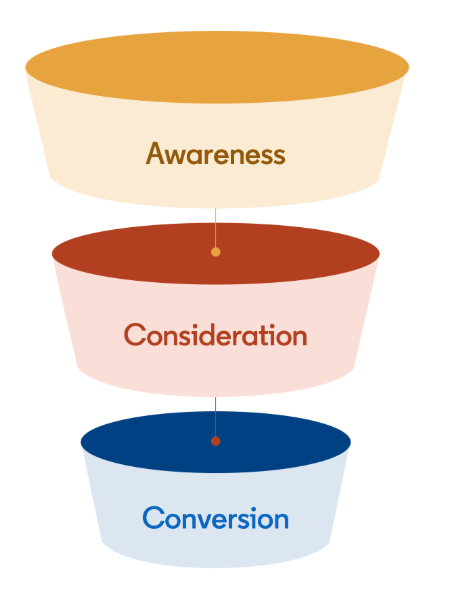
Building a Full-Funnel Content Marketing Strategy on LinkedIn
Table of Contents Toggle Why Build Content Marketing for the Full Marketing Funnel? (Why Full-Funnel Content Marketing?)Creating Your Strategy (Creating Your Strategy)Implementing Your Content Strategy (Rolling out your content strategy)Summary...
Designing Creative Content for LinkedIn
Table of Contents Toggle Why Is Good Creative Content So Important? (Why is Good Creative Important?)Key Components of Creative Design (the core elements of creative design)Summary (summary) Why Is Good...

Building an Organic Business Presence on LinkedIn With a LinkedIn Page
Table of Contents Toggle Why Have a LinkedIn Page?Establishing Your LinkedIn PageKeeping Your LinkedIn Page ActiveThe Measure of SuccessSummary About LinkedIn Page (Summary) Why Have a LinkedIn Page? For a...

6 Best LinkedIn Marketing Strategies for B2B in 2026
Table of Contents Toggle LinkedIn 2026: Where B2B Decisions Get MadeStrategy #1 – Why Is LinkedIn the Best B2B Marketing Channel Today?1. Decision-makers are concentrated here2. Users are in work...

7 Social Media Trends for 2026: The Era of Real Value, Real Conversion, and Real People
Table of Contents Toggle Social media is entering the biggest restructuring of the decadeTrend 1: Why is buying directly in-app becoming the new standard for 2026? (On-Platform Conversion)What should businesses...

What Is TikTok Marketing? Effective TikTok Marketing Strategies
TikTok has been topping the global rankings of the most downloaded and most visited apps. That makes it a gold mine for marketers who love creativity. In this article, The7...