


What Is Scarcity? Examples and Practical Applications of Scarcity in Marketing

Scarcity, also known as shortage, plays a key role in economic theory. It is a way of appealing to customer psychology in order to achieve business results. How powerful is scarcity in marketing? So what exactly is scarcity? Let The7 walk you through this term in the article below.
What Is Scarcity?
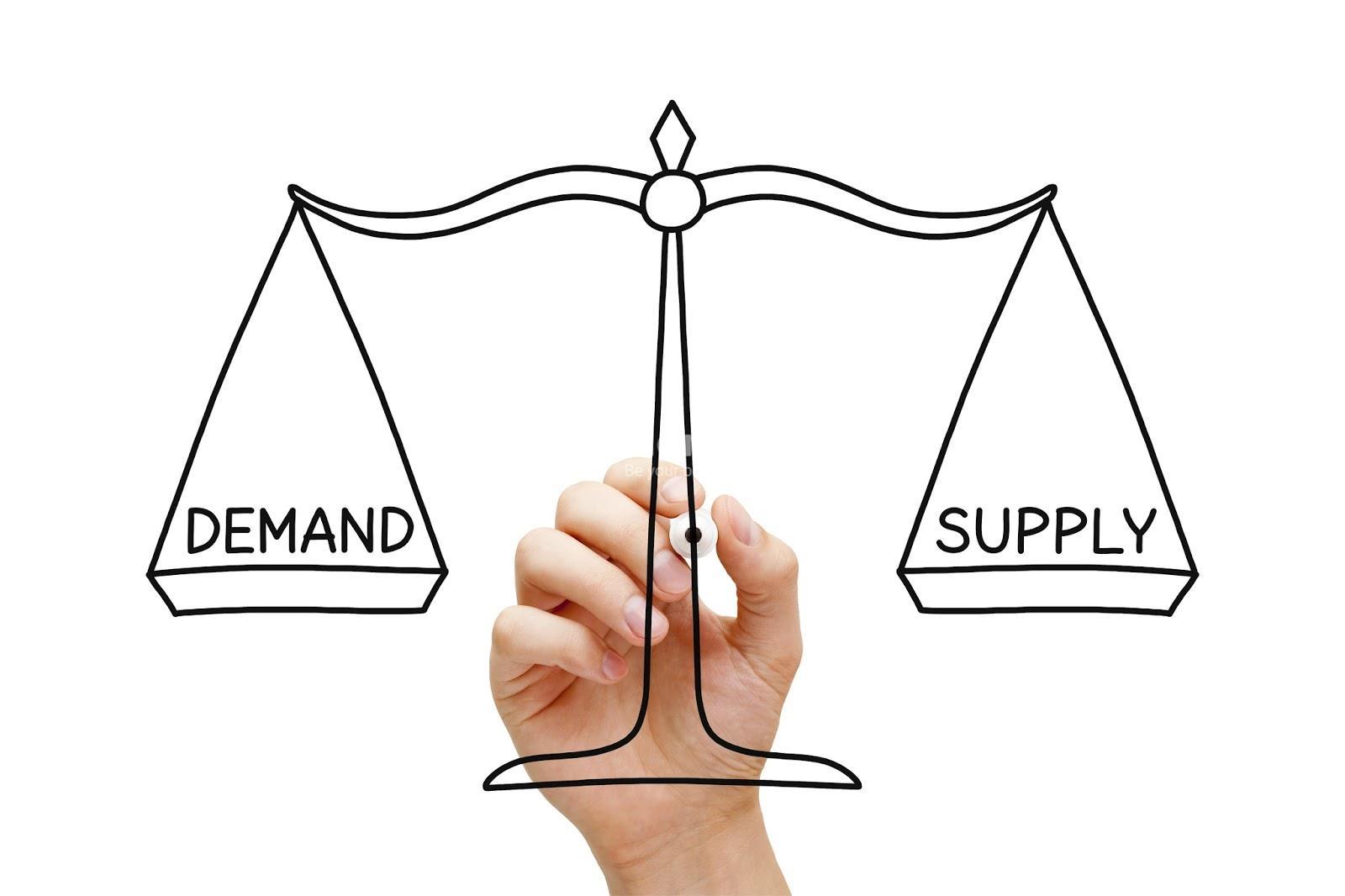
What is scarcity? Scarcity is a concept that expresses the relationship between the limited nature of resources and the unlimited nature of society’s demand for a particular good or service. It points to a reality in our lives that reflects a common belief: “what is precious is rare.” The opposite of scarcity is abundance, surplus, and sufficiency.
Scarcity shows that life offers only a finite amount of labor to produce a given quantity of goods, or that an individual may lack the financial resources to buy a certain product.
Walras defined social wealth this way: “Everything, material or immaterial (it does not matter in this context), is scarce, meaning that, on the one hand, it is useful to us and, on the other, it is available to us only in limited quantity.”
Lionel Robbins, the renowned economist, stated his definition of scarcity in economics as follows: “Economics is the science which studies human behavior as a relationship between ends and scarce means which have alternative uses.”
In short, we can understand that there will be times in an economy when goods are scarce, because the resources for production are always limited while human needs keep growing. As a result, there are not enough resources to meet and satisfy those needs.
>>> See more: Holistic marketing: what it is, its benefits, and how to implement Holistic Marketing
An Overview of Scarcity in Marketing
What is scarcity marketing? Scarcity marketing is entirely a matter of psychology, and you can see it all around you. It is one of the most effective psychological tactics in marketing for persuading customers, and it shows up through a variety of different effects.
In theory, economics originates from the scarcity of resources in society and from people’s unlimited needs. This also indicates that resources are limited, so we have to make the most of them, using the best knowledge and techniques available to produce the maximum, yet still limited, quantity of each economic good.
On the other hand, if the condition of scarcity did not exist, meaning that the goods and services on the market were unlimited, there would be no economic goods, that is, no goods that are relatively scarce.
In reality, scarcity does not come only from limited resources. It is also a consequence of human activity or of what society provides. For this reason, we can divide scarcity into two types: relative scarcity and absolute scarcity.
Malthus set out his view of absolute scarcity as follows:
“The theoretical foundation of conventional wisdom has dominated the debate, both scientific and ideological, on hunger and global famine for almost two centuries.” To make this view clear, in an essay called An Essay on the Principle of Population written in 1798, he observed that some countries had steadily rising food output. That, in turn, gradually improved the quality of life of their people.
However, this period was only temporary, because it led to population growth. One explanation is that people tend to use abundance to grow the population rather than to sustain a high standard of living. The population keeps growing until the lower classes are forced to live in hardship and hunger. His view was completely opposite to the progressive thinking in Europe.
Daoud, for his part, argues: “A strong reproductive drive combined with a weak capacity to expand food production will very quickly lead to scarcity and therefore famine. The fundamental relationship between the demand for food and the capacity to produce it is the ultimate determinant of population growth.”
We can see that Malthusianism recognizes two types of scarcity: first, scarcity of food, and second, scarcity of the suppliers who meet human needs, also understood as “available quantity.”
Here are some concepts of scarcity, surplus, and sufficiency:
- Absolute sufficiency is when people’s demand for a specific good or service equals the quantity of that good or service available.
- Absolute scarcity is when people’s demand for a certain good or service is greater than the available supply of that good or service.
To add to these concepts, Robbins pointed out that:
The decision maker may want to increase their income or to create more assets from their income. Or the decision maker may lack the capacity to do either of the two. In this case, the means cannot be determined.
If the decision maker can increase both their income and their assets, the situation is considered unconstrained, or the parties involved are not subject to scarcity. There is a difference between what the decision maker wants and the factors that make up the income and assets generated. Robbins states clearly: “It is possible to distinguish them in order of importance, and then behavior necessarily assumes the form of choice.”
In the end, views on absolute and relative scarcity have always differed. Still, relative scarcity is the starting point of economics.
Scarcity in Marketing Today
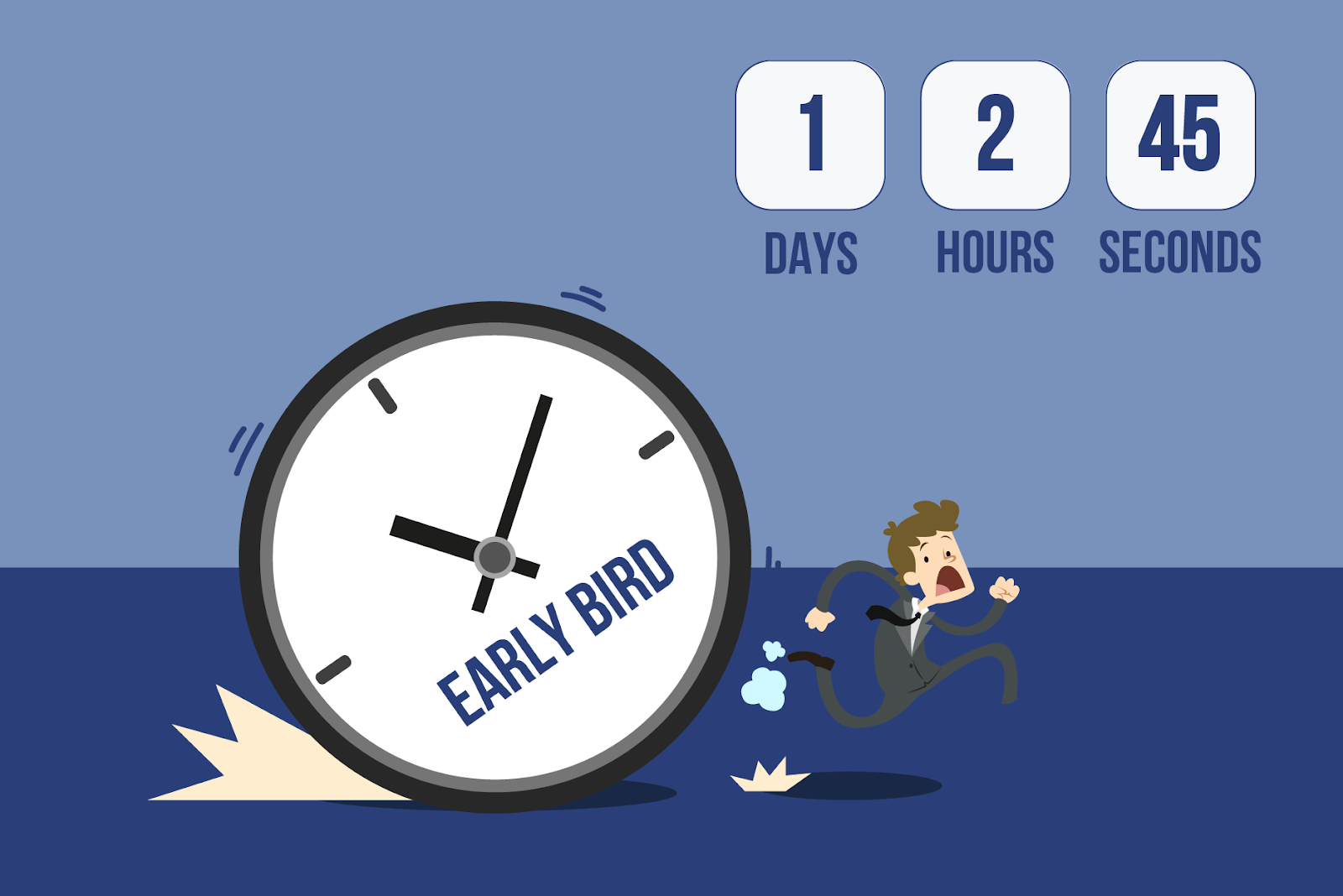
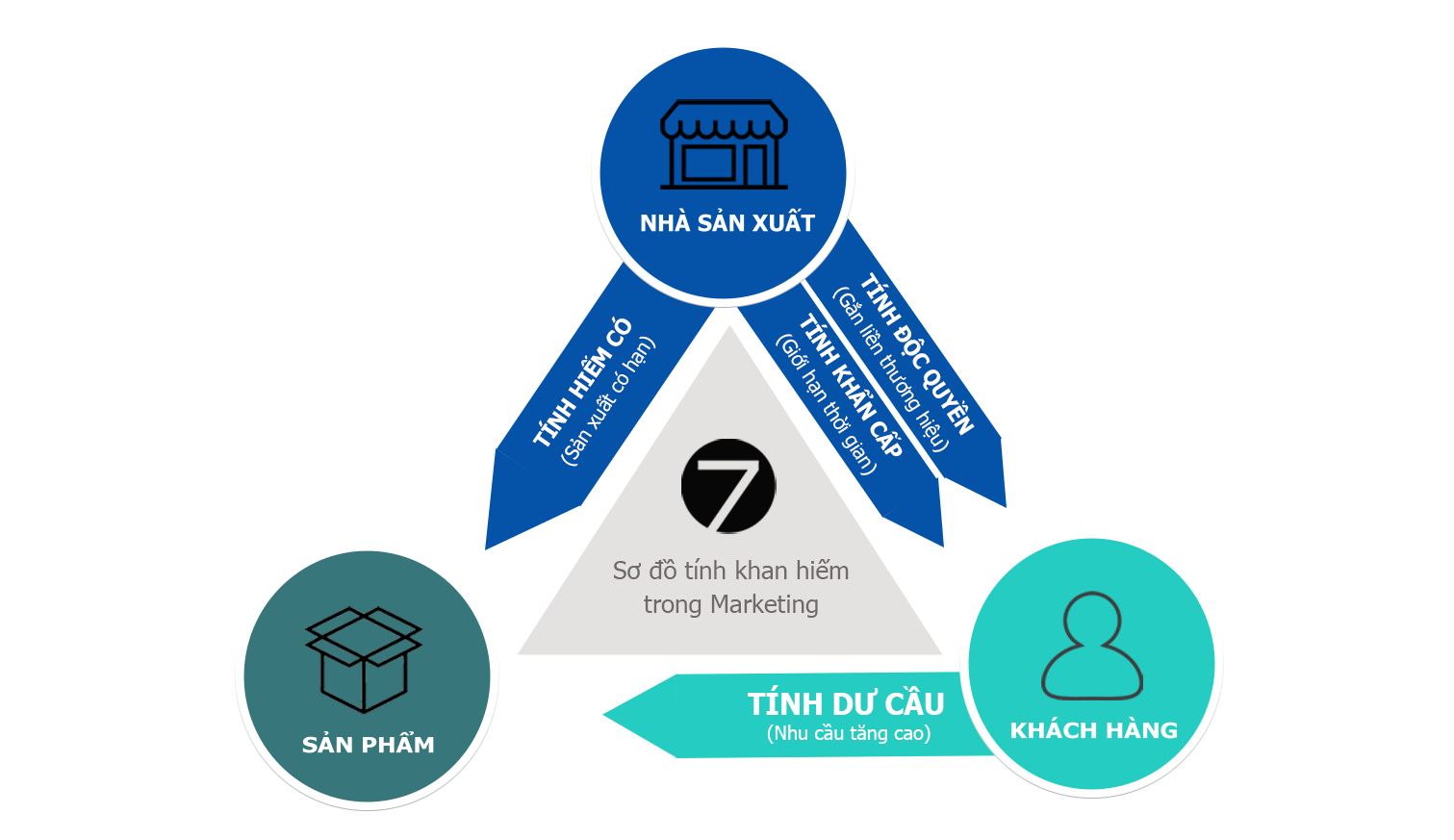
Based on the theory of scarcity, the term scarcity in marketing describes a customer psychology phenomenon: wanting to own a specific good or service while having very little chance of getting it.
For that reason, marketers rely on customer psychology and apply the law of scarcity to create appeal and business results by tapping into customers’ minds, which makes them decide to spend money faster. However, alongside the “power” of scarcity marketing, there is also a downside.
Here are a few examples of applying scarcity in marketing:
- Set a time limit on promotions to urge customers to act fast and grab the deal before time runs out.
- Produce a fixed quantity of goods and tell customers it is a limited edition with limited stock, giving consumers a nudge to want to own it right away. This is considered a smart and highly effective way to sell.
- Or simply use the pre-order tactic, taking orders in advance because quantities are limited. With this approach, your product becomes more special and may sell out thanks to the scarcity technique.
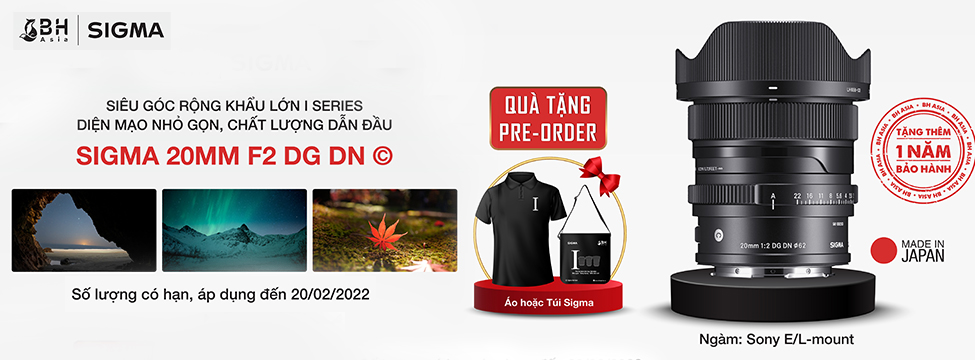
That said, this does not mean the approaches above will be 100% effective. You need to choose the right method and the right product to improve your results. Don’t apply every scarcity tactic to all of your goods and services, because that will make customers skeptical rather than eager and motivated to buy.
When people face a scarcity of resources, they have to make choices. Choosing puts people into a trade-off: to produce one more unit of one good, they must give up a certain amount of another. This is the opportunity cost of producing a good.
That is why, when making a decision on any choice, we need to weigh and compare the options based on opportunity cost, so that we can make the best choice, the one with the smallest opportunity cost.
We hope this article has given you some useful knowledge that answers the question of what scarcity is, along with an overview of how scarcity is applied in practice in marketing.
To keep learning more useful knowledge, or to get a consultation on full-service marketing, visit The7’s website now: https://the7digital.com
The7 is a leading, trusted full-service online marketing provider in Vietnam. With more than 5 years of hands-on experience, The7 is confident it can help your business grow in the right direction.
How Can The7 Help You?
At The7, we offer two main online marketing services: dedicated consulting and quality implementation. Both are delivered by specialists and experts who have received in-depth training. From there, we design a tailored roadmap for your business to roll out suitable and optimized online advertising services, while completely eliminating activities that bring no practical benefit.
With years of industry experience, The7 works alongside your business to define the direction and execution of an effective online marketing strategy, minimizing the risks of running digital activities on your own.
The7 plans and executes full-service online marketing, built on advertising solutions across Facebook, Instagram, and Google, plus web design and content marketing services.
For information about our services, connect with us today via Hotline: 082 246 7979 – 028 3899 7377 or visit https://the7digital.com/ for a consultation!
>>> You may also want to read these articles:
- Viral effect: what it is and its practical applications in marketing
-
What is marketing? The 13 most popular forms of marketing in 2023

Nguyễn Đình
Bảo




As CEO of The7, I am committed to sharing practical, useful knowledge with every reader. Every article on The7 is based on my 7 years of hands-on experience in marketing — Facebook advertising, LinkedIn advertising, Google advertising, and marketing strategy. I hope you take away plenty of insight from these posts and apply it successfully in practice.
Related Articles
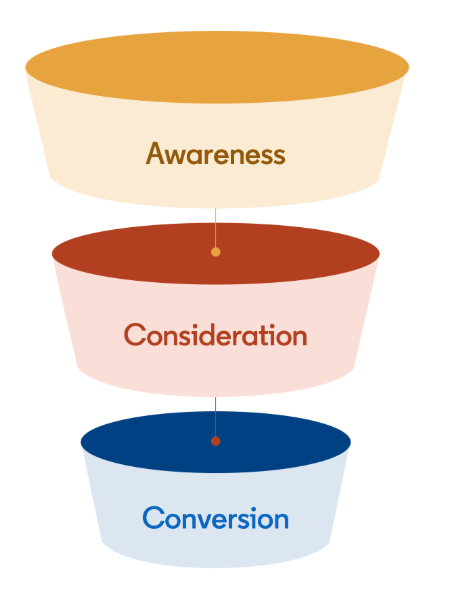
Building a Full-Funnel Content Marketing Strategy on LinkedIn
Table of Contents Toggle Why Build Content Marketing for the Full Marketing Funnel? (Why Full-Funnel Content Marketing?)Creating Your Strategy (Creating Your Strategy)Implementing Your Content Strategy (Rolling out your content strategy)Summary...
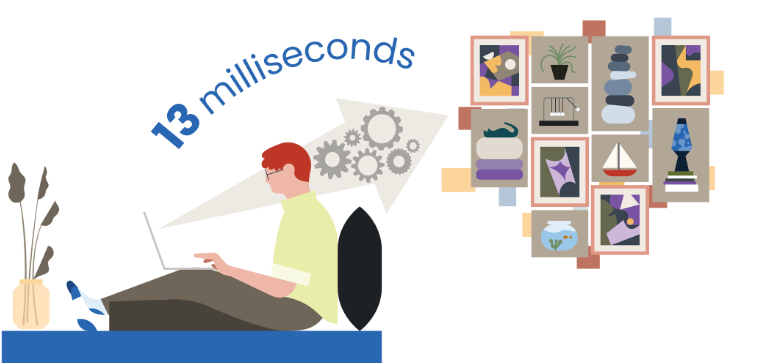
Designing Creative Content for LinkedIn
Table of Contents Toggle Why Is Good Creative Content So Important? (Why is Good Creative Important?)Key Components of Creative Design (the core elements of creative design)Summary (summary) Why Is Good...
Building an Organic Business Presence on LinkedIn With a LinkedIn Page
Table of Contents Toggle Why Have a LinkedIn Page?Establishing Your LinkedIn PageKeeping Your LinkedIn Page ActiveThe Measure of SuccessSummary About LinkedIn Page (Summary) Why Have a LinkedIn Page? For a...
6 Best LinkedIn Marketing Strategies for B2B in 2026
Table of Contents Toggle LinkedIn 2026: Where B2B Decisions Get MadeStrategy #1 – Why Is LinkedIn the Best B2B Marketing Channel Today?1. Decision-makers are concentrated here2. Users are in work...

7 Social Media Trends for 2026: The Era of Real Value, Real Conversion, and Real People
Table of Contents Toggle Social media is entering the biggest restructuring of the decadeTrend 1: Why is buying directly in-app becoming the new standard for 2026? (On-Platform Conversion)What should businesses...

What Is TikTok Marketing? Effective TikTok Marketing Strategies
TikTok has been topping the global rankings of the most downloaded and most visited apps. That makes it a gold mine for marketers who love creativity. In this article, The7...