


5 Basic Emotional Factors in Marketing
Which emotional marketing factors have the biggest impact on your potential customers’ buying decisions?
When you understand the emotional drivers (motivations) that make people decide to buy, you will sell more and attract more customers who are eager to buy from you.
So it is no surprise that marketers regularly use emotional triggers to reach their marketing goals. That is how emotional marketing was born.

Below are 5 of the most powerful emotions that drive most of our choices. If you understand the emotional reasons that push customers to buy your product, you can also “trigger” those same emotions in your potential customers.
Fear

Fear is one of the five most powerful and most instinctive triggers that make people act immediately. Plenty of ads have used a fear-based approach, such as:
– Chinsu soy sauce is free of 3-MCPD -> If you use another brand, you could be at risk of cancer
– Anlene milk fights osteoporosis and keeps bones strong and healthy -> If you don’t drink it, you could get spinal pain and degeneration
– Colgate toothpaste protects for 12 hours -> If you don’t use it, you get cavities
When people are afraid, they fall into a kind of hypnotic, suggestible state and want to use that product or service right away to feel safe. Many people buy on the principle of fear. It is not because they want to make the right decision; they are afraid of the consequences of making the wrong one.
Greed

In marketing, a message that appeals to human greed is always especially effective.
Tricks like buying in bulk for a discount or getting a free promotional gift get used again and again without ever getting stale.
Tapping into human greed and hitting it just right has a powerful effect on customers’ buying decisions, pulling them into a whirlpool of promotions they can’t escape.
Pride and Vanity

Everyone wants to be admired and respected by others. That is why marketing messages that make customers feel honored when they buy or use a product or service help increase the desire to own it.
– Drinking Chivas 21 feels classier and more impressive than the 12 and 18 (even though very few people can tell the difference between the three)
– Using the newest iPhone is what makes you stylish (a trend)
– Carrying an LV bag makes everyone who sees it gasp with admiration (because of the brand value and the price)
Marketing that targets pride is often used by luxury brands to give their customers a sense of status.
Love

What do your customers love? It could be a partner, family, pets, a business, a career, culture, hobbies, books, personal time… Do they buy from you for one of these “loves”? If so, how can you recognize that and encourage others who share the same love?
Love is a powerful emotion (the strongest, deepest driving force of all is the force of love). We can do strange things when we’re in love and for love. People want to give plenty of beautiful, expensive gifts to the ones they love.
They may compose music, write poetry, or endure hardship – all for love. People can even do stranger things out of love for their pets. Love for a hobby, an art form, or a culture can drive them to spend large sums of money to get it, nurture it, and enjoy it.
Guilt

It is often hard to know the real reason someone buys something new, invests money, or gives a gift. Is it love or guilt? Is guilt the real motive behind spending money on Christmas gifts, Valentine’s Day, and Mother’s Day? Does the guilt of not buying push potential customers to buy? Can you use guilt to sell more? Have door-to-door salespeople selling encyclopedias or vacuum cleaners taken advantage of customers’ guilt?
Is it love or guilt that flashes through a person’s mind when they arrange a funeral for a loved one who has passed away? Do you feel guilty when you fail to tap into your potential customers’ emotions and miss out on orders?
Emotional Marketing Tips You Need to Master
Like any other marketing strategy, there is a right way to do emotional marketing. Take a look at the following best practices so you don’t confuse your audience’s emotions.
Understand Your Audience on a Deeper Level.
We’re talking about emotional connection here, and the only way to reach your audience’s hearts is to understand them on a more personal level. What are their deepest fears, strongest desires, struggles, and motivations?
By now, you may have already built accurate buyer personas for your marketing campaigns. Let them guide you. If not, it’s time to consider building some.
Tell a Story.
Once you truly understand your target customers, use that knowledge to craft a story in which they can see a part of themselves.
People love stories they can relate to, learn from, or be inspired by. Offer something that readers will be excited to share with their colleagues. Bring your story to life by following five essential elements: characters, setting, plot, conflict, and theme.
Pay Attention to Creative Design.
It’s a fact that color has a powerful effect on every person’s emotions. For example, blue has a calming effect, while red can raise your heart rate. As a marketer, you can use the power of color to amplify the emotional appeal of your marketing content.
But design isn’t just about color. It can involve music, too. A study of Australian consumers found that music can create strong emotional responses that influence a person’s perception of a brand. For example, chords played in short, low notes in a major key can create happiness and excitement, while a shift from a major key to a minor key can bring on sadness or gloom.
So if your ad has an audio component, make sure you set the mood with music and sound that complement it.
Be Authentic.
Emotional marketing always carries some risk, so you need to be careful when making it your strategy. You simply can’t play with emotions or fake them and expect to get away with it. You need to understand your brand’s core values and align them with your campaign. Your sincerity and authenticity matter because your audience can feel it.
Create Compelling Content Your Audience Can Feel
Emotional marketing can be complex, but it isn’t hard for marketers to take advantage of it. After all, we’re all human, so we all inherently feel emotions.
So the next time you create a piece of content, think about how you can use emotion to build a stronger message. The idea is to drive engagement, so don’t be afraid to strike a few chords. Stay true to your brand promise to make the connection authentic, and make sure your message is sincere.
What’s the best piece of emotional marketing you’ve seen lately? Let us know in the comments!
How Can The7 Help You?
At The7, we offer two core full-service marketing options: dedicated consulting and high-quality implementation. Both are delivered by a team of specialists and experts with in-depth training. From there, we design a tailored roadmap for your business to roll out the right, optimized online advertising services, while completely cutting out any activities that don’t deliver real value.
With years of industry experience, The7 will work with your business to map out the direction and execution of an effective online marketing strategy, minimizing the risks of running digital activities on your own.
The7 plans and executes a full online marketing program built on advertising solutions across Facebook, Instagram, and Google, plus web design and content marketing services.
For more information about our services, connect with us today via Hotline: 082 246 7979 – 028 3899 7377 or visit https://the7digital.com/ for a consultation!
>>> You may also want to read these articles:
- What Is Marketing? The 13 Most Popular Types of Marketing in 2023
- Integrated marketing: What It Is, Its Role, and How to Plan It in 2023
- Customer profiles: What They Are and 5 Ways to Create One
- Growth Hacking and Growth Marketing
- Word of Mouth Marketing: What It Is and the Benefits of WOM
- What Is an Insight? How to Identify Customer Insights Effectively
- Applying psychology in marketing

Nguyễn Đình
Bảo




As CEO of The7, I am committed to sharing practical, useful knowledge with every reader. Every article on The7 is based on my 7 years of hands-on experience in marketing — Facebook advertising, LinkedIn advertising, Google advertising, and marketing strategy. I hope you take away plenty of insight from these posts and apply it successfully in practice.
Related Articles
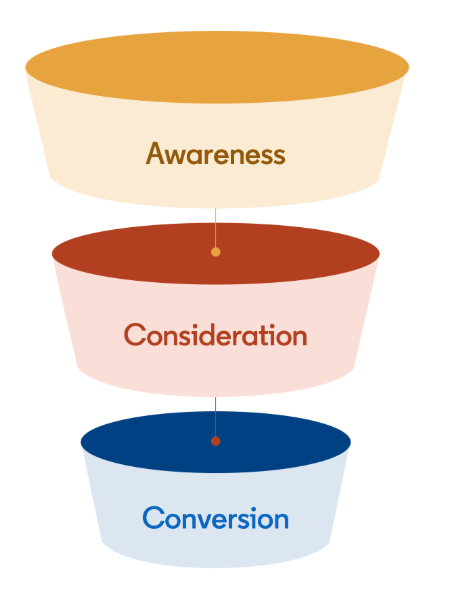
Building a Full-Funnel Content Marketing Strategy on LinkedIn
Table of Contents Toggle Why Build Content Marketing for the Full Marketing Funnel? (Why Full-Funnel Content Marketing?)Creating Your Strategy (Creating Your Strategy)Implementing Your Content Strategy (Rolling out your content strategy)Summary...
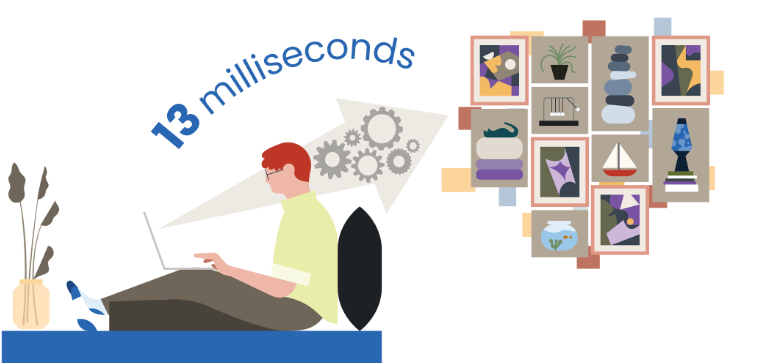
Designing Creative Content for LinkedIn
Table of Contents Toggle Why Is Good Creative Content So Important? (Why is Good Creative Important?)Key Components of Creative Design (the core elements of creative design)Summary (summary) Why Is Good...
Building an Organic Business Presence on LinkedIn With a LinkedIn Page
Table of Contents Toggle Why Have a LinkedIn Page?Establishing Your LinkedIn PageKeeping Your LinkedIn Page ActiveThe Measure of SuccessSummary About LinkedIn Page (Summary) Why Have a LinkedIn Page? For a...
6 Best LinkedIn Marketing Strategies for B2B in 2026
Table of Contents Toggle LinkedIn 2026: Where B2B Decisions Get MadeStrategy #1 – Why Is LinkedIn the Best B2B Marketing Channel Today?1. Decision-makers are concentrated here2. Users are in work...

7 Social Media Trends for 2026: The Era of Real Value, Real Conversion, and Real People
Table of Contents Toggle Social media is entering the biggest restructuring of the decadeTrend 1: Why is buying directly in-app becoming the new standard for 2026? (On-Platform Conversion)What should businesses...
What Is TikTok Marketing? Effective TikTok Marketing Strategies
TikTok has been topping the global rankings of the most downloaded and most visited apps. That makes it a gold mine for marketers who love creativity. In this article, The7...