


: Enhancing User Experience in Digital Campaigns)
Chatbots and Artificial Intelligence (AI): Enhancing User Experience in Digital Campaigns
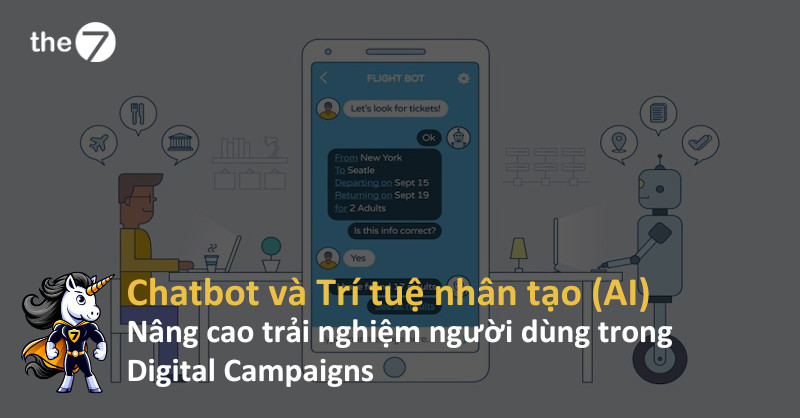
In the digital marketing world, where innovation and change never stop, campaigns have evolved into many different forms and styles.
We have watched advertising move from simple banners to dynamic video content, and now we are welcoming a new era shaped by intelligent systems like chatbots and AI. These technological innovations are more than buzzwords; they are changing how businesses interact with their audiences in the digital space.
Think back to when simple static websites were the standard. A business’s online presence was little more than a digital brochure, with no ability for two-way interaction. Fast forward a few decades, and we are now seeing immersive experiences, augmented reality ads, and real-time interactive tools. The key to this transformation is the combination of conversational interfaces with a human-like personality and the powerful processing capabilities of AI.
Although they began as simple scripted-response systems, chatbots, with the help of AI, have become advanced tools businesses use to chat with, guide, and better understand their audiences. Instead of passively consuming content, users are now greeted with dynamic interactions that make their digital journey feel a little more ‘human’.
The Growing Importance of User Experience (UX) in Digital Marketing Strategy
The digital world has one basic rule: “User experience is the key to success.” The smoother, easier, and more enjoyable the user journey, the more likely users are to take a conversion action – whether that is making a purchase, signing up for a newsletter, or simply spending more time on your platform.
The Link Between User Experience (UX) and Conversion Rate
The ease of use of a website or app has a direct impact on a visitor’s decision-making process. When users struggle to navigate or understand the information, they are very likely to leave immediately.
Conversely, when they enjoy a smooth interactive experience and get fast responses – such as when using a chatbot – they are usually more engaged and more likely to convert.
Traditional advertising mostly focused on broadcasting a message and hoping to reach the right audience. Today, the focus has shifted to conversation. AI-powered chatbots support this by providing customized responses based on users’ behavior and preferences, so the experience feels less like a generic broadcast and more like a personal conversation.
What Is a Chatbot?
At its core, a chatbot is a computer program created to simulate communication with users, but it goes well beyond delivering scripted responses.
Definition and History
The term “chatbot” comes from the phrase “chat robot,” reflecting its function of imitating human conversation. Dating back to the early days of computing, the first chatbots were fairly simple, offering only basic answers to specific requests. The best-known example from that time is ELIZA, a program created in 1966 and designed to simulate a Rogerian psychotherapist. Over time, as technology has advanced, both the capabilities and the intelligence of these bots have improved.
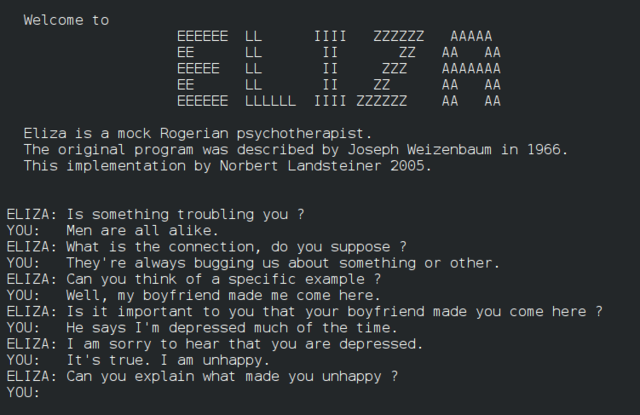
Types of Chatbots: Rule-Based and AI-Based
- Rule-based chatbots:
These chatbots operate on fixed, predefined rules. They can only respond to certain commands and cannot recognize or process information outside the scope of those rules.
- AI-based chatbots:
Modern AI-powered chatbots can go beyond preset scripts. They learn from user interactions, detect behavioral patterns, and process natural language. This allows them to understand and respond to a wide range of requests, even ones they were never explicitly programmed for.
How Chatbots and AI Are Transforming Digital Campaigns
In today’s world of digital campaigns, chatbots and AI have driven significant progress. These tools are refreshing the way businesses communicate with their audiences, making the process more efficient and tailored to individual needs.
Customization at Scale: Delivering Personalized Experiences Without Human Intervention
Imagine walking into a store where the salesperson knows exactly what you need before you say a word. Chatbots and AI deliver a similar experience online. By analyzing users’ behavior, preferences, and interaction history, AI-powered chatbots can personalize the conversation with each user, making sure they receive the right information and solutions.
Chatbots Are Always Available 24/7: Chatbots Never Need a Break
Traditional stores have fixed opening hours, and people need rest. Chatbots, by contrast, work around the clock. Day or night, rain or shine, they are always there. This ensures users get an instant answer to every question, regardless of the time, which raises their overall satisfaction.
Fast Response Times Boost User Engagement
The days when users were willing to wait for responses are gone. In today’s world, where everyone wants things fast, a delayed response can put users off. Chatbots deliver instant interaction, keeping users engaged and satisfied, which increases the likelihood that they will stick with your platform and take conversion actions.
Collecting Valuable User Data to Improve Campaigns
Every chatbot interaction yields deeper insight. Whether it is frequently asked questions, user preferences, or feedback, AI-powered chatbots capture and analyze this data. Marketers can use these insights to fine-tune their campaigns, making them more effective and more user-focused.
Benefits of Using Chatbots in Digital Campaigns
Chatbots, especially AI-powered ones, can resolve user issues quickly. From providing information and handling complaints to guiding users through processes, chatbots improve the effectiveness of customer service.
A Cost-Effective Way to Scale User Engagement
Hiring staff for 24/7 customer support can be expensive. Chatbots are a budget-friendly option that helps businesses expand their support and engagement efforts without a big increase in costs.
Boosting Engagement Through Conversations
Chatbots enable two-way interaction. Instead of just scrolling past content, users take part in conversations, creating a richer experience and deeper engagement.
In addition, there are social media management tools that support work on these platforms. They let you schedule posts in advance, review analytics, and manage multiple pages. A good example is Planly, a social media management tool with many useful features. With Planly, you can also prepare social media captions using the AI Content Assistant.
Collecting and Analyzing User Feedback in Real Time
User feedback is an extremely valuable source of information. Chatbots can collect feedback right during the interaction, giving businesses instant insight into campaign performance and helping them identify what needs improvement.
Overcoming the Challenges of Using Chatbots in Digital Campaigns
Although chatbots have many advantages, they still come with some drawbacks. Recognizing and addressing these challenges helps them perform effectively.
No system is free of errors. Sometimes a chatbot may misunderstand a user’s question or provide incorrect information. Continuous monitoring and adjustment, together with a solid feedback system, will help minimize these mistakes.
The Importance of Continuous Learning and Updates
In an ever-changing digital world, chatbots need regular updates to reflect changes in user interactions, feedback, and technology.
Balancing Automation and Personalization
Although automated chatbots are efficient, the personal touch is still very important. Businesses need to make sure users can switch from a chatbot to a live agent easily, especially for complex issues.
Conclusion
As we wrap up our exploration of chatbots and AI in digital campaigns, it is clear that their influence is transformative and indispensable to the industry. Their outstanding ability to improve user experience, along with their efficiency in business operations, highlights their role in modern marketing.
From the first steps as scripted bots to the advanced AI versions we use today, chatbots have mirrored the evolution of digital campaigns. They are not just tools but important elements that shape the user journey. Their constant availability, fast responses, and personalized interactions have improved user engagement, making them an essential part of every successful digital campaign.
However, it is important to remember that while chatbots are powerful, they are not the right solution for every situation. They should be implemented carefully, putting user needs first and ensuring a balance between automation and irreplaceable human interaction.
For businesses that have not yet adopted this technology, the message is this: the future of enhancing user experience in digital campaigns is tied to the use of chatbots and AI. And that future is already right in front of us.
As we step into this fascinating digital era, businesses need to proactively find ways to integrate these intelligent systems into their strategy, continuously adjusting based on user interactions and feedback. Ultimately, in the digital world, evolution is not only inevitable but also essential for survival and success.

Nguyễn Đình
Bảo




As CEO of The7, I am committed to sharing practical, useful knowledge with every reader. Every article on The7 is based on my 7 years of hands-on experience in marketing — Facebook advertising, LinkedIn advertising, Google advertising, and marketing strategy. I hope you take away plenty of insight from these posts and apply it successfully in practice.
Related Articles
7 Social Media Trends for 2026: The Era of Real Value, Real Conversion, and Real People
Table of Contents Toggle Social media is entering the biggest restructuring of the decadeTrend 1: Why is buying directly in-app becoming the new standard for 2026? (On-Platform Conversion)What should businesses...
Artificial Intelligence (AI) Helping Solve Environmental Problems: Potential and Challenges
Artificial intelligence (AI) is driving a powerful revolution, reshaping life across many fields. With the strength of breakthrough technologies, AI is expected to be a key to solving global environmental...
How Coca-Cola Cleverly Uses AI in Flavor Development and Media Strategy
When people think of Coca-Cola, they usually picture explosive ad campaigns and a vibrant brand image. Few realize, however, that this beverage “giant” is quietly driving a marketing revolution with...
GPT-4o Officially Launches: The New Multimodal Super AI
OpenAI’s ChatGPT has just taken a major leap forward with GPT-4o (also known as Omni), a new generation of multimodal super AI. Beyond understanding language, GPT-4o handles images, video and...
5 AI-Driven Content Trends Taking Off in 2024
In the ever-changing world of marketing, innovation is the key to success. Staying ahead of trends and understanding customer needs are essential for any business that wants to claim a...
Applying Generative AI to Content Creation
Content creation has moved to center stage. Whether it’s a blog post, a marketing campaign, or a social media update, businesses and individuals are constantly competing to produce fresh content...