


Vespa’s Marketing Strategy Shift: A New Icon for Dynamic Young People
Once a luxury symbol tied to the upper class, Vespa has undergone a spectacular “makeover” aimed at young, dynamic customers: Gen Z. A bold, creative marketing strategy is the key that helped Vespa win over this demanding audience.
Vespa’s Journey of Change: From Retro to Trendy
78 Glorious Years and 17 Years in Vietnam
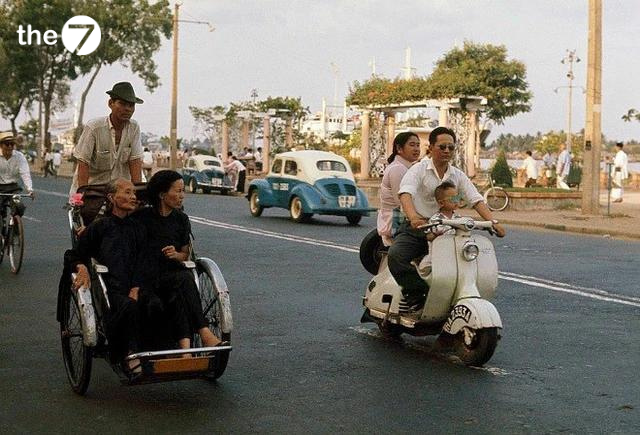
Vespa, the famous scooter brand from Italy, was born in 1946 and takes its name from the Italian word for “wasp”, a nod to the shape of the bike and the distinctive buzz of its engine. In 1954, after a journey of nearly 9,500 km, the first Vespa was brought to Vietnam by the French and quickly became a standout icon on the streets of Saigon. However, it was not until 2007 that Vespa officially entered the Vietnamese market.
Over 78 years since its founding and 17 years in Vietnam, Vespa has enjoyed glorious periods but has also faced no shortage of difficulties. At the start, this scooter had almost no chance of competing with other motorbike makers, especially Honda, on any of the criteria Vietnamese consumers care about. Even so, the brand persevered, step by step building a solid place in the hearts of Vietnamese consumers.
Positioning to Stand Out
Facing fierce competition in the scooter market and difficulty holding on to market share, Vespa found a new path to reposition the brand and set itself apart. It explored the intersection between distinctly Italian bikes and the fashion industry, a symbol of style and freedom across generations.
In Vietnam, working with a limited budget, the brand cleverly looked for ways to survive and grow. Getting buyers to overlook minor technical shortcomings in order to chase a global fashion trend, a concept still new in Vietnam, was no small challenge. Company staff attended shows by Đẹp Magazine, immersed themselves in the creative community, and laid the groundwork by supporting young designers such as Công Trí, Hà Linh Thư, Đỗ Mạnh Cường, and Lý Quý Khánh in staging fashion shows. In return, each designer created a one-of-a-kind design for Vespa.
As a result, Vespa got a “new outfit” with a more fashionable, upscale look, where performance shortcomings are offset by a refined exterior and distinctive design style.
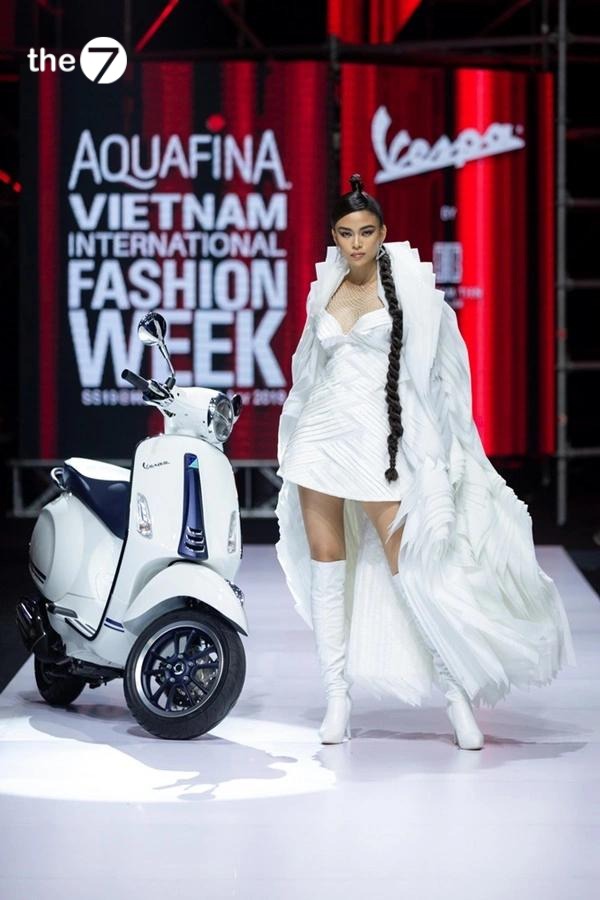
Globally, Vespa shows its ambition to capture the hearts of connoisseurs through originality and a sharp sense for catching the trends of the times. Its collaboration with sneakerhead Sean Wotherspoon, the best known in the world, not only demonstrates the image of a bold, free-spending motorbike but also spreads the brand’s spirit and its distinctive fashion statement. High-profile collaborations with leading fashion icons such as Christian Dior, Louis Vuitton, and Emporio Armani have taken Vespa to a new level, where people admire the brand not only for its luxury fashion style but also for an intangible value that goes far beyond the numbers. When you own a Vespa, you do not just get a means of transport; you own a fashion icon and a lifestyle.
Vespa “Keeps in Step” With Young People: The Journey to Winning the Gen Z Market
Today’s market is dominated by Millennials and Gen Z, young, dynamic, individualistic generations that are always eager to express themselves. Aware of this, Vespa caught the trend and rolled out creative marketing strategies that successfully attracted these potential customers.
Partnering With Famous Influencers
Jisoo – Blackpink
Getting ahead of fashion trends, Vespa made a highly effective communications “move” through collaborations with top icons of the fashion world. A prime example is the headline-making partnership with Dior, which produced the Vespa 946 Christian Dior to mark the 75th anniversary of both brands. Dior’s Creative Director, Maria Grazia Chiuri, personally designed this special model, delivering a perfect blend of Marc Bohan’s Dior Oblique pattern, the original Dior Monogram pattern, and the familiar CD logo on the body and the bag hook. But that is not all in Vespa’s impressive fashion journey.
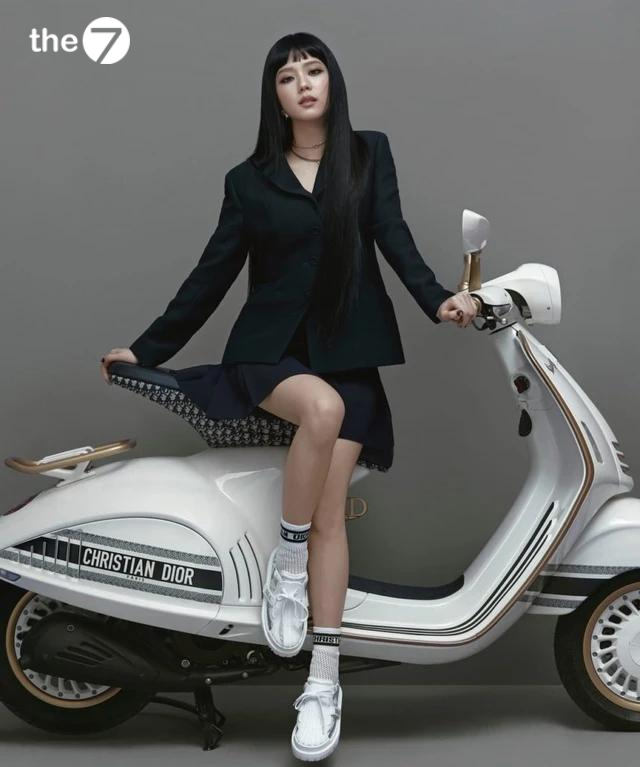
Dior, the French luxury fashion house, cleverly “teamed up” with Jisoo, the celebrated brand ambassador of the group Blackpink, to spread its name across Asia and the world. Jisoo’s appeal as Dior’s “muse” has contributed no small part to the fashion house’s resounding success.
The partnership between Dior and Jisoo does not stop at gorgeous outfits. It extends into vehicles with the Vespa 946 Christian Dior edition. A price of nearly 700 million VND for a motorbike may overwhelm many people, but Jisoo’s influence turned the Vespa 946 Christian Dior into a “must-have” for her fans.
In Vietnam, the Vespa 946 Christian Dior set off a genuine “craze” among buyers. With a limited run of just 33 units, this edition quickly “sold out” the moment it launched. The heat around this model kept pushing resale prices up, to double the manufacturer’s original starting price, reaching 1.5 billion to 1.8 billion VND, a figure equivalent to the price of a small luxury car.
The perfect combination of a prestigious brand and Jisoo’s appeal turned the Vespa 946 Christian Dior into a luxury fashion icon, affirming the status and refined taste of its owner.
A True Fashion Icon in the Series Emily in Paris
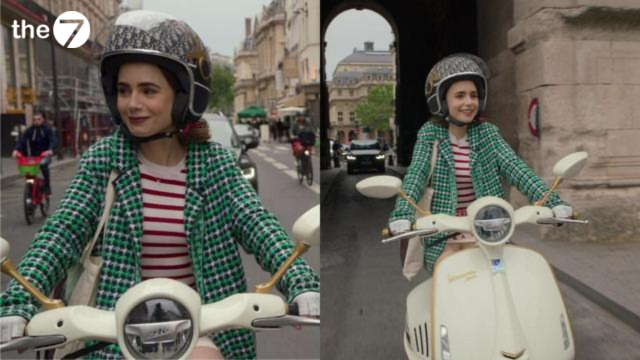
Thanks to this high-profile collaboration, the Vespa 946 Christian Dior had a golden moment on screen in the popular series “Emily in Paris.” The character Emily Cooper, played by Lily Collins, is a true fashion icon, whose dress sense created the “Emily Core” trend that young people eagerly chase. Vespa cleverly applied a Product Placement strategy, having the Vespa 946 Christian Dior appear subtly and naturally on the streets of Paris. The combination of fashion prestige and a show loved by style enthusiasts helped the Vespa 946 Christian Dior score strongly with the public.
>>> See more: Lessons From BVLGARI in “Queen of Tears”: The Art of Storytelling That Elevates Product Placement
Justin Bieber – Prince of Pop
The collaboration between Justin Bieber and Vespa is not an ordinary marketing project. It is a creative breakthrough, where the worlds of music and motor vehicles meet to create a one-of-a-kind piece. The brand keeps strengthening its position in fashion and lifestyle, and this time, the partnership with Justin Bieber is clear proof.
The Vespa x Justin Bieber is not just a means of transport but a symbol of personal style and prestige. From the striking white color and the refined pairing of seat and mirrors to nostalgic yet thoroughly modern details such as the white flames, every element blends together into a unique, unmistakable creation.
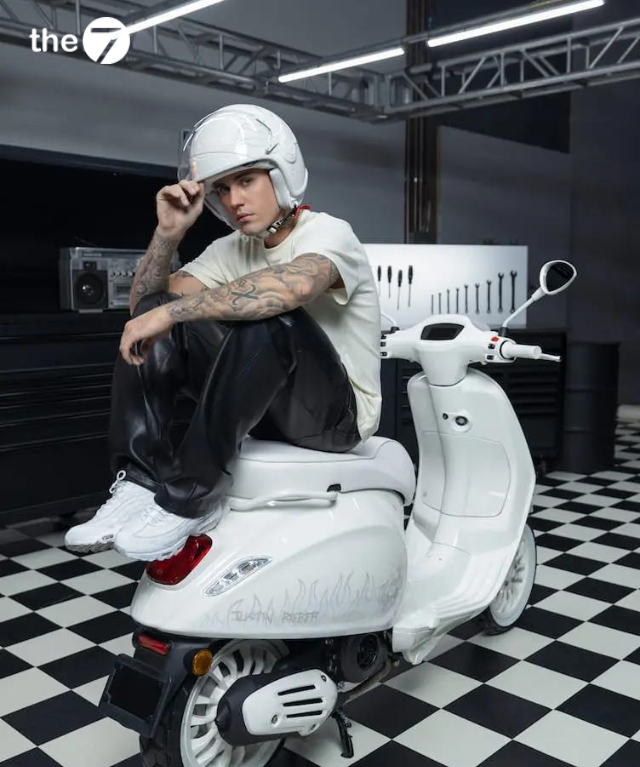
Justin Bieber did not just contribute ideas. He also personally designed small details such as the gloves, bag, and helmet to create a complete fashion look that carries his personal stamp. By sharing how it feels to ride a Vespa, Justin showed his passion and love for this line of scooters, which was the main inspiration for the project.
In Vietnam, the scarcity of the Vespa x Justin Bieber edition shows the appeal not only of the scooter but also of Justin Bieber’s name. Young people were excited not only about a quality product but also about seeing their idol join a renowned brand like Vespa to create a standout piece like this. This shows the brand succeeded in connecting with its target customers and creating unique experiences not only through the product but also through partnerships with top stars.
LowG and AntiantiArt – Promising Young Faces of Vietnamese Art
Vespa Vietnam does not just follow the global brand spirit. It also shows sharp judgment in choosing the names Gen Z loves most right now to take part in impressive advertising campaigns. LowG, a name familiar from big rap hits, joined the brand in bringing a fresh breeze to the world of design with the Vespa Sprint Carbon, affirming that their style is “cool” regardless of age or size.
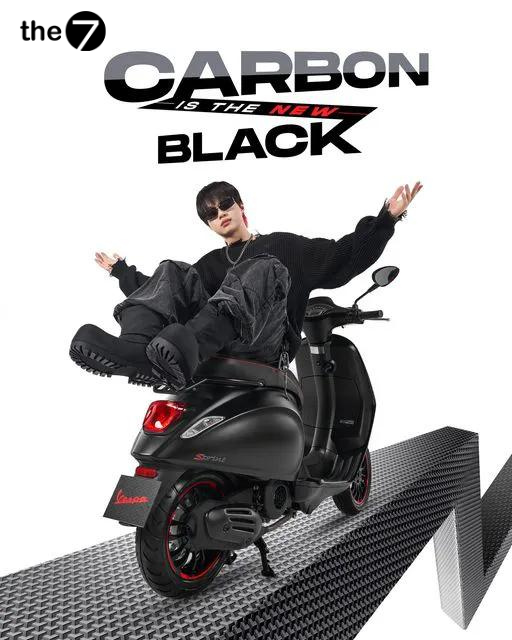
The photo series by LowG and Vespa is not just the product of big names coming together. It is also the result of AntiantiArt’s creativity. The youthful, distinctive spirit of young Vietnamese is expressed through the design of the Vespa Sprint Carbon, making the product more creative and unique than ever.
With this strategy, Vespa proved its ability to pick the right target audience, from influencers to high-profile celebrities. These partnerships not only boost its influence with Gen Z but also drive buying behavior, as fans want to “touch” their idols by owning these one-of-a-kind products.
Through these partnerships, the Vespa brand has not only kept its upscale, luxurious image but also become younger, more dynamic, and closer to Gen Z, an important part of today’s consumer market.
Vespa Elevates Gen Z Creativity: Contests With Real Style
Nearly a decade ago, Piaggio, Vespa’s parent company, officially launched the “Vespa Top Stylist Contest” in Vietnam. The event was not only an occasion to introduce the brand’s new positioning with the message “Vespa – Improvisation Takes the Throne,” but also a chance to celebrate the creative spirit of the modern Vietnamese generation, who are always looking for something new and individual.
After nearly a decade, Piaggio and Vespa still hold firm to the spirit of supporting limitless creativity and breaking boundaries. Alongside contests such as the “GenV Contest” and the “Photo Contest,” Vespa has created a platform for young people who love the brand to share their stories, expressing their style and personalization by pairing a Vespa with every Gen Z outfit.
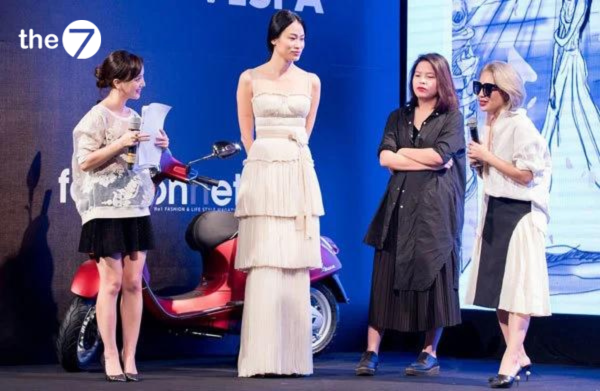
These contests are not only a place for the brand to show its diversity and personality but also a chance to build a closer, more lasting bond between the brand and young consumers. This creates positive engagement, where Vespa is not just a means of transport but a symbol of style and individuality.
Building the Vespista Community: “Đi Xe Chất, Sống Đậm Chất Riêng” (Ride in Style, Live Your Own Way)
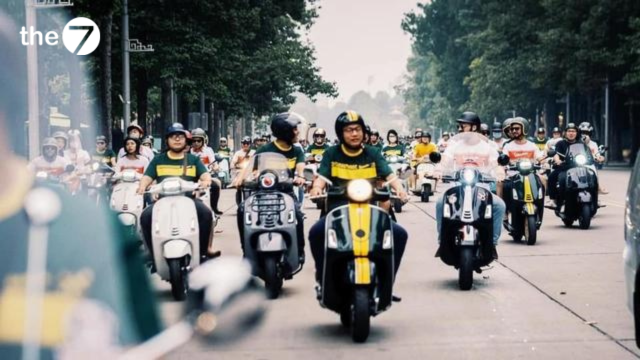
Vespa is not just an ordinary means of transport but a symbol of lifestyle and passion. In Vietnam, the Vespa brand focuses not only on improving its product but also on building an active, passionate, and close-knit Vespista community.
Modern Vespa Saigon is a typical example of this community, where the scooter is not just transport but a spiritual bond among fans of the brand. Activities such as the Vespa Day festival and the “Happy Colorful Birthday To Vespa” photo contest make it clear that, even at 78 years old, Vespa keeps evolving and striving to fit in with Gen Z and the trends of the times.
These efforts not only help the brand maintain its position but also show respect and encouragement for its fan community. Vespa is not only a long-standing icon of Italy but also an indispensable part of modern life and lifestyle.
Conclusion
As a long-established Italian brand, Vespa has not stood outside the march of the times. It is transforming to become younger and more dynamic in order to win over a group of potential customers: Gen Z. The brand has shown it is “in tune with the times” by rolling out diverse marketing strategies across platforms such as Facebook, Instagram, and YouTube, bringing the “wasp” closer to the younger generation. The image of a trendy, luxurious scooter is gradually blending with the carefree, free-spirited, and passionate lifestyle of Gen Z. With a mindset that is unafraid of change, Vespa will surely keep “making things happen” in the future, leaving a strong mark in the hearts of its young customers.
By Hải Yến
Source: Marketing AI

Nguyễn Đình
Bảo




As CEO of The7, I am committed to sharing practical, useful knowledge with every reader. Every article on The7 is based on my 7 years of hands-on experience in marketing — Facebook advertising, LinkedIn advertising, Google advertising, and marketing strategy. I hope you take away plenty of insight from these posts and apply it successfully in practice.
Related Articles

Solo but Not Lonely: Vietnam’s Rise of Solo Dining in F&B
The solo-dining trend — “hotpot for one,” “lonely noodles,” or “self-dates” — is becoming a popular movement among young Vietnamese people, opening up major opportunities for the F&B industry. More...

How Katinat’s Charity Marketing Campaign Sparked Public Backlash
Recently, Katinat launched a campaign to support compatriots in Làng Nủ, a community hit hard by storms and floods, promising to donate 1,000 VND from every drink sold between September...
Gojek Decides to Cease Operations in Vietnam
After six years of building its business in Vietnam, the ride-hailing and food delivery platform Gojek has officially announced that it is shutting down. Starting September 16, 2024, users will...
E-Commerce Platform Shein Suspected of Using Toxic Chemicals in Its Clothing
The discovery of harmful chemicals in Shein’s products has raised concerns about the hidden risks in fast fashion, an industry where trends usually come first. The incident has not only...

The Coffee House: A Former Market Leader Struggling Against New Rivals With a Faded USP
The Coffee House was once a promising icon of Vietnam’s F&B industry, but recent months have seen the brand shrink at an alarming pace, with a wave of branch closures...
Coca-Cola and Oreo Team Up: Unique Limited Editions Coming Soon
If you’ve always dreamed of what Cola and cookies would taste like together, now’s your chance! Coca-Cola and Oreo have teamed up to bring you a one-of-a-kind combination – but...