


10 Marketing Strategies for the D2C Model in E-commerce
The e-commerce industry is changing fast, which is hardly surprising when one of consumers’ biggest demands today is for online shopping that is far quicker and more convenient. As a result, business owners are constantly looking for ways to adapt to this rapid shift.
The good news is that businesses can rely on a business model called “direct-to-consumer” (D2C). This strategy gives you more flexibility and control over your advertising and branding. With D2C, you can reach consumers directly and complete transactions with your own customers. On top of that, D2C helps you build an SEO plan that gets people to recognize your brand and grows your target audience.
So what is D2C e-commerce? And why has this business model become so popular lately?
What Is D2C in E-commerce?
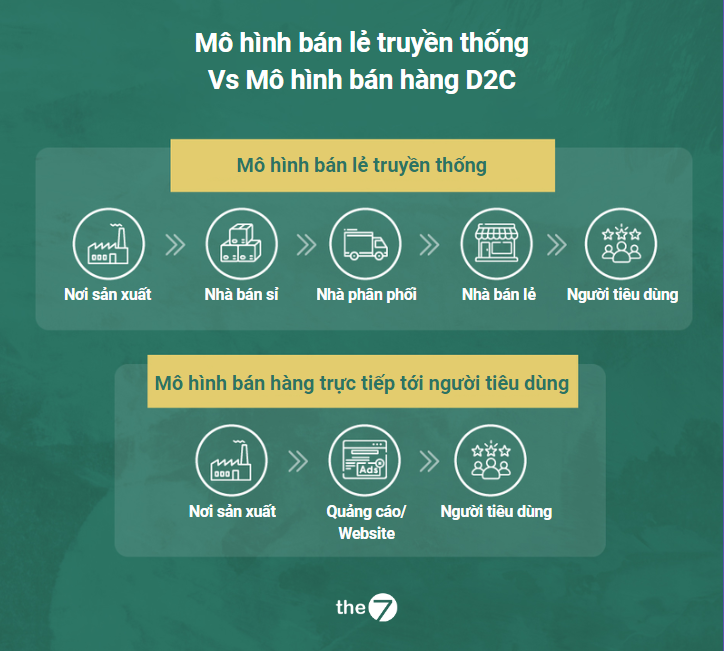
D2C e-commerce is used to sell products directly to consumers online, cutting out intermediaries. This differs from traditional retail, where a manufacturer’s products pass through wholesalers, distributors and retailers before reaching the consumer.
To strengthen your D2C marketing strategy, combine it with e-commerce SEO. This will boost your visibility, turn website visitors into customers and, most importantly, drive sales.
D2C is also becoming more and more popular. Thanks to the Internet, middlemen are sometimes no longer needed. E-commerce lets you earn the same profit at a lower cost. You can also sell products to customers quickly and conveniently. It is truly a win-win opportunity.
When it comes to e-commerce SEO, D2C is one of the best marketing approaches available today. Here are a few reasons why:
- Full control over your business
- A firmer grasp of customer information
- A more flexible and agile business
- Lower costs and higher sales
Combining D2C with e-commerce SEO is an excellent marketing tactic for businesses. It helps you understand your customers better and deliver a better online shopping experience.
Try building digital marketing strategies to grow your D2C e-commerce business. Here are some suggestions that can help.
10 Marketing Strategies for the D2C Model
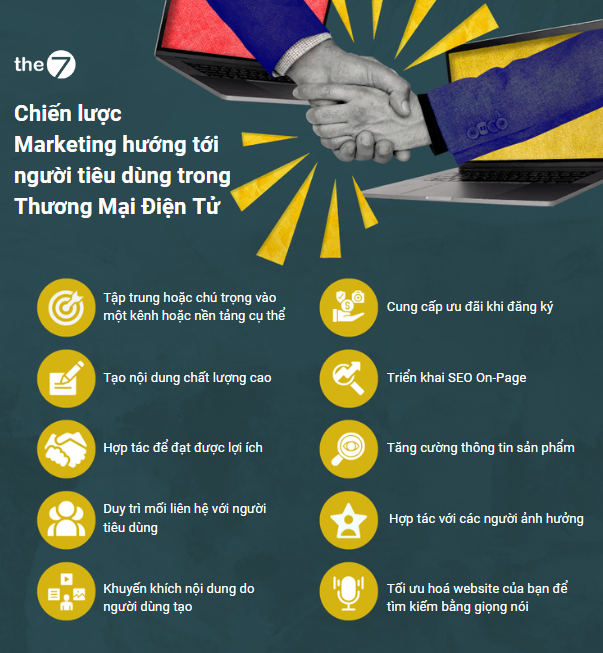
Focus on a Specific Channel or Platform
Most D2C e-commerce businesses rely on one specific channel or platform to engage directly with their customers. Consider taking the same approach by finding a platform that brings you closer to your target customers.
Fortunately, you have plenty of options, including your own website, online marketplaces, social media, email, mobile apps and more. Choose one or more platforms where you can reach your target audience.
Whichever platform you choose, it is important to make sure it is user-friendly. Offer customers options to personalize their experience.
For example, by optimizing your e-commerce website, you can collect more customer data through web “cookies” to understand their preferences. This will help you discover which types of products your customers are interested in on your site. The next time they visit, the site’s search algorithm will respond to their specific needs and preferences based on their previous visits.
Offer Incentives for Signing Up
When you move to a D2C e-commerce business model, raising brand awareness becomes a major challenge, especially when your business is concentrated on online platforms. Beyond improving your e-commerce website development and design to create a better user interface (UI) and a smoother user experience (UX), brands can also encourage consumers to take part and help spread the brand’s message.
For example, after signing up, brands can encourage consumers to invite friends and family to join the app or website. Instead of paying out cash, a brand can reward consumers with small perks, such as a 10% discount coupon for every successful invitation and sign-up.
This incentive system helps your brand’s message spread widely, much like fire racing through a community. Brands can also collect hundreds or thousands of email addresses during the sign-up process.
By using this motivational mechanism creatively, brands can effectively harness the power of word-of-mouth marketing, expanding their reach and strengthening their presence in the market.
Create High-Quality Content
Creating high-quality content is a key factor in the D2C model for building a successful relationship between your business and your customers. When customers visit your website, they expect to find plenty of useful information about your business. Meet that need by producing quality website content.
Quality content comes in many forms. For example, you can create a blog on your website to share useful information on topics related to your business. You can write articles with tips, tricks, how-tos and other guides. These types of content will attract people who are interested and may become potential customers.
See more: What You Need to Know About Website Design and Development in 2023
Make sure your content is packed with useful information and includes relevant keywords. Doing so will help build credibility for your e-commerce website and improve its ranking in search results.
Implement On-Page SEO
In a D2C marketing strategy, driving traffic to your e-commerce website is extremely important. You need to improve your SEO rankings and attract more potential customers. To do this, apply an on-page SEO strategy to your website.
Your e-commerce business can gain many benefits from implementing on-page SEO. Besides boosting your rankings, on-page SEO also helps you convert customers and drive sales.
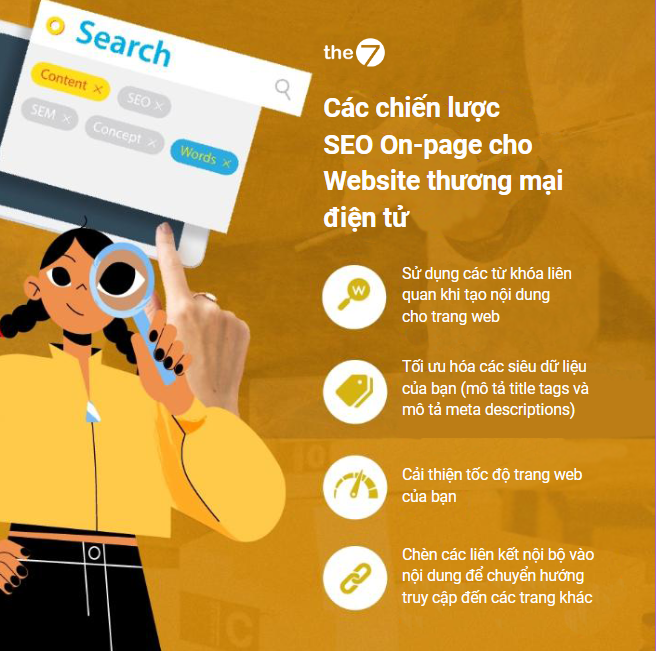
Here are some on-page SEO strategies for your e-commerce website:
- Use relevant keywords when creating website content
- Optimize page information (title tags and meta descriptions)
- Improve your website’s loading speed
- Place internal links in your content to guide visitors to other pages on your website
Collaborate to Create Shared Benefits
If you are moving to an e-commerce business model in Vietnam, meaning a mix of the traditional and D2C models, one challenge you will face is avoiding direct competition with your retail partners.
For example, when a brand sells products directly to consumers, it may end up competing head-to-head with retail partners that sell similar products. This not only affects the brand’s relationship with those retailers, but may also affect sales of the brand’s products in its partners’ stores.
So what can brands do? One possible approach is to find ways to benefit from the online D2C business model without hurting your retail partners. For example, instead of selling the exact same products as your partners, why not create limited-edition products that can only be bought directly from the manufacturer?
In this D2C scenario, you need to prepare very carefully for the development of your e-commerce website. Sometimes a flood of visitors can crash the site while limited-edition products are being launched.
Enhance Your Product Information
Your products have to compete for buyers’ attention among many other brands offering the same kind of product. This is where the D2C e-commerce model comes into its own. When buyers purchase directly from the manufacturer, they are exposed only to that brand’s products.
Brands should take advantage of this by giving buyers interesting information about the brand and its products. Tell the story of the product: its history, how it is made, the design process and the target audience. This will spark interest and inspiration in buyers. Some brands build these strategies into their website content and e-commerce website design, while others apply them in their physical stores.
Stay Connected With Consumers
Another way brands avoid competing with their retail partners is to keep their D2C business model online. The challenge of doing e-commerce in Vietnam, however, is keeping consumers interested after transactions are complete.

After customers buy a product, brands need to keep in touch with them. This is where email marketing comes in handy. Sending email campaigns about new products, promotion announcements and discounts can help keep customers interested after the transaction.
Brands can also run online or phone surveys to learn how customers feel about their products and services. Beyond promising product improvements, acknowledging customers’ opinions makes them feel valued and enhances their experience.
Partner With Influencers
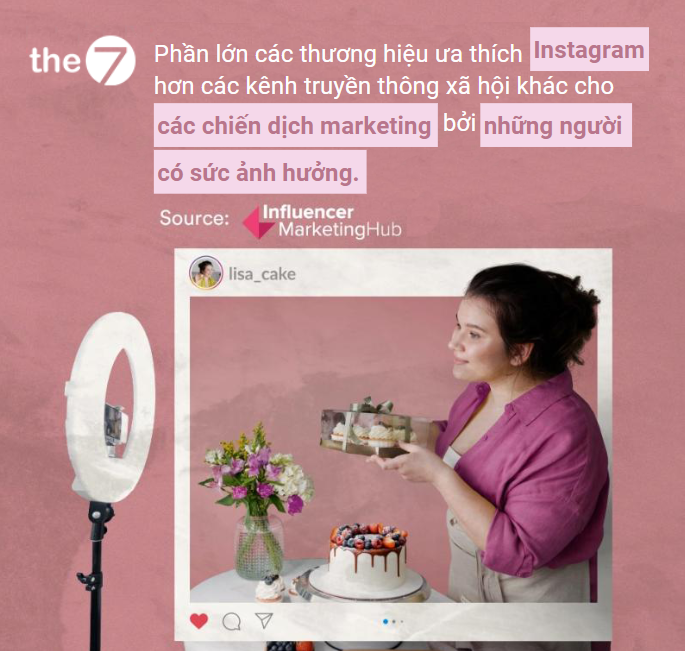
The goal of D2C is to build strong relationships with customers, so consider partnering with influencers to earn your customers’ trust.
Influencer marketing is a good option for D2C e-commerce businesses that need to establish credibility. It is a social media marketing strategy that uses content created by influencers to promote your brand.
Besides establishing credibility, influencer marketing is also very useful for raising the SEO ranking of your e-commerce website. A social media influencer can drive additional traffic to your website, helping improve your online presence.
Encourage User-Generated Content
Another way to build buzz around your D2C e-commerce brand is to encourage people to create content related to their products. For example, a brand can start a hashtag campaign in which customers post photos and videos of the product, or share photos of themselves using it on social media, with the official hashtag in the caption.
They can also send products to micro-influencers, who then create unboxing videos or product reviews. User-generated content can appear in search engine results, and the people searching often intend to buy. By using SEO in Vietnam, you can dominate search engines with user-generated content alongside your website content.
Optimize Your Website for Voice Search
The way people shop online is changing. Voice assistants such as Google Assistant, Amazon’s Alexa and Apple’s Siri are becoming part of many households around the world. According to Oberlo, in the United States alone, about 51% of online shoppers have used voice assistants to research products.

Brands should capitalize on these numbers by optimizing their websites for voice search. You can do this by focusing on local SEO and location-based (GPS) search. SEO service providers can help you carry out these SEO strategies. Brands should also optimize their FAQ pages, since most voice searches are phrased as questions or start with words like ‘Who’, ‘What’, ‘Where’ and ‘How’. At the same time, make sure you improve your e-commerce website design in Vietnam.
Conclusion
Overall, D2C e-commerce gives businesses many opportunities to build deep, lasting relationships with customers, from producing diverse content to making use of the latest marketing tools and strategies. The growth of D2C e-commerce is not only speeding up online shopping but also changing how brands interact with and influence their customers.

Nguyễn Đình
Bảo




As CEO of The7, I am committed to sharing practical, useful knowledge with every reader. Every article on The7 is based on my 7 years of hands-on experience in marketing — Facebook advertising, LinkedIn advertising, Google advertising, and marketing strategy. I hope you take away plenty of insight from these posts and apply it successfully in practice.
Related Articles
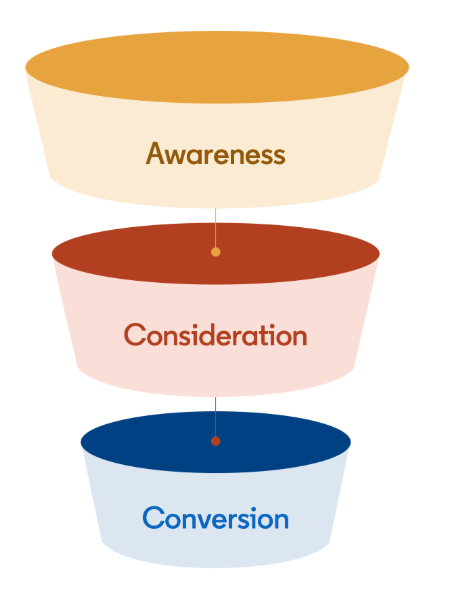
Building a Full-Funnel Content Marketing Strategy on LinkedIn
Table of Contents Toggle Why Build Content Marketing for the Full Marketing Funnel? (Why Full-Funnel Content Marketing?)Creating Your Strategy (Creating Your Strategy)Implementing Your Content Strategy (Rolling out your content strategy)Summary...
Designing Creative Content for LinkedIn
Table of Contents Toggle Why Is Good Creative Content So Important? (Why is Good Creative Important?)Key Components of Creative Design (the core elements of creative design)Summary (summary) Why Is Good...

Building an Organic Business Presence on LinkedIn With a LinkedIn Page
Table of Contents Toggle Why Have a LinkedIn Page?Establishing Your LinkedIn PageKeeping Your LinkedIn Page ActiveThe Measure of SuccessSummary About LinkedIn Page (Summary) Why Have a LinkedIn Page? For a...
6 Best LinkedIn Marketing Strategies for B2B in 2026
Table of Contents Toggle LinkedIn 2026: Where B2B Decisions Get MadeStrategy #1 – Why Is LinkedIn the Best B2B Marketing Channel Today?1. Decision-makers are concentrated here2. Users are in work...

7 Social Media Trends for 2026: The Era of Real Value, Real Conversion, and Real People
Table of Contents Toggle Social media is entering the biggest restructuring of the decadeTrend 1: Why is buying directly in-app becoming the new standard for 2026? (On-Platform Conversion)What should businesses...

What Is TikTok Marketing? Effective TikTok Marketing Strategies
TikTok has been topping the global rankings of the most downloaded and most visited apps. That makes it a gold mine for marketers who love creativity. In this article, The7...