


15 Essential Pages for Your E-Commerce Website

To succeed in online business, it’s essential to have all 15 must-have pages on your e-commerce website. From showcasing products to managing orders, these pages play a crucial role in creating the best shopping experience for customers and boosting your business’s operating efficiency. Let The7 introduce you to the list of 15 essential pages you should have on your e-commerce website.
Which Pages Make Up an E-Commerce Website?
Every business needs a fully functional website, complete with contact details and detailed product descriptions. A business stands to lose significant profit without its own website, since it will be severely limited in interacting and connecting with its potential customers.
Creating an SEO-friendly website is essential, but doing so is costly and time-consuming. This leads most business owners to think they should hire a web development company that specializes in SEO for e-commerce websites, so they can focus on other important business tasks.
For most businesses, building a website with 15 basic pages is the most fundamental starting point. If you’re not sure what an e-commerce website should include and how it works to benefit your business, the information below will help.
15 Essential Pages to Build Your E-Commerce Website

Homepage
Your e-commerce website’s homepage is the first thing everyone sees when they visit, so your top priority should be creating a user-friendly homepage.
Make sure visitors to your homepage get a brief but complete overview of your company, including information about your expertise and products, as well as compelling calls to action to drive conversions. Here’s an example of Biti’s homepage.
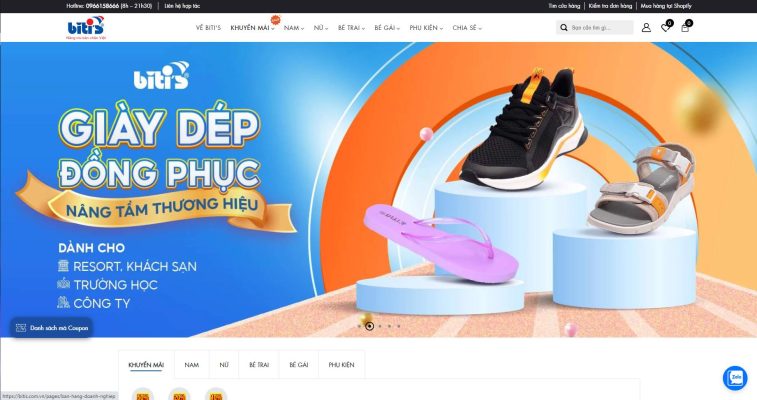
Just like Biti’s homepage, you need to make sure your homepage makes a strong visual impression. When designing your e-commerce website, consider the overall layout and choose a color palette that matches your brand for your homepage.
See also: Social Media Optimization (SMO): Definition and Importance
Contact Page
Customers can reach you using the contact page on your e-commerce website. So make sure your contact page has all the information customers need to get in touch with you. For example, company-related information such as address, email address, phone number, and even opening hours.
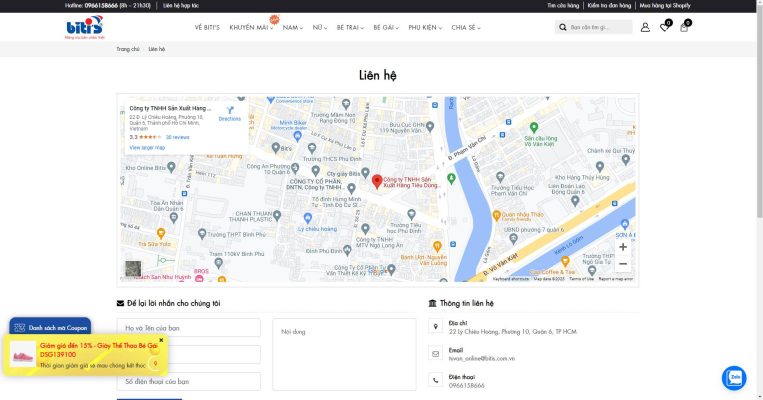
If customers want to visit your store in person, you can add an interactive store map to your website.
For example, if you own a footwear store like Biti’s with multiple branches nationwide, an interactive map will help potential customers figure out how to get to your branches.
Product Page
Since products are the company’s main source of revenue, you should focus on building high-quality product pages by using keywords, optimizing images, and more.
When creating a product page, write a detailed product description. To improve your search engine rankings and boost your product page’s position in Google search results, use relevant keywords. Most importantly, write creatively and highlight the features and benefits of using your product to make consumers want to buy it.
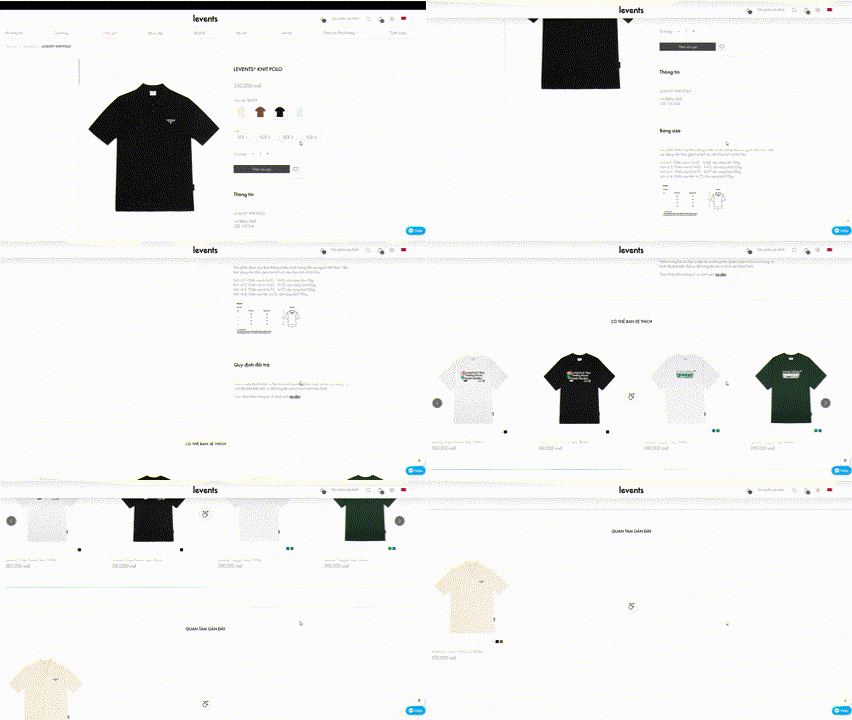
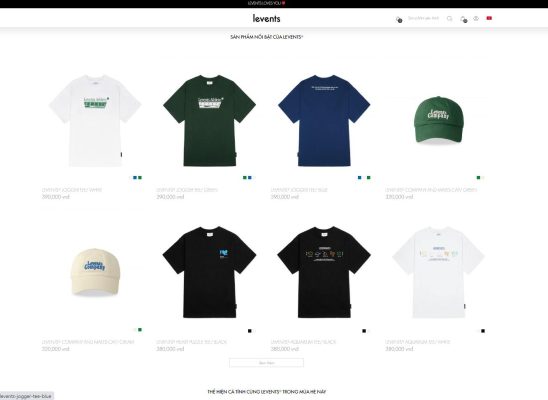
For example, Levents created a product page for all of their most standout products. This page lets customers know which products stand out as popular purchases from their store.
“About Us” Page
To boost credibility for your e-commerce website, create an “About Us” page. Doing this can attract more people to support your brand.
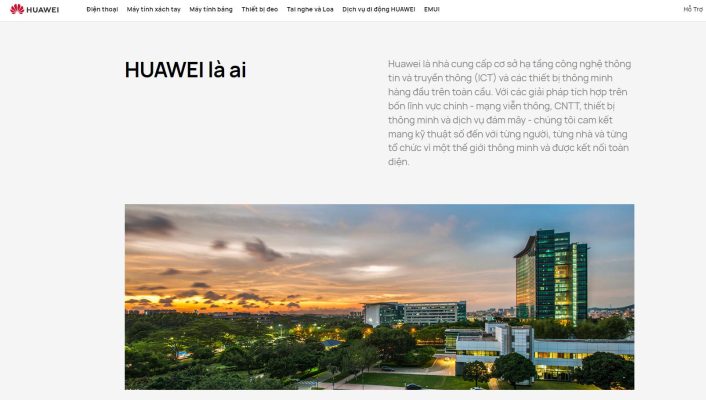
Your “About Us” page should contain important information such as a description of your business, its values, and its products. It includes a summary of your entire business. By adding customer reviews, you can build trust with new potential customers. This can also improve search engine optimization (SEO) for your e-commerce page by attracting more customers.
Below is an example from Huawei’s “About Us” page.
Blog Page
Creating blog content related to your company will help establish your company as a leading expert in the industry. By posting new blog articles regularly, you can keep your website’s content and trends up to date.
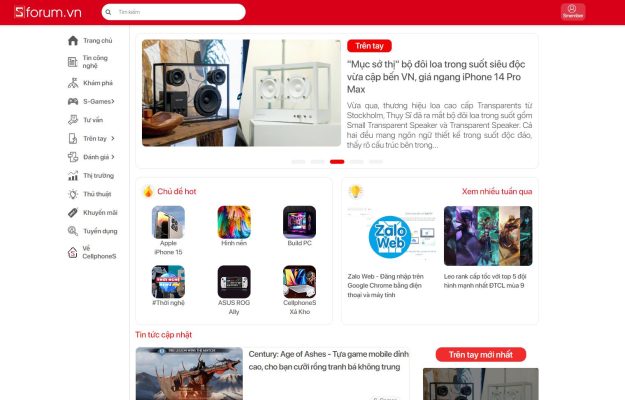
Blogging is an effective content marketing strategy that can help you increase organic traffic, which in turn improves your website’s SEO ranking and attracts potential customers. So consider having a blog section on your website with high-quality content.
404 Error Page
Potential customers may run into a 404 error page when visiting your e-commerce website. The main purpose of a 404 error page is to retain SEO traffic on your website; it simply informs users that the page they’re trying to access isn’t available. It can help lower the bounce rate, meaning the user doesn’t leave your website but continues looking for other information.
A 404 error page ensures your customers can keep browsing your e-commerce website, instead of getting stuck and finding nothing when a product is no longer for sale or when they type the wrong URL into the address bar.
Potential customers visiting your page won’t be left without options, and they’ll be informed about what happened, understand what to expect, and know what to do next. Additionally, a 404 error page can redirect customers to other pages related to your company, helping maintain links and creating opportunities for them to discover more about your products and services.
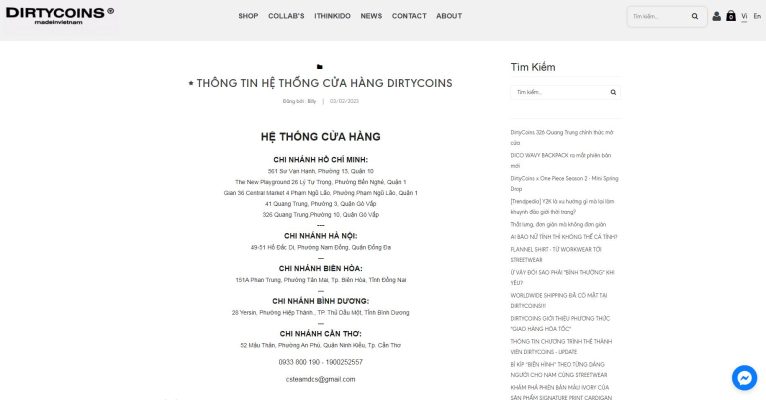
Here’s an example of Dirty Coins’ 404 error page.
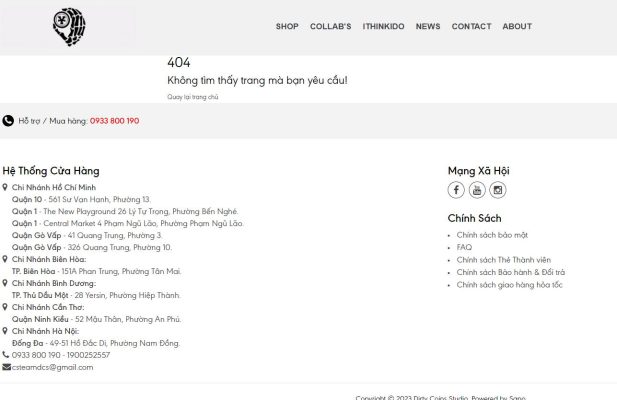
You should know that a 404 error page typically appears when your e-commerce website runs into an issue, such as a product no longer being for sale or your potential customer mistyping the URL.
To inform customers about this issue, you should design an impressive 404 page that can redirect them to the correct page on your website.
Thank You Page
You should also create a “thank you” page on your e-commerce website to let customers know you appreciate their purchase. A simple thank you can go a long way, since it helps you build a positive, lasting relationship with customers, so consider creating a “thank you” page.
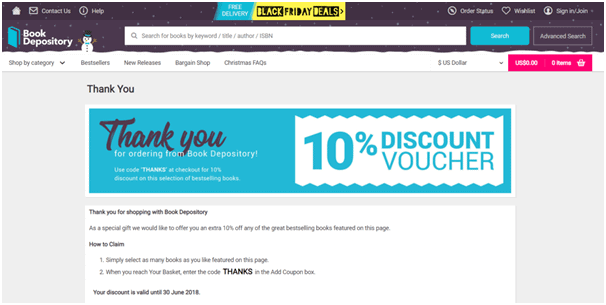
Below is an example of a “thank you” page from Book Depository. After a customer makes a purchase from their store, they receive a discount voucher as a token of the business’s appreciation.
Privacy Policy
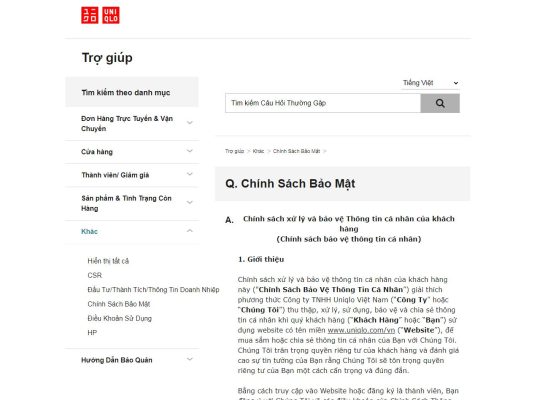
A privacy policy is an important element you should have on your e-commerce website. With growing concern over personal data protection, customers want to know that their information is kept secure and handled safely on your website. Assuring customers that you won’t misuse the personal information they share is a key part of your e-commerce website’s privacy policy.
Below is an example of a privacy policy from UNIQLO.
Shipping/Returns Policy
A returns policy is an important element of an e-commerce website for meeting the needs and demands of today’s customers. A returns policy gives customers peace of mind when shopping online by allowing them to return products if any issues arise, such as damaged goods, wrong items shipped, incorrect sizing, or products that don’t meet expectations.
By providing a clear, fair returns policy, your e-commerce website confirms that you take responsibility and are committed to resolving product-related issues. For example, if a customer receives a product in the wrong size, the returns policy will allow them to return the product and receive a refund or exchange it for the correct size.
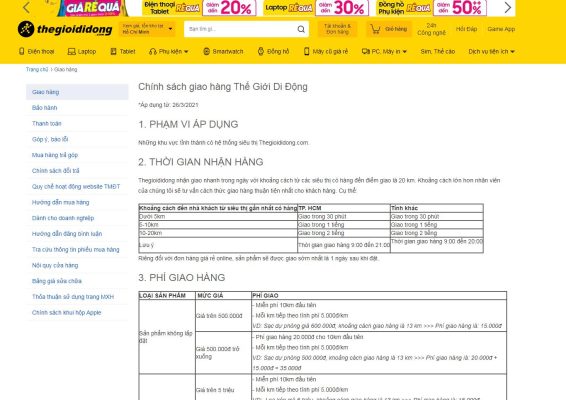
The shipping and returns policy on your e-commerce website must be clear and detailed. It should explain the returns process, timeframe, as well as the conditions and rights of the customer. This will improve the shopping experience and build customer trust.
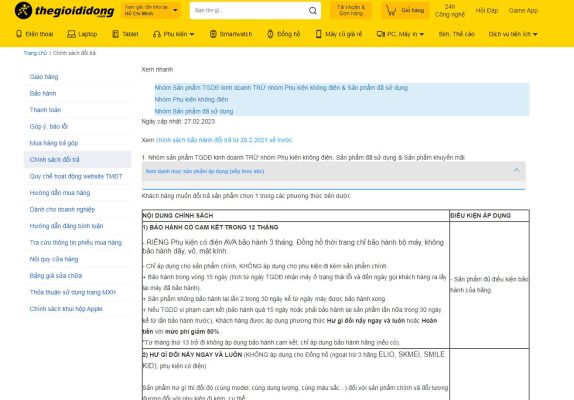
Shipping policy is another thing customers will consider. Online shoppers often look for shipping information and check the terms on the e-commerce website’s shipping policy page to determine the total shipping cost, although many e-commerce stores now offer free shipping.
Sitemap
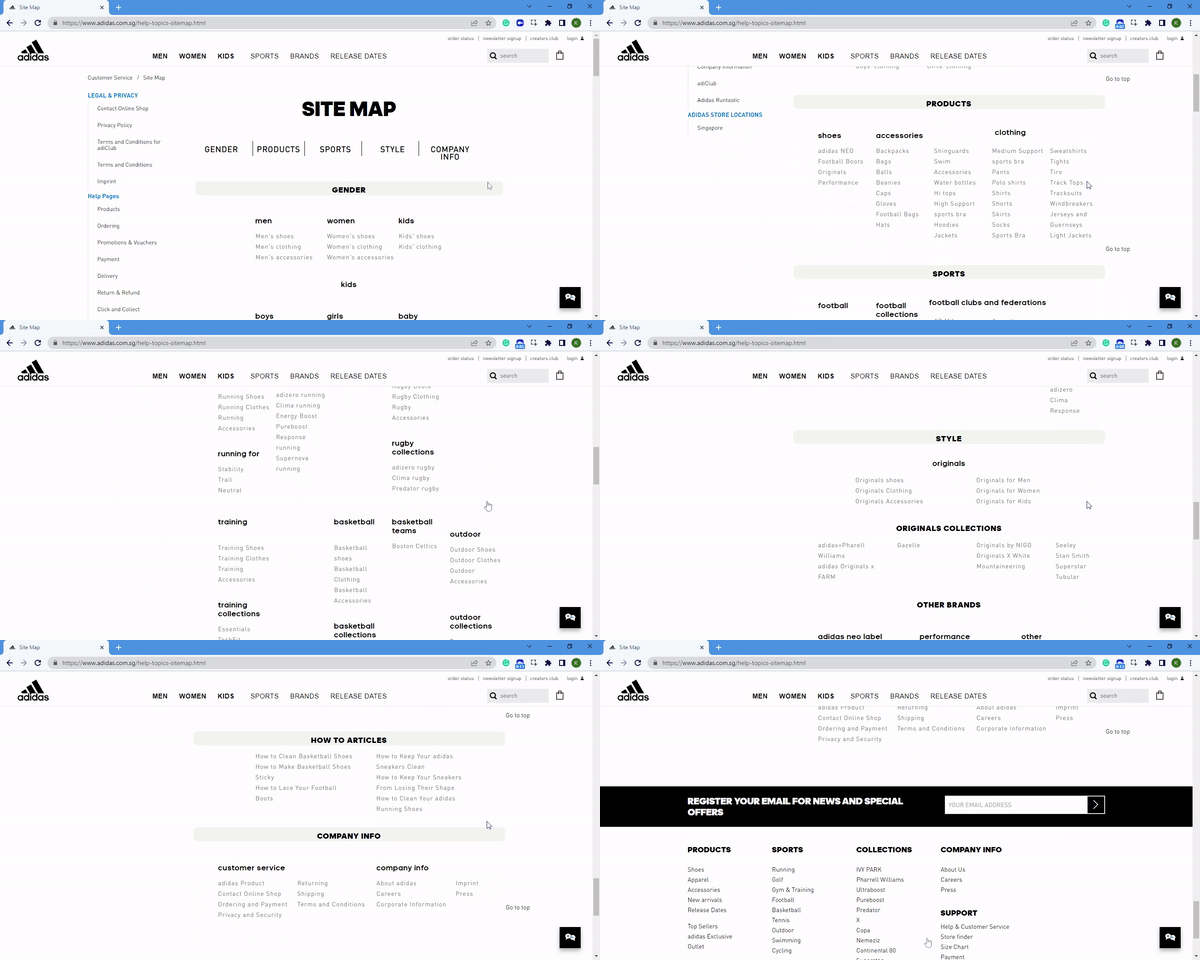
A sitemap shows which category each page belongs to, making it easy for both website users and search engine bots to access. A sitemap makes it easy for users to browse the website and allows search engine bots to determine which pages to index in search engines and display your website based on the relevance of the searcher’s search keywords, which helps your website appear in search results.
Store Locator Page
When a business owns its own brand stores, the website typically displays information about store branches so visitors can easily find them. However, for brands that don’t own their own stores and rely on third-party retailers to sell their products, it becomes extremely important to provide a dedicated page for users to learn about product availability and identify the right place to purchase. This ensures a convenient experience for users, helping them easily find the nearest store or retailer that sells the brand’s products.
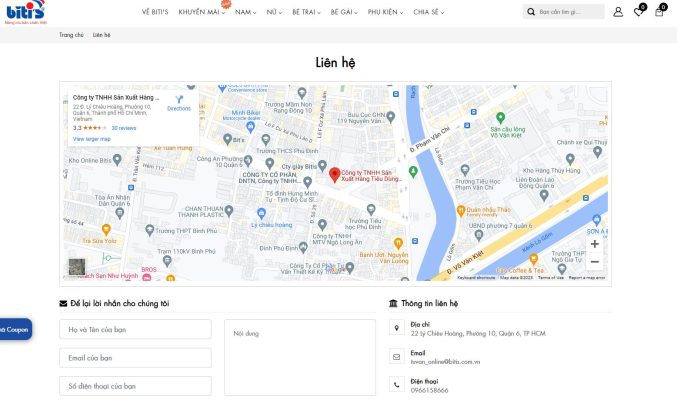
On Biti’s website, you can see their various branch locations. This helps them attract more potential customers to visit their stores.
Customer Support Page
Making sure your customers have a centralized page to access customer support is an important element. The “Help” or “Contact Us” page should provide various contact options such as email address, phone number, contact form, or live chat. By combining frequently asked questions (FAQs) with the “Contact Us” page, you not only save time but also address common questions customers have had in the past.
Don’t underestimate the importance of the “Contact Us” page, as it plays a crucial role in driving business growth through customer service. By making customer support accessible and convenient, you deliver a great user experience, encouraging them to share positive feedback about your store and brand. This plays an important role in building trust and positive engagement with customers.
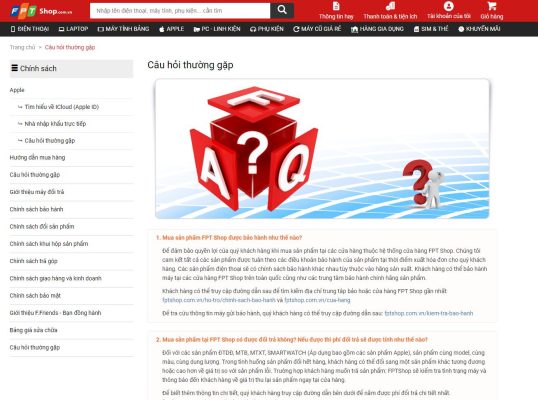
Like FPT Shop’s “Contact Us” page, it lets people learn more about your products. This is definitely a great strategy for your e-commerce website’s SEO, driving more engagement with your target customers.
Order Tracking Page
To boost the effectiveness of your e-commerce website’s SEO, you can add order history to your website. This lets customers track and check their order history. The benefit of this is that customers won’t buy the same items twice, and they won’t have to keep track of pending orders themselves.
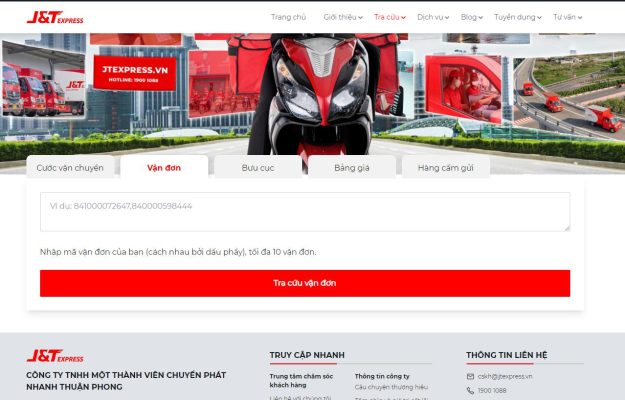
On J&T’s “Track Order” page, customers can get updates on their order information and track the location of their items.
Shopping Cart Page
The shopping cart is an important part of the online shopping process for users and e-commerce businesses alike. It should provide a comprehensive list of the products customers have added, allowing them to make changes if needed.
Recommendation: display estimated shipping costs and promo codes on the cart page to improve the user experience.
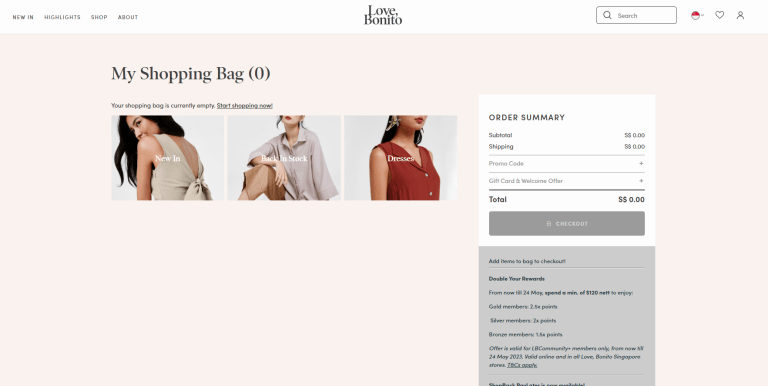
As you can see from Love Bonito’s cart page, it clearly shows the total cost before checkout. Users may need to enter their postal code first to ensure accurate shipping estimates. By displaying estimated shipping costs and promo codes upfront, you can prevent customers from abandoning their cart when they discover unexpected taxes, shipping fees, or a promo code that doesn’t work.
Providing order history and a shopping cart page on your website is an effective way to optimize the online shopping experience. To ensure customers can easily track and review their orders, avoid mistakes and duplicate purchases, and take advantage of opportunities to upsell related products, the cart page on your e-commerce website is an essential element.
Beyond meeting customer needs, the cart page also creates an opportunity to encourage customers to explore additional or related items, enhancing their shopping experience and reducing unwanted friction. By creating a convenient and enjoyable shopping experience, this feature not only brings customer satisfaction but also creates upsell opportunities for your business.
Email and SMS Signup
The success of e-commerce companies also depends on engaging with customers through email and SMS. These play an important role in driving repeat purchases and marketing to interested potential buyers. E-commerce websites need to simplify the signup process to capture customer interest.
This can be done through a user-friendly approach, such as a pop-up window or a signup box at the bottom of the page. Providing detailed information about the email content they’ll receive and promotions such as free shipping discounts can be very effective for attracting subscribers. Furthermore, it’s extremely important for customers to receive a confirmation email after signing up.
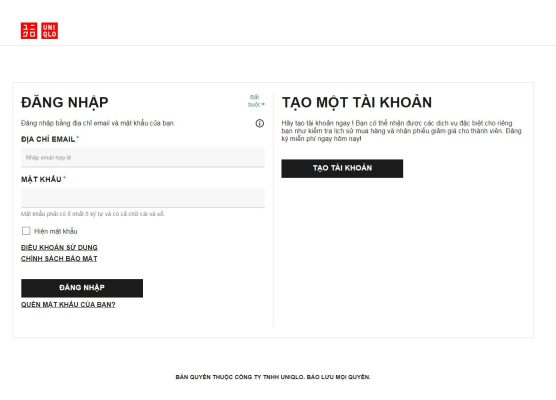
For example, Uniqlo’s account sign-in page encourages customers to register on the website. It’s not just a routine registration process — it’s also an opportunity to create an engaging experience that captures users’ attention. For customers, a convenient and appealing account registration experience delivers major benefits. This brings many advantages, including building a relationship with the customer. When customers register an account, Lazada can collect the information needed to create geotargeted, precisely targeted email and SMS marketing campaigns.
Conclusion
Developing a 15-page website is an ideal choice for small businesses, helping them make the most of their online potential and reach more potential customers. However, if you want to expand and add more pages and content, consider asking for help from an e-commerce website design and development company. They can help you discuss the standard pages you need and suggest additional pages that fit your business website. This will ensure your website develops professionally and fully meets your needs to boost your online business effectiveness.
Source: 15 Essential Pages You Should Have On Your E-commerce Website

Nguyễn Đình
Bảo




As CEO of The7, I am committed to sharing practical, useful knowledge with every reader. Every article on The7 is based on my 7 years of hands-on experience in marketing — Facebook advertising, LinkedIn advertising, Google advertising, and marketing strategy. I hope you take away plenty of insight from these posts and apply it successfully in practice.
Related Articles
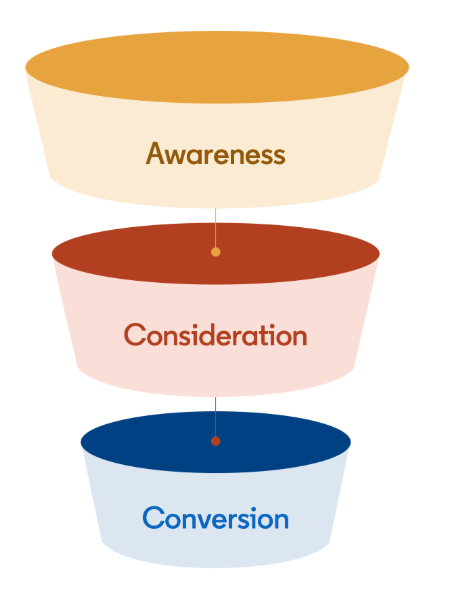
Building a Full-Funnel Content Marketing Strategy on LinkedIn
Table of Contents Toggle Why Build Content Marketing for the Full Marketing Funnel? (Why Full-Funnel Content Marketing?)Creating Your Strategy (Creating Your Strategy)Implementing Your Content Strategy (Rolling out your content strategy)Summary...

Designing Creative Content for LinkedIn
Table of Contents Toggle Why Is Good Creative Content So Important? (Why is Good Creative Important?)Key Components of Creative Design (the core elements of creative design)Summary (summary) Why Is Good...

Building an Organic Business Presence on LinkedIn With a LinkedIn Page
Table of Contents Toggle Why Have a LinkedIn Page?Establishing Your LinkedIn PageKeeping Your LinkedIn Page ActiveThe Measure of SuccessSummary About LinkedIn Page (Summary) Why Have a LinkedIn Page? For a...

6 Best LinkedIn Marketing Strategies for B2B in 2026
Table of Contents Toggle LinkedIn 2026: Where B2B Decisions Get MadeStrategy #1 – Why Is LinkedIn the Best B2B Marketing Channel Today?1. Decision-makers are concentrated here2. Users are in work...

7 Social Media Trends for 2026: The Era of Real Value, Real Conversion, and Real People
Table of Contents Toggle Social media is entering the biggest restructuring of the decadeTrend 1: Why is buying directly in-app becoming the new standard for 2026? (On-Platform Conversion)What should businesses...

What Is TikTok Marketing? Effective TikTok Marketing Strategies
TikTok has been topping the global rankings of the most downloaded and most visited apps. That makes it a gold mine for marketers who love creativity. In this article, The7...