


: Definition and Why It Matters)
Social Media Optimization (SMO): Definition and Why It Matters

Social media is as powerful as ever. Combined with search engine optimization (SEO) and other digital marketing strategies, social media has become increasingly effective for promoting businesses. Today, companies are partnering with agencies that specialize in social media management services to grow their business. According to GWI data, the average user visits 7 social media platforms every month. On Facebook, users typically check local business pages about once a week. On Instagram, the rate of users who follow business accounts reaches 90%.

Part of social media marketing in Vietnam is managing your presence on social media well and attracting customers. Done right, it helps your company grow in scale, win more customers, and support the process of introducing your products and services. In this article, we will give you a deeper look at social media optimization (SMO).
What Is Social Media Optimization (SMO)?
Social media optimization (SMO) is the process of using one or more social networks to help a business reach and engage with customers. It also includes creating social media content with intention and evaluating it carefully. Optimizing your content and social profiles is essential to strengthening your presence and how your website appears on the internet.
Why Is SMO So Important?
Making effective use of social media posts is a key part of SMO, and it helps increase followers, engagement, and conversions of target customers. SMO helps you achieve your marketing goals and build a positive brand image. It is also a cost-effective solution that gives you access to valuable information about your customers’ interests, demographics, and behavior. As a result, SMO in digital marketing is also very important for strengthening your brand presence.
How Do You Use Social Media Optimization?
To optimize social media effectively, you need to define your goals, set up your social media accounts, research keywords, and integrate them into your profiles and posts. It is also important to follow best practices such as segmentation and using data to create engaging content.
What Are the Benefits and Limitations of SMO?
Beyond the benefits, before you decide whether to use SMO or hire a service, you should also know about the drawbacks.

How Is SMO Different From SMM?
SMO may seem similar to social media marketing (SMM), but the two concepts differ in many ways. For example, SMO focuses on optimizing your content for social media, while SMM focuses on managing campaigns to engage customers and compete with other businesses. SMO is also closely tied to SEO. The goal of SEO is to attract potential customers to your website. To do that, you need to optimize your website and make it suitable for search engines such as Google and Bing. SMO lets you build a network of followers and engage actively with customers through optimized social media content. This is also one of the reasons social media optimization is growing in popularity.
How Does SMO Work? Long-Term Growth With SMO

To better understand how effective social media marketing can be, SMO includes both strategies and techniques that we can apply across different social media platforms. If we dig deeper into these strategies and techniques, we find the following aspects:
Build Quality Content
With content that is presented in a way that appeals to your target users, you can increase both conversion rate and traffic. Research the most relevant keywords and hashtags, posting frequency, and content length or duration to maximize the benefits.

Collaboration
SMO practitioners often say it is important to work or collaborate with industry experts and major influencers. This helps generate a customer base and, in turn, increases the popularity of your brand in the market. Partnering with influencers is a prime example of this.

Track and Analyze Data
You can build better plans and methods by analyzing data and collecting valuable data. This lets you identify common patterns, spot opportunities and trends, and adjust your marketing campaigns across social media platforms.
Past data can be used to optimize future content by understanding how users engage with your content and identifying their behavior across different social media platforms.
Facebook has Meta Business Suite, which gives you access to insight tools to optimize your marketing and advertising results, including on Instagram. You can also evaluate post performance to improve your marketing strategy.
As we mentioned, Meta Business Suite lets you access insights and manage Instagram posts based on audience and interests. You can also monitor Reels performance to adjust your next plan for better user engagement. In addition, you can evaluate engagement on previous images and consider which content to roll out next.
- TikTok
You can measure the performance of past videos and see which ones received more comments, likes, and shares. Identify which styles, topics, and elements stand out the most. You should also look at tracking the sounds that appeared in successful TikTok videos.
Competitor analysis also helps generate new ideas for content you develop on TikTok in the future.
Post Boosting
Post boosting is a social media advertising strategy that lets you promote your posts to more users. It increases your engagement and reach on the platform by letting you target specific audiences and interests to drive more traffic to your website. It is an ideal way to amplify a post’s impact the moment it goes live, especially if your business lacks a strong community of followers. A clear example of this is Facebook’s Boost Post, which lets you create an ad campaign directly from your Page without using Facebook’s ad platform. Boosted posts appear in users’ News Feed, and you can customize the budget, placement, and specific audience through the available options.

Monitor Social Media Performance
You need to observe and respond flexibly to your social media followers. Track growth and learn what your target audience likes through their social media activity.
Plenty of tools can help you monitor your social media pages. Use any effective tool to evaluate your social media performance. You can also read followers’ comments on any social media post. Doing so helps you improve content quality based on feedback from your followers.
Use the Right Keywords
Just as in SEO, keywords are an important element of SMO. You can use them to make your posts more relevant across different social media sites.
For example, most social media sites such as Facebook, Instagram, Twitter, and LinkedIn let users use keywords in the form of hashtags. Use hashtags to make your social media posts searchable for people looking for related content and information.
Include ideal hashtags in your social media posts by researching the keywords that are most relevant and appropriate for your content. Conducting keyword research and identifying specific terms and phrases will help you get closer to your target audience on social media. Also, avoid stuffing too many hashtags into your social media posts. That will make your social media page look like a spam page, so use only a reasonable number of hashtags.
Create a Clear Profile
Your social media profile is the foundation of your social media marketing campaign. It is the first thing people see when they visit your social media page. That means you need to optimize your profile and make a great impression on customers and first-time visitors.
There are three main elements to consider when optimizing your social media profile:
- Profile picture
- Bio
- Username
Your profile picture should be visual and instantly recognizable. Start with your company logo or an icon that people can easily tell apart from other brands.
For your bio, write a short description of your business. Make it compelling so people can learn more about your business in just a few words. You can also use keywords to make your description more relevant on search engines. Add a link to your website so followers can visit it at any time.
Finally, your username should be short, concise, and consistent with all your other social media usernames or marketing accounts. Choose a username that everyone will remember and recognize when they see it on social media.
Account Optimization: What You Need to Know
Knowing how SMO works is not enough. Understanding account optimization for your SMO marketing efforts is a top priority because it benefits both users and search engines. Here are some key points to know for better account optimization:
Follow Brand Guidelines
Make sure each profile stays consistent across multiple social media platforms so your brand stays consistent. This includes using the same high-quality logo, imagery, and color scheme for design and style. This will help reinforce your identity so audiences recognize you no matter which social media platform they are using.
Audit Your Profiles
Your social media profiles (along with all related information) should be up to date, consistent, and coherent, with images in high quality. Consider adjusting your settings and privacy, and review the features of each platform as needed.
Reviews
Reviews from customers who have bought your products or used your services play an important role in leveraging your brand’s popularity, especially on social media platforms. They can influence consumers’ purchasing decisions about your brand.
When customers leave positive reviews on your account page, it creates social proof and increases trust in your brand. However, negative reviews can discourage customers from using your products.

Link to Your Website
When you set up a social media account, it is a good idea to include a link to your website in your profile description and posts to help increase traffic to your website.
Keep Your Profile Complete
If possible, don’t leave any information blank in your social media profile. Provide accurate information so your target audience can find and connect with your brand. Some of the most important elements of your profile to pay attention to include:
- Profile photo
Your profile photo is one of the first things your customers will see when they visit your page. Choose a high-quality photo because it represents your brand.
- Business category
Including your main service or main product in your social media profile helps customers understand your business and what you offer.
- Contact information
Make sure your customers can find and view your contact information. Include an email address and phone number in your profile.
- Description (About)
Provide an overview of your brand, how it started, and what it does or offers customers. Keep it clear and concise, and highlight your value or what makes you unique. Think of it as how you introduce your brand to this social media audience.
- Address
You must provide your business’s accurate address, especially if you have a store or offer services in a specific area. This is key information that helps customers find their way to you.

Conversion Optimization
Conversion optimization applies to SMO because increasing the number of users who make a purchase or click through to your website is a fundamental part of your marketing goals. Here are some tips to increase the conversion rate of your SMO marketing:

Use Clear and Effective CTAs
A CTA, or call to action, is a short but powerful prompt that pushes your readers to take a specific action. A CTA is usually related to the content you want to publish. CTAs are typically placed at the end of the content you create. Here are some examples:
- Sign up today and get a free discount code!
- Contact us now for a free quote!
Always keep them as short, direct, and clear as possible.

Use Engaging Content
Images and videos are excellent media that can optimize your social media when you use them correctly. According to an Instagram survey, 91% of users actively watch videos on the platform every week. Meanwhile, LinkedIn posts with images get a comment rate up to 98% higher than average.
These are the files and materials we upload (images, videos, links, audio, text, and so on) to publish a post. Creative content consists of similar components that are designed more carefully to add appeal or creativity to the visuals, draw more attention, and set visual elements apart from the rest of the post. Examples include images turned into memes or illustrations in a carousel format.
Understand creative content
Most content is pre-existing material (such as photos that were taken or videos that were recorded), and it usually supports the overall context or message of the post. Creative content, on the other hand, consists of more customized multimedia elements. They can shine on their own to convey a message, such as a well-designed infographic poster.
Think of creative content as a race car built for a specific race, while regular content is an ordinary car. They serve the same purpose; the only difference is that one of them (creative content) is better optimized to drive visual engagement effectively.
Different types of content you should know
- Images
Images are one of the most important types of content. They can be used to showcase the look of your product or service, convey a specific message, or provide visual support for text-based content. We can also classify them into different asset types, including:
- Chart images – a visual representation of data
- Carousel images – images in a slideshow format within a single post
- Animated images – add motion to your visuals, for example the GIF file format
- Video
Videos can be short and simple, but they can also be long and complex, depending on your goals. They are a powerful multimedia element for adding engagement with customers and creating compelling content in a crowded social media environment. Many companies and social media marketing experts recommend using video assets if you want to boost your conversion rate. Here are the different types of video content:
- Reels – usually short, vertical videos of 60 seconds or less, meant to inform, engage, and entertain
- Product teasers – help build anticipation and create buzz around upcoming products
- Tutorials – how-to videos are very popular because they give your audience valuable information and help establish your brand’s credibility
- User-Generated Content
Creating content can be time-consuming. If you already have a strong community, you can let your followers do the work by sharing content they create themselves. Examples of user-generated content include customer reviews, photos and videos, brand mentions, and assets created by influencers.
Post Regularly
Posting frequency and timing can affect the level of engagement. The perfect time of day to publish your content depends on identifying your target demographic. Focusing on your target demographic will help you identify the right opportunities and posting schedule to boost engagement with your posts.

Posting regularly on social media platforms is generally a good practice (especially for startups and small and medium-sized businesses), and it can significantly increase customer engagement while building brand awareness.
What Are the Goals of Social Media Marketing?
The goals of your social media marketing campaign should align with your overall business objectives. By defining clear goals, you can make sure your social media optimization efforts are enough to meet your brand’s real needs. It is important to aim at the right goals. Otherwise, the time and resources you invest in social media can go to waste. So we need to know our direction and values in order to set clear goals and make the most of everything.

SMO & Digital Marketing Channels: Leveraging SMO for Multichannel Marketing

SMO and Search Engine Optimization (SEO)
SMO is a key factor in the overall success of a digital marketing campaign and in your brand’s goal of building a better online presence. Combining SMO with SEO can improve your search engine rankings and bring a large volume of organic traffic to your website. You should use the most relevant phrases and keywords and make the most of social media links on your website.
Google Business Profile
Google Business Profile (GBP) is a way to optimize and manage your digital presence on Google Search, which in turn strengthens your SEO strategy. It lets customers learn more about your business while allowing you to share updates, promotions, news, and events related to your business. You can optimize your GBP for SEO.
Adding your social media profiles to your GBP ensures search engines see the connection between your website and your profiles. You can add your social media profiles to your GBP by adding your website link to your GBP and then making sure your website contains an outbound link to your social media profiles.

SMO is becoming more important than ever because search engine algorithms keep changing. To rank higher on search engines, you can manage your social media pages and direct potential customers to your website. As a result, your website’s SEO ranking can improve over time.
However, having a great social media presence without SEO will not instantly boost your search engine rankings. SEO plays an important role in improving your rankings over the long term. With both SMO and SEO, your chances of success are much higher.
SMO and Search Engine Marketing (SEM)
SEM is a form of paid online marketing strategy that involves bidding on keywords to display your ads on search engine results pages, or SERPs. It includes pay-per-click advertising and display advertising. SEM and SMO complement each other well in defining your audience and in remarketing.
You can customize SEM into a strategy to retarget audiences who visited a website but did not complete a conversion action, such as adding items to a cart without making any transaction. You can run remarketing ads on social media platforms to re-engage potential customers and encourage them to complete that action. Tools such as Meta Pixel and Google Analytics can help track website visitor behavior so you can tailor your remarketing campaigns.
SMO Combined With Mobile Website Optimization
Businesses can add their website links to take advantage of their placement on social media platforms and increase traffic to their website. Integrating these links to direct customers to the website’s product or service pages is an effective way to bring them into the purchasing process. However, it is also important to understand that many people use social media on mobile devices. That means a website displays differently on mobile than it does on a computer.
Because mobile social media users will click the links shared on a business’s social media page, these potential customers are redirected after clicking to the mobile version of the landing page on the business website. That makes mobile website optimization essential. Mobile website optimization plays an important role in the strategy and success of this effort by ensuring your website runs well and efficiently on mobile devices. A mobile website that is not well optimized leads to lower conversion rates and a high bounce rate. Remember that SMO can benefit from linking your profiles to your website to verify the connection between them. Mobile optimization ensures the following:
- Fast page load times
- A mobile-friendly interface
- Improved search engine rankings
- A better experience for mobile users
With better mobile web optimization, users can share more links. However, this usually calls for performance tracking and identifying traffic sources to make sure overall performance stays on track. UTM (Urchin Tracking Module) parameters are tags you can add to your URLs to track social media traffic, analyze user behavior, and identify the source and click path. They let you measure the effectiveness of your SMO and digital marketing activities so you can optimize more meaningfully and get the most out of your campaign.
Conclusion
SMO is an important part of every social media advertising campaign. You need to optimize your content and pages to generate more leads, no matter which social media platform you prefer. Using an SMO strategy combined with many other channels can strengthen your overall advertising and marketing efforts and ultimately drive your online business success!
Reference: What is Social Media Optimisation (SMO)?

Nguyễn Đình
Bảo




As CEO of The7, I am committed to sharing practical, useful knowledge with every reader. Every article on The7 is based on my 7 years of hands-on experience in marketing — Facebook advertising, LinkedIn advertising, Google advertising, and marketing strategy. I hope you take away plenty of insight from these posts and apply it successfully in practice.
Related Articles
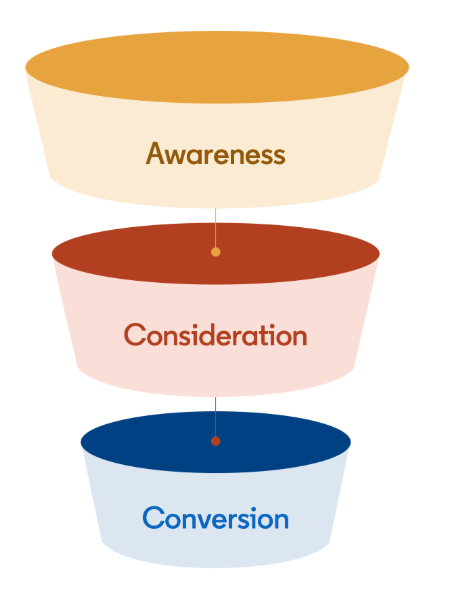
Building a Full-Funnel Content Marketing Strategy on LinkedIn
Table of Contents Toggle Why Build Content Marketing for the Full Marketing Funnel? (Why Full-Funnel Content Marketing?)Creating Your Strategy (Creating Your Strategy)Implementing Your Content Strategy (Rolling out your content strategy)Summary...
Designing Creative Content for LinkedIn
Table of Contents Toggle Why Is Good Creative Content So Important? (Why is Good Creative Important?)Key Components of Creative Design (the core elements of creative design)Summary (summary) Why Is Good...
Building an Organic Business Presence on LinkedIn With a LinkedIn Page
Table of Contents Toggle Why Have a LinkedIn Page?Establishing Your LinkedIn PageKeeping Your LinkedIn Page ActiveThe Measure of SuccessSummary About LinkedIn Page (Summary) Why Have a LinkedIn Page? For a...
6 Best LinkedIn Marketing Strategies for B2B in 2026
Table of Contents Toggle LinkedIn 2026: Where B2B Decisions Get MadeStrategy #1 – Why Is LinkedIn the Best B2B Marketing Channel Today?1. Decision-makers are concentrated here2. Users are in work...
What Is Facebook Ads? Popular Types of Facebook Advertising
What is Facebook Ads? This is surely a question many people wonder about, especially those just starting to learn about Facebook advertising. Let’s explore Facebook Ads from A to Z...
26 Predictions for Social Media Marketing Trends in 2025
It’s that familiar time of year again, when experts and analysts start revealing their predictions for the social media marketing trends worth watching, along with the shifts that promise to...