


Influencer Marketing Guide: Everything You Need to Know

In today’s world, social media is an essential part of everyday life. We use it to connect with friends and family, catch up on the news, and look up information about products and services. This has created an opportunity for businesses to reach their target audience through Influencer Marketing.
Influencer Marketing is a form of marketing that uses influencers on social media to promote a business’s products or services. These influencers can be celebrities, bloggers, experts in their fields, or anyone with a large following on social media.
Influencer Marketing works because it taps into the power of trust. When consumers see someone they trust and admire recommend a product, they are more likely to buy it.
Influencer Marketing has grown into an industry worth $21.1 billion in 2023. Businesses of every size use Influencer Marketing to drive sales, build brand awareness, and connect with customers.
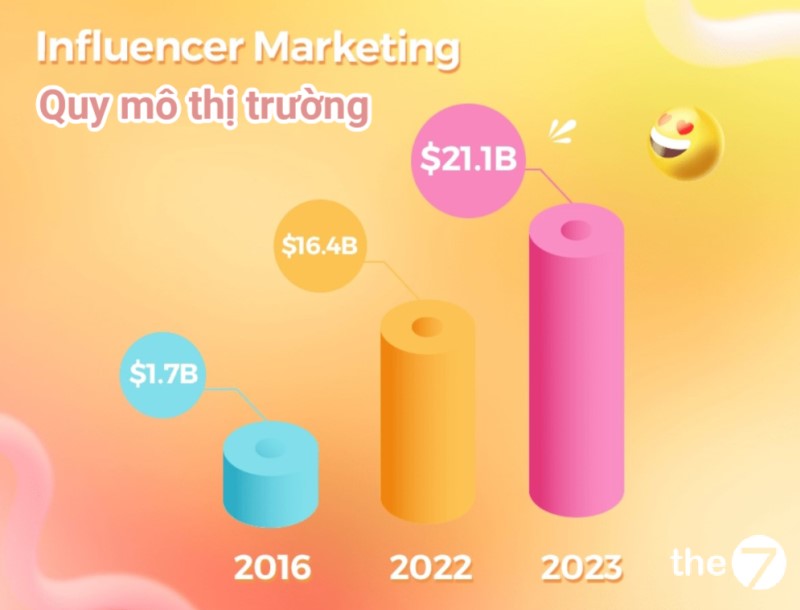
If you are looking for an exciting way to market your business or improve your current strategy, this guide will walk you through everything you need to know about Influencer Marketing, from the basics to building a successful strategy.
What Is Influencer Marketing?
Influencer Marketing is a dynamic, strategic form of digital marketing that leverages the influence of individuals known as influencers. These influencers have built a significant and active following on social media platforms, blogs, or other online channels. The central premise of Influencer Marketing is to partner with these individuals to promote your brand, products, or services authentically to their audience.
At its core, Influencer Marketing seeks to tap into the trust and relationships that influencers have built with their followers. When an influencer associates with your brand and shares their genuine experience or endorsement, it can have a profound impact on your target audience.
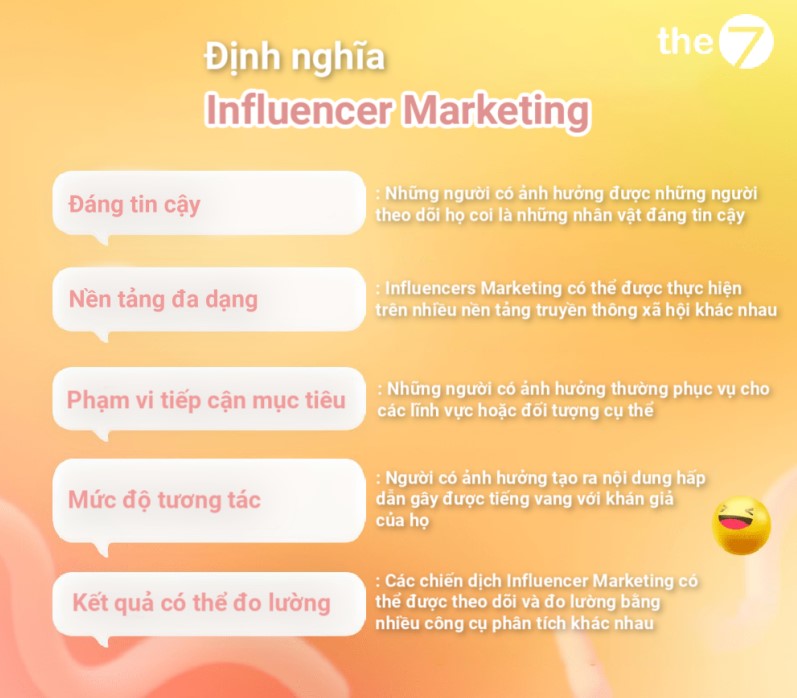
The key elements that define Influencer Marketing:
Trustworthy:
Unlike traditional advertising, Influencer Marketing thrives on authenticity. Followers see influencers as trustworthy figures, and their endorsements are meant to be sincere recommendations rather than paid advertisements.
Diverse Platforms:
Influencer Marketing is not limited to a single platform. It can run across many social media platforms such as Instagram, YouTube, and TikTok, or through blogs and other content channels, depending on where your target audience is most active.
Targeted Reach:
Influencers often serve specific niches or demographics, which helps you reach a high-quality target audience that is genuinely interested in your products or services.
Engagement Level:
Influencers are skilled at creating compelling content that resonates with their audience. This level of engagement can lead to higher interaction and participation from potential customers.
Measurable Results:
Influencer Marketing campaigns can be tracked and measured with a variety of analytics tools, allowing businesses to evaluate the effectiveness of their efforts and make data-driven decisions for future campaigns.
Benefits of Influencer Marketing
The benefits of adding Influencer Marketing to your digital marketing strategy are undeniable. Here is why you should consider it:
Greater Credibility and Trust
Influencers are often seen as trusted voices in their field or industry. When they endorse your product or service, their followers take it as a sincere recommendation from a reliable source. This authenticity can significantly strengthen your brand’s credibility.
Wider Reach and Visibility
Influencers have a large, active following, and when they feature your brand, your message can quickly reach a broad and relevant audience, including potential customers who may not have heard of your business yet.
Better Engagement Rates
Influencers excel at creating content that resonates with their followers. Their ability to connect on a personal level leads to higher engagement rates, such as likes, comments, shares, and clicks. This higher level of engagement can translate into stronger brand awareness and conversion rates.
Cost-Effective Marketing
Influencers usually share their content on existing social media platforms or blogs, where they already have a significant following. This distribution model reduces the need for extra ad spend to promote the content, because the influencer’s audience sees it naturally.
Segment Targeting
Influencers serve specific segments or demographic groups, which is extremely valuable because it lets you connect with an audience that is genuinely interested in your products or services. It minimizes the risk of wasting resources on reaching people who don’t care.
Diverse Content Creation
Influencers are content creators, and they are very good at producing engaging and varied content. When they promote your brand, you can benefit from many types of content, including photos, videos, stories, and reviews, which can be repurposed across your marketing channels.
Positive Return on Investment (ROI)
Thanks to the factors above, Influencer Marketing can deliver a positive return on investment (ROI) for your business. The combination of targeted reach, authenticity, and cost efficiency means the revenue from Influencer Marketing campaigns often outweighs the cost.
As you explore the benefits of Influencer Marketing, remember that the key is choosing influencers who fit your brand and target audience.
Understanding the Types of Influencers
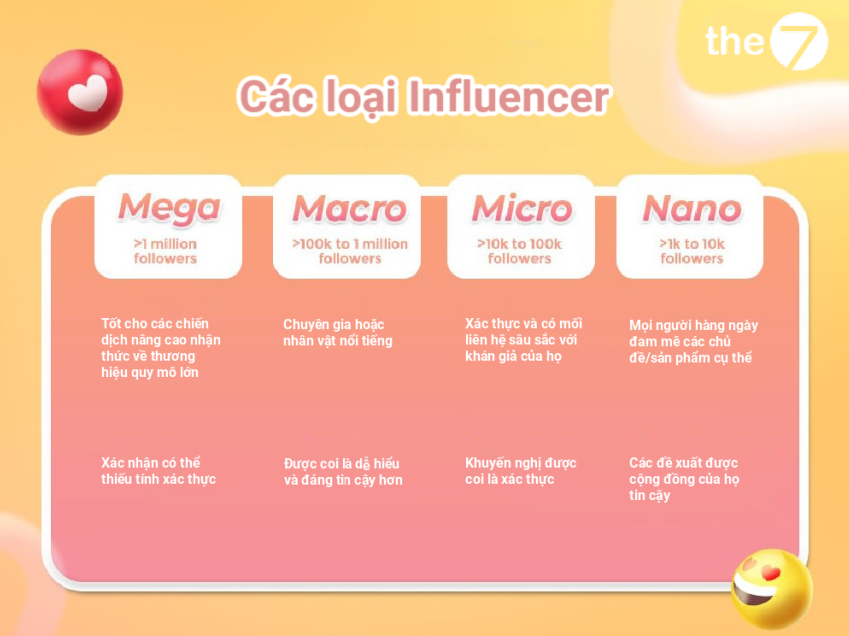
Every influencer has distinct characteristics. That is why understanding the different types of influencers is crucial when planning a successful Influencer Marketing campaign. Here are the main influencer categories you need to know:
Mega Influencers

Mega influencers are celebrities or public figures with huge followings, often in the millions, and an enormous reach that makes them attractive to brands. They are well suited to large-scale brand awareness campaigns and can quickly introduce your brand to a broad and diverse audience. However, their endorsements may be seen as less authentic because of their celebrity status.
Macro Influencers

Macro influencers have a sizable following, typically from hundreds of thousands to millions of people. They are often experts or well-known figures in specific fields, offering a balance between reach and authenticity. Despite their large followings, they are generally seen as more approachable and trustworthy than mega influencers. They are your best option for expanding brand awareness, attracting a relatively broad audience, and building credibility within a segment.
Micro Influencers
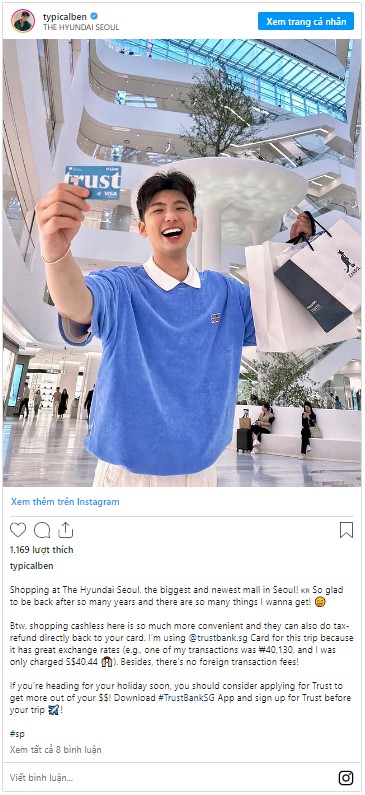
Micro influencers have smaller followings but high engagement, typically from 10,000 to several hundred thousand people. They are experts or enthusiasts in specific fields, known for their authenticity and deep connection with their audience. Their recommendations are usually seen as sincere, which can lead to higher engagement and conversion rates. Partner with a micro influencer if you want targeted marketing within small communities, genuine brand advocacy, and a high level of engagement.
Nano Influencers

Nano influencers have the smallest followings, typically just a few thousand people. They are everyday people who are passionate about specific topics or products, and they are seen as extremely authentic and approachable. Their recommendations carry real weight within their tightly knit communities of followers, making them a top choice if you are considering highly targeted marketing and want to generate word-of-mouth recommendations.
Key Factors to Consider When Partnering With Influencers
To ensure an effective partnership, businesses need to weigh several key factors when selecting and working with influencers. Here are the essentials to keep in mind:
Relevance to Your Brand
The influencer you choose should fit your brand’s values, mission, and niche. Their content and audience should naturally align with your products or services. It is also important to make sure the influencer’s style and image complement your brand identity. For example, if you run a luxury fashion brand, an influencer who regularly attends high-end fashion events and showcases designer outfits is an ideal choice.
Target Audience
Understanding the influencer’s audience is critical. Verify that their followers match your target audience in age, gender, location, interests, and buying behavior. The right audience increases the likelihood of conversion.
Engagement Level and Authenticity
Look for influencers with high engagement rates. Likes, comments, shares, and other forms of interaction reveal the authenticity and effectiveness of their influence. An influencer with a highly engaged audience can have a significantly greater impact on your campaign.
Track Record and Reputation
Review the influencer’s past content and collaborations. Make sure they have a positive track record and have not been involved in any controversy or scandal that could harm your brand image. Influencers with a strong reputation and credibility make more valuable partners.
Reach and Influence
While the size of an influencer’s following matters, it is not the only factor. Consider the full scope of the influencer’s influence, which includes not just their followers but also their ability to shape opinions and trends in their field. Some smaller influencers can have a far-reaching impact despite having fewer followers.
Budget and Compensation
Influencer rates can vary significantly depending on factors such as follower count and niche. Be prepared to negotiate compensation, whether through cash payments, free products, or other perks.
See more: Discover the Power of Programmatic Advertising
Contracts and Expectations
Spell out the terms of the partnership clearly in a contract or agreement. Specify the scope of work, deliverables, posting schedule, and any exclusivity terms, because transparency and clear expectations are essential to avoiding misunderstandings.
Measurement and Reporting
Define your key performance indicators (KPIs) and how you will measure success. Influencer Marketing campaigns should be tracked and evaluated with analytics tools to assess their impact on your brand’s goals.
Measuring the Effectiveness of Your Influencer Marketing Campaign
Understanding how well your Influencer Marketing campaign performs is essential not only to prove its ROI but also to make data-driven decisions that optimize your future efforts.
Set Specific Goals
Start by setting specific, measurable, time-bound goals for your Influencer Marketing campaign. These goals can range from increasing brand awareness and engagement to driving website traffic or boosting sales. Being clear about your objectives provides the foundation for measuring success.
Choose the Right Key Performance Indicators (KPIs)
Depending on your campaign goals, track the KPIs that match your objectives. Common KPIs for Influencer Marketing include engagement rate, click-through rate, conversion rate, reach, and impressions. For example, if you are using Influencer Marketing to drive sales through an e-commerce website, you should measure the number of website visitors arriving through the link the influencer shares and the number of users who go on to check out.
Monitor Audience Insights
Monitoring audience insights through social listening is a vital part of any Influencer Marketing strategy. Regularly review the influencer’s posts and interactions to assess how effectively they deliver your message. Look at the number of likes, comments, and shares to see whether the content truly engages your audience. Analyze comments and direct messages, as they can contain valuable feedback. Tracking the volume and quality of user-generated content can also reveal how viral the influencer’s content is and what impact it has.
Gather Feedback
Do not overlook the importance of collecting feedback from both the influencer and your audience. Understand what worked and what didn’t, then use that feedback to refine future campaigns.
Compare Results Against Benchmarks
To get a fuller picture of campaign performance, compare your results against industry benchmarks or other marketing initiatives within the same campaign. Industry benchmarks give context to your campaign’s performance, helping you judge whether your results are above, below, or on par with what is considered typical or outstanding in your field. Comparing Influencer Marketing with other marketing channels, such as paid advertising, email marketing, or SEO, can show which channel works best for your specific goals.
Influencer Marketing: A Strategic Solution for Brands
Influencer Marketing has evolved from a buzzword into a strategic solution in the world of digital marketing. Through carefully selected influencers, brands can tap into the trust, credibility, and engagement that traditional advertising often struggles to achieve.
It is a dynamic, constantly evolving field, so staying up to date with the latest trends and best practices will be your compass for successfully navigating an ever-changing Influencer Marketing landscape.

Nguyễn Đình
Bảo




As CEO of The7, I am committed to sharing practical, useful knowledge with every reader. Every article on The7 is based on my 7 years of hands-on experience in marketing — Facebook advertising, LinkedIn advertising, Google advertising, and marketing strategy. I hope you take away plenty of insight from these posts and apply it successfully in practice.
Related Articles
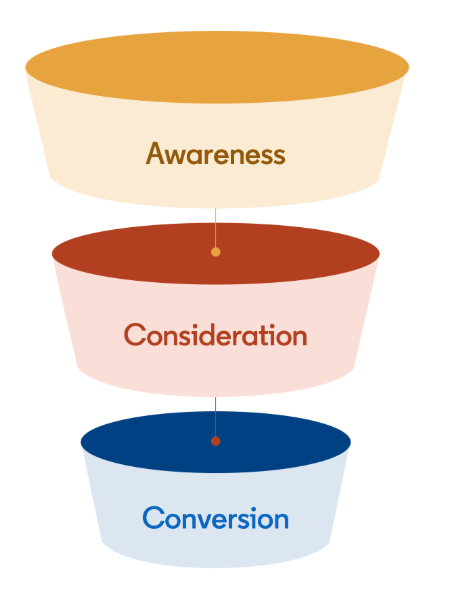
Building a Full-Funnel Content Marketing Strategy on LinkedIn
Table of Contents Toggle Why Build Content Marketing for the Full Marketing Funnel? (Why Full-Funnel Content Marketing?)Creating Your Strategy (Creating Your Strategy)Implementing Your Content Strategy (Rolling out your content strategy)Summary...
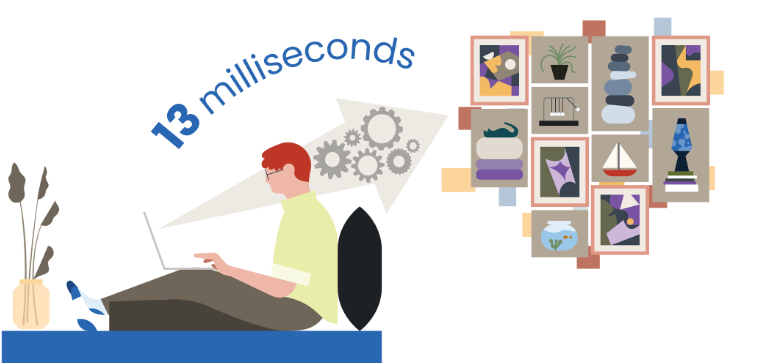
Designing Creative Content for LinkedIn
Table of Contents Toggle Why Is Good Creative Content So Important? (Why is Good Creative Important?)Key Components of Creative Design (the core elements of creative design)Summary (summary) Why Is Good...
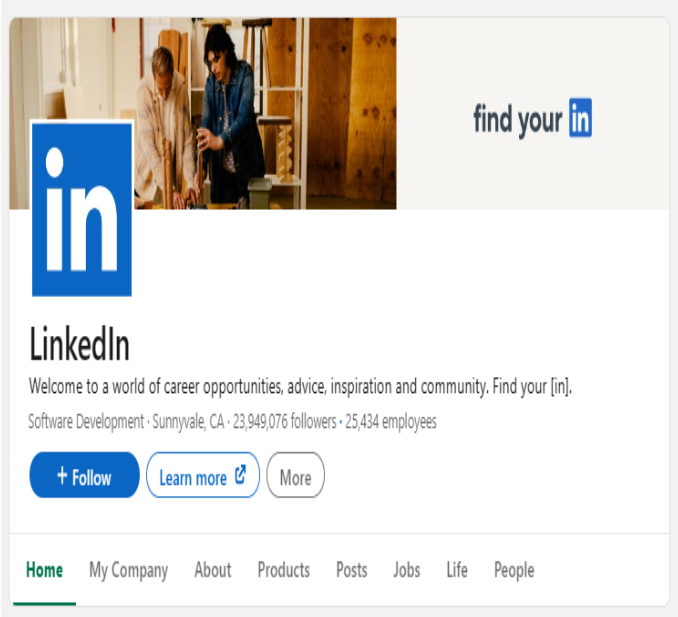
Building an Organic Business Presence on LinkedIn With a LinkedIn Page
Table of Contents Toggle Why Have a LinkedIn Page?Establishing Your LinkedIn PageKeeping Your LinkedIn Page ActiveThe Measure of SuccessSummary About LinkedIn Page (Summary) Why Have a LinkedIn Page? For a...
6 Best LinkedIn Marketing Strategies for B2B in 2026
Table of Contents Toggle LinkedIn 2026: Where B2B Decisions Get MadeStrategy #1 – Why Is LinkedIn the Best B2B Marketing Channel Today?1. Decision-makers are concentrated here2. Users are in work...
7 Social Media Trends for 2026: The Era of Real Value, Real Conversion, and Real People
Table of Contents Toggle Social media is entering the biggest restructuring of the decadeTrend 1: Why is buying directly in-app becoming the new standard for 2026? (On-Platform Conversion)What should businesses...

What Is TikTok Marketing? Effective TikTok Marketing Strategies
TikTok has been topping the global rankings of the most downloaded and most visited apps. That makes it a gold mine for marketers who love creativity. In this article, The7...