


How Brands Overcome the Status Quo Barrier and Turn Potential Customers Into Loyal Users

The “status quo” bias is one of the biggest barriers keeping consumers from trying new products and brands. This bias makes it hard for people to let go of what is familiar and accept something new, even when the new option could offer greater benefits.
What Is the “Status Quo” Phenomenon? The “Current State of Affairs” Bias
Status quo is a bias that sits deep in many people’s psychology. It shows that we tend to keep things as they are and resist change, out of fear of unwanted risks and losses. So when we have to choose between changing and keeping the current situation, most of us lean toward keeping it.
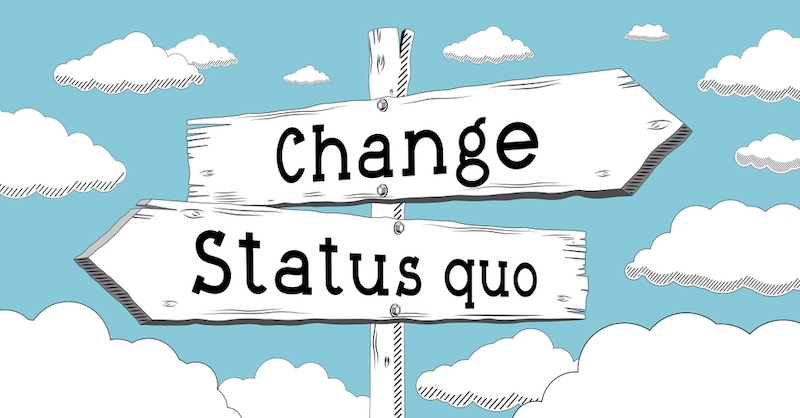
The status quo shows up in many areas of everyday life, from being too lazy to switch mobile phone plans and reluctant to move to a new home, to avoiding a new restaurant. In these situations, our brains tend to look for advantages and reasons to keep things as they are rather than try something new. This leads to a lopsided comparison in which we favor “what is” over “what could be.”
This psychological phenomenon was demonstrated by Richard Zeckhauser and William Samuelson in 1988. In their experiments, people generally preferred options that preserved the current state of affairs over options that changed it. Zeckhauser and Samuelson asked participants to make decisions in situations that managers, government officials and individuals commonly face. The results showed that most participants chose to keep their current circumstances rather than pick options that brought change or progress.
The Double-Edged Impact of the Status Quo on Brands
The status quo effect, also known as the tendency to maintain the current state, can be hugely beneficial for businesses looking to strengthen customer loyalty. A classic example is Netflix, which decided to restrict password sharing despite mixed reactions in the media. Thanks to their affection for the service and long-standing habit of using it, many Netflix users were willing to pay extra to keep things as they are rather than move to another platform.
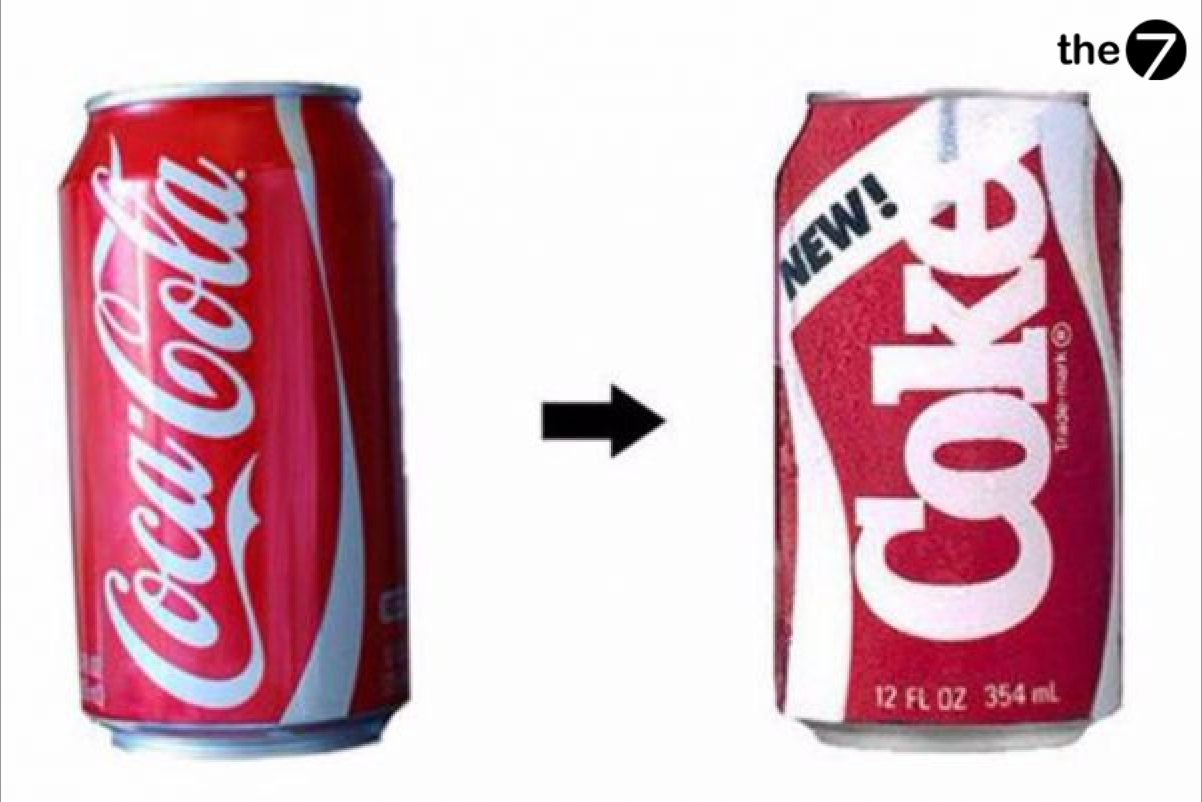
However, the status quo can also become a barrier for new brands or new products entering the market. Coca-Cola’s experience with New Coke is a clear lesson. Although New Coke scored highly for taste in market research, it met fierce opposition from consumers when it launched, forcing Coca-Cola to return to its traditional formula. The main reason was consumers’ preference for the familiar and their attachment to the old product.
Businesses need a clear understanding of the power of the status quo so they can build the right strategy. For brands that already have a solid foothold, maintaining good product and service quality helps strengthen customer loyalty. To win new customers, however, businesses need breakthrough strategies that create a point of difference strong enough to break existing habits and capture consumers’ attention.
4 Reasons People Are So Often Obsessed With the “Current State”
People tend to be fixated on the current state of things: they put off change and hold on to old habits, even when those habits no longer fit or deliver the best results. This psychological effect comes from 4 main causes:
- Loss aversion: This mindset makes us focus on what we could lose rather than on the potential gains. When change risks costing us what we already have, people usually choose to keep things as they are, even if the current situation is far from perfect.
- The cost of change: Any change comes with a cost, whether financial, time or effort. Switching costs, the cost of learning new skills, or simply the time needed to adapt to a new environment all make people wary of change.
- The difficulty of choosing: Change means making a choice, and choices always carry uncertainty and risk. We have to weigh the potential benefits against what we might lose, assess the likelihood of success and face unforeseen difficulties. This process of thinking and choosing takes a lot of energy and can lead to anxiety, leaving people confused and discouraged.
- A preference for stability: People tend to adapt to their current environment and look for stability. Once we are used to a routine, an environment or a way of working, we feel comfortable and safe. Change means disrupting that stability, which leaves people feeling anxious, insecure and disoriented.
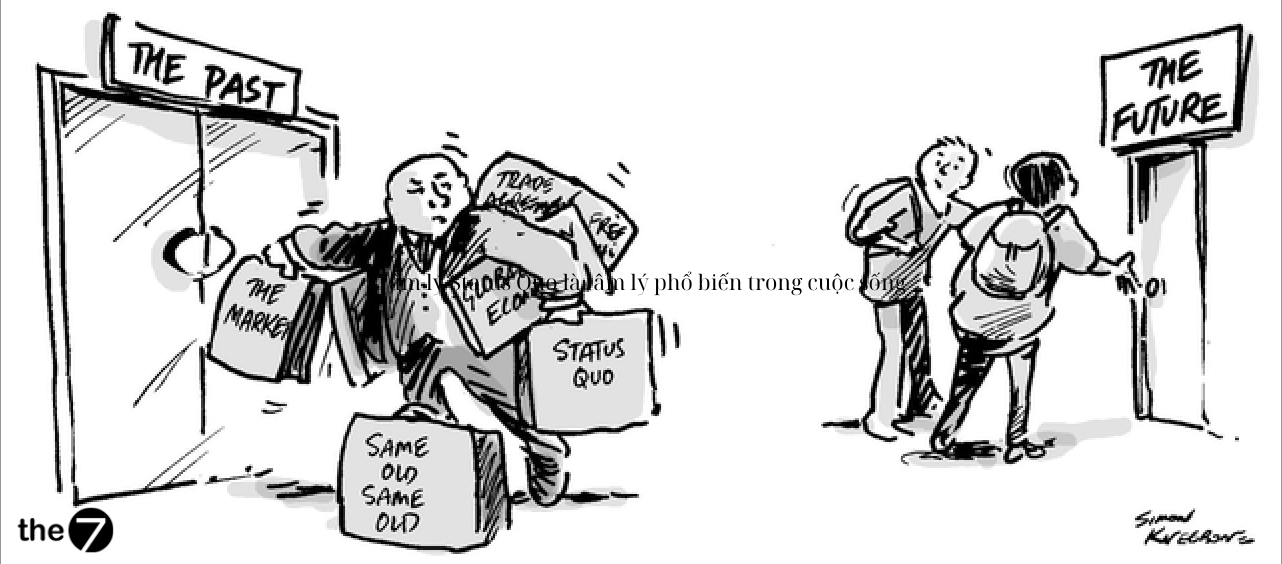
Inspiring Customers to Overcome the Status Quo Barrier and Discover New Products
To succeed at attracting and retaining customers, especially when introducing a new product, businesses need strategies that overcome the status quo bias, the tendency to prefer keeping things as they are. Here are 4 effective strategies:
Expose the weaknesses of the current solution: Instead of focusing too heavily on the strengths of the new product, tactfully point out the limitations and drawbacks of the solution customers are using now. This helps them realize that the “current state” is not always as perfect as they expected and may carry many risks and missed opportunities for improvement.
Example: Are you using Service X with slow speeds and frequent outages? Try our solution Y: 10 times faster, with a stable connection that saves you time and boosts your productivity!
“Map out” the costs and benefits: Customers often resist change because they worry about costs and risks. Businesses need to be transparent and specific about the costs of the new product, while comparing them with the practical benefits customers will receive. In particular, emphasize that this is a high-value investment that saves customers money in the long run.
Example: For just 1,000 VND a day, you can get an unlimited mobile data plan, with easy internet access, entertainment and connectivity anytime, anywhere. Compared with paying 2,000 VND for a limited data plan, this is a smarter, more economical choice!
Harness the power of emotion: People don’t buy on logic alone; they are also drawn in by emotion. Businesses should evoke positive feelings such as excitement, the desire to try something new, and pride in using a new product, through creative marketing campaigns, appealing visuals and inspiring stories.
Example: Change your life and elevate your mobile experience with cutting-edge technology. Get the new product today and show off your style and class!
“Proof” from the community: Praise from customers who have already used a product is an extremely persuasive tool. Businesses can tactfully build positive reviews and real user feedback into their media channels, website, Facebook Page and more to build trust and attract potential customers.
Example: Millions of people trust and love our product. Join the community to experience it together and share the best tips for getting the most out of it!
Customer Retention Strategies Using the Status Quo Effect
The status quo effect, the tendency to prefer keeping things as they are, is not only a barrier but can also become a powerful “weapon” in a business’s hands for retaining customers. Here are some effective strategies:
- Encourage usage habits: Use default features such as auto-renewal and recurring subscriptions to encourage customers to keep using your products and services. This is convenient for customers and reduces the chance that they switch to a competitor.
- Loyalty programs: Reward loyal customers through special offers, points that can be redeemed for gifts, tier upgrades and more. Creating a feeling of being “favored” and “benefiting from staying” keeps customers satisfied and less inclined to change.
- Improve the customer experience: Provide professional service, smooth transactions, enthusiastic support and more, so customers feel satisfied with the current situation and stay connected to the brand for the long term.
- Build an emotional connection with customers: Share success stories and positive customer reviews, and use attractive illustrations and more, to stir positive emotions and build a strong connection and trust with the brand.
Conclusion
The status quo bias brings both benefits and barriers for businesses. It helps brands maintain customer loyalty to familiar products and images. However, to expand the market with new products and services, businesses must overcome this mindset. The costs and risks involved in change are key factors that determine whether a brand can effectively reinforce or break the status quo in customers’ minds.
> See more: Understanding Gen Z’s Psychological Pain Points: How Brands Can Win the Hearts of a New Generation
By Khánh Huyền
Source: Marketing AI

Nguyễn Đình
Bảo




As CEO of The7, I am committed to sharing practical, useful knowledge with every reader. Every article on The7 is based on my 7 years of hands-on experience in marketing — Facebook advertising, LinkedIn advertising, Google advertising, and marketing strategy. I hope you take away plenty of insight from these posts and apply it successfully in practice.
Related Articles
Building a Full-Funnel Content Marketing Strategy on LinkedIn
Table of Contents Toggle Why Build Content Marketing for the Full Marketing Funnel? (Why Full-Funnel Content Marketing?)Creating Your Strategy (Creating Your Strategy)Implementing Your Content Strategy (Rolling out your content strategy)Summary...
Designing Creative Content for LinkedIn
Table of Contents Toggle Why Is Good Creative Content So Important? (Why is Good Creative Important?)Key Components of Creative Design (the core elements of creative design)Summary (summary) Why Is Good...
Building an Organic Business Presence on LinkedIn With a LinkedIn Page
Table of Contents Toggle Why Have a LinkedIn Page?Establishing Your LinkedIn PageKeeping Your LinkedIn Page ActiveThe Measure of SuccessSummary About LinkedIn Page (Summary) Why Have a LinkedIn Page? For a...

6 Best LinkedIn Marketing Strategies for B2B in 2026
Table of Contents Toggle LinkedIn 2026: Where B2B Decisions Get MadeStrategy #1 – Why Is LinkedIn the Best B2B Marketing Channel Today?1. Decision-makers are concentrated here2. Users are in work...

7 Social Media Trends for 2026: The Era of Real Value, Real Conversion, and Real People
Table of Contents Toggle Social media is entering the biggest restructuring of the decadeTrend 1: Why is buying directly in-app becoming the new standard for 2026? (On-Platform Conversion)What should businesses...

What Is TikTok Marketing? Effective TikTok Marketing Strategies
TikTok has been topping the global rankings of the most downloaded and most visited apps. That makes it a gold mine for marketers who love creativity. In this article, The7...