


Website Design Trends 2023
Your website design plays a key role in telling your brand story and shaping how much people trust your brand.
In fact, 75% of your website’s credibility depends on how it is designed. Building brand credibility is essential for converting new customers and earning the loyalty of existing ones. Whether you are starting a full website redesign or looking for ways to improve your current site, the following eight trends will help you build trust, attract new customers, and grow your brand.
Website Design Trends This Year
- Optimizing Responsive Design (Responsive Website Design)
- Designing Websites That Put Experience Before Looks
- Investing in Custom Website Design
- Designing Websites That Prioritize Conversion Features
- Designing Websites With a Focus on Accessibility
- Designing Websites With a Clear Structure and System
- Optimizing Website Performance
- Communicating Your Brand’s Purpose
Optimizing Responsive Design (Responsive Website Design)
Industry leaders have been talking about responsive website design for so long that we might assume every website already follows this best practice. Surprisingly, a lot of websites still haven’t implemented it, or they treat it as an afterthought!
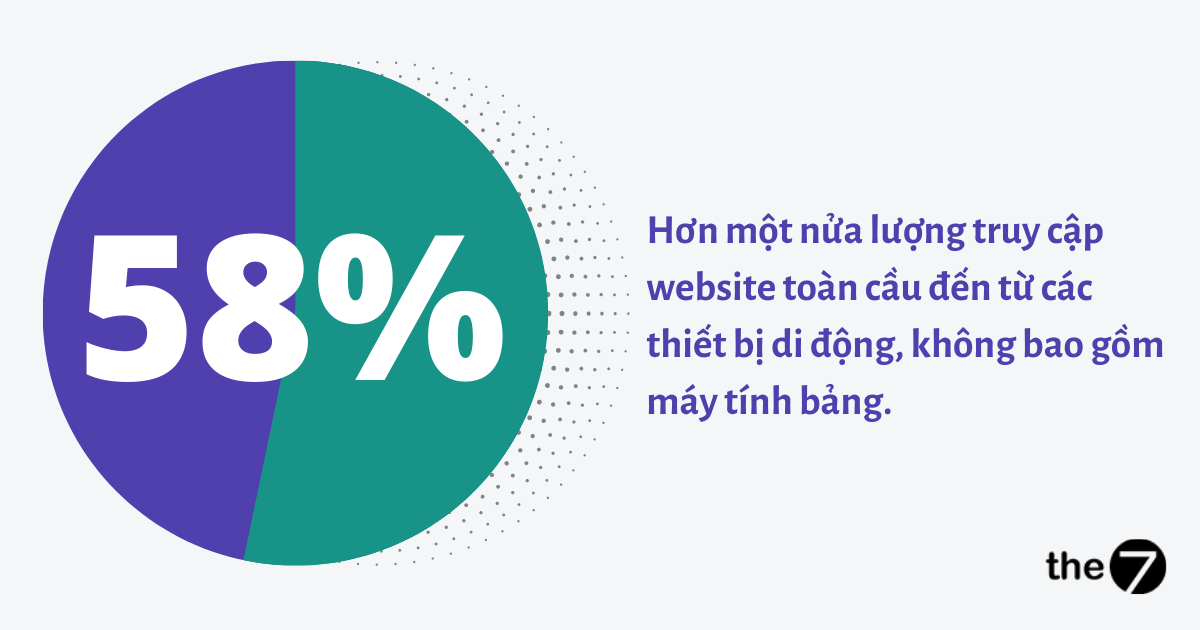
58% of global website traffic comes from mobile devices (excluding tablets).
Designers often start with a desktop design and then forget to optimize for mobile and tablet. That is a mistake. With so many users visiting your website on a mobile screen, the mobile experience needs to be just as good as, or even better than, the desktop one.
If you neglect to improve the mobile experience, you risk losing customers.
That is why we recommend a “mobile-first” mindset! Start by designing for mobile. Build the best experience for the smallest screen first, then scale up to tablets, laptops, desktops, and even TV screens. Look for the points that don’t make sense, and don’t hesitate to use completely different components so your message fits each type of screen.
Designing Websites That Put Experience Before Looks
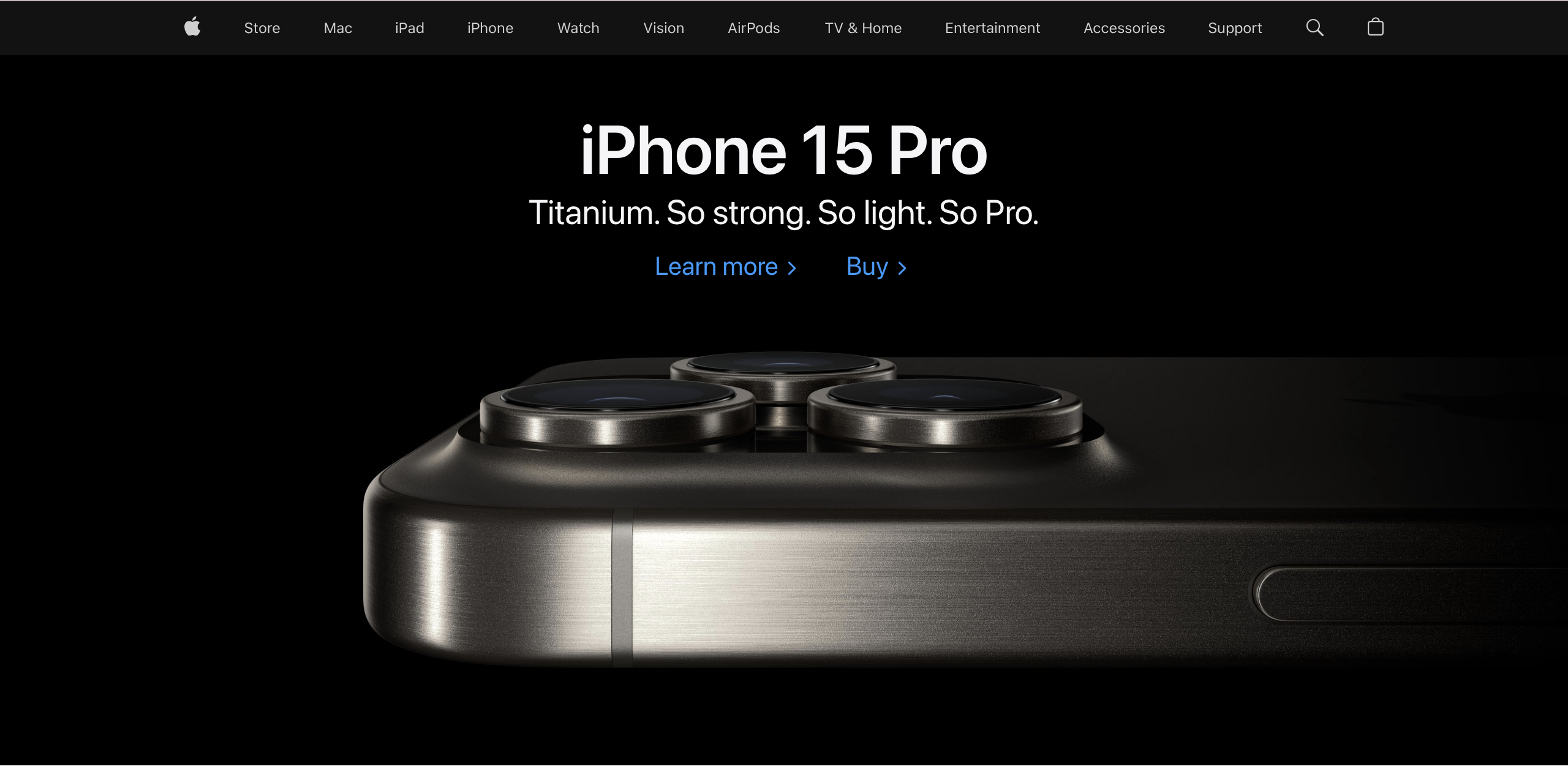
If a website element looks eye-catching but is hard to use, does it belong on your website? Probably not. We’ve seen a rise in website designs that try to impress with visually striking design elements. Digital leaders know this: many top brands have swapped overly complex features for simple, refined designs (such as Apple).
At The7, we have a clear rule when deciding whether a design element should be included on a website: keep it simple. Simplicity is the ultimate form of sophistication!
Think carefully before adding unnecessary design elements and excessive animation that dilute your message and your brand’s overall purpose. Find a balance between function and aesthetics, and prioritize elements that are simple, useful, timeless, easy to navigate, and able to tell your story.
Investing in Custom Design
Standing out in today’s fiercely competitive market is not easy. One of the best ways to make sure your website scores high is to invest in website design and development. Building from the ground up also ensures your website will be one of a kind. There is nothing worse than visiting a website that looks like countless others. If your website looks ordinary, how can you stand out from a competitive crowd?
Your website should be seen as an extension of your brand. You only have a few seconds to make a first impression on new users. Make it interesting and memorable. Don’t fall into the trap of using outdated, copycat design trends.
A custom design makes your website stand out and builds trust in your brand. Brand trust matters: 90% of buyers are willing to pay more for products from brands they trust. Your website is one of the best ways to build that trust with customers.
Prioritizing Conversion Features
Sometimes marketing teams and designers overcomplicate things when adding new features to their websites. This year will be about removing distractions and cutting features that don’t convert. Marketers can apply a Conversion Rate Optimization (CRO) strategy to assess which features are converting and which should be removed to improve performance.
One example of a feature that no longer converts as well as it used to is the slider or carousel on a website. Don’t risk hiding important content or offers on the second slide onward. Consider displaying this information in a separate module, where it is more likely to be seen and acted on.
Focusing on Accessibility
In 2023, accessibility remains one of the main priorities in website design. Creating a website experience that everyone can use is not only the right thing to do but also a legal obligation. The good news is that accessibility best practices often follow general design principles, so making sure your website is easy for all users to access is a win-win opportunity. Unfortunately, accessibility improvements are often left unplanned or deprioritized.
Here are some common accessibility errors on websites today:
- Insufficient color contrast
- Missing or inappropriate alternative text for images or graphics
- Poor or missing visual indicators
- Failing to provide accessible names or labels.
If your brand hasn’t paid much attention to the accessibility of your website, now is the time to act. The best next step is to run an accessibility audit of your website. From there, you can build a roadmap for improving accessibility.
Building a Clear Structure and System
The main goal of setting up a clear structure and system for your website is to make sure your customers can reach their goals easily and efficiently. Websites that are clearly organized and easy to follow are more likely to turn users into customers.
What’s more, all of the best practices below also benefit your website’s search engine optimization (SEO).
Best Practices for Website Structure
- URL structure: Try to keep your website’s URL structure as simple as possible. Consider how you organize your content so that URLs are built logically and are easy for users to understand.
- Clean website navigation: Make sure the navigation menus in the header and footer are clear, with relevant links, to help users find information faster. Users should be able to find the information they need in three clicks or fewer.
- Typography: Establish and apply a consistent typography guide across your website. Use headings and subheadings to signal importance and help users understand where to focus. Use typefaces, colors, and text sizes to guide users to the most important information.
- Breadcrumbs: Breadcrumbs are a secondary form of navigation on your website that improves findability. They also help users know where they are on your website and find related information more easily.
- Inverted pyramid method: Another strategy is to build your website using the inverted pyramid method, commonly used by journalists. Start with the most important information at the top of the page, then add supporting information as you move down the page, in descending order of importance.
See more: https://the7digital.com/xu-huong-digital-marketing/semantic-seo-19624/
Making Your Website Faster
The question is how fast your website’s pages load, and whether they are slower than the standard. Does it matter? Absolutely! 70% of consumers say website speed affects their willingness to buy from online shopping sites.
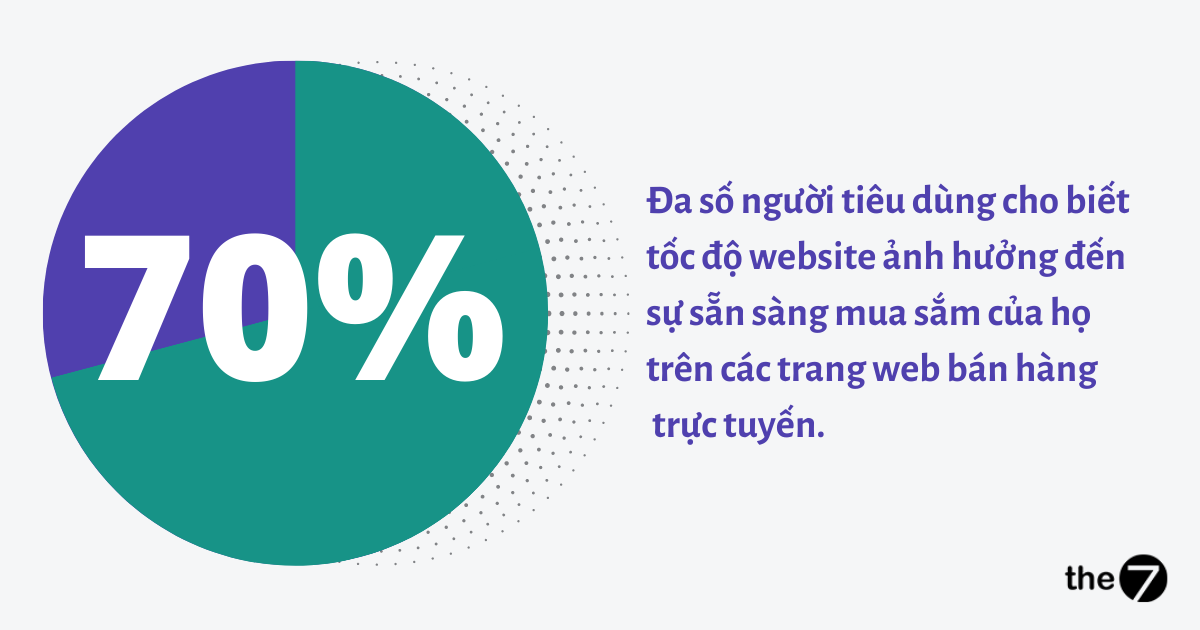
When it comes to page load time, every second counts. According to research, website conversion rates drop by an average of 4.42% with each additional second of load time. That means you could be missing out on hundreds of thousands of dollars. The faster your website loads, the better.
Marketers can no longer ignore poor website speed performance, especially on mobile devices. Every year, Google continues to emphasize page speed as an important ranking factor in order to “make the web faster.” Now is the time to act. Look for site-wide optimizations such as compressing file sizes, trimming unnecessary JavaScript, and implementing lazy loading.
Audit your best-performing pages to find ways to shave off every possible millisecond. When you optimize load times, you can expect to see improvements in user experience (UX), conversion rate, and sales.
Communicating Your Brand’s Purpose
When it comes to the power of purpose, the data is clear: purpose-driven companies grow three times faster than their competitors, while also achieving higher revenue and customer satisfaction. If your company doesn’t have a clear purpose yet, now is the time to start defining it. If your brand already has a purpose, make sure it is communicated clearly across your website design.
Communicating your brand’s purpose clearly across your entire website helps build trust, credibility, and authority. It confirms to visitors that they are in the right place and creates an authentic connection that builds loyalty over time. If your website design doesn’t clearly convey your brand’s purpose, it may be time for a redesign.

Nguyễn Đình
Bảo




As CEO of The7, I am committed to sharing practical, useful knowledge with every reader. Every article on The7 is based on my 7 years of hands-on experience in marketing — Facebook advertising, LinkedIn advertising, Google advertising, and marketing strategy. I hope you take away plenty of insight from these posts and apply it successfully in practice.
Related Articles
Building a Full-Funnel Content Marketing Strategy on LinkedIn
Table of Contents Toggle Why Build Content Marketing for the Full Marketing Funnel? (Why Full-Funnel Content Marketing?)Creating Your Strategy (Creating Your Strategy)Implementing Your Content Strategy (Rolling out your content strategy)Summary...
Designing Creative Content for LinkedIn
Table of Contents Toggle Why Is Good Creative Content So Important? (Why is Good Creative Important?)Key Components of Creative Design (the core elements of creative design)Summary (summary) Why Is Good...
Building an Organic Business Presence on LinkedIn With a LinkedIn Page
Table of Contents Toggle Why Have a LinkedIn Page?Establishing Your LinkedIn PageKeeping Your LinkedIn Page ActiveThe Measure of SuccessSummary About LinkedIn Page (Summary) Why Have a LinkedIn Page? For a...

6 Best LinkedIn Marketing Strategies for B2B in 2026
Table of Contents Toggle LinkedIn 2026: Where B2B Decisions Get MadeStrategy #1 – Why Is LinkedIn the Best B2B Marketing Channel Today?1. Decision-makers are concentrated here2. Users are in work...

7 Social Media Trends for 2026: The Era of Real Value, Real Conversion, and Real People
Table of Contents Toggle Social media is entering the biggest restructuring of the decadeTrend 1: Why is buying directly in-app becoming the new standard for 2026? (On-Platform Conversion)What should businesses...

What Is TikTok Marketing? Effective TikTok Marketing Strategies
TikTok has been topping the global rankings of the most downloaded and most visited apps. That makes it a gold mine for marketers who love creativity. In this article, The7...