


What Is Communication? Popular Communication Channels Today

Communication is a field with enormous growth potential, helping us convey any message and share information about products and services with ease. Yet many businesses still don’t fully understand what communication is, what role it plays for a business, or what the right steps for building a communication plan are. Let The7 walk you through the details in the article below!
1. What Is Communication? The Basic Elements of the Communication Process
Communication is the continuous process of conveying and exchanging information, knowledge, ideas and more between individuals, groups or communities. Communication strengthens understanding and, ultimately, can change perceptions and shape behaviors and attitudes. Definitions of communication vary depending on the perspective, but they all emphasize the transfer of information and social interaction.
In the business world, communication plays a key role in delivering information to different audiences, from the general public to customers, partners, competitors and employees. This helps build and grow the brand and win the attention and support of your target audience, especially in today’s information age.
Communication consists of 6 basic elements:
- Source: The origin of the information.
- Content: The information the source wants to convey, which can be turned into meaningful pieces such as stories, articles, videos and images…
- Channel: The medium the source uses to deliver the information, such as television, press, radio, word of mouth,…
- Receiver: The audience that receives the information, which can be an individual or a group of people.
- Feedback: The receiver’s reaction to the information.
- Noise: Any factor that distorts the information during transmission.
>>>>> See more of The7’s services: Marketing Consulting Services
2. The Role of Communication for Organizations
2.1 For Businesses
Communication helps businesses achieve their business goals. Specifically, it can help a business with the following tasks:
- Helps businesses build and promote their brand, and shape the image and awareness customers have of it.
- Supports businesses in reaching potential customers, introducing products and services, and driving sales.
- Helps businesses build relationships with stakeholders, including customers, partners, investors and the community.
- Delivers internal information, builds company culture and keeps employees engaged.
- Resolves crises by delivering information promptly and accurately, so the business can minimize damage and restore its brand image.

2.2 For the Public
Communication helps us stay informed, be entertained, learn, build society and protect our rights. It is a useful tool for raising awareness, developing ourselves and building a better society.
- Keeps people up to date on economic, cultural, social and legal issues at home and abroad, so they understand the world around them and make wise decisions in life.
- Provides people with entertainment and lifestyle learning content that promotes personal development and awareness. It helps them relax, relieve stress and improve their knowledge and skills.
- Champions positive values and condemns bad behavior, helping build a good, civilized and peaceful society, so people feel responsible toward the community and act for a better society.
- Communication allows people to give feedback and protect their legitimate rights and interests, ensuring they are heard and have a voice in society.

2.3 For the State
Communication carries information and sustains interaction between the government and its citizens.
- Helps the government communicate its economic, cultural, social and legal policies to the people widely and effectively.
- Persuades the public, correcting citizens’ misperceptions and encouraging them to act in accordance with the law.
- Helps the government gauge public opinion before issuing legal documents, making it possible to improve and adjust management policies.
- Enables different groups in society to critique and voice opposing views fairly, increasing transparency in governance and in politicians’ actions.

3. What Is a Communication Message? Principles for Crafting One
A communication message is the information or idea a business conveys to its receivers, namely its target customers. A message can be delivered through many different means, such as language, images, audio or video.
An effective communication message is clear, concise and easy to understand. It also needs to be designed to suit the target audience, because it can influence customers’ thoughts, emotions and behavior.
There are 6 essential principles for building impressive, effective messages:
- Simple, memorable and easy to understand
To communicate effectively, use simple, easy-to-understand language and avoid flowery, overly elaborate wording. This helps your message sink into customers’ awareness and stick in their memory.
Example of a communication message: In Vietnam, Viettel Telecom with its slogan “Hãy nói theo cách của bạn” (Speak your way) and the footwear brand Biti’s with its slogan “Nâng niu bàn chân Việt” (Cherish Vietnamese feet) have successfully reached their target customers by applying this principle.
- Honest, dependable and credible
To build trust, organizations and businesses need to convey credibility and reliability fully through their messages.
Example of a communication message: Colgate builds credibility and trust by using positive endorsements from dentists in its recommendation announcements. It compares the whiteness and strength of teeth to pearls when using Colgate products. And of course, Colgate’s signature red is positioned and displayed across its media.

- Eye-catching, appealing and engaging for the target audience
A creative, appealing, eye-catching message generates interest and draws the public’s attention to the brand. What’s more, such messages can spread widely, helping a business achieve a positive communication effect.
Example of a communication message: a campaign with a creative message that attracted real interest is Coca-Cola’s “Trao Coca Cola, kết nối bạn bè” (Share a Coca-Cola, connect with friends), launched in the summer of 2011 in Vietnam.
The campaign drew major attention: the keyword “Trao Coca-Cola kết nối bạn bè” had 54,400 results on Google just 1 month after launch. People loved the chance to print their own names and the names of people close to them on Coca-Cola cans and bottles and share them with friends and family.

- Influences the target audience’s behavior and drives them to your products and services
The message on an ad banner is a powerful tool for influencing customer behavior and generating the conversions you want.
A Vietlott banner used the message “Chào Xuân mới – Tiền tỷ tới – Mua vé số ngay” (Welcome the new spring – Billions on the way – Buy a lottery ticket now) to influence its target customers’ perceptions and drive them to buy Vietlott lottery tickets at the start of the new year for a chance to win billions.

- Fits the beliefs, customs and culture of the target public
Culture, customs and beliefs are important factors to consider when delivering an effective message. Businesses need to choose colors and images that fit the culture of their target audience and each geographic region to create empathy and leave a strong impression.
Example of a communication message: Oreo’s Tet 2020 TV commercial in Vietnam carried the message “Phiêu nhạc Tết – Vui gắn kết” (Groove to Tet music – Joy that connects). The commercial used images familiar in Eastern culture, such as the áo dài and the Tet family meal, together with Oreo cookie boxes appearing alongside Tet musical notes that bring joy, honor the culture and bring the whole family together at the start of the new year.

- Influences the public’s psychology and emotions (fear, optimism, joy, love,…)
When shopping, people often take time to research products and compare prices and quality across different brands. But when it comes time to decide, they tend to follow their emotions rather than their reason.
That’s why businesses that use emotional messages can have a major impact on customers’ buying decisions. Emotional messages can be stories, images, music and more that make customers feel empathy, feel understood, or even feel moved.
Neptune launched its Quý Tỵ (Year of the Snake) Tet ad campaign with a 60-second TV commercial that began airing on December 18, 2012, with the message “Cùng Neptune về nhà đón Tết, gia đình trên hết” (Go home for Tet with Neptune, family comes first). The full 2:12 version of the commercial was published on the brand’s YouTube channel.
In the commercial, Neptune plays the storyteller, telling the touching story of a hearing-impaired little girl who longs to be reunited with her father after a long separation. The father’s image evokes the longing of children who must live far from home to make a living, making reunion a kind of luxury. Neptune also skillfully stirs the audience’s sympathy with scenes of the grandparents and mother trying to fill the void of the girl’s missing father.

4. Types of Communication for Businesses
4.1 Direct Communication
Direct communication is a form of communication in which the sender and the receiver interact with each other directly and in real time. The receiver can respond to the sender through speech, gestures, body language and more.
- Advantages of direct communication
Real-time interaction: The receiver can respond to the sender immediately through speech, gestures, body language and more, which makes communication more effective because the receiver can be heard and better understood.
Stronger relationships: With face-to-face interaction, people get to know each other better, which helps build stronger relationships.
A sense of trust: When receivers can see and hear the sender directly, they can judge how genuine and trustworthy the information is.
- Disadvantages of direct communication
High cost: Direct communication usually costs more than indirect communication because the sender and the receiver must be present at the same time.
Limited reach: Only the people present at the venue of the direct communication can access the information.

4.2 Indirect Communication
Indirect communication is a form of communication in which the sender and the receiver do not interact with each other directly or in real time. The receiver gets the information through today’s intermediary media channels such as the press, television, the internet,…
- Advantages of indirect communication
Low cost: The sender and the receiver don’t need to be present at the same time.
Wide reach: Information can be delivered to many people at the same time through mass media.
Saves time and effort: Indirect communication saves the sender time and effort because there is no need to travel to a venue for direct communication.
- Disadvantages of indirect communication
No real-time interaction: Receivers can’t respond to the sender through indirect media, which can make communication less effective.
Hard to capture feedback: It is difficult for the sender to quickly capture the receivers’ actual feedback through indirect media.
A sense of distance: Receivers can’t see and hear the sender directly.
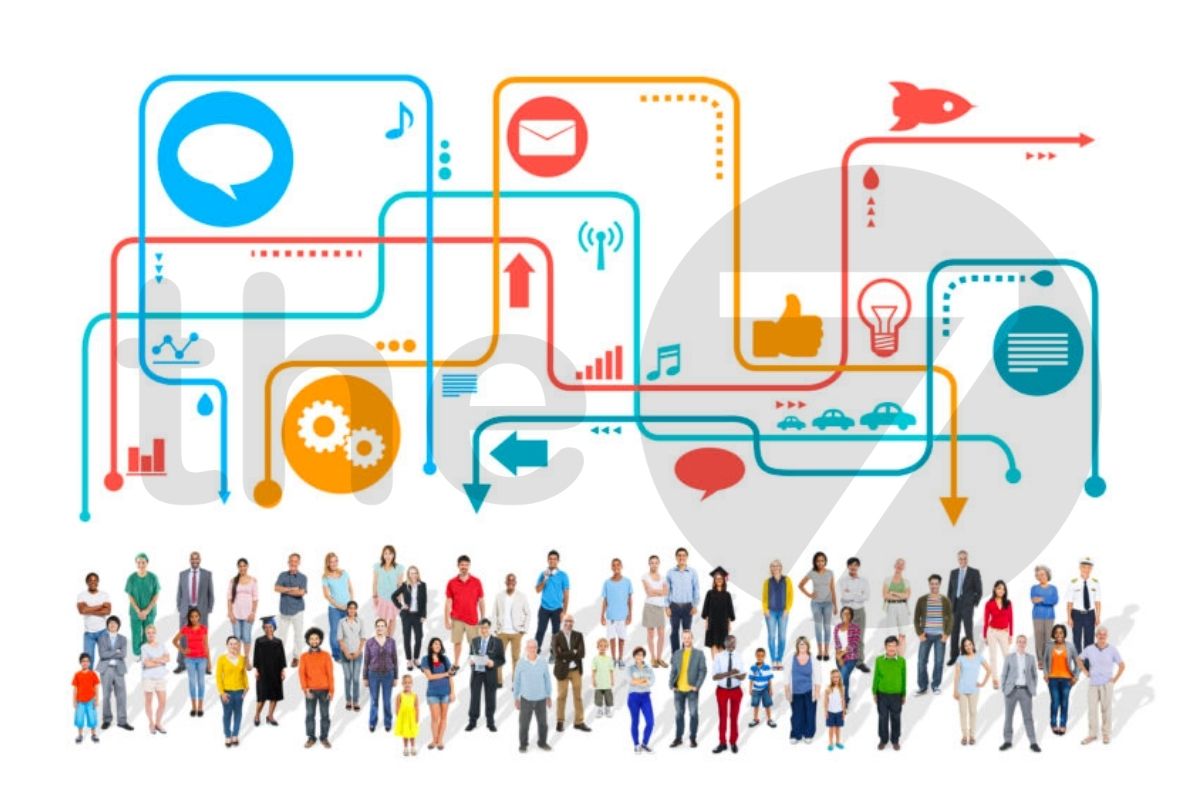
5. Communication Channels Today
5.1 Livestream
Livestreaming (live broadcasting) is an emerging communication channel that offers businesses many benefits for engaging with customers.
On social media platforms such as TikTok, YouTube, Facebook, Instagram,… livestreams let businesses connect directly with customers, keep them up to date with the latest information and address their current needs. This helps businesses build better relationships with customers.

5.2 Social Media
Social media plays an important role as a tool that lets users share information and interests and form online communities. With a growing number of social media users, businesses can use social media to raise brand awareness, expand their reach and attract customers.
By using social media, businesses can target ads to specific customer groups on social platforms, which helps optimize ad spend and gain a competitive advantage. Businesses can also share information with users, collect data to better understand the market and customer trends, and build a loyal online customer community.

5.3 Mobile Phones
The mobile phone is not only a popular communication channel but also a versatile tool that gives users access to all kinds of information through apps such as Facebook, Instagram, Twitter, TikTok,… With a mobile phone, users can conveniently access a huge amount of information, follow social trends and join online events.

5.4 Television
With television viewers making up as much as 90% of Vietnam’s population, TV has a strong impact on many different audiences and increases the likelihood of conversion. It also grabs customers’ attention and strengthens a business’s brand awareness.
However, TV advertising is usually more expensive than other channels and can sometimes feel annoying to viewers. To get the most out of your ad budget, businesses need to target the right audience precisely and choose the right time slots so ads reach the right people. You also need to create appealing, distinctive ad content that captures customers’ attention without irritating them.

5.5 Forums
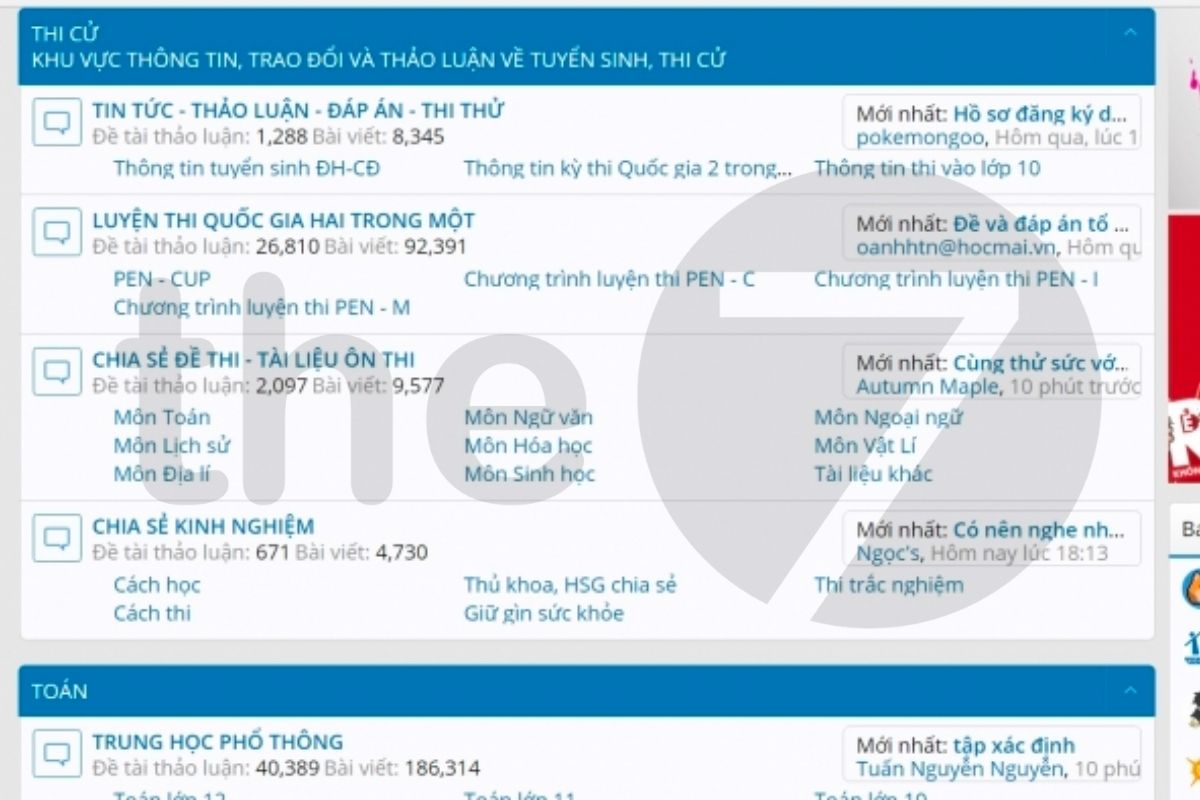
Forums are a popular communication channel that many businesses use to share information and news and to engage with potential customers. Forums are places where businesses can ask and answer customers’ questions related to their field of business.
Businesses active on forums can proactively solve customers’ problems instead of sitting back and waiting. A presence on forums helps businesses build trust and increases their ability to drive potential customers to their website.
However, to get the full benefit of forums, businesses need to make sure their team has enough knowledge and experience to respond to customers’ issues skillfully. Remember that any comment or review, if not carefully thought through, can hurt the business’s reputation and image.
5.6 Blog
A blog is an effective tool for businesses to build relationships with customers and drive sales. A blog lets a business create a strong community of readers, where readers can connect, comment, share and message one another. This helps businesses build relationships with customers and better understand their needs.
A blog is also an excellent channel for publishing high-quality, useful articles. These articles can attract customers’ interest and increase the chances of turning potential customers into real ones.
Another strength of a blog is content control. Businesses are free to create and manage the content on their own blog without depending on any third party. This gives them better control over their content and the customer experience.

5.7 Press
Although it has been around for a long time, the press remains a popular communication channel that delivers strong results at a low promotional cost compared with other channels. Press coverage reaches a very large share of the public, carries high credibility and is an attractive promotional channel for many businesses. However, newspapers today carry a great deal of advertising, which risks readers skipping important parts of an article.
Article content needs to be designed to be engaging and to meet readers’ needs. It must offer value that suits the target audience and be creative. Ads, meanwhile, should be placed sensibly and not overdone, since too many can reduce the value of the article and annoy readers. Ads should go where readers can easily see them without interrupting their reading.

6. Steps to Build a Communication Plan
Step 1: Set Your Business Goals
Project goals are the specific results a business wants to achieve through its communication activities. A goal might be to increase sales, raise brand awareness, grow website traffic, boost social media engagement and so on.
Setting project goals makes it clearer how to plan and roll out your communication activities. Without goals, a business can’t evaluate how well its communication activities perform or adjust its plan accordingly.

Step 2: Define Your Communication Objectives
The communication objectives of social activities and corporate communication projects must be specific, clear and measurable. Businesses can use the SMART framework to make objectives specific, check that they are realistic and achievable, and set a deadline for reaching them.

Step 3: Identify Your Communication Audience
The communication audience is the group of people a business wants to attract, influence or reach through its communication activities. Identifying your target communication audience helps you better understand their needs, interests, habits, consumer behavior and the communication channels they use.

Step 4: Build a Consistent Message
Building a consistent message takes investment and effort from a business. But a consistent message helps you achieve better communication results and build lasting relationships with your target audience.
A consistent message ensures that a business’s communication messages reach the target audience clearly, coherently and effectively. A few things to keep in mind when building a consistent message:
- Keep the message clear and concise: The message should be easy to understand and remember, so the target audience can easily take it in and retain it.
- Keep the message positive and inspiring: The message should leave a positive impression and inspire the target audience, motivating them to act.
- Keep the message true to the brand: The message should reflect the brand’s core values and personality.

Step 5: Develop a Message Delivery Strategy
A communication message is what a business wants to convey to its target audience through its communication activities. Each message needs a specific purpose: to prompt the target audience to take action.
To achieve this, a communication message needs to meet the following criteria:
- The message should be presented clearly, concisely and simply, so it is short, easy to remember and easy to retain.
- The message should relate to the needs and desires of the target audience.
- The message should clearly state the action the business wants the audience to take.

Step 6: Apply the Right Tactics
To deliver your message and story to the target audience effectively, a business needs a storytelling style that is engaging and captivating. Elements you can use to create such a style include curiosity triggers, emotional elements and personalization. A compelling story needs to use creative language, convey emotion and create interaction with the audience.
However, keep in mind that evergreen communication concepts such as horror stories, strange tales, controversial stories and celebrities,… are not always a fit for the goals and the audience a business wants to reach. Businesses need to research their target audience carefully to choose the right storytelling style.

Step 7: Choose Your Communication Channels
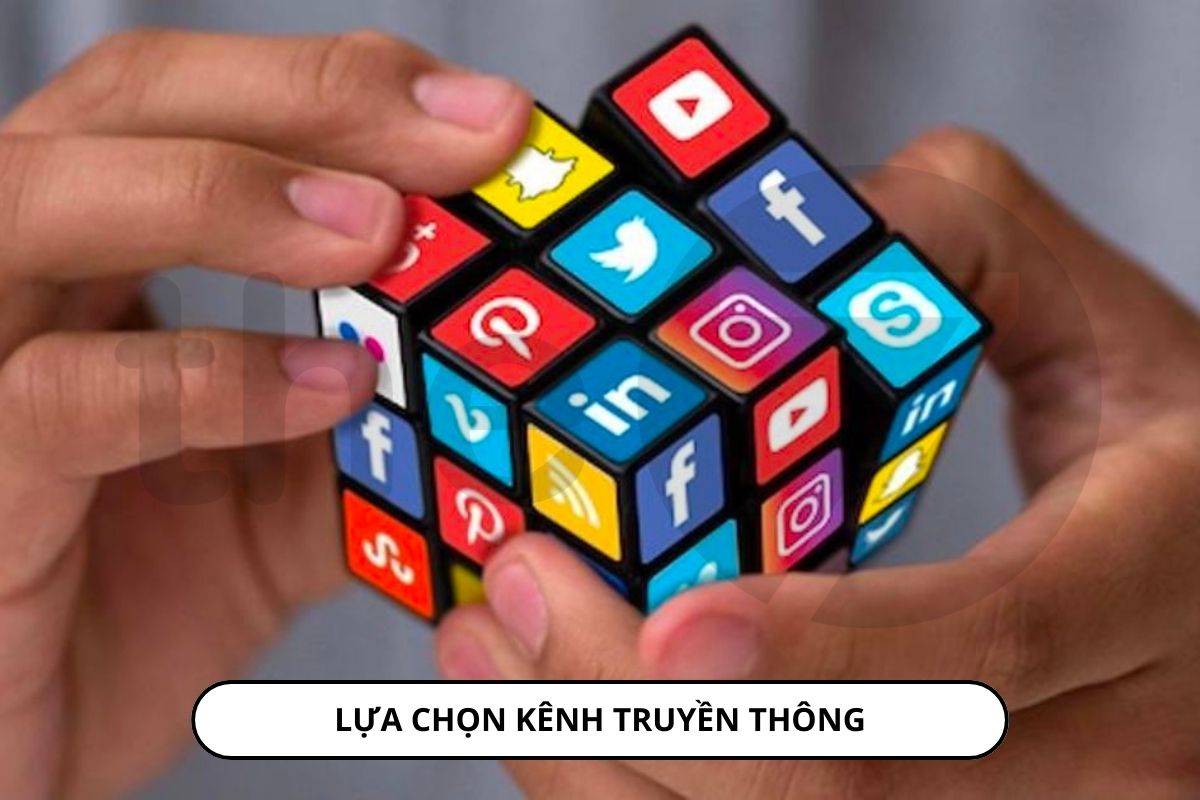
There are many different communication channels today, and each has its own pros and cons. Businesses need to choose channels that fit their goals and target audience. Choosing the right channels and designing suitable communication materials helps a business reach its target audience more effectively and achieve its communication goals in the best way possible.
After choosing your communication channels, you need to design communication materials that suit each channel. For example:
- If you use the press, write articles with engaging, accurate content that fits the target audience.
- If you use social media, create short clips and eye-catching images that express the business’s communication message.
- If you use radio, create programs with creative, engaging content that fits the interests and habits of the target audience.
Step 8: Build the Plan
The next step in communication planning is to design in detail the communication materials that will be used in the campaign and determine the cost of each one. You can use a controversy-based approach to create “communication buzz” that sparks curiosity and grabs the public’s attention, increasing the chances of your message going viral.
However, while running a communication campaign, experience and contingency preparation will help a business respond flexibly to emergencies and incidents.

Step 9: Measure and Report Results
Measurement helps a business evaluate the performance of its communication campaign, so it can identify which methods work and invest its communication budget more effectively in the future.
To measure and evaluate campaign performance, businesses need to define metrics that match their communication goals. Commonly used metrics include:
- Brand awareness: The number of people who know about the business’s brand, products or services.
- Engagement: The number of people who engage with the business’s communication materials, such as likes, shares and comments.
- Purchase intent: How ready the target audience is to buy the business’s products or services.
Businesses can use a range of tools and methods to measure and evaluate the performance of a communication campaign, including:
- Online surveys: Survey the target audience to gather information on brand awareness, engagement and purchase intent.
- Data analysis: Analyze data from communication channels to track the reach, engagement and performance of campaigns.
- Conducting research: Conduct research to evaluate the performance of a communication campaign using scientific methods.

7. The Future of the Communications Industry
Artificial intelligence (AI) is having a profound impact on many fields, including communications. AI is being used in many aspects of communications, from content production to data analysis and advertising. Media organizations therefore need to prepare for the changes AI brings so they can survive and grow in the future.
- Content production
AI can be used to automate many steps in content production, from writing and editing to video and audio production. AI can also be used to generate new creative content, such as text, images and video.
- Data analysis
AI can be used to analyze big data from various sources, such as social media, websites and apps. Data analysis helps media organizations better understand their audiences, which in turn lets them create more relevant content.
- Advertising
AI can be used to target ads to specific audiences. It can analyze data on users’ interests, habits and behavior to identify people likely to be interested in the products or services being advertised.
AI can bring many benefits to the communications industry, including:
- Higher productivity and highly effective reach
- New creative content
- A better understanding of audiences
- More accurate and effective ad targeting
However, AI can also bring some challenges to the communications industry, including:
- Higher unemployment in the communications industry
- Greater social polarization
- The spread of misinformation

8. Frequently Asked Questions About Communication
Question 1: What Are Communication Products? How Many Types Are There?
Communication products are content created and used to deliver messages to a target audience. Choosing and using the right communication products helps a business achieve better communication results and reach its stated communication goals.
Communication products can take many different forms, including:
- Text: Articles, posts, emails, letters,…
- Images: Photos, videos, infographics,…
- Audio: Music, podcasts,…
- Video: TV programs, advertisements,…
- Online: Apps, websites,…
Traditional communication products:
- Press: Paper newspapers, printed newspapers, online newspapers, magazines,…
- Television: TV channels, TV programs
- Radio: Radio programs, radio channels
Modern communication products:
- Social media: Instagram, Facebook, Twitter,…
- Websites: Company websites, news websites,…
- Mobile apps: Entertainment apps, news apps,…
The role of communication products:
- Information: Provide news on social and political issues, events,…
- Education: Provide educational information on knowledge, skills,…
- Entertainment: Provide information and communication products that satisfy people’s entertainment needs.
- Promotion: Promote products/services, ideas for development,…
Question 2: What Is a Media Organization?
A media organization is a business, company or nonprofit whose job is to collect, process and deliver information and news to the public through communication channels. Media organizations play an important role in society because they reflect social reality and help shape and guide public opinion objectively.
Common media organizations include:
- News agencies: Organizations that specialize in supplying news and information to newspapers, television, radio and news websites. Internationally known news agencies include Reuters, Associated Press (AP) and Agence France-Presse (AFP).
- Newspapers and magazines: All newspapers and magazines count as media organizations. Examples include Dân Trí, Vnexpress, The Washington Post, The New York Times and Time Magazine.
- Television and radio: TV channels and radio stations such as CNN, HTV, VTV,…
- Digital media: News websites, blogs, online social networks such as Facebook, Twitter,… and other digital media platforms
- Film and television production companies: Companies such as Paramount Pictures, Warner Bros and NBC Universal mainly produce a wide variety of television and film content for all audiences.
- Social communication organizations: Nonprofits such as Amnesty International and Greenpeace use communication services to raise awareness of social and environmental issues.
Question 3: How Do Traditional Media Differ From Digital Media?
Traditional media are the communication channels that existed before the digital age, including the press, television, radio and cinema.
Digital media are the communication channels that use digital technology to deliver information, including social media, websites, apps and video games.
The differences between traditional media and digital media
| Characteristic | Traditional Media | Digital Media |
|---|---|---|
| Technology | Traditional techniques such as printing, broadcasting and audio recording | Digital technologies such as encoding and data transmission |
| Channels | Newspapers, radio and television | Social media, websites and apps |
| Interactivity | Little interaction with users | A lot of interaction with users |
| Personalization | Low | High |
| Timeliness | Slow delivery of information | Fast delivery of information |
| Breadth | Wider reach | Narrower reach |
| Cost | Higher cost | Lower cost |
Question 4: Which Media Channels Are Trending Right Now?
Types of media such as social media, livestream broadcasting, video games, e-commerce, or virtual reality (VR) and augmented reality (AR) media,… are communication trends that have never cooled off.
Question 6: How Does Mass Communication Differ From Multimedia Communication?
Mass communication and multimedia communication are two concepts that are often confused. However, they differ fundamentally in reach, interactivity and purpose.
| Characteristic | Mass Communication | Multimedia Communication |
|---|---|---|
| Definition | Popular media that deliver information to the general public on a wide scale.
Includes channels such as the press, television, radio, magazines and books. |
A combination of traditional media and new technologies such as the internet and mobile phones, along with social media, websites, podcasts,… |
| Reach | Reaches a large audience, regardless of audience type, age, gender,… | Can reach a large or small audience, depending on the channel and the way it is used. |
| Interactivity | Low interactivity; the public can only passively receive information.
Businesses find it hard to measure effectiveness. |
Highly interactive; the target audience can engage directly with the content and have two-way interaction with the business.
Communication effectiveness is easy to measure. |
| Purpose | Typically used to inform, entertain and advertise. | Can be used for many different purposes, including informing, entertaining, educating and commerce. |
That’s what The7 has to share about the definition of what communication is and the important role it plays for businesses. Through these aspects, communication not only helps businesses promote their brand and products/services, but also expands their reach to potential customers, boosts conversion rates, attracts interest and encourages the use of their products and services. That’s why the most important thing is to build the right communication message, so you get strong results in both your specific communication strategy and your overall marketing strategy.

Nguyễn Đình
Bảo




As CEO of The7, I am committed to sharing practical, useful knowledge with every reader. Every article on The7 is based on my 7 years of hands-on experience in marketing — Facebook advertising, LinkedIn advertising, Google advertising, and marketing strategy. I hope you take away plenty of insight from these posts and apply it successfully in practice.
Related Articles
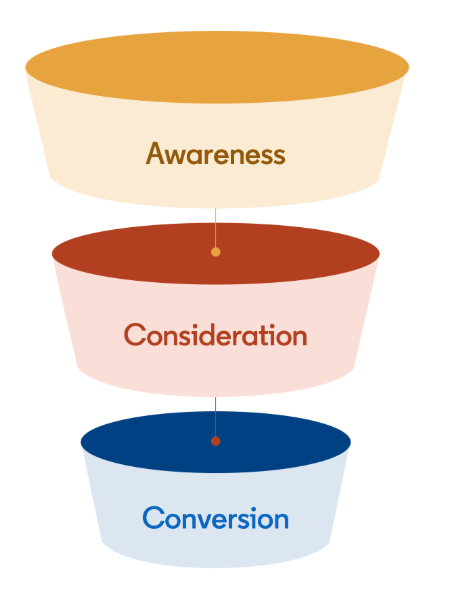
Building a Full-Funnel Content Marketing Strategy on LinkedIn
Table of Contents Toggle Why Build Content Marketing for the Full Marketing Funnel? (Why Full-Funnel Content Marketing?)Creating Your Strategy (Creating Your Strategy)Implementing Your Content Strategy (Rolling out your content strategy)Summary...
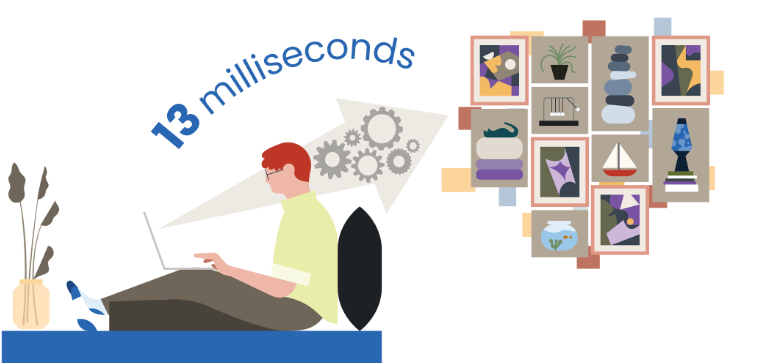
Designing Creative Content for LinkedIn
Table of Contents Toggle Why Is Good Creative Content So Important? (Why is Good Creative Important?)Key Components of Creative Design (the core elements of creative design)Summary (summary) Why Is Good...
Building an Organic Business Presence on LinkedIn With a LinkedIn Page
Table of Contents Toggle Why Have a LinkedIn Page?Establishing Your LinkedIn PageKeeping Your LinkedIn Page ActiveThe Measure of SuccessSummary About LinkedIn Page (Summary) Why Have a LinkedIn Page? For a...
6 Best LinkedIn Marketing Strategies for B2B in 2026
Table of Contents Toggle LinkedIn 2026: Where B2B Decisions Get MadeStrategy #1 – Why Is LinkedIn the Best B2B Marketing Channel Today?1. Decision-makers are concentrated here2. Users are in work...

7 Social Media Trends for 2026: The Era of Real Value, Real Conversion, and Real People
Table of Contents Toggle Social media is entering the biggest restructuring of the decadeTrend 1: Why is buying directly in-app becoming the new standard for 2026? (On-Platform Conversion)What should businesses...

What Is TikTok Marketing? Effective TikTok Marketing Strategies
TikTok has been topping the global rankings of the most downloaded and most visited apps. That makes it a gold mine for marketers who love creativity. In this article, The7...