


What Is Direct Marketing? Popular Types of Direct Marketing in 2024
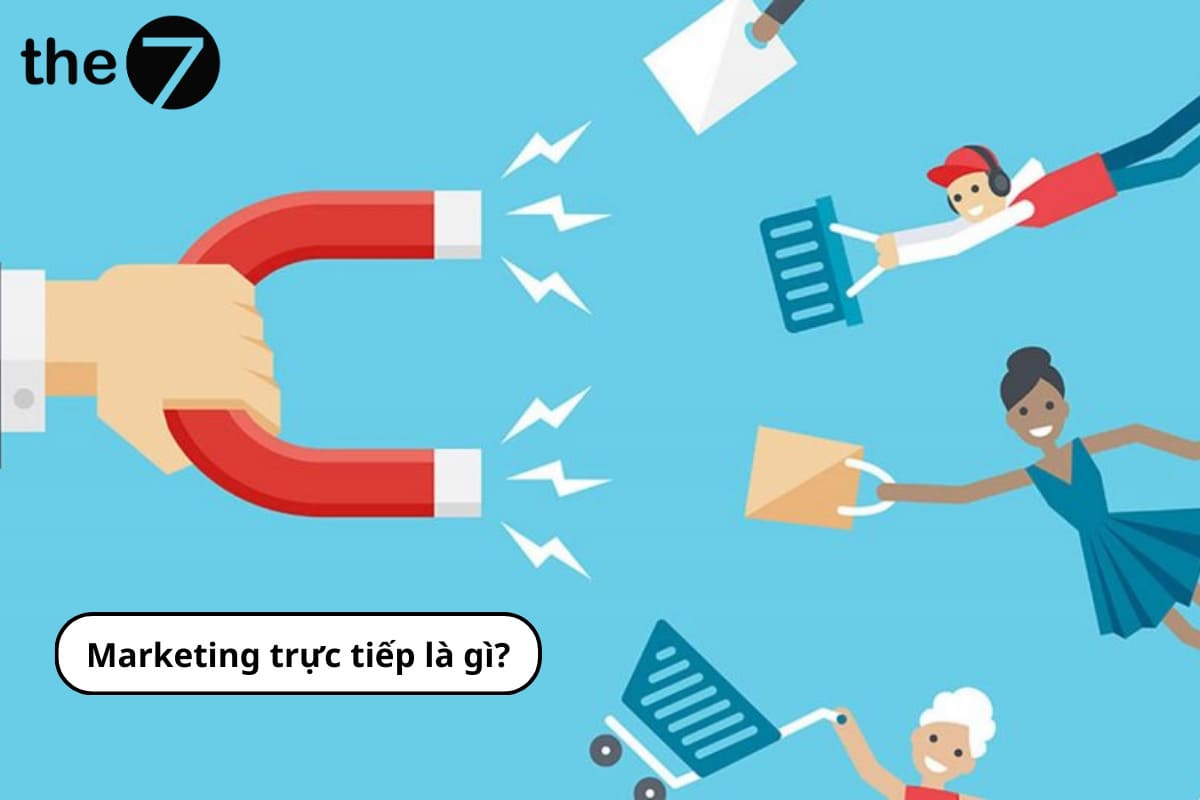
Direct marketing is one of the 6 tools of integrated marketing communications (What is IMC), and many businesses now apply it in their marketing strategy. So what is direct marketing, and what are the main forms of direct marketing? Join The7 as we walk through everything you need to know about this topic in the article below.
1. What Is Direct Marketing?
Direct marketing is a strategy for reaching and engaging directly with target customers in a personalized way, through channels such as phone calls, postal mail, email, or face-to-face meetings.
The goal of direct marketing is to attract customer engagement and measure it quickly at any point in time, so you can put plans in place to increase sales and improve business performance in a timely manner.
Pros and Cons of Direct Marketing
Advantages of Direct Marketing
- It enables direct interaction with customers, helping you build personal relationships and gain a deeper understanding of their needs and wants.
- It makes it easy to measure campaign performance and effectiveness through customers’ direct responses.
- It lets you focus on and deliver precise messages to your target customer group based on factors such as gender, age, interests, and behavior.
- It lets you quickly adjust Direct Marketing strategies to fit customer needs.
Disadvantages of Direct Marketing
- Some direct marketing campaigns require significant resources to reach customers and maintain relationships with them.
- You may face pushback from customers if they feel bothered or harassed too often.
- It cannot reach as many customers as larger-scale communication strategies such as TV advertising and OOH.
2. The Role of Direct Marketing for Customers and Businesses
2.1 For Customers
Customers can easily shop through many different channels, such as phone, email, and website orders, without spending much time.
With direct marketing, customers receive attentive advice and care from support staff, and they come to understand the products or services they are interested in quickly and in a timely way.
Direct marketing often comes with major promotions, so customers have more opportunities to get good deals that fit their needs.
2.2 For Businesses
When you apply Direct Marketing, your business can enjoy the following benefits:
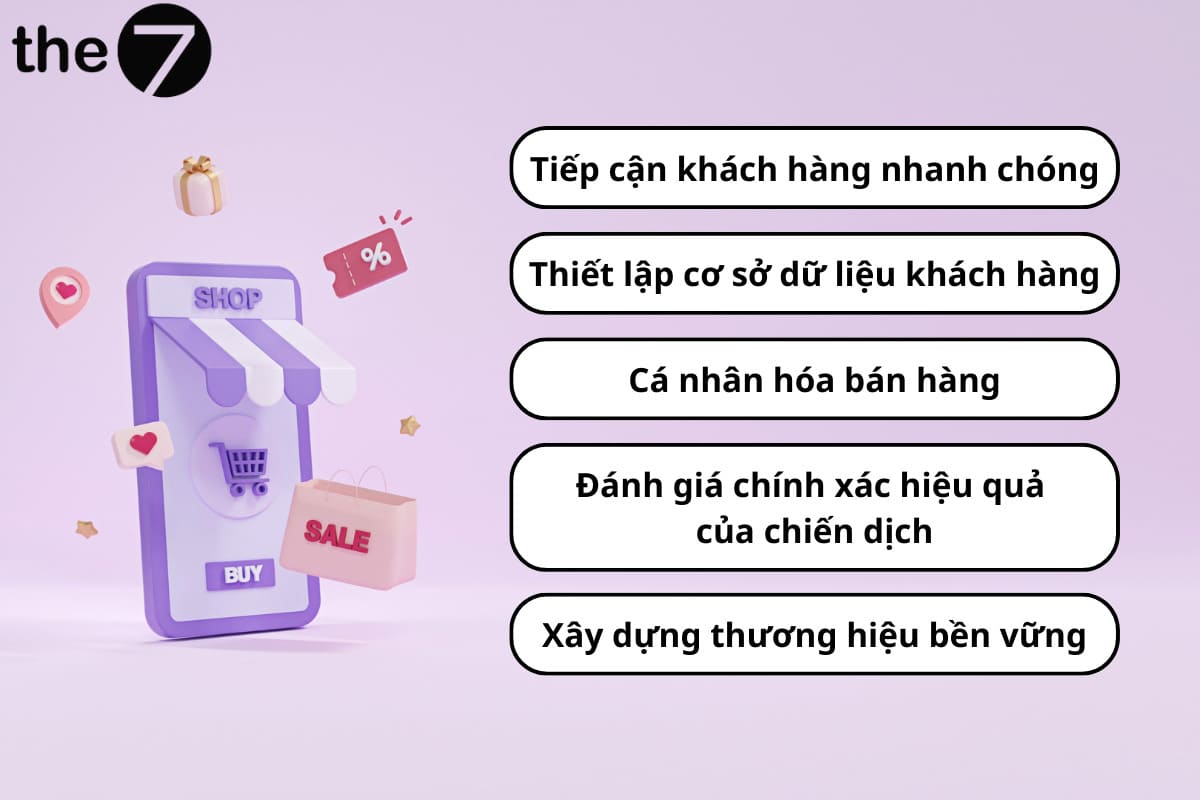
- Fast customer reach
Businesses can interact with and reach customers directly through many different channels instead of going through intermediaries.
The channels for direct interaction between a business and its customers can include phone numbers, email, social media, postal mail, face-to-face meetings, and more.
- Building a customer database
By interacting directly with customers, businesses collect a great deal of useful information to support marketing campaigns, including customers’ personal details, their current and future needs and interests, and their feedback on products or services.
- Personalized selling
With direct marketing, marketers can tailor their messages and customer outreach strategies. Customers feel more cared for and tend to make purchasing decisions faster.
- Accurate campaign evaluation
Direct Marketing lets businesses measure the results of their marketing campaigns precisely. Based on the data collected, marketers can evaluate performance and then adjust and optimize campaigns to match their goals.
- Building a lasting brand
Direct marketing helps create and maintain a close relationship between a business and its customers. It also strengthens brand awareness effectively and attracts more potential customers.
3. Common Forms of Direct Marketing
There are 7 common forms of direct marketing today. Depending on your product, customer audience, or goals, you can choose the form that fits your business best.
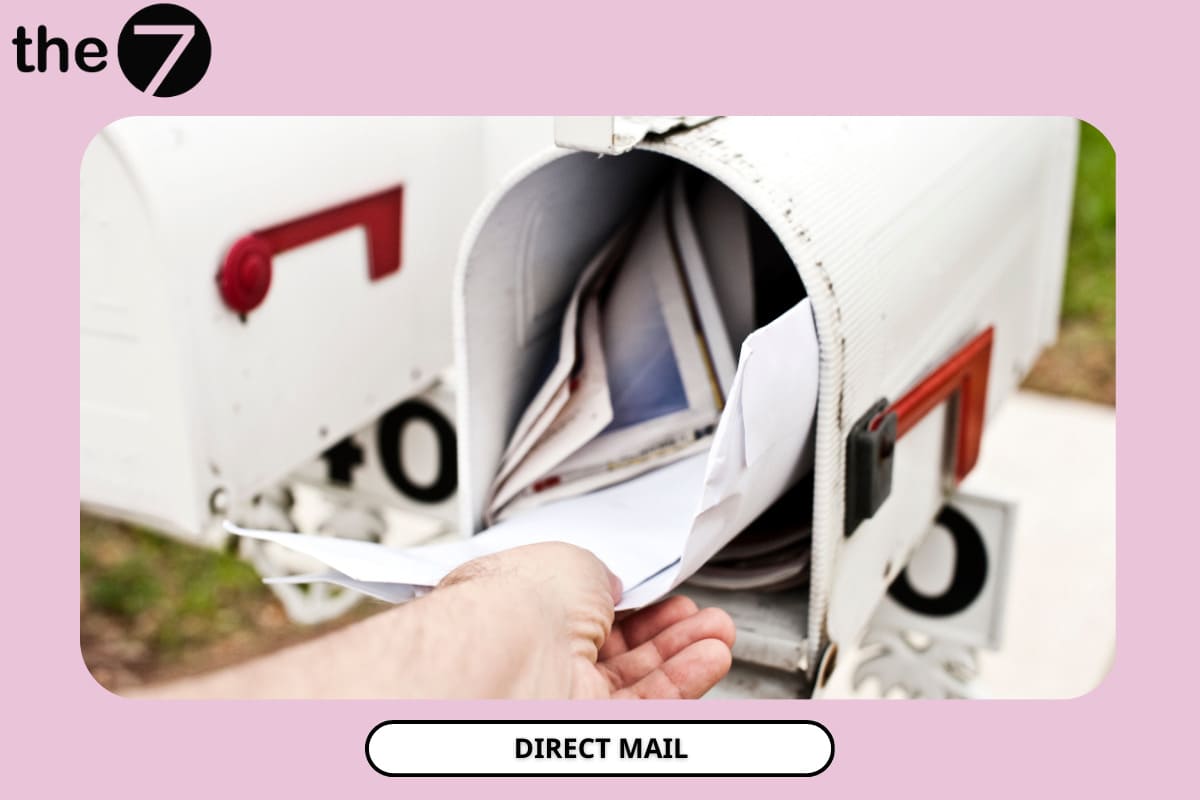
3.1 Direct Mail Marketing
Direct mail advertising usually carries information about products, services, offers, and promotions. Its advantage is that it reaches a large number of customers at a low cost.
Direct mail marketing is also used to thank customers and show appreciation, helping build a positive image in their minds.
3.2 Telephone Marketing
Telemarketing is a popular traditional form of marketing. Its advantage is the flexibility and customization it offers in interactions between businesses and customers.
To be effective, however, marketers need to research customer profiles carefully and plan an appropriate approach.

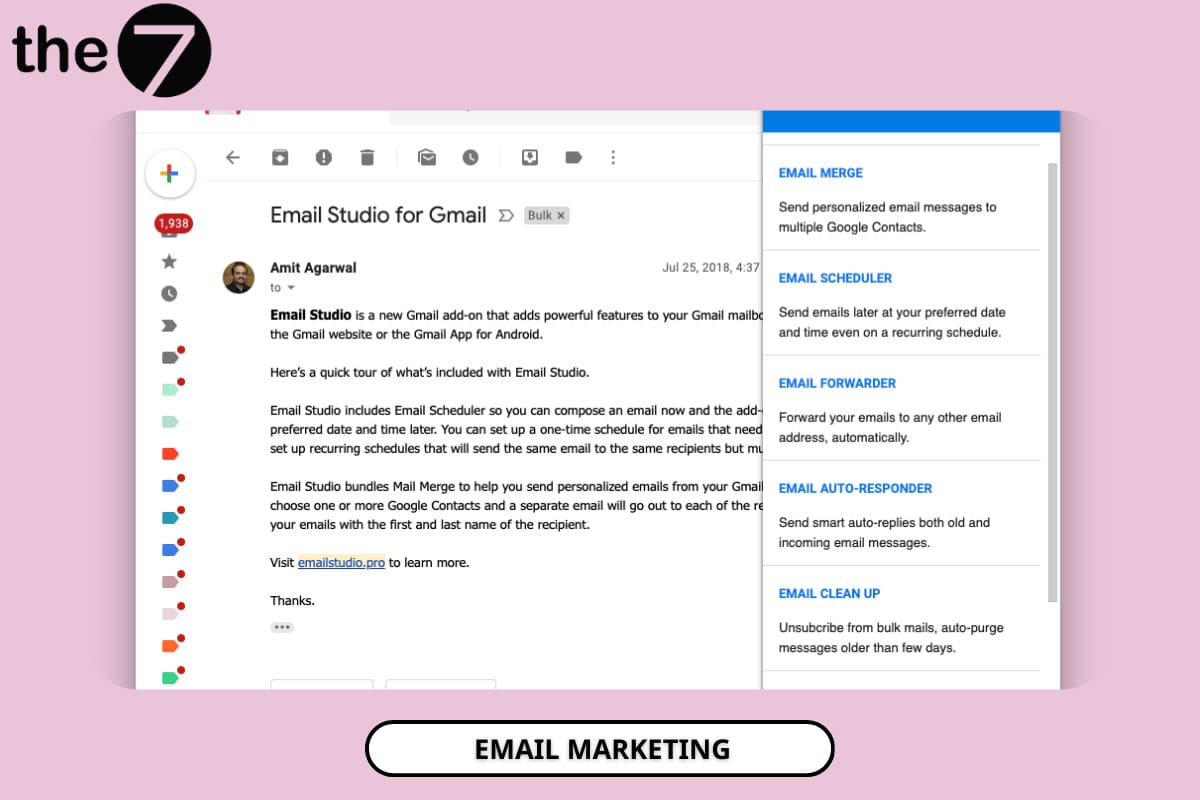
3.3 Email Marketing
Email marketing is one of the most popular and effective direct marketing strategies. It helps businesses introduce products and services, promote their brand, share new updates, and thank customers.
With the ability to reach a large number of readers in a short time at a low cost, email marketing also lets you customize content to reflect the specific characteristics of each audience segment.
To get the best results, email content needs to be professionally designed and deliver real value to capture attention.
3.4 Text Marketing
Text marketing uses SMS messages to engage with customers and provide information such as promotions, discount codes, and appointment reminders.
For text marketing to be effective, businesses need to analyze data to create personalized content that matches customers’ interests and buying behavior.

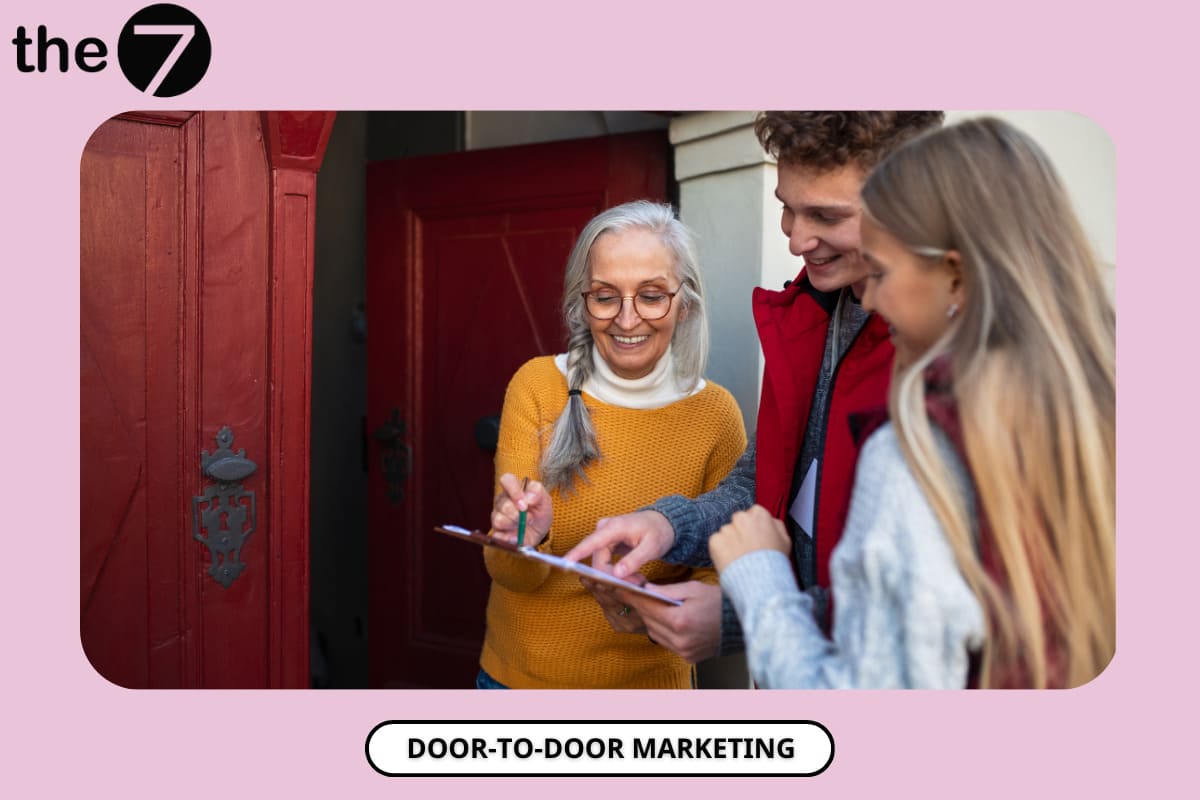
3.5 Door-to-Door Marketing
Door-to-door marketing is highly effective for local businesses that want to promote their products or services. However, the cost can be high because they have to recruit a team of door-to-door marketing staff.
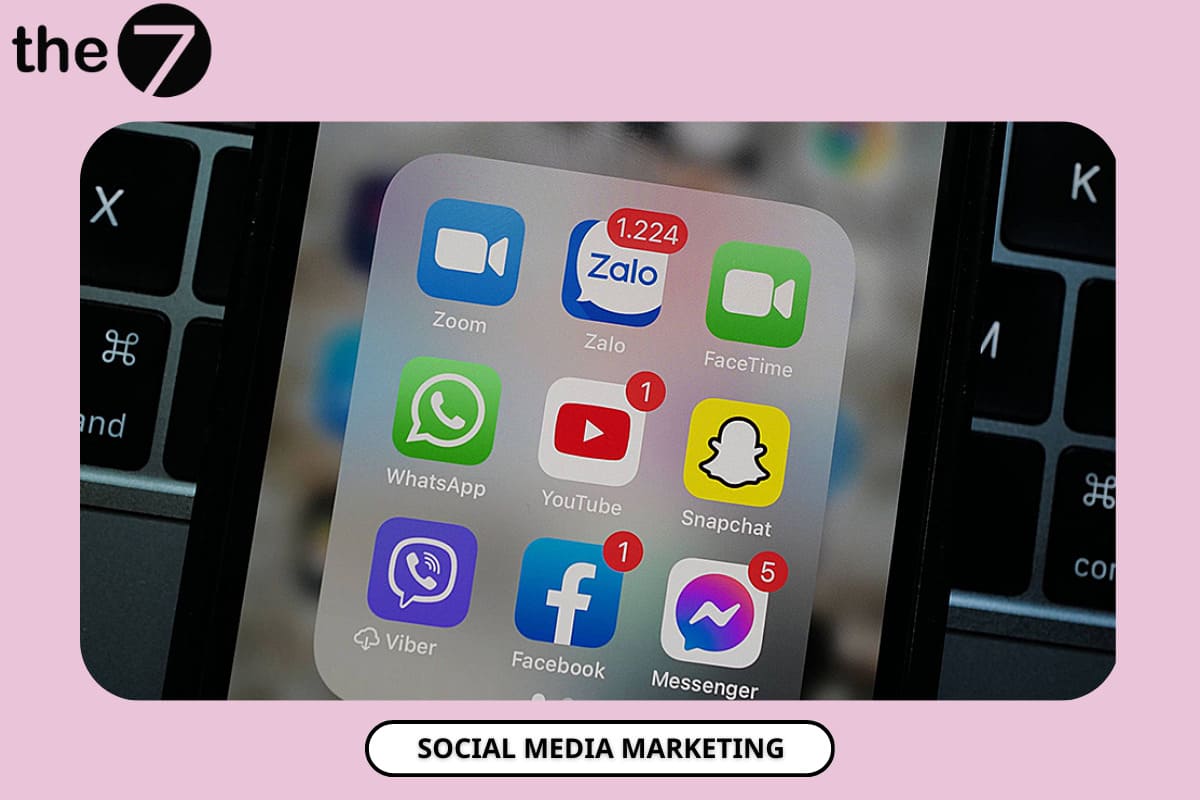
3.6 Social Media Direct Marketing
Social media marketing is becoming increasingly important and popular as consumers shift from traditional shopping to online shopping, especially on social platforms such as Facebook, Instagram, TikTok, and Twitter.
This creates opportunities for direct engagement and encourages more online buying behavior among customers.
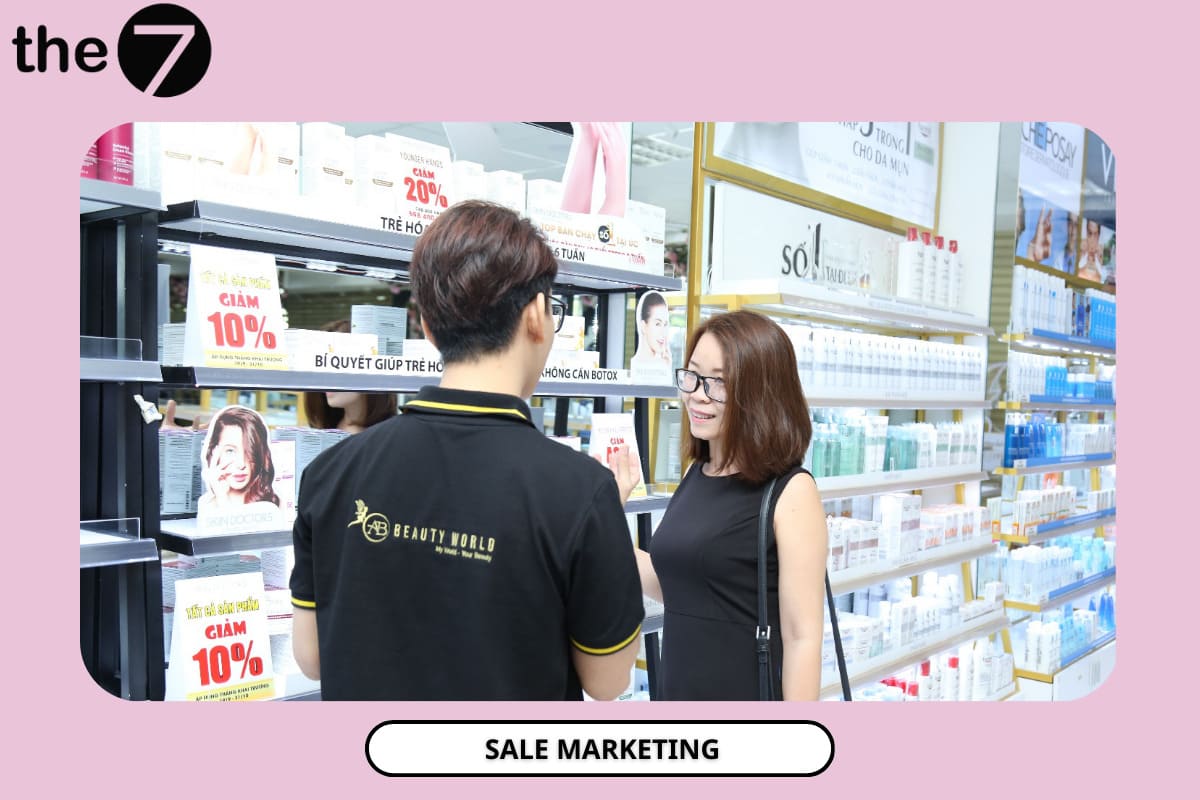
3.7 Direct Selling
Direct selling, or point-of-sale marketing, is a way of reaching customers at the very moment they are deciding to buy. Direct selling gives customers a hands-on experience, along with product samples to try or attractive promotions.
This form is especially effective for certain types of products, such as cosmetics, electronics, and food.
4. Steps to Build an Effective Direct Marketing Strategy
Building an effective Direct Marketing strategy takes more than knowing the definition and the common forms of direct marketing.
More importantly, you need to break the process down into specific steps to create a high-performing Direct Marketing strategy.
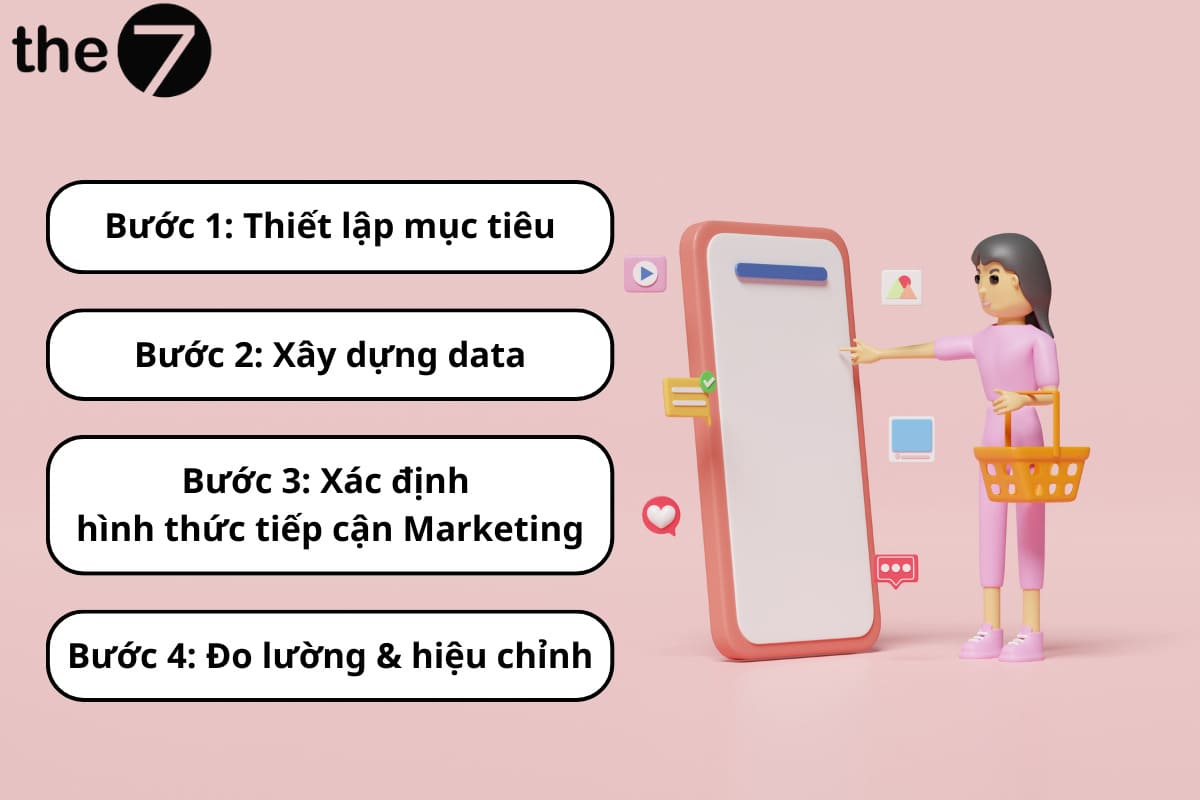
Step 1: Set Your Goals
Before you roll out any marketing strategy, the first priority is to set clear goals. The goal of direct marketing can be to build and maintain customer relationships or to increase sales. Clear goals help your business focus its resources and choose the right approach.
Build and maintain customer relationships: Focus on retaining existing customers, since keeping them costs less than acquiring new ones. Satisfied customers become loyal and are likely to refer new customers.
Increase sales: Focus on delivering compelling marketing content that drives sales. Use product descriptions and sales offers to generate interest and engagement from customers.
Step 2: Build Your Data
The quality of your customer data determines the success of your direct marketing strategy. A complete and accurate data system helps your business understand customers better, from demographic characteristics to buying behavior. This database is the foundation for setting an outreach strategy for each customer group.
Step 3: Choose Your Marketing Approach
There are many forms of direct marketing for reaching customers today, each with its own strengths and limitations. Your business needs to identify the forms of direct marketing that fit your goals and the specifics of your products or services, based on the customer group you defined at the start.
Example of how direct marketing forms apply to customers who use health products such as massage chairs:
- Reaching customers through social media or email marketing: Suitable for younger customers.
- Door-to-door outreach or direct mail: Suitable for older or middle-aged customers.
Step 4: Measure & Adjust
This is a crucial step when running a direct marketing campaign. Metrics such as reach, responses, orders, revenue, costs, and profit need to be tracked closely. Based on the results, adjust your goals or your approach to optimize campaign performance.
These steps not only help you understand Direct Marketing better but also lay the foundation for a strategy that is effective and flexible, adapting to market fluctuations.
5. Key Factors in a Successful Direct Marketing Strategy
The following 5 key factors will help you succeed when carrying out a Direct Marketing plan for your business.
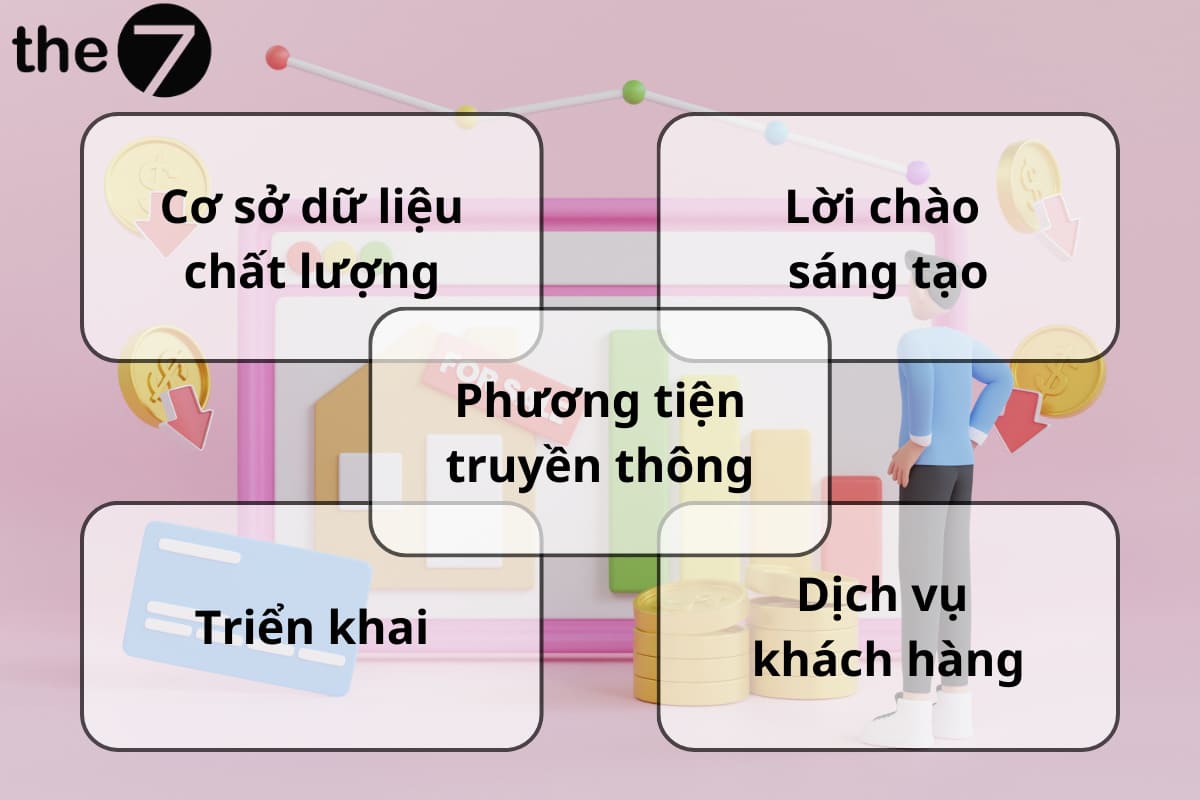
5.1 A Quality Database
A quality database plays a decisive role in shaping the success of your direct marketing strategy. Having an accurate data system brings your business closer to the right audience, so you can develop an effective outreach strategy, optimize costs, and achieve strong results.
5.2 A Creative Greeting
A greeting not only expresses a strong desire to connect with your target customers but also reflects the key characteristics of your product or service. Creativity in the greeting, including design, content, and imagery, is what decides how well it attracts and engages customers.
5.3 Communication Channels
Choosing communication channels that suit your audience’s characteristics, your specific goals, and your product will improve your chances of success in a direct marketing campaign.
5.4 Execution
A plan needs to be executed in an organized way, with tight coordination, time management, and sensible task allocation, so that everything runs smoothly and follows the right sequence and schedule.
5.5 Customer Service
High-quality customer service is the key to retaining customers and keeping them satisfied. With fast responses, effective support, and flexible delivery, your business can create a positive customer experience, build trust, and strengthen customer relationships, which is an extremely important factor in direct marketing.
6. Direct Marketing Examples
Direct marketing campaigns all aim to generate a positive response from the target audience by using content delivered directly, both offline and online. Here are two standout examples of direct marketing that The7 would like to share:
6.1 Toyota
Toyota ran a direct marketing campaign to promote its car models, especially those with the high-standard Optimal Drive powertrain, and to encourage potential buyers to take these models for a test drive.
- Target audience: People aged 45-64 who tend to change cars every three or four years and are planning to buy a new one.
- Campaign goal: To introduce the environmental benefits of the Optimal Drive powertrain.
6.2 Touch Branding
Touch Branding is a Prague-based branding and marketing company with more than 15 years of global experience in delivering unique direct marketing campaigns.
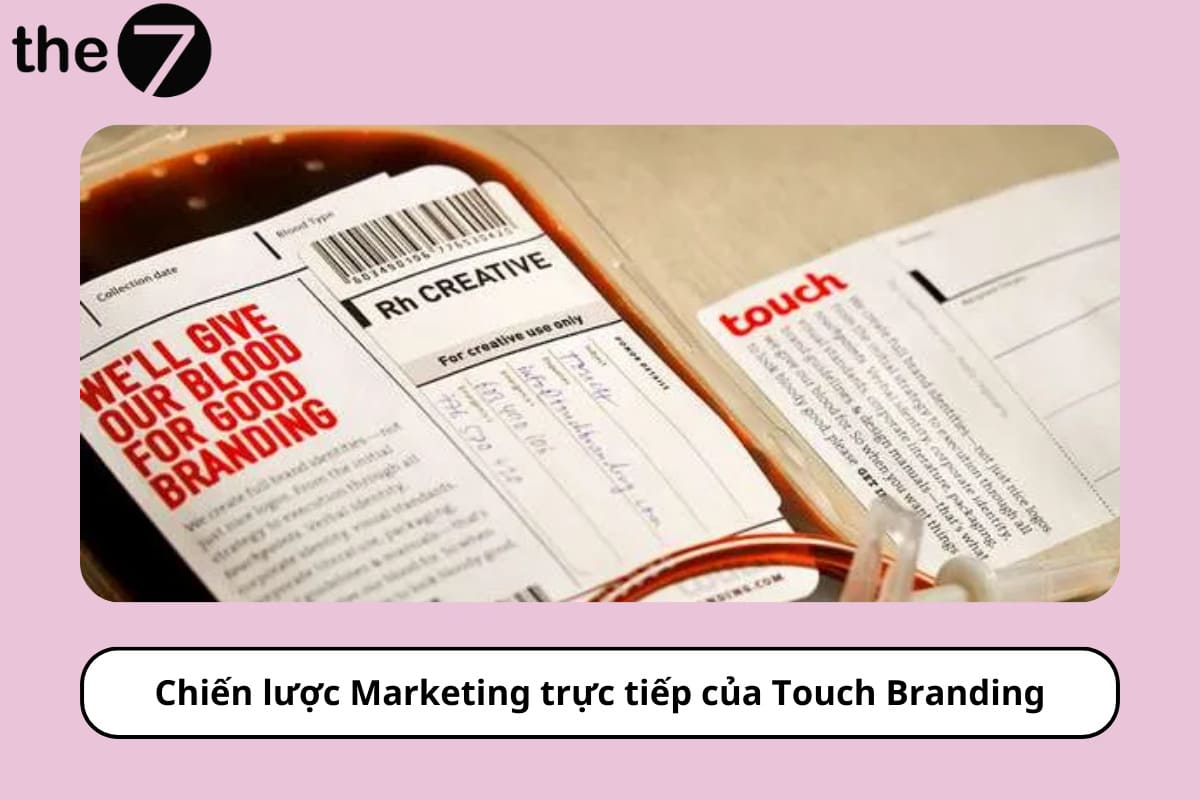
- Standout tagline: “We’ll give our blood for good branding” (We give our all to build great brands)
- Image illustrating the message:
- Format: Email marketing and website banners.
- Campaign goal: To make a strong impression through creative messaging and imagery, emphasizing their commitment to building quality brands.
That’s all from The7 on direct marketing. We hope this article has given you plenty of useful information about this distinctive marketing approach, as well as how to build an effective direct marketing strategy.
>>> See more:
- What is marketing? 13 popular forms of marketing today

Nguyễn Đình
Bảo




As CEO of The7, I am committed to sharing practical, useful knowledge with every reader. Every article on The7 is based on my 7 years of hands-on experience in marketing — Facebook advertising, LinkedIn advertising, Google advertising, and marketing strategy. I hope you take away plenty of insight from these posts and apply it successfully in practice.
Related Articles
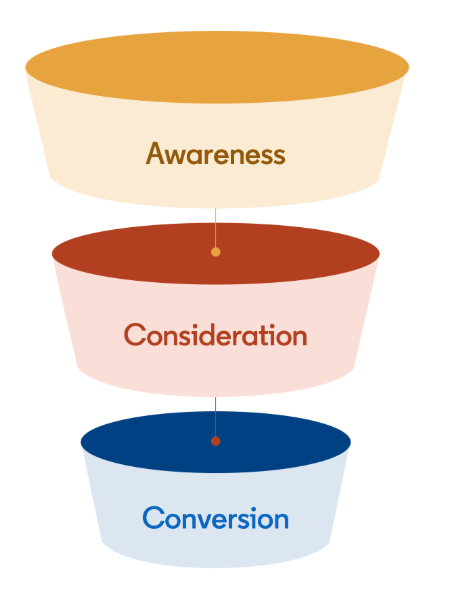
Building a Full-Funnel Content Marketing Strategy on LinkedIn
Table of Contents Toggle Why Build Content Marketing for the Full Marketing Funnel? (Why Full-Funnel Content Marketing?)Creating Your Strategy (Creating Your Strategy)Implementing Your Content Strategy (Rolling out your content strategy)Summary...
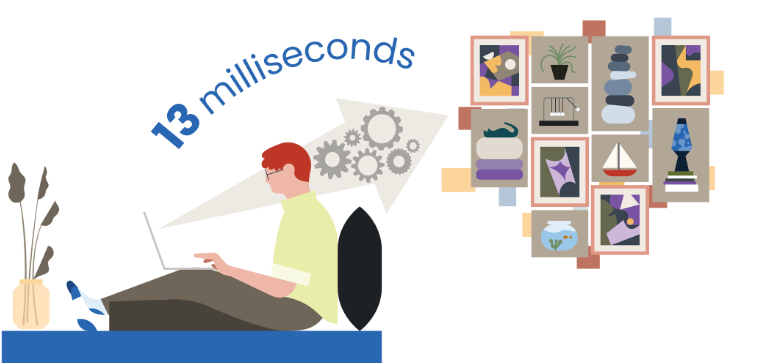
Designing Creative Content for LinkedIn
Table of Contents Toggle Why Is Good Creative Content So Important? (Why is Good Creative Important?)Key Components of Creative Design (the core elements of creative design)Summary (summary) Why Is Good...
Building an Organic Business Presence on LinkedIn With a LinkedIn Page
Table of Contents Toggle Why Have a LinkedIn Page?Establishing Your LinkedIn PageKeeping Your LinkedIn Page ActiveThe Measure of SuccessSummary About LinkedIn Page (Summary) Why Have a LinkedIn Page? For a...
6 Best LinkedIn Marketing Strategies for B2B in 2026
Table of Contents Toggle LinkedIn 2026: Where B2B Decisions Get MadeStrategy #1 – Why Is LinkedIn the Best B2B Marketing Channel Today?1. Decision-makers are concentrated here2. Users are in work...

7 Social Media Trends for 2026: The Era of Real Value, Real Conversion, and Real People
Table of Contents Toggle Social media is entering the biggest restructuring of the decadeTrend 1: Why is buying directly in-app becoming the new standard for 2026? (On-Platform Conversion)What should businesses...
What Is TikTok Marketing? Effective TikTok Marketing Strategies
TikTok has been topping the global rankings of the most downloaded and most visited apps. That makes it a gold mine for marketers who love creativity. In this article, The7...