


What Is Brand Equity? How to Build It Effectively
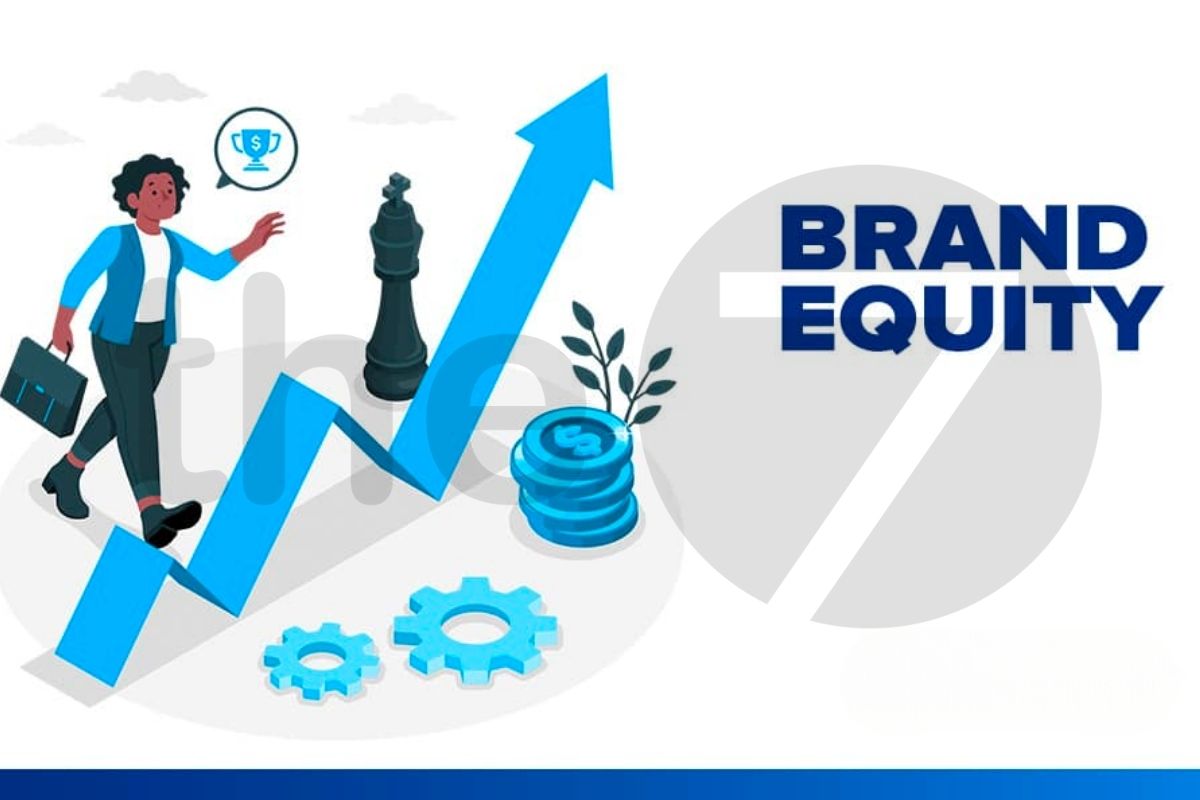
The value of a brand is an intangible factor, yet it has a powerful influence on customers’ psychology, their buying decisions, and their loyalty to the brand. This factor is known as Brand Equity. This article from The7 will help you better understand Brand Equity, explore the key elements that create it, and see the benefits that brand equity brings to your business.
1. What Is Brand Equity?
Brand Equity – brand assets – is the added value a brand gives to a business’s products or services compared with other similar products or services, measured by customers’ awareness, experiences, and feelings toward that brand.
When customers are willing to pay a higher price for a brand’s product than for a similar product on the market, that is proof of the strength of Brand Equity. It is an intangible asset, yet it can make a clear difference for a product, drive customer loyalty, and help a business withstand the marketing strategies of its competitors.
>>>> See more services: Marketing Consulting
2. Key Elements That Make Up a Business’s Brand Equity
Building Brand Equity requires a long-term strategic process, with a deep understanding of the key elements and a commitment to nurturing them. These elements are:
2.1 Brand Awareness
Brand awareness measures how well consumers know and remember a brand among the many other options available. Brand Awareness ensures that your brand stays top of mind for consumers. It is the first step in building Brand Equity. When brand positioning reaches a high level of awareness, it shows that the brand has succeeded in imprinting its image in consumers’ minds.
This recognition is usually the result of consistent brand building, impressive marketing campaigns, and the brand showing up again and again.
For example, when people think about booking a ride-hailing vehicle to get around, brands like Grab or Be tend to come to mind first, thanks to their strong brand awareness. Reaching this level of awareness means the brand has claimed a large share of consumers’ minds, which raises the likelihood that they will choose it over lesser-known competitors.

2.2 Brand Associations
Brand associations are the connections and attributes that consumers link to a brand. They include not only specific product features but also personal feelings and perceived experiences.
For example, when Nike comes up, consumers tend to link the brand with many different things, such as the “swoosh” symbol, the famous slogan “Just do it,” and the motivation and encouragement that come with working out and playing sports.
The more positive and strong the associations, the more valuable the brand. Brands need to keep monitoring and managing these associations to make sure they accurately reflect the brand image they want. Negative associations can reduce the value of Brand Equity, so they must be managed proactively and addressed in time.
2.3 Perceived Quality
Perceived quality is a consumer’s judgment of how excellent or superior a product is, based on their own perception. It depends not only on the product’s actual quality but also on consumers’ perceptions. Sometimes two products are truly similar in quality, but one of the two brands is rated higher on perceived quality, which increases that brand’s Brand Equity.
Factors that influence perceived quality include previous experience with the brand, word of mouth, and the brand’s reputation. Brands that consistently keep their promises and exceed customer expectations are usually rated as higher quality. This perception builds trust and customer loyalty, and it encourages customers to willingly pay a higher price for the product.
Example: When customers visit a Nissan showroom, they first admire the exterior of the car models, then experience the interior firsthand and get a feel for how the car drives. In this way, Nissan creates an excellent impression of perceived quality, giving customers the chance to experience the product comprehensively through all 5 senses.

2.4 Brand Loyalty
The ultimate goal most businesses aim for is Brand Loyalty. It shows up as consumers’ continued commitment and support, even when they face competition in the market or other changes. Loyal customers don’t just keep choosing the brand; they also become informal ambassadors, recommending it to their friends and family.
This loyalty grows out of positive experiences, trust, and a steady emotional connection with the brand. Brands with a large base of loyal customers can usually save on marketing costs, because retaining existing customers typically costs less than winning new ones. In addition, loyal customers tend to care less about price, which gives the brand a stable stream of revenue.
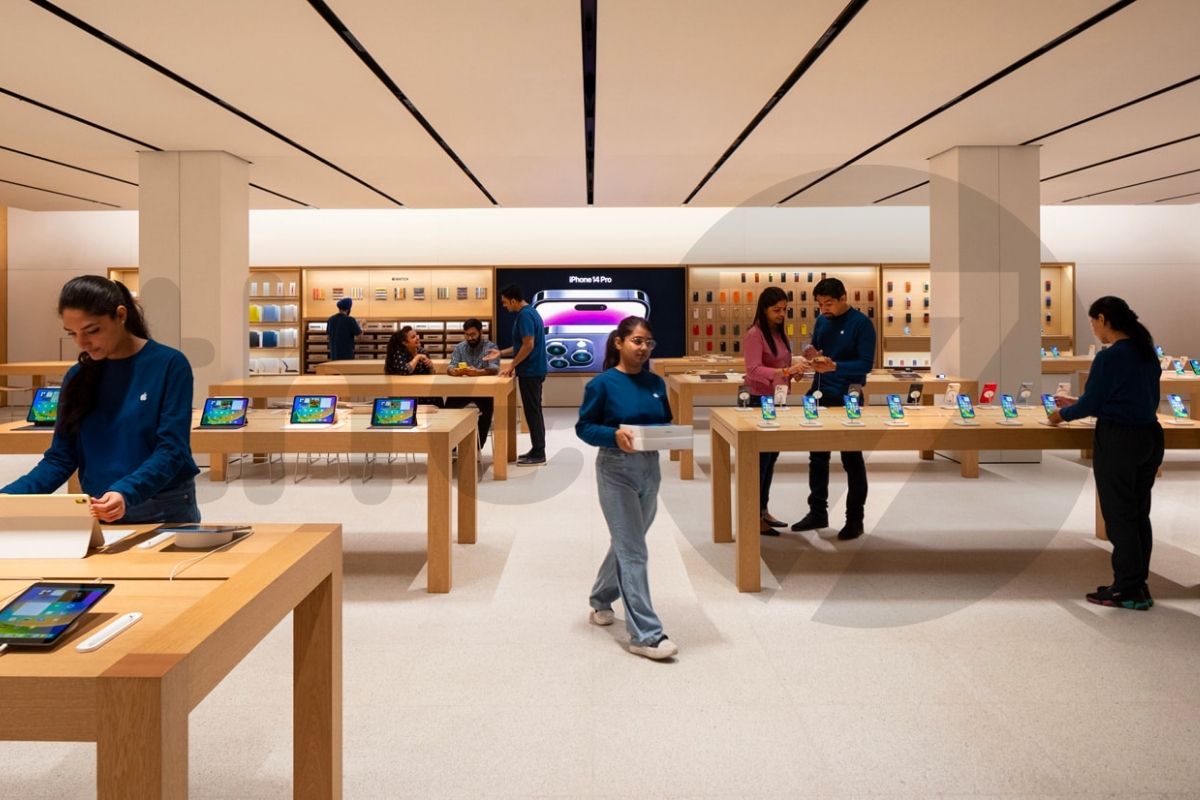
A classic example of success in building Brand Loyalty is Apple. Even though the brand doesn’t often offer promotions or discounts to customers, iOS fans remain loyal and keep buying new Apple products year after year.
3. Why Brand Equity Matters in Marketing
Although a brand is an intangible asset, it plays an extremely important role and brings great value to a business. Here are some specific points that explain why a brand is considered a valuable business asset:

3.1 Creates a Competitive Advantage in the Market
Brand equity plays a core role in a business’s success. It clearly sets a brand apart from its competitors and so creates an advantage in the market. To create positive value for a brand, a business needs to run effective advertising, marketing, and social media strategies.
A classic example of positive value:
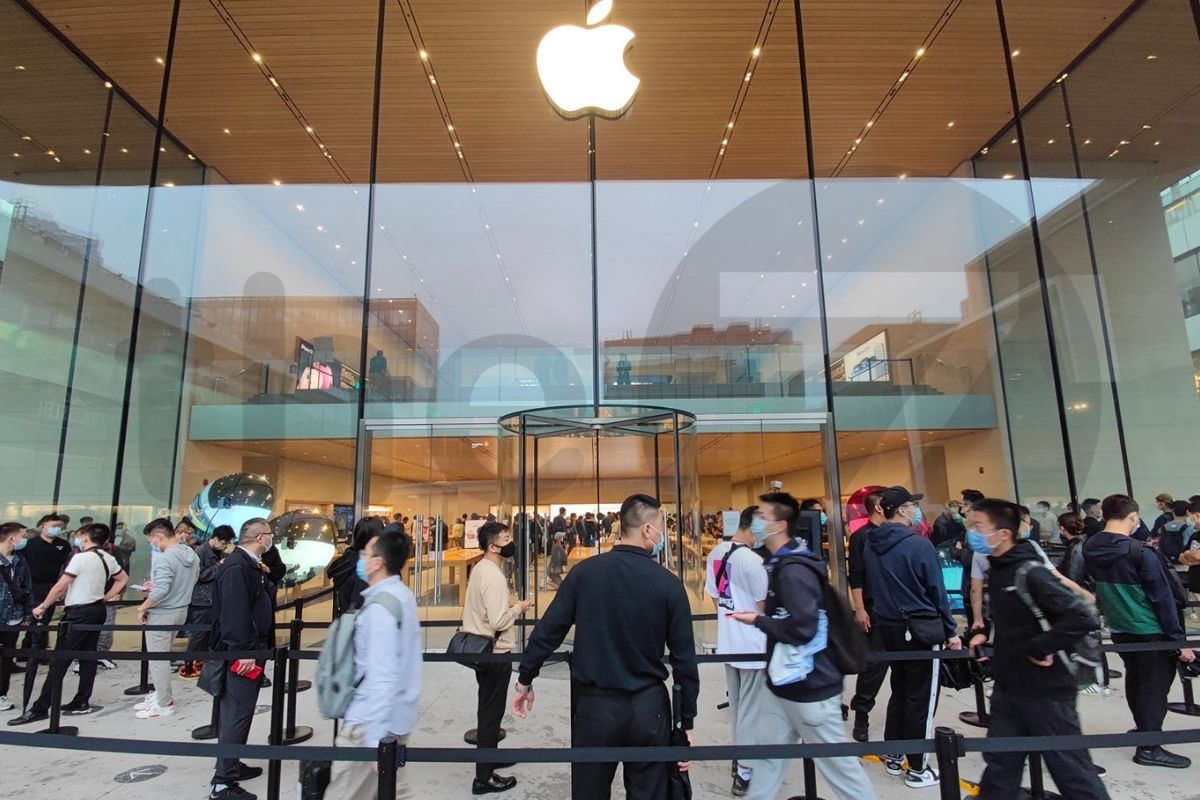
Apple is a “giant” of the technology industry, and tech lovers eagerly hunt down its products every time a new one launches. This is because Apple has built stronger brand awareness and brand experience than its competitors in the market, making Apple’s brand value positive on a global scale.
3.2 Creates More Long-Term Growth Opportunities
Brand Equity is not a tangible asset that can be bought, sold, or exchanged for goods or cash. In practice, Brand Equity can be seen as a major investment that gives a business opportunities for long-term development and growth in the future. Building strong, lasting brand equity can take months or even years, but it is an important step toward sustainable long-term growth.
3.3 Builds a Loyal Audience
Consumers tend to choose well-known brands with a good reputation in the market, because they believe that a brand many people know is usually more trustworthy than a less popular one.
Strong Brand Equity helps a business improve the effectiveness of its marketing campaigns without spending too much. In addition, Brand Equity helps maintain customer relationships and builds a base of loyal customers for the business.
4. Strategies for Building Effective, Sustainable Brand Equity
4.1 Focus on Product and Service Quality
Product and service quality is central to building high-quality Brand Equity. No marketing strategy means anything without a guarantee of quality. If a product or service doesn’t deliver what the brand promised, customers will lose trust and abandon the brand.
Instead of constantly launching new products on the market, a business should focus on developing and improving its core products. This creates a unique competitive advantage for the brand over other competitors in the market.
4.2 Understand the Role of Your Brand
Building and managing brand equity effectively depends not only on understanding the brand’s role in the market but also on recognizing the brand’s responsibility to the community. This involves more than products and services; it also includes the brand’s commitment to delivering social value.
A classic example is Nike’s Nike Re-Creation campaign, which aims for a future with zero carbon and zero waste. Nike recycles discarded products into athletic wear, offering unique, distinctive products that carry a message of sustainability: creating new life from used resources.

4.3 Keep Your Brand Consistent
Brand consistency lets customers clearly see that a business has strong, distinctive brand equity that is easy to recognize compared with its competitors. This consistency must be maintained in every aspect, from design and messaging to the way the business interacts with customers. That is why brand consistency is essential to every marketing effort aimed at building sustainable Brand Equity.
4.4 Build Lasting Relationships with Customers
A key strategy for building and managing sustainable brand equity is developing deep relationships with customers. It takes time and effort, but once customers form a strong psychological bond with a brand, they move from simply liking it to being loyal to it. This attachment drives them to buy again and again whenever they have a need.
A classic example from the Covid-19 pandemic is the action taken by LVMH, the French luxury goods group. It converted its perfume factories to produce hand sanitizer, and, notably, packaged the product in premium bottles bearing the logos of Dior, Givenchy, and others. This campaign not only conveyed a strong humanitarian message during the pandemic but also reinforced a strong brand image in customers’ minds.

5. Common Ways to Measure Brand Equity
One of the biggest challenges in brand management is measuring Brand Equity. Because there is no single standard measurement tool, businesses need to apply a variety of methods. This step is indispensable for assessing a brand’s appeal and competitiveness in the market. There are 2 main ways to measure it:
5.1 Quantitative Measurement
Measuring Brand Equity with quantitative methods involves analyzing the following financial indicators:
- Profit margin: An indicator of a business’s ability to generate profit.
- Price sensitivity: An assessment of how market demand changes when product prices change.
- Profit: Reflects a business’s financial success.
- Growth rate: The speed at which a business grows over a given period of time.
- Market share: The percentage of the market that the brand holds.
- Purchase frequency: How often customers buy the brand’s products.
- Revenue potential: A forecast of the brand’s future profitability.

5.2 Qualitative Measurement
Although the value of brand equity can’t be measured directly, qualitative measurements give you a view into what customers think and feel about the brand. These measurements focus on intangible factors such as customers’ awareness, perception, affection, and satisfaction with the brand. Some qualitative methods include:
- Monitoring and analyzing user reactions on social media platforms to assess the brand’s appeal and how “viral” it is.
- Conducting surveys to gather information on customers’ awareness of, affection for, and satisfaction with the brand.
- Using focus groups to assess consumers’ perceptions of brands in the same industry, identify favorite brands, and evaluate the brand’s position in the market.

6. Case Studies of Businesses With Strong Brand Equity
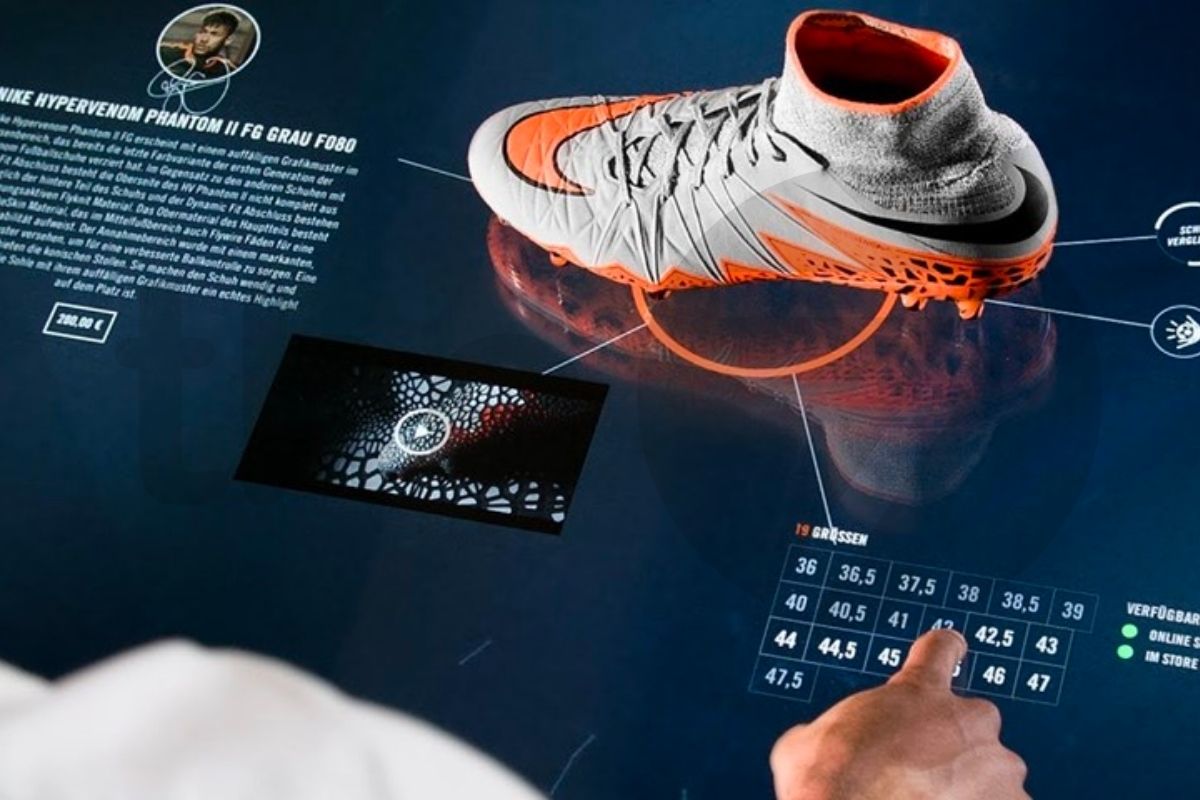
6.1 Nike
Nike became one of the world’s leading sports brands by successfully building the “pillars” of Brand Equity: brand awareness, brand associations, perceived quality, and customer loyalty. Among them, brand loyalty is the most important factor, with a major influence on consumer behavior.
Nike focuses on building customer loyalty through the slogan “Just do it,” introduced in 1988, which gives users strong inspiration and motivation. The slogan helps people form a personal connection with the brand. The iconic “swoosh” logo also helps reinforce Nike’s Brand Equity.
More recently, Nike has expanded its strategy into the digital space, investing in building its digital brand on social media platforms rather than relying only on print and television. As a result, more and more consumers are turning to Nike’s website and app to shop for sneakers and workout apparel, strengthening the brand’s presence and engagement in the digital world.
6.2 Netflix
Starting in 1993 as a DVD-by-mail rental company, Netflix made a bold pivot in 2007 by launching a streaming service that let customers watch more than 1,000 TV shows and movies online. It kept innovating by partnering with technology providers to deliver content to TVs and phones.
Netflix’s core strategy is to focus on product quality and deliver the best experience to every customer. In addition, it puts emphasis on building its digital brand on online platforms:
- Advertising campaigns on YouTube, Facebook, and more: A standout example is the 2021 series Squid Game, which achieved huge success thanks to an advertising campaign and viral buzz on digital platforms through posts, images, and videos.
- Constantly connecting with users on social media: On Instagram, Netflix has created a stream of trending filters for Reels and Stories based on popular original series, drawing enthusiastic participation from its fan community.
- Brand consistency: The red N logo in the signature intro that opens every video.
These factors have helped Netflix become not only a business success but also an essential part of modern entertainment culture.
6.3 Starbucks
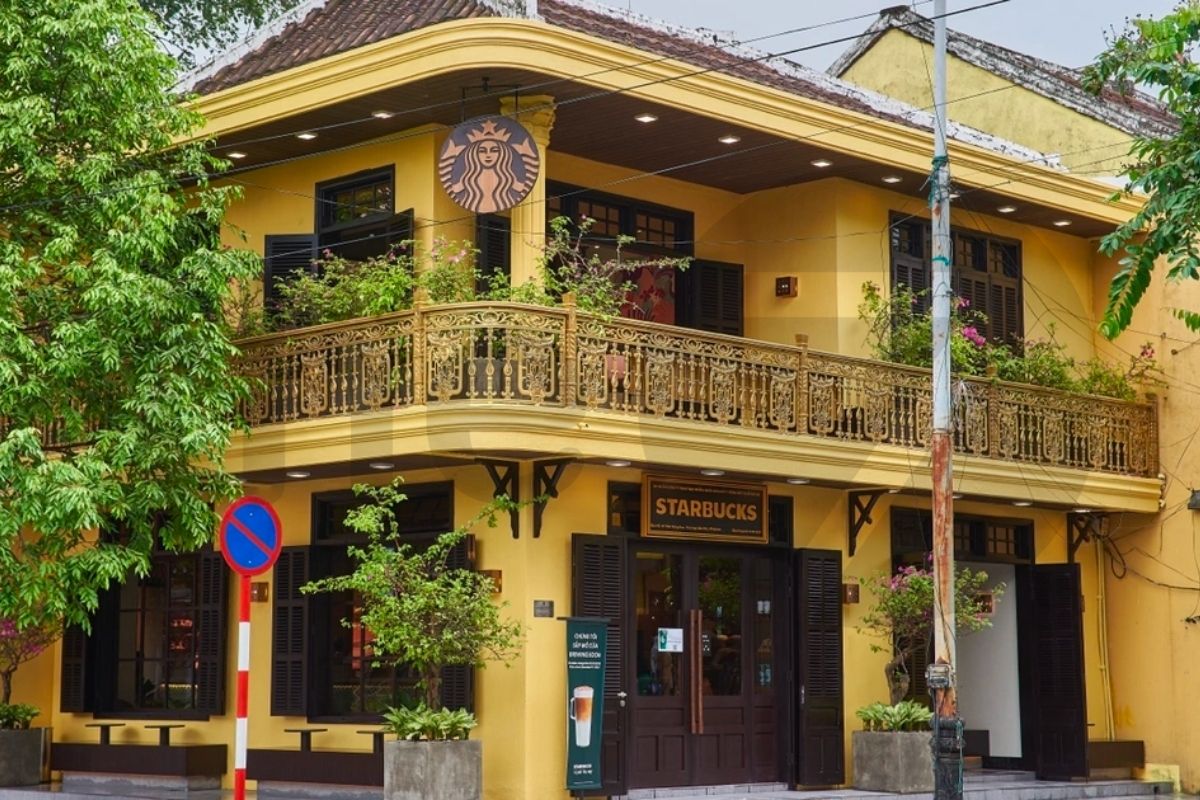
Starbucks is an outstanding example of successful brand equity management. Founded in 1971 in Seattle, United States, Starbucks changed the way people enjoy coffee, turning its stores into ideal spaces for relaxing and savoring a cup of coffee in comfort.
Since its earliest days, Starbucks has worked to build solid Brand Equity by investing heavily in standardizing and keeping consistent its brand identity and every aspect of its marketing and business operations. Even its recent logo change, which removed the words “Starbucks Coffee” to mark an expansion of its product range, was welcomed positively by customers, without causing any confusion or backlash.
This consistency and focus on customer experience have helped Starbucks become more than a coffee brand; it is now part of global coffee-drinking culture.
6.4 Coca Cola
Looking back at the 1980s, Pepsi focused on advertising while Coca Cola was still working to improve the taste of its product. Coca Cola soon recognized the problem and changed its approach to building its brand strategy and Brand Equity.
It shifted from improving a product that was already excellent by nature to promoting the spirit and values the product brings. While Pepsi made its mark with ads featuring football stars, Coca Cola focused on moments of family and friends coming together, with an ice-cold bottle of Coca Cola at the center of the image.
Coca Cola didn’t just inspire people to enjoy its drink with meals; it also cleverly tied the brand to the image of family gatherings, a value everyone aspires to. Together with its original flavor, already famous worldwide, these images became a Brand Equity symbol for Coca Cola.

Building sustainable Brand Equity demands constant effort from a business. When a business has built solid brand equity, it has completed half the journey in its overall brand management strategy. The rest of the success depends on consistent, ongoing management within future marketing strategies. If you still have questions, you can contact The7 for answers.
>>> See more related articles:
- 4 Popular Brand Architecture Models Today
- What Is Rebranding? 7 Strategies to Elevate Your Brand
- 16 Ways to Name Your Brand

Nguyễn Đình
Bảo




As CEO of The7, I am committed to sharing practical, useful knowledge with every reader. Every article on The7 is based on my 7 years of hands-on experience in marketing — Facebook advertising, LinkedIn advertising, Google advertising, and marketing strategy. I hope you take away plenty of insight from these posts and apply it successfully in practice.
Related Articles
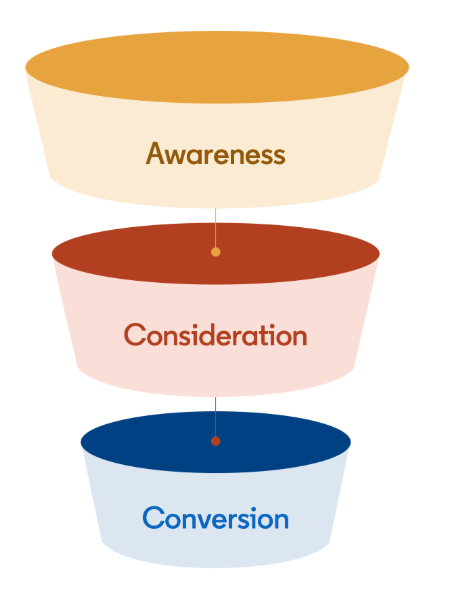
Building a Full-Funnel Content Marketing Strategy on LinkedIn
Table of Contents Toggle Why Build Content Marketing for the Full Marketing Funnel? (Why Full-Funnel Content Marketing?)Creating Your Strategy (Creating Your Strategy)Implementing Your Content Strategy (Rolling out your content strategy)Summary...
Designing Creative Content for LinkedIn
Table of Contents Toggle Why Is Good Creative Content So Important? (Why is Good Creative Important?)Key Components of Creative Design (the core elements of creative design)Summary (summary) Why Is Good...
Building an Organic Business Presence on LinkedIn With a LinkedIn Page
Table of Contents Toggle Why Have a LinkedIn Page?Establishing Your LinkedIn PageKeeping Your LinkedIn Page ActiveThe Measure of SuccessSummary About LinkedIn Page (Summary) Why Have a LinkedIn Page? For a...
6 Best LinkedIn Marketing Strategies for B2B in 2026
Table of Contents Toggle LinkedIn 2026: Where B2B Decisions Get MadeStrategy #1 – Why Is LinkedIn the Best B2B Marketing Channel Today?1. Decision-makers are concentrated here2. Users are in work...

7 Social Media Trends for 2026: The Era of Real Value, Real Conversion, and Real People
Table of Contents Toggle Social media is entering the biggest restructuring of the decadeTrend 1: Why is buying directly in-app becoming the new standard for 2026? (On-Platform Conversion)What should businesses...

What Is TikTok Marketing? Effective TikTok Marketing Strategies
TikTok has been topping the global rankings of the most downloaded and most visited apps. That makes it a gold mine for marketers who love creativity. In this article, The7...