


What Is Brand Building? The Most Detailed Brand Building Process for 2024
To survive in today’s competitive business environment, a company needs to build a brand that is distinctive and stands out. If you’re not sure how to put together an effective brand building process for your business, read this guide from The7.
1. What Is Brand Building?
Brand building is the process of creating a brand’s image and value in customers’ minds. It takes long-term investment, a significant budget and a clear plan. A business needs a professional marketing team, solid market analysis and effective marketing channels (both traditional marketing and digital marketing) to build a strong brand.
>>>> See more of The7’s services: Marketing strategy consulting services that deliver results for your business
2. Why Brand Building Matters
2.1 Make Your Business Stand Apart
Building a brand helps your business stand out and feel special in users’ minds. When customers face many different options, building a brand for your business has a major influence on their buying decisions compared with your competitors.

2.2 Increase Your Business’s Value
A brand plays an important role in highlighting the core values and reputation of every business. It is also the secret behind famous brands such as Chanel, Nike and Hermes, whose products are of outstanding quality.
Brand building raises the value of both the brand and its products. A successful business understands its own distinctive traits and uses them to increase profits.

2.3 Create a Connection Between Brand and Customers
Brand building helps a business create a strong connection with customers. Among the people who connect with a brand, many will become your potential customers.
Example: When it comes to smartphones, not everyone uses an Apple phone. However, most people have at least heard of a famous brand like Apple.
After hearing about this brand many times over a period of time, users become curious and may decide to try a product such as the iPhone.

2.4 Build Trust With Customers
Brand building contributes to credibility and is an important factor in earning customers’ trust. When two businesses offer the same product line with equivalent quality and value, the one with the stronger reputation and credibility is likely to sell more.
3. 4 Key Elements of a Brand Building Strategy
3.1 Brand Identity System
Once you have defined your business’s core message and philosophy, the next step is to create a unique visual identity for your brand, in which the logo plays the most important role.
The logo’s job is to communicate your business’s message through imagery. It needs to be designed with care, so that its meaning, brand colors and typography all work as well as possible.
After finishing the logo, add Brand Guidelines to ensure consistency. Your brand’s logo will be the symbol that accompanies your business in every activity. Whenever the brand is mentioned, the logo will instantly come to mind for customers.

3.2 Brand Message and the Value It Delivers
Every business’s message and philosophy in its approach to brand building must be consistent and specific. This is what lets customers understand who your business is and why they should choose your products or services.
A strong short message (a tagline) shows everyone what makes your brand distinct from competitors, making the brand building process more effective.
3.3 Online Media Channels
With the Internet booming, every business needs to build a professional presence on media channels. Through these channels, a business’s products and information can reach millions of potential customers.
Among them, the website is usually regarded as a business’s main media channel. It is an ideal place to showcase products and a platform for sharing information about effective sales programs.

3.4 Share the Brand Philosophy With Every Department
Besides communicating the brand through the elements above, a business needs to share its philosophy with every department in the company. Employees are the true representatives of the business and convey this philosophy through the way they advise and care for customers.

4. The Detailed Brand Building Process for 2024
The brand building journey has never been easy for any business, because it takes a great deal of time and effort. Depending on a company’s size, products and nature, the brand building plan will differ. Below are the brand building steps that any business can apply with ease.
4.1 Analyze and Evaluate the Market
Market research and competitor analysis are the first step in the brand building process. Understanding your competitors’ strengths, weaknesses and current activities will help your business create a strategy that is effective and fits the market.
The market aspects you should research include:
- Products and services: Quality, pricing, features, benefits, etc.
- Marketing: Media channels, messaging, strategy, etc.
- Customers: Needs, interests, habits, etc.

4.2 Define Your Target Audience
The target audience is the focus of every brand building strategy a business develops. Your target customers are the group of people who have a need for, and are willing to pay for, your business’s products and services.
Identifying the right target customers helps your business understand their needs, interests and behaviors, so you can develop a suitable corporate brand building strategy that attracts and retains customers. Target customers can be classified by the following criteria:
- Demographics: Age, gender, location, income level, education level, etc.
- Psychographics: Interests, habits, values, opinions, etc.
- Behavior: Shopping behavior, how they use products and services, etc.

4.3 Choose the Right Brand Model
There are three brand models a business can choose from when building its brand:
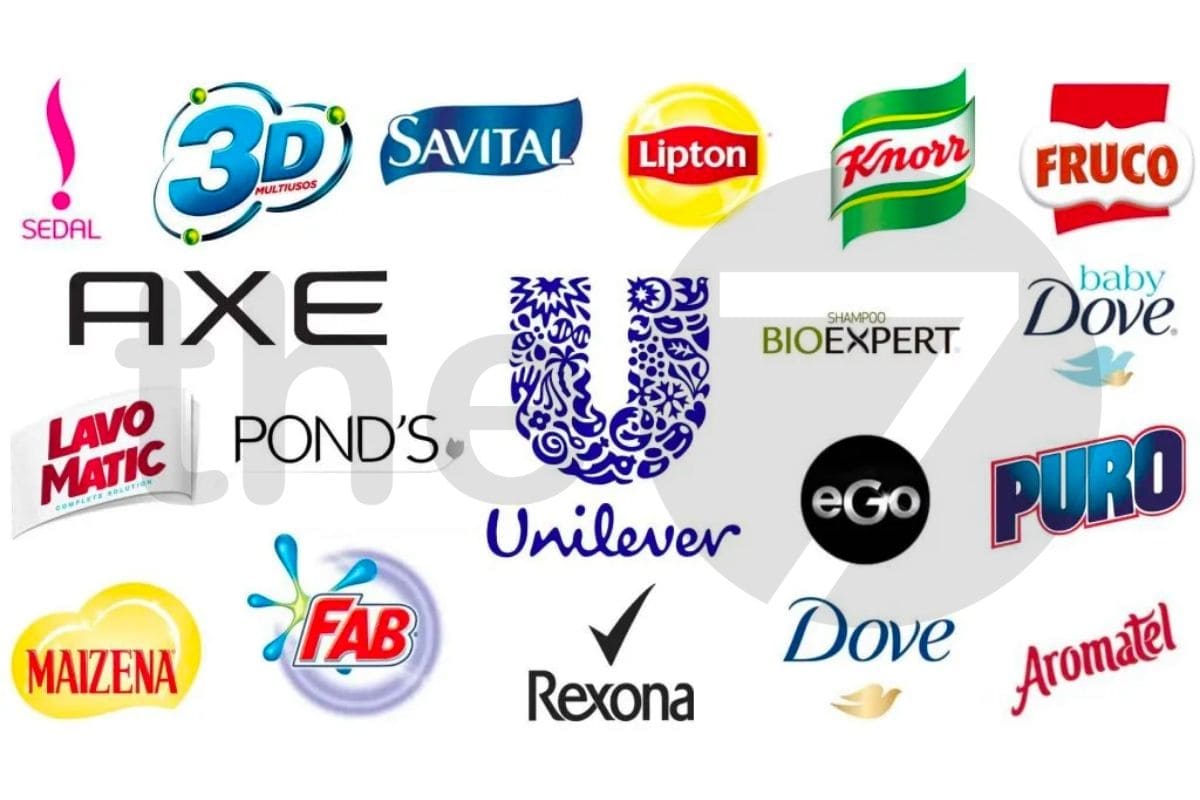
- Individual brand model
This model is typically used by businesses with many product or service lines that target several different customer segments. However, building and promoting the brand is usually expensive, and it is difficult to manage and coordinate the sub-brands.
Example: Unilever uses the individual brand model for its products, including Dove, Sunsilk, Clear, etc. Each Unilever sub-brand has its own name, logo, slogan and so on, in order to meet the needs and preferences of each customer segment.
- Family brand model
The family brand model is a brand building strategy in which all of a business’s product or service lines share one common brand. This model is typically used by large businesses with a good reputation that want to leverage the strength of the shared brand to promote new product or service lines.
Example: Samsung uses the family brand model for its electronics, including phones, tablets, TVs, etc. All Samsung electronics use the common Samsung logo and brand name, which conveys the brand’s unity and credibility.

- Multi-brand model
The multi-brand model is a brand building strategy in which a business uses a combination of both family brands and individual brands.
Example: P&G uses the multi-brand model for its products, including:
- Family brand: P&G
- Individual brands: Tide, Ariel, Downy, etc.

4.4 Build a Brand Identity System
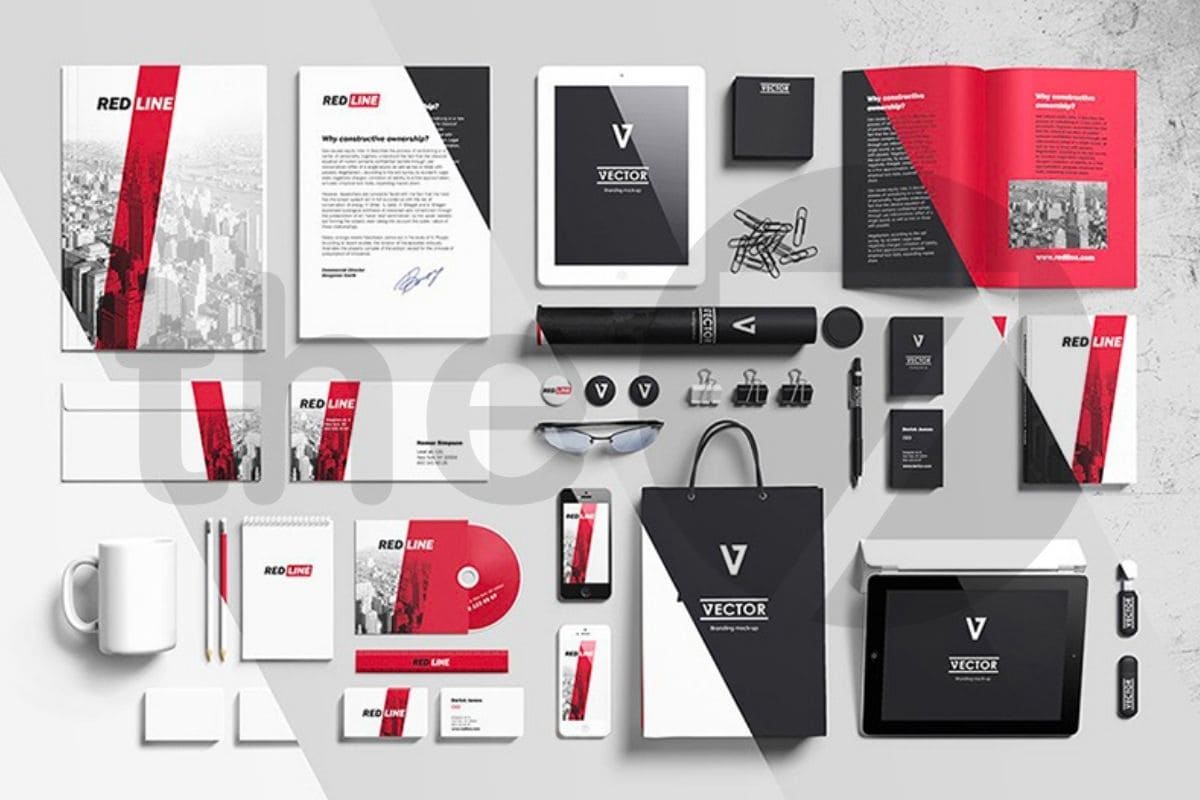
A brand identity system is the set of visible elements that represent a brand in customers’ minds. The foundational elements include the brand name, symbol (logo), slogan and jingle.
The key to a successful brand is being unique and different from competitors. Invest in designing an identity system that highlights what makes you distinctive. A brand’s uniqueness can show up through product branding, the attitude of your service staff, product quality, your message and your business philosophy, and more.
4.5 Define Your Brand Mission and Core Values
The next step in the brand building process is to state your brand’s core mission. This requires you to clearly express the aspirations and goals your business is working toward.
From choosing a slogan or logo to rolling out campaigns, everything calls for careful planning. Together, these elements shape and reinforce your brand’s position in customers’ minds.

4.6 Develop Your Brand Personality
Customers tend to be drawn to brands whose personality and qualities resemble their own. That’s why your brand needs a distinct personality that expresses your business’s core values and goals.
When developing your brand personality, consider elements such as:
- Using appropriate pronouns and forms of address in your communications.
- Sharing behind-the-scenes videos and photos from your advertising campaigns.
- Using emotional elements in your promotional materials, such as playful or touching wording, and more.
- Sharing real experiences from customers after they use your product.

4.7 Implement a Brand Promotion Strategy
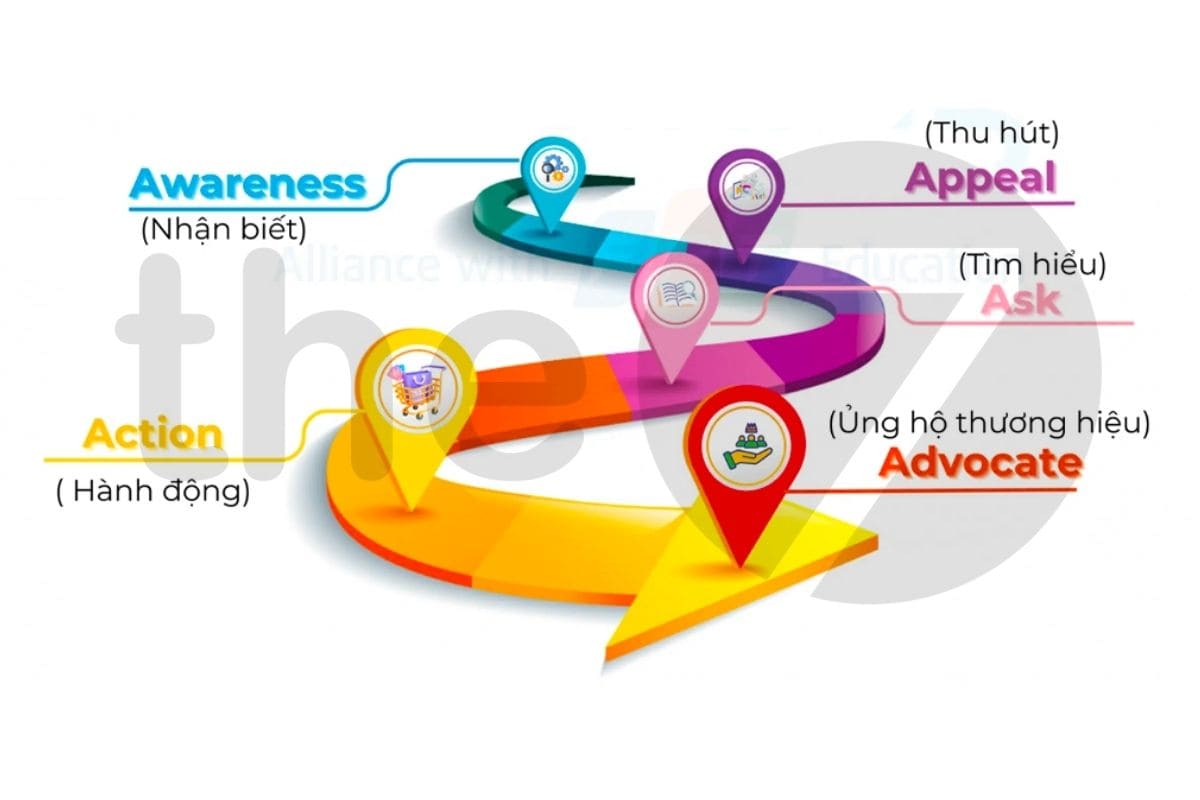
For a brand to be recognized and leave an impression in customers’ minds, brand promotion plays an important role. To build an effective brand communication strategy, a business needs to study the customer journey carefully using the 5A model:
- Brand awareness (Awareness)
- Attention (Appeal)
- Research (Ask)
- Action (Action)
- Advocacy (Advocate)
Each step of the journey calls for a suitable promotion strategy so that the business can reach customers, build relationships and win their mindshare.
Businesses have many brand promotion tools to choose from, combining integrated marketing communication tools such as advertising, promotions, PR, direct marketing and personal selling. For a promotion campaign to succeed, a business needs to roll it out across multiple platforms, from offline to online.
With the growth of the Internet, brand promotion is becoming more and more common on digital platforms. Promoting your brand in the digital environment is the best approach for businesses during the brand building process, because it lets information spread quickly and saves costs effectively.
4.8 Keep Your Brand Consistent Across Media Channels
To build a brand successfully, a business needs to ensure consistency in every message and statement. When a business’s messages are inconsistent, customers get confused about what the business is trying to say. This can lead to a lack of trust and a loss of customer confidence.

4.9 Evaluate and Measure Brand Health
To build a brand successfully, a business needs to evaluate and measure its brand health regularly. This helps the business see how its brand building and promotion activities are performing and whether they match customers’ tastes. From there, the business can adjust its brand strategy to be more suitable and achieve better results.
Digital brands in particular need to check their brand health continuously to determine their position in the market and take the right steps. The digital market is constantly changing, and consumer tastes can shift quickly.
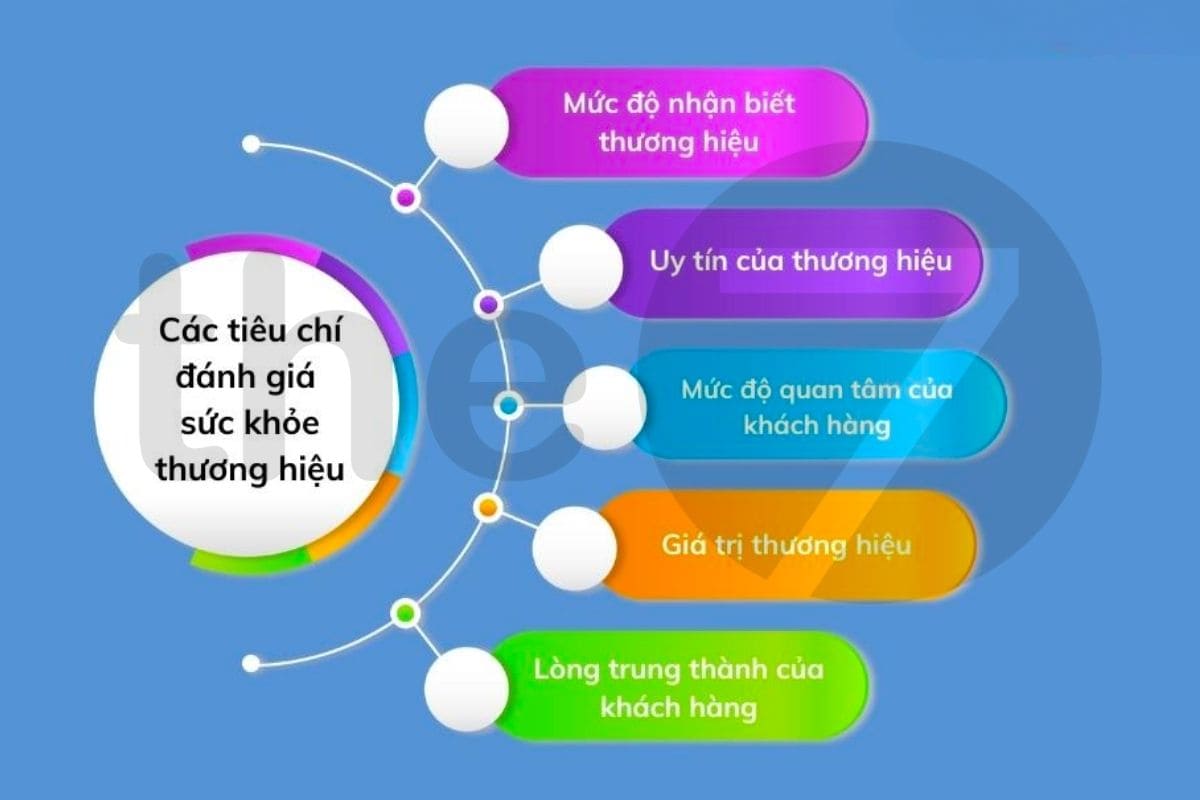
In general, a business should evaluate brand health periodically, every 2 or 4 quarters. The criteria commonly used to evaluate brand health include:
- Brand awareness: How many people know your brand?
- Brand reputation: What do consumers think of your brand?
- Customer interest in the brand: How interested are customers in your brand?
- Brand value: How valuable is your brand to customers?
- Customer brand loyalty: Are customers loyal to your brand?
In short, a strong brand is one that many people know, trust and choose first among the countless competing brands on the market. A strong brand helps a business increase revenue, market share and profit, and creates barriers for competitors.
There are many ways to measure brand health, including:
- Social media listening: Research public opinion on social media platforms. Survey customers and collect information from their feedback.
- Business data analysis: Analyze data on sales, market share, profit, etc.
- Expert interviews: Seek experts’ opinions on brand health.
A business needs to choose a measurement method that fits its goals and budget.
5. 5 Problems to Fix When Building and Growing a Brand
When building a corporate brand, business owners often face unavoidable risks, no matter how carefully they planned from the start. When you run into difficult situations, you can apply the following solutions to protect and restore your brand’s reputation:
5.1 The Brand Doesn’t Fit Current Trends
A brand that doesn’t fit current trends is one of the reasons a business easily loses potential customers and sees customer engagement drop. To fix this, business owners need to:
- Re-survey the interests and needs of your target customers to understand what they really want.
- Listen to customer feedback so you can adjust products and services in time.
- Follow media trends on digital platforms to create engaging content that attracts customers.

5.2 The Business Has No Brand Story
The reason your target customers don’t clearly understand your business, or don’t know what you do and sell, is simply that you haven’t built a Brand Story.
A Brand Story is the story of your brand, the way you tell customers about yourself. It helps customers better understand your company, your core values and your mission.
Without a Brand Story, customers will find it hard to trust and stay attached to your brand. A great Brand Story touches customers’ emotions, making them love and support your business’s brand.
To build an effective Brand Story, a business needs to focus on the following aspects:
- People: A Brand Story should be a story with characters, plot and emotion.
- Purpose: A Brand Story should show the company’s purpose and the reason the owner founded the company.
Start building a Brand Story for your business today. An effective Brand Story will help you create a successful brand.
5.3 Customers Don’t Recognize the Brand
Customers not recognizing your brand is a tough problem that every business wants to solve. The reason may be that your brand isn’t distinctive enough and hasn’t made an impression on customers.
To solve this, you need to put yourself in your customers’ shoes. If you were them, which brand would attract you? What kind of logo, slogan, packaging design and media content would that brand have?
From those answers, you can build a brand identity system that is consistent, distinctive, eye-catching and full of personality. In addition, you should focus on creating content built around a set of high-ranking keywords so you can easily reach your target customers.

5.4 Inconsistency Across Platforms and Messages
Brand consistency is an important factor that helps a business build customer trust and loyalty. Consistency shows up in steady quality, professionalism and credibility, from products and services to the customer experience and brand communications. One effective way to ensure brand consistency is to build a distinctive, polished brand identity. A brand identity includes elements such as the logo, slogan, colors, fonts and more, helping your business create a consistent impression in customers’ minds.
5.5 Not Pushing Brand Growth on Digital Platforms
In the digital age, customers spend more time online than ever. As a result, focusing only on offline communication is no longer as effective as it used to be. To reach a diverse range of customers and earn their trust and affection, a business needs to grow its brand both online and offline at the same time.
Choosing the right digital media channels is a hard problem for businesses, especially small businesses with limited budgets. To stand out in your promotion campaigns, you need to make the most of what digital platforms do best, spreading your brand message quickly and cost-effectively.
Above, The7 has shared the basics of brand building, including the concept, why it matters and the brand building process. We hope this knowledge helps you better understand how to build a brand and apply it successfully to your own business.
>>> See more related articles:
- 5 Steps to Build Brand Positioning in Detail for 2024
- 10 Steps to Build a Personal Brand Most Effectively in 2024
- 4 Popular Brand Architecture Models in 2024
- 7 Popular Brand Repositioning Strategies Today
- A Roundup of 16 Great Brand Naming Tips

Nguyễn Đình
Bảo




As CEO of The7, I am committed to sharing practical, useful knowledge with every reader. Every article on The7 is based on my 7 years of hands-on experience in marketing — Facebook advertising, LinkedIn advertising, Google advertising, and marketing strategy. I hope you take away plenty of insight from these posts and apply it successfully in practice.
Related Articles
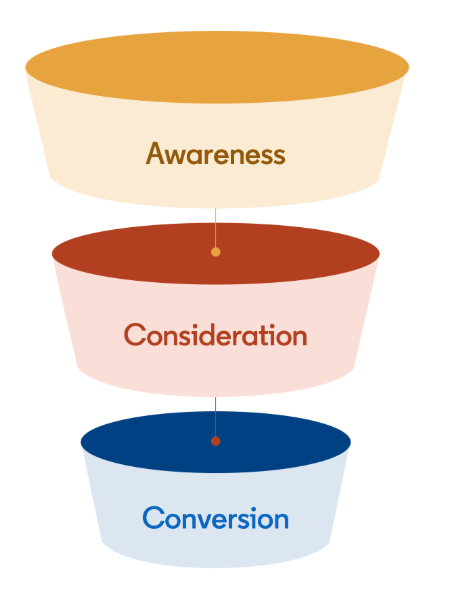
Building a Full-Funnel Content Marketing Strategy on LinkedIn
Table of Contents Toggle Why Build Content Marketing for the Full Marketing Funnel? (Why Full-Funnel Content Marketing?)Creating Your Strategy (Creating Your Strategy)Implementing Your Content Strategy (Rolling out your content strategy)Summary...

Designing Creative Content for LinkedIn
Table of Contents Toggle Why Is Good Creative Content So Important? (Why is Good Creative Important?)Key Components of Creative Design (the core elements of creative design)Summary (summary) Why Is Good...

Building an Organic Business Presence on LinkedIn With a LinkedIn Page
Table of Contents Toggle Why Have a LinkedIn Page?Establishing Your LinkedIn PageKeeping Your LinkedIn Page ActiveThe Measure of SuccessSummary About LinkedIn Page (Summary) Why Have a LinkedIn Page? For a...
6 Best LinkedIn Marketing Strategies for B2B in 2026
Table of Contents Toggle LinkedIn 2026: Where B2B Decisions Get MadeStrategy #1 – Why Is LinkedIn the Best B2B Marketing Channel Today?1. Decision-makers are concentrated here2. Users are in work...

7 Social Media Trends for 2026: The Era of Real Value, Real Conversion, and Real People
Table of Contents Toggle Social media is entering the biggest restructuring of the decadeTrend 1: Why is buying directly in-app becoming the new standard for 2026? (On-Platform Conversion)What should businesses...

What Is TikTok Marketing? Effective TikTok Marketing Strategies
TikTok has been topping the global rankings of the most downloaded and most visited apps. That makes it a gold mine for marketers who love creativity. In this article, The7...